


Simos Beach, Elafonisos: Greece's Caribbean-Like Shore
Simos Beach is widely considered one of the finest stretches of sand in the Mediterranean. This guide covers how to reach this turquoise sanctuary and make the most of your time on the island of Elafonisos.
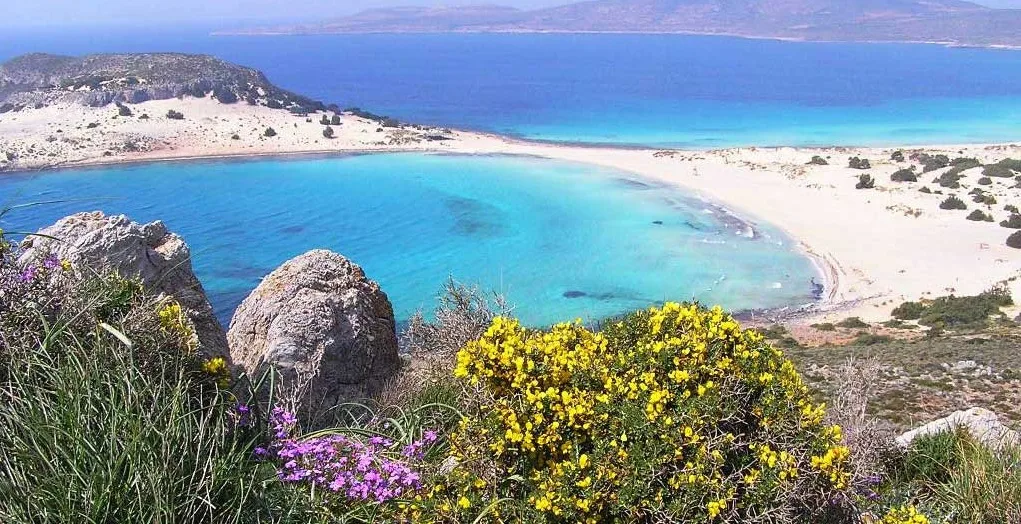
The Allure of Simos Beach
Elafonisos, a small island located off the southeastern tip of the Peloponnese, is home to a coastline that frequently draws comparisons to tropical destinations. The centerpiece of this island is Simos Beach, a magnificent stretch of fine, white sand framed by dunes and crystalline, shallow waters that shift between shades of azure and emerald. The beach is actually divided into two coves, Sarakiniko and Simos, separated by a narrow strip of sand that connects the main island to a smaller promontory.
The landscape here is defined by low-lying cedar forests and rolling dunes, creating an environment that feels disconnected from the bustle of mainland tourism. The water is exceptionally clear, making it a popular spot for swimming and snorkeling. Because the seabed slopes very gradually, it is a preferred destination for families, though the open nature of the beach means it can be exposed to winds, which occasionally create small waves.
Getting to Elafonisos
The journey to Elafonisos is an adventure through the diverse landscapes of the southern Peloponnese. Most travelers fly into Kalamata International Airport. From there, renting a vehicle is the most practical way to navigate the region. The drive takes you through scenic mountainous terrain and olive groves, eventually leading to the coastal port of Pounta. From Pounta, a short, frequent ferry service connects the mainland to the island of Elafonisos in approximately ten minutes. During the peak summer months, the ferry runs continuously throughout the day. It is advisable to check locally for the most current ferry schedules, especially if you are traveling with a vehicle.

When to Visit
The best time to experience the tranquility of Simos Beach is during the shoulder months of June or September. During these times, the weather remains warm enough for swimming, but the intense crowds of July and August have dissipated. If you must visit in mid-summer, arriving early in the morning is essential to secure a spot and enjoy the pristine condition of the sand before the midday influx of visitors. Late afternoon is another exceptional time to visit; as the sun begins to dip, the colors of the water take on a different, golden hue, and the atmosphere becomes significantly calmer.
Facilities and Safety
Simos Beach is organized in sections, with areas offering sunbeds and umbrellas for rent, as well as expansive stretches of free, undeveloped sand where you can set up your own equipment. There are beach bars and canteens nearby providing refreshments and light snacks. While the beach is generally safe, it is important to be mindful of the wind. When the 'meltemi' winds blow, the beach can become quite breezy, and the water may become choppy. Always pay attention to the color of the flags if they are present, and avoid swimming far from the shore if the currents feel strong. There are no significant cliffs or rockfall hazards directly on the sand, but visitors should stick to marked paths when walking through the dune areas to protect the local ecosystem.
Exploring Beyond the Sand
While Simos is the primary draw, the island of Elafonisos offers more to explore. The main village provides a charming base with a variety of traditional fish tavernas where you can enjoy the daily catch, often accompanied by local olive oil and fresh vegetables. For a change of scenery, Panagia Beach on the western side of the island offers a different aesthetic, with rocky outcrops and deeper waters that contrast with the soft sands of Simos. For those interested in history, the nearby town of Monemvasia is a must-visit. This medieval fortress town, carved into a massive sea rock, is a short drive from the Pounta ferry terminal and offers a stark, atmospheric contrast to the sun-drenched beaches of the island.
Practical Tips
- Arrive at the Pounta port early during July and August to avoid long queues for the ferry.
- Bring high-SPF sunscreen and a hat, as there is very little natural shade on the beach itself.
- Respect the dune environment by staying on established wooden walkways or paths.
- Keep a light jacket or windbreaker handy, as the coastal breeze can feel cool in the evenings.
- Explore the local village tavernas for fresh seafood; they are the heart of the island’s social life.
- Check locally for any updates regarding parking restrictions near the beach during peak season.
Plan your trip to Elafonisos
Compare prices with KAYAKYou'll be taken to KAYAK to compare prices. We may earn a commission at no extra cost to you.
Plan your trip to Elafonisos
🏨Find hotels on Booking.comBooking.comAffiliate links — we may earn a small commission.
Deals from our travel partners
 PAOK Thessaloniki vs Balkan Botevgrad Tickets - PAOK Arena, 2027-01-13Sports Events 365 · from 102 EUR
PAOK Thessaloniki vs BC Lietkabelis Tickets - PAOK Arena, 2026-12-19Sports Events 365 · from 102 EUR
Olympiacos Pireus vs Bayern Munich Tickets - Peace & Friendship Stadium, 2027-02-05Sports Events 365 · from 120 EUR
Olympiacos Pireus vs Virtus Bologna Tickets - Peace & Friendship Stadium, 2027-03-26Sports Events 365 · from 120 EUR
PAOK Thessaloniki vs Balkan Botevgrad Tickets - PAOK Arena, 2027-01-13Sports Events 365 · from 102 EUR
PAOK Thessaloniki vs BC Lietkabelis Tickets - PAOK Arena, 2026-12-19Sports Events 365 · from 102 EUR
Olympiacos Pireus vs Bayern Munich Tickets - Peace & Friendship Stadium, 2027-02-05Sports Events 365 · from 120 EUR
Olympiacos Pireus vs Virtus Bologna Tickets - Peace & Friendship Stadium, 2027-03-26Sports Events 365 · from 120 EUR
Affiliate links — we may earn a commission at no extra cost to you.
Related guides
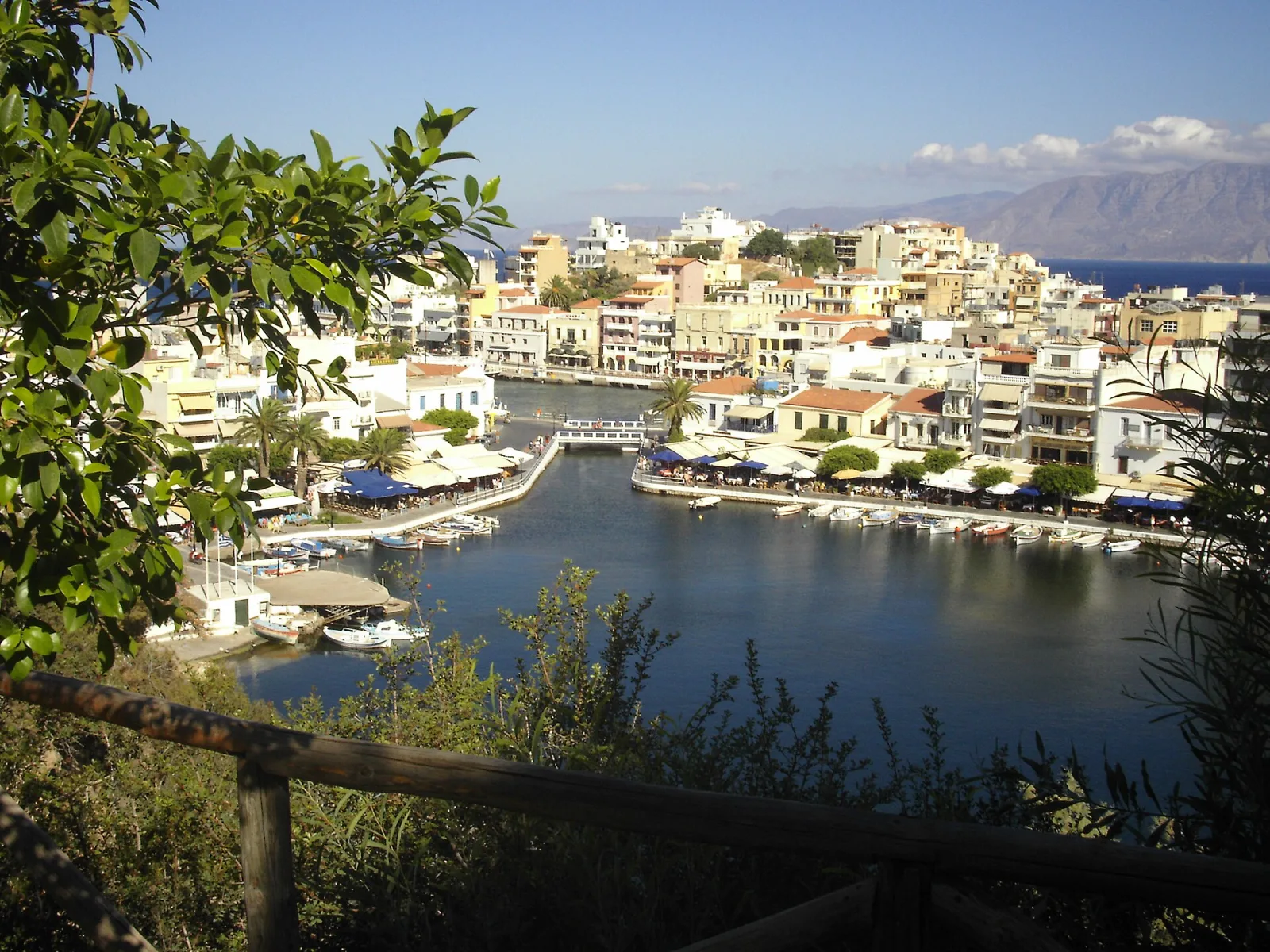
Top Things to Do in Agios Nikolaos
Agios Nikolaos is one of Crete's most appealing seaside towns, built around a small lake and within easy reach of Spinalonga, Elounda and the mountains.
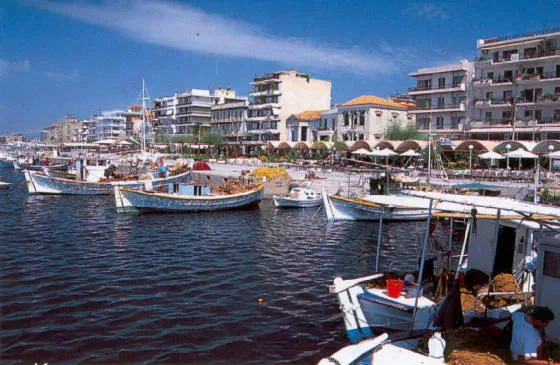
Top Things to Do in Kalamata
Kalamata is a relaxed seaside city famous for its olives, with a charming old town, a hilltop castle and a long sandy beach. It also makes an ideal base for exploring Messinia and the Mani.
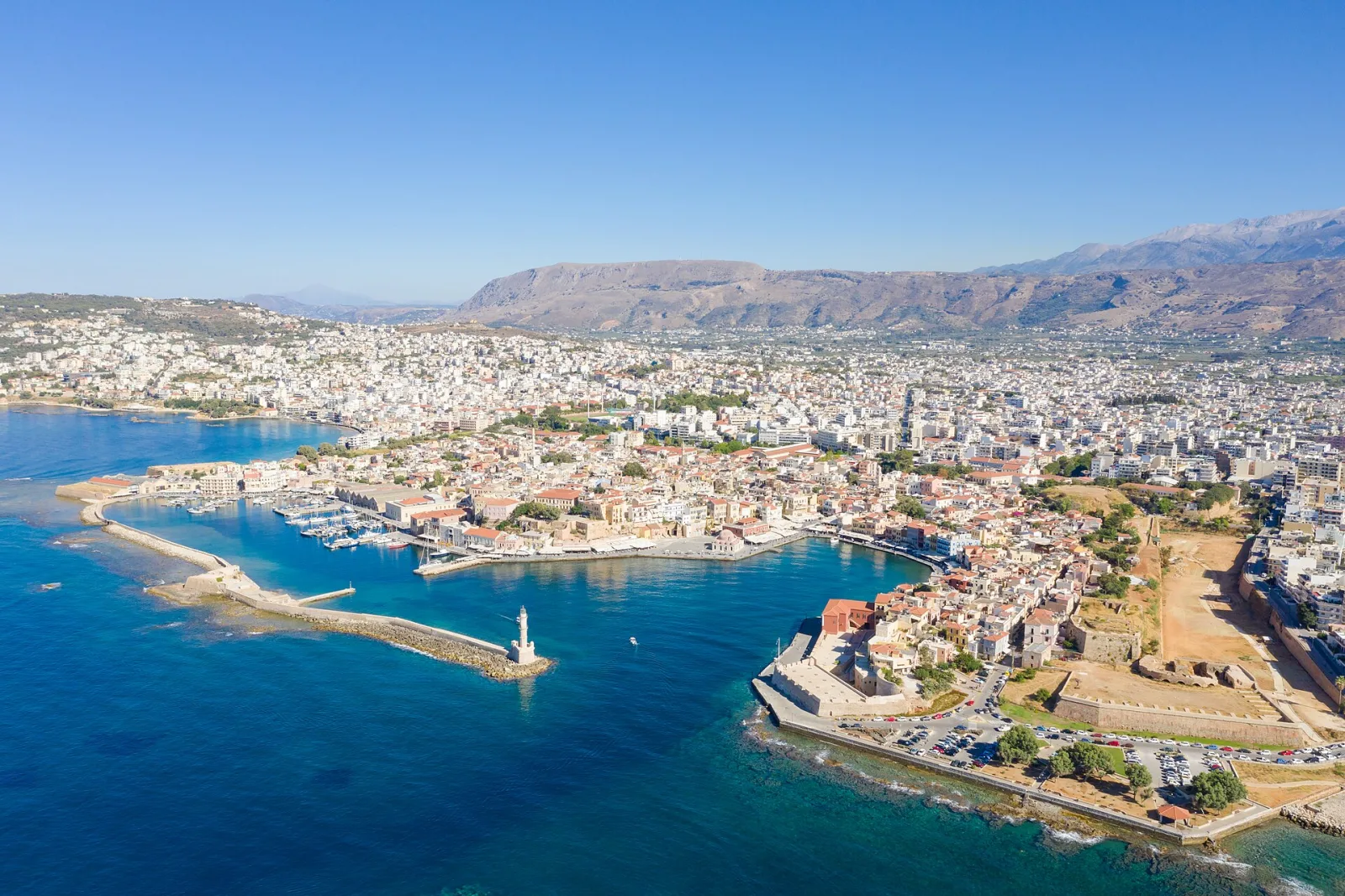
Olive Harvest Experiences in Greece
The Greek olive harvest is a time-honored tradition that defines the rhythm of rural life. Participating in the collection offers a profound connection to the land and its ancient agricultural heritage.
