


Spanakopita and Tiropita: Greece's Favourite Pies
Greek pies, or pites, are the cornerstone of local cuisine. This guide explores the flaky world of spanakopita and tiropita, explaining the traditions behind these beloved savoury snacks.
The Foundation of Greek Bakery Culture
In Greece, the art of the pie, or pita, is a culinary institution that transcends simple snacking. While the country is famous for its grilled meats and fresh salads, it is the humble pie that sustains the nation throughout the day. Whether it is a breakfast on the go, a mid-morning pick-me-up, or a light lunch, spanakopita (spinach pie) and tiropita (cheese pie) are the undisputed kings of the Greek bakery counter.
At their core, these pies are a testament to the Greek philosophy of using seasonal, high-quality ingredients wrapped in layers of dough. The texture is defined by phyllo, a paper-thin unleavened dough that becomes shatteringly crisp when baked with olive oil or butter. In more rustic, mountainous regions, the phyllo is often thicker and hand-rolled, resulting in a heartier, chewier crust known as choriatiki, or village-style.
Spanakopita: The Green Standard
Spanakopita is perhaps the most iconic Greek export. The filling is a vibrant mixture of fresh spinach, leeks, spring onions, and plenty of fresh herbs like dill and parsley. The magic happens when this green mixture is combined with feta cheese, which provides a necessary saltiness to balance the earthiness of the greens. The mixture is bound with eggs and sometimes a small amount of rice or semolina to absorb excess moisture, ensuring the crust remains crisp rather than soggy.

Tiropita: The Salty Delight
Tiropita is the quintessential cheese pie. While recipes vary, the classic version relies on a robust feta cheese, often mixed with other local cheeses like graviera or kefalotyri for added depth. In many bakeries, you will find tiropita made with a custard-like filling of eggs and yogurt, which creates a rich, creamy interior that contrasts beautifully with the flaky exterior. Some versions are shaped into triangles, while others are prepared as large, circular pies cut into squares.
Regional Variations
The geography of Greece deeply influences the style of these pies. In the Peloponnese and Epirus, you will frequently encounter pies that focus on wild greens, known as hortopita, which incorporate a wider variety of foraged herbs than the standard spinach-only version. On islands like Crete, the local kalitsounia are small, individual pies that can be either savoury or sweet, often filled with mizithra cheese and drizzled with honey.
In northern Greece, particularly in areas like Thessaloniki, the influence of Balkan and Ottoman cuisine is more pronounced. Here, you might find bougatsa, which, while often sweet, also comes in a savoury version filled with cheese or minced meat, using a thicker, more elastic dough than the standard phyllo found in the south.
How to Eat Like a Local
Greeks eat these pies at all hours. A common sight in any town is a local walking with a paper bag containing a warm piece of pita, eating it while heading to work or waiting for a bus. To experience this properly, head to a traditional bakery early in the morning when the pies are fresh from the oven. Look for places where you can see the bakers at work; if the trays are being refilled constantly, you are in the right spot.
When ordering, ask for the pie to be warmed if it is not already hot. Many locals pair their mid-morning slice of spanakopita with a freddo espresso or a traditional Greek coffee. For a more substantial meal, a slice of pie can be paired with a small Greek salad, making for a perfect, light lunch.
Useful Greek Vocabulary
- Pita: Pie
- Spanakopita: Spinach pie
- Tiropita: Cheese pie
- Hortopita: Wild greens pie
- Kourou: A type of thicker, shortcrust-style dough
- Fyllo: The thin, flaky pastry sheets
- Feta: The signature Greek sheep or goat milk cheese
Practical Tips
- Always check the bakery display for fresh trays; the best pies are those that have been baked within the last few hours.
- If you are unsure about the filling, ask the staff, as many bakeries offer creative variations like leek pie (prasopita) or chicken pie (kotopita).
- For a authentic experience, look for bakeries that advertise 'cheirokinito fyllo', which means the dough is hand-rolled rather than machine-made.
- Bakeries in residential neighbourhoods often have more traditional, home-style recipes compared to those in highly touristic zones.
- Ask the staff if the pie is made with olive oil or butter, as this significantly changes the flavour profile of the crust.
Plan your trip to Athens
Compare prices with KAYAKYou'll be taken to KAYAK to compare prices. We may earn a commission at no extra cost to you.
Plan your trip to Athens
🏨Find hotels on Booking.comBooking.comAffiliate links — we may earn a small commission.
Deals from our travel partners
 Panathinaikos Athens vs Armani Olimpia Milano Tickets - Olympic Stadium Athens Telekom Ce…Sports Events 365 · from 271 EUR
Panathinaikos Athens vs Fenerbahce SK Beko Tickets - Olympic Stadium Athens Telekom Cente…Sports Events 365 · from 312 EUR
Panathinaikos Athens vs Hapoel Tel-Aviv Tickets - Olympic Stadium Athens Telekom Center, …Sports Events 365 · from 298 EUR
Panathinaikos Athens vs FC Barcelona Lassa Tickets - Olympic Stadium Athens Telekom Cente…Sports Events 365 · from 326 EUR
Panathinaikos Athens vs Armani Olimpia Milano Tickets - Olympic Stadium Athens Telekom Ce…Sports Events 365 · from 271 EUR
Panathinaikos Athens vs Fenerbahce SK Beko Tickets - Olympic Stadium Athens Telekom Cente…Sports Events 365 · from 312 EUR
Panathinaikos Athens vs Hapoel Tel-Aviv Tickets - Olympic Stadium Athens Telekom Center, …Sports Events 365 · from 298 EUR
Panathinaikos Athens vs FC Barcelona Lassa Tickets - Olympic Stadium Athens Telekom Cente…Sports Events 365 · from 326 EUR
Affiliate links — we may earn a commission at no extra cost to you.
Related guides
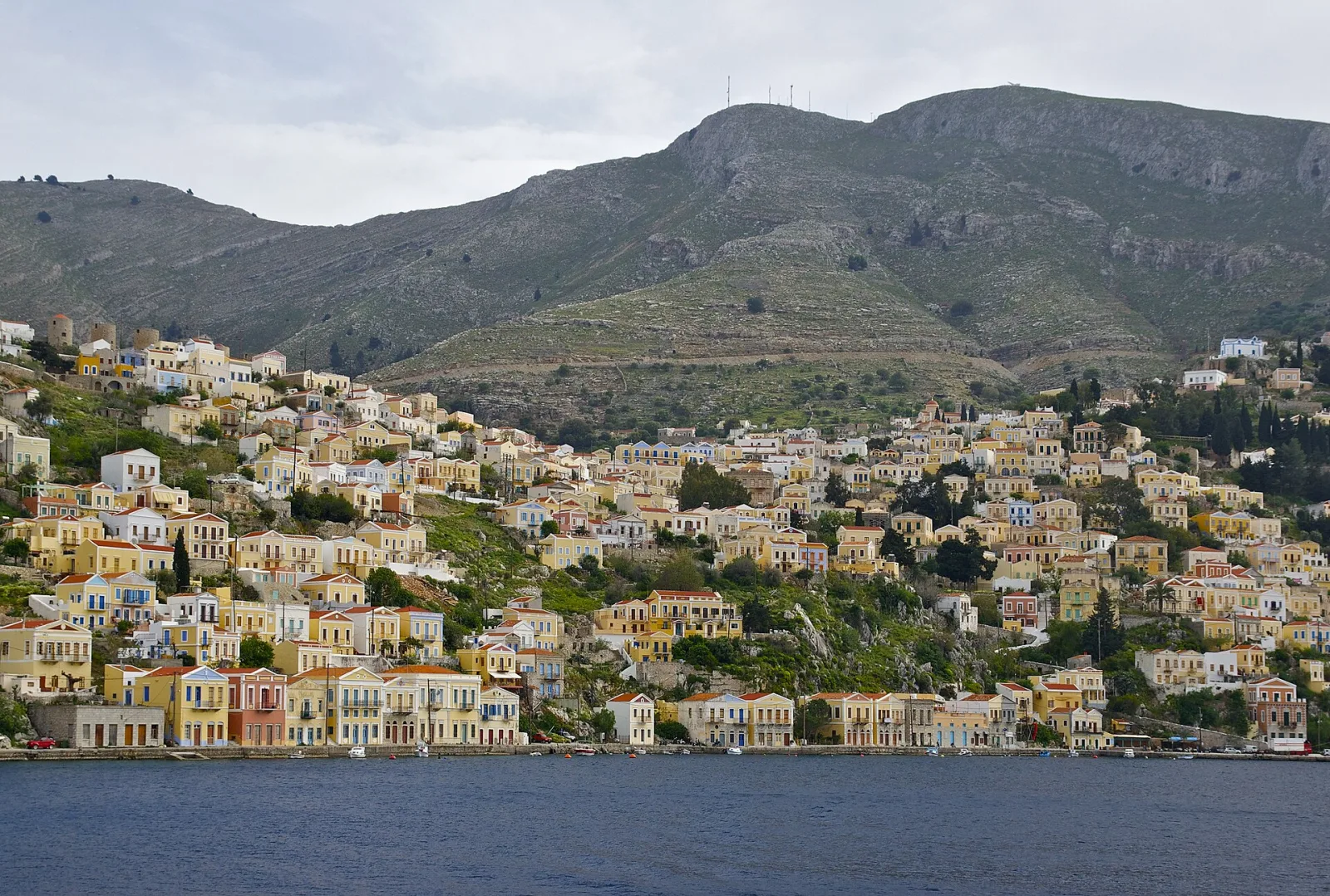
What to Eat in Symi: A Local Food Guide
Symi is famous for its neoclassical harbour and a unique culinary identity centered on the Aegean sea. This guide explores the must-try dishes and dining traditions of the island.
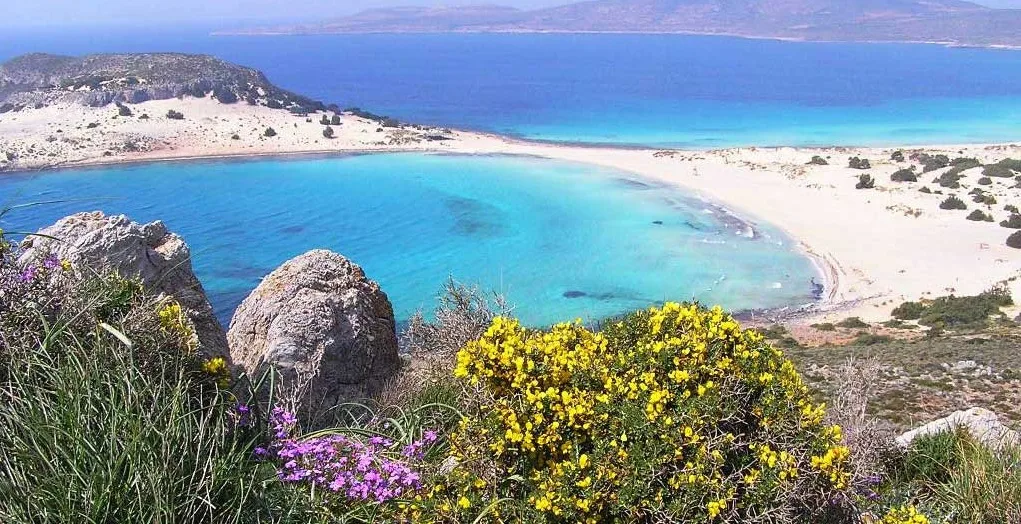
What to Eat in Elafonisos: A Local Food Guide
Elafonisos, famed for its stunning Simos beach, offers a delightful culinary experience focused on fresh seafood and traditional Greek flavours. Explore the island's best dishes and where to find them.

What to Eat in Paxos: A Local Food Guide
Paxos offers a refined culinary scene rooted in Ionian tradition, featuring high-quality olive oil, fresh daily catches, and classic Mediterranean flavors.
