


Thessaloniki Food Guide: Bougatsa, Koulouri and Meze
Explore the culinary heart of Thessaloniki, a city renowned for its relaxed atmosphere and serious dedication to food. From traditional breakfast pastries to vibrant meze spreads, discover the flavours that define this dynamic Greek city.
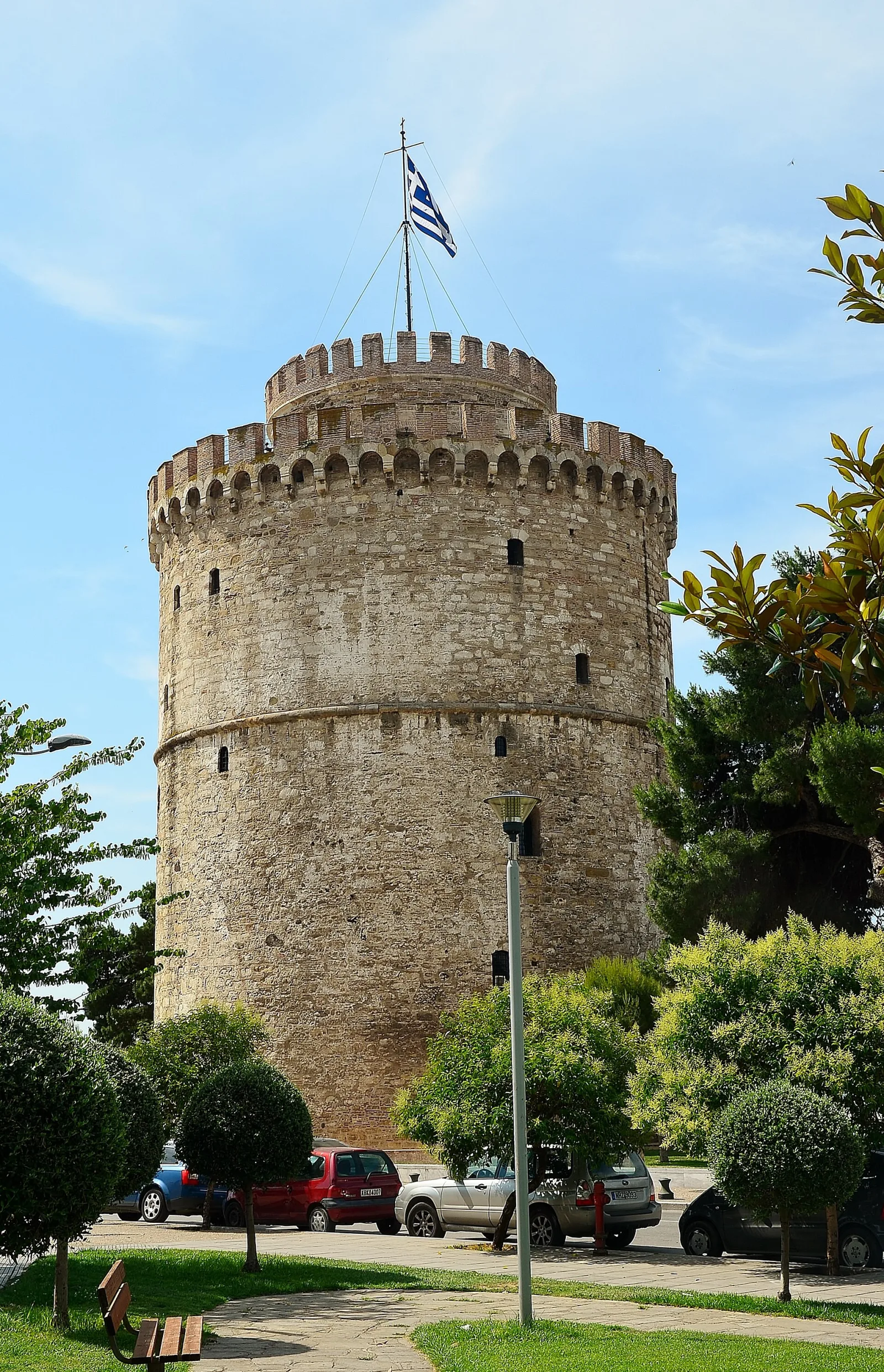
Thessaloniki: A Culinary Capital
Thessaloniki, Greece's second-largest city, buzzes with a youthful energy and a profound appreciation for food. Its location on the Thermaic Gulf, combined with a rich history influenced by Roman, Byzantine, Ottoman, and Sephardic cultures, has created a unique and diverse culinary landscape. The city's food scene is deeply intertwined with its daily life, from the morning ritual of enjoying a warm pastry to the evening gatherings over small plates and local drinks. Exploring Thessaloniki means embarking on a gastronomic journey through its bustling markets, historic neighbourhoods, and lively waterfront.
Morning Delights: Bougatsa and Koulouri
Thessaloniki's day often begins with two iconic breakfast staples: bougatsa and koulouri. Bougatsa is a filo pastry, typically filled with a sweet, creamy custard. It's baked until golden and crisp, then often dusted generously with powdered sugar and cinnamon. While sweet bougatsa is popular, savoury versions filled with cheese (tyri) or minced meat (kreas) are also widely available. Locals often enjoy it with a coffee, making it the perfect start to the day. Look for bakeries specializing in bougatsa, especially in the city centre and older neighbourhoods.
Koulouri Thessalonikis is another essential morning treat. This is a ring-shaped bread, made from a leavened dough, coated in sesame seeds, and baked to a satisfying crunch. It's simple, delicious, and incredibly portable, making it a favourite for those on the go. You'll find koulouri vendors throughout the city, particularly near transport hubs and popular squares. It’s best enjoyed fresh and warm, perhaps with a bit of cheese or simply on its own.

Market Feasts: Modiano and Kapani
No food exploration of Thessaloniki is complete without a visit to its central markets, Modiano and Kapani. These bustling hubs are the sensory heart of the city, offering a vibrant display of fresh produce, local cheeses, cured meats, olives, herbs, and spices. Modiano Market, housed in an impressive historic building, is known for its covered stalls selling everything from fresh fish and meat to traditional Greek products. Kapani Market, located nearby, is more open-air and equally lively, offering a fantastic glimpse into local life and a chance to sample regional specialities.
Wander through the stalls and sample local delicacies. You can find everything from fresh feta and graviera cheeses to Kalamata olives and fragrant Greek oregano. Many small eateries and ouzeri within or around the markets serve traditional dishes, often featuring ingredients sourced directly from the market itself. It’s an ideal place to discover authentic flavours and experience the city's culinary pulse.
The Art of Meze: Small Plates, Big Flavours
Thessaloniki excels in the art of meze, a tradition of serving small dishes accompanied by alcoholic beverages, most commonly ouzo or tsipouro. This is a social experience, where friends and family gather to share a variety of flavours, making for a leisurely and convivial meal. The meze culture here is particularly strong, reflecting the city's diverse influences.
Typical meze dishes include:
- Tzatziki: A refreshing dip made from strained yogurt, cucumber, garlic, dill, and olive oil.
- Melitzanosalata: A smoky roasted eggplant dip, often seasoned with garlic, lemon, and parsley.
- Fava: A smooth puree of yellow split peas, typically served with olive oil and lemon.
- Dolmades: Grape leaves stuffed with rice and herbs, often served cold.
- Saganaki: Fried cheese, usually made with kefalotyri or graviera, served hot and crispy.
- Marides: Small, whole fried fish, often served crispy with lemon.
- Octapodi: Grilled or pickled octopus, a seafood favourite.
- Various dips and spreads: Including taramasalata (fish roe dip) and various spicy or herb-infused cheese spreads.
These dishes are often served in ouzeri and tavernas, particularly in areas like Ladadika, the old market district known for its vibrant nightlife and traditional eateries. Ordering a selection of meze allows you to taste a wide range of flavours and textures, perfectly complementing the anise-scented ouzo or the stronger, grape-based tsipouro.
Seafood by the Sea
Given its coastal location, Thessaloniki boasts an abundance of fresh seafood. The waterfront promenade, stretching from the White Tower to the modern concert hall, is lined with restaurants and cafes, many offering excellent seafood dishes. Grilled fish, calamari, mussels, and shrimp are staples on most menus.
Popular preparations include grilled sea bream (tsipoura) or sea bass (lavraki), often simply seasoned with olive oil, lemon, and herbs to highlight the freshness of the fish. Mussels are frequently served steamed in a flavourful broth (mydia saganaki, if cooked with tomato and cheese, or simply steamed with garlic and herbs). Don't miss the chance to try local specialties, which might include dishes featuring sardines, anchovies, or other small fish, often fried or marinated.
Beyond the Classics: Regional Flavours
Thessaloniki's cuisine also reflects its Macedonian heritage. Look for dishes that incorporate local ingredients and traditional cooking methods. This might include hearty meat dishes, vegetable stews, and unique pasta preparations. The region is also known for its excellent wines and spirits, so be sure to explore the local beverage options.
Consider trying:
- Giouvetsi: A baked dish, often made with lamb or beef and orzo pasta (kritharaki) in a rich tomato sauce.
- Pastitsio: A baked pasta dish with layers of thick pasta, minced meat, and a creamy béchamel sauce.
- Local cheeses: Beyond feta, explore varieties like graviera, kasseri, and xinotyri.
- Local wines: The wider Macedonia region produces excellent white wines (often Assyrtiko, Malagousia) and robust reds.
Practical Tips for Eating in Thessaloniki
- When to Eat: Lunch is typically from 1 PM to 4 PM, and dinner starts later, around 8 PM, often extending well into the night, especially on weekends. Meze and ouzo are popular evening choices.
- Ordering: In tavernas and ouzeri, it’s common to order several dishes to share (meze). Don't hesitate to ask for recommendations.
- Language: While many people in tourist areas speak English, learning a few Greek words is always appreciated. Useful phrases include 'kalimera' (good morning), 'kalispera' (good evening), 'efcharisto' (thank you), 'parakalo' (please/you're welcome), and 'ti kanete?' (how are you?). For ordering, 'thelo' (I want) or 'tha ithela' (I would like) are useful.
- Exploring: Don't be afraid to wander into smaller streets and discover local eateries away from the main tourist paths. The best culinary experiences are often found in unexpected places.
- Transportation: The city centre is very walkable. For longer distances, the metro, buses, and taxis are available. Check locally for routes and fares.
Plan your trip to Thessaloniki
Compare prices with KAYAKYou'll be taken to KAYAK to compare prices. We may earn a commission at no extra cost to you.
Plan your trip to Thessaloniki
🏨Find hotels on Booking.comBooking.comAffiliate links — we may earn a small commission.
Deals from our travel partners
 PAOK Thessaloniki vs Balkan Botevgrad Tickets - PAOK Arena, 2027-01-13Sports Events 365 · from 102 EUR
Rostock vs Aris Thessaloniki Tickets - Stadthalle Rostock, 2026-10-20Sports Events 365 · from 71 EUR
Rigas Zelli vs Aris Thessaloniki Tickets - Xiaomi Arena, 2027-01-12Sports Events 365 · from 72 EUR
Aris Thessaloniki vs Rostock Tickets - Nick Galis Hall, 2026-12-22Sports Events 365 · from 102 EUR
PAOK Thessaloniki vs Balkan Botevgrad Tickets - PAOK Arena, 2027-01-13Sports Events 365 · from 102 EUR
Rostock vs Aris Thessaloniki Tickets - Stadthalle Rostock, 2026-10-20Sports Events 365 · from 71 EUR
Rigas Zelli vs Aris Thessaloniki Tickets - Xiaomi Arena, 2027-01-12Sports Events 365 · from 72 EUR
Aris Thessaloniki vs Rostock Tickets - Nick Galis Hall, 2026-12-22Sports Events 365 · from 102 EUR
Affiliate links — we may earn a commission at no extra cost to you.
Related guides
Thessaloniki in 3 Days: The Perfect Itinerary
Thessaloniki rewards slow exploring. This three-day plan covers Roman and Byzantine monuments, the waterfront, old-town lanes and the city's famously good food.
Top Things to Do in Halkidiki
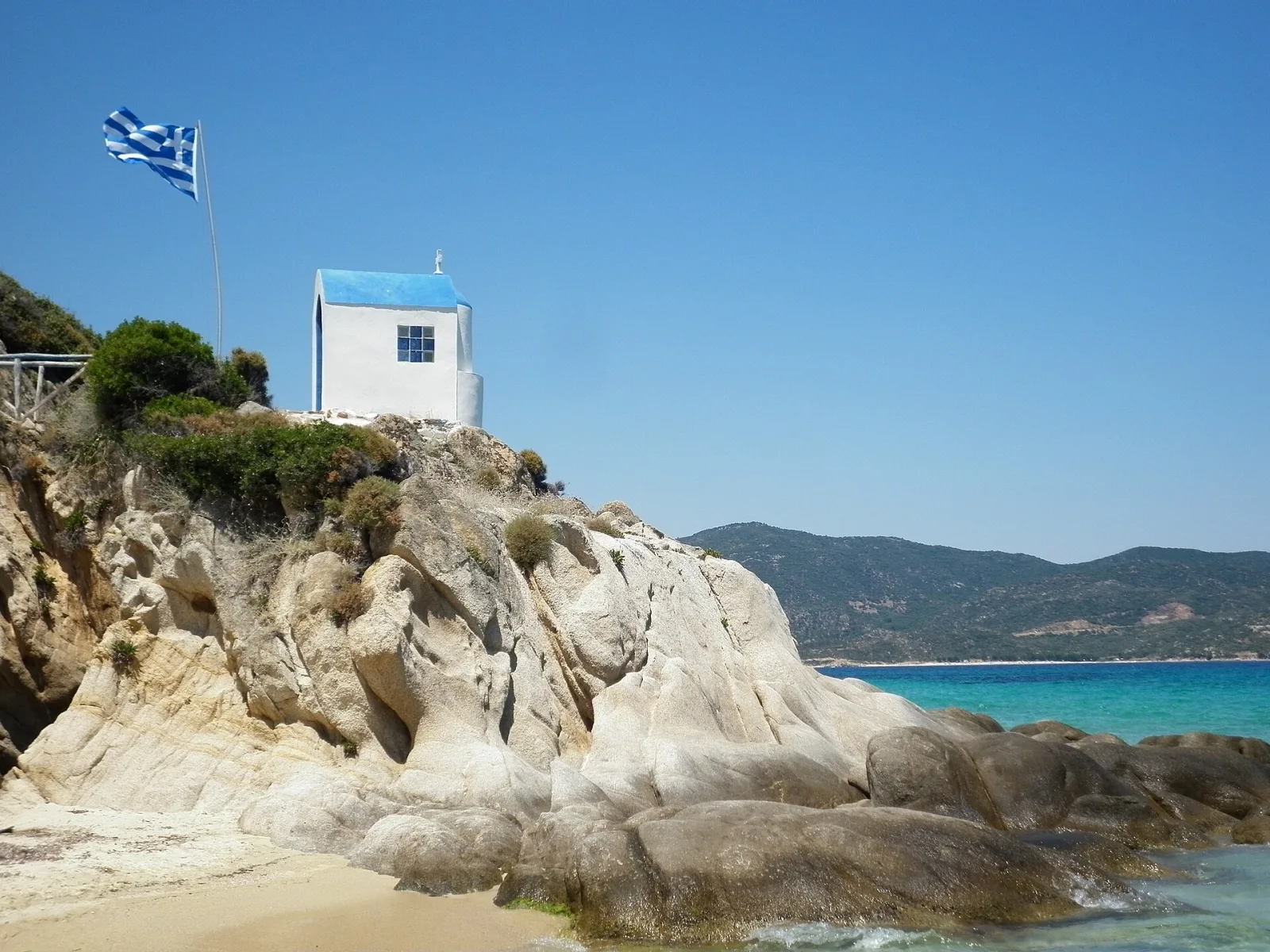
Three finger-shaped peninsulas, pine-fringed beaches and some of the clearest water in the Aegean make Halkidiki northern Greece's favourite summer escape. Here is how to make the most of it.
KTEL Buses in Greece: How Long-Distance Buses Work
KTEL is the network of regional bus companies that connects Greece's towns, villages and ports. Here is how it works, and how to make the most of it.
