


What to Eat in Athens: A Local Food Guide
Athens is a city where ancient history meets a thriving modern culinary scene. This guide highlights the essential dishes and flavors to experience during your stay in the Greek capital.
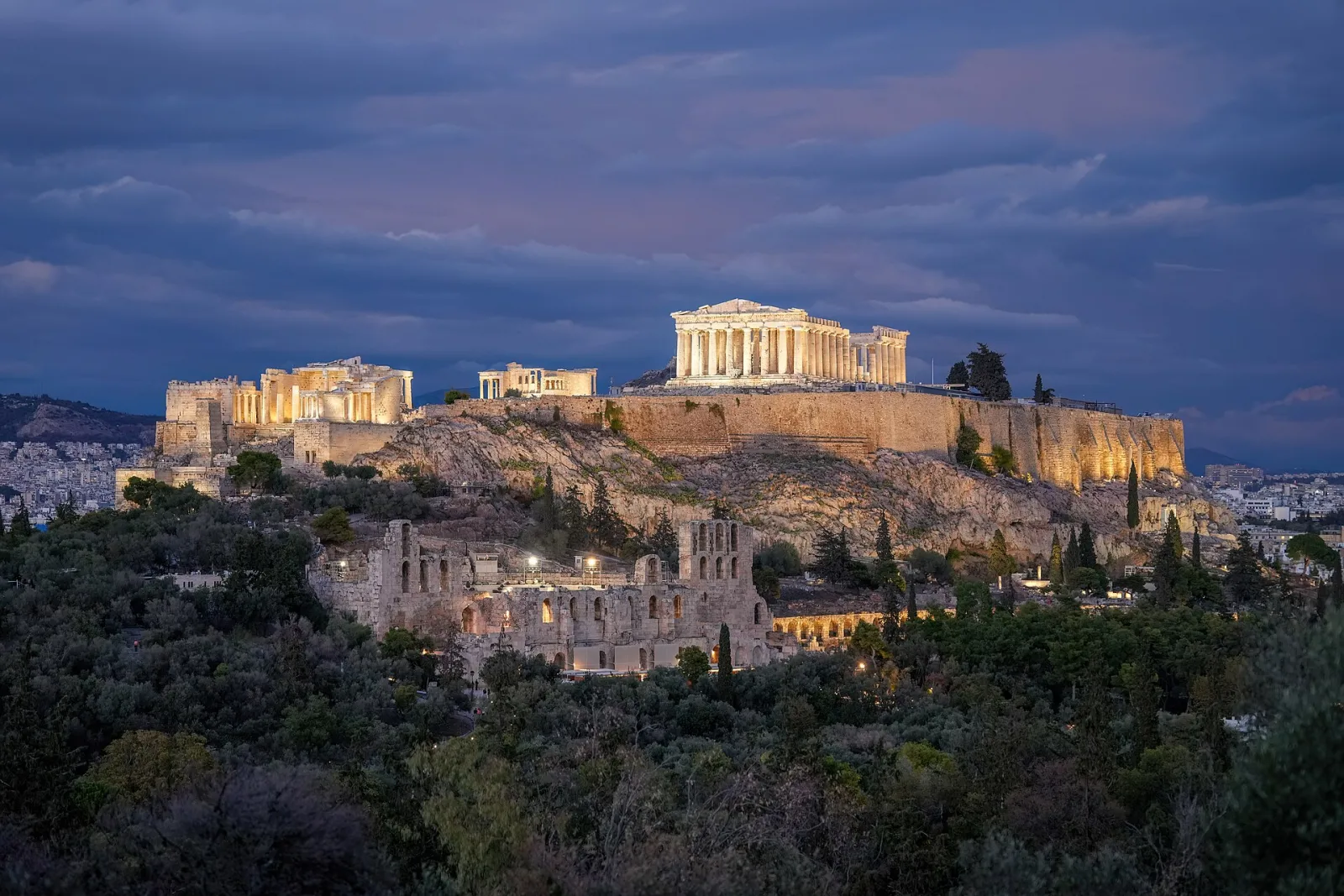
The Foundation of Athenian Dining
Eating in Athens is an exercise in balancing the ancient and the contemporary. The city’s food culture is deeply rooted in the Mediterranean tradition of sharing, where the table becomes a communal space for conversation and connection. Whether you are grabbing a quick bite between visiting the Acropolis and the Ancient Agora or settling in for a long, multi-course dinner in the heart of Plaka, the quality of ingredients—fresh olive oil, sun-ripened tomatoes, and local cheeses—remains the constant star.
Street Food Classics
The most iconic Athenian snack is undoubtedly the souvlaki. You will find it in two main forms: the kalamaki, which consists of small pieces of grilled meat on a wooden skewer, and the pita-wrapped souvlaki. The latter is a complete meal, featuring grilled pork or chicken, wrapped in a warm, slightly charred pita bread, filled with tzatziki, tomatoes, onions, and often a few crispy fried potatoes. For a lighter version, ask for it without the fries, though many locals consider them essential for the perfect texture.
Equally ubiquitous are the savory pies, or pitas. Visit a local bakery in the early morning to find spanakopita (spinach and feta pie) or tiropita (cheese pie). The phyllo pastry should be flaky and golden, providing a satisfying crunch that gives way to a rich, savory filling. These pies are a staple of the Athenian breakfast, often paired with a strong Greek coffee.

Meze: The Art of Small Plates
To eat like a local, look for a traditional mezedopoleio. This type of establishment specializes in small plates designed for sharing, accompanied by ouzo, tsipouro, or local wine. Ordering a spread of meze allows you to sample a wide variety of flavors in one sitting. Common highlights include:
- Dolmadakia: Grape leaves stuffed with rice, herbs, and sometimes minced meat, served with a squeeze of lemon.
- Keftedakia: Small, herb-infused fried meatballs that are a favorite in family-run tavernas.
- Fava: A smooth, creamy yellow split pea purée, usually topped with raw onions, capers, and a generous drizzle of extra virgin olive oil.
- Saganaki: Pan-seared hard cheese that becomes crispy on the outside and molten on the inside, finished with a splash of lemon juice.
- Horiatiki: The classic Greek salad, which in Athens is served as a rustic mix of tomatoes, cucumbers, olives, green peppers, and a large slab of feta cheese, never lettuce.
Main Courses and Regional Specialties
For a more substantial meal, look for oven-baked dishes known as magirefta. These are home-style recipes that showcase the seasonal nature of Greek cooking. Moussaka is perhaps the most famous, featuring layers of eggplant, potatoes, and spiced minced meat, topped with a thick, creamy béchamel sauce. Another excellent choice is pastitsio, the Greek version of a baked pasta dish, which shares the same comforting béchamel topping.
If you are near the coast or visiting one of the city's fish tavernas, fresh seafood is a must. Grilled octopus, marinated anchovies (gavros), and fried calamari are common staples. The key is simplicity; the seafood is usually prepared with little more than olive oil, lemon, and oregano to let the natural flavor of the catch shine through.
Satisfying Your Sweet Tooth
No meal in Athens is complete without a sweet finish. Loukoumades are a must-try—these are small, fried dough balls that are crispy on the outside and airy on the inside, traditionally drizzled with honey, cinnamon, and sometimes crushed walnuts. For something more substantial, look for bougatsa, a warm custard pie wrapped in phyllo and dusted with powdered sugar and cinnamon. It is often served as a morning treat but is equally enjoyable at any time of day.
Practical Tips for Dining in Athens
- Timing: Greeks tend to eat late by international standards. Lunch usually happens between 2:00 PM and 4:00 PM, while dinner rarely begins before 9:00 PM.
- Reservations: While many tavernas are casual, popular spots in areas like Plaka or near the Monastiraki rooftops can get very busy. Check locally if a reservation is recommended.
- Water: Tap water is safe to drink in central Athens, but many locals prefer bottled water or the chilled carafes provided in restaurants.
- Tipping: Tipping is appreciated but not mandatory. A small amount of change or rounding up the bill is customary for good service in casual settings, while 5-10% is standard in more formal restaurants.
- Coffee Culture: Coffee is a ritual in Athens. Whether you opt for a traditional Greek coffee, brewed in a small copper pot, or a modern freddo espresso, take the time to sit, sip, and enjoy the atmosphere of the city's many cafes.
Plan your trip to Athens
Compare prices with KAYAKYou'll be taken to KAYAK to compare prices. We may earn a commission at no extra cost to you.
Plan your trip to Athens
🏨Find hotels on Booking.comBooking.comAffiliate links — we may earn a small commission.
Deals from our travel partners
 Flights from Athens to TivatAir Serbia · from 612 EUR
 Flights from Athens to BelgradeAir Serbia · from 594 EUR
 Flights from Athens to MunichAir Serbia · from 492 EUR
 Flights from Athens to BarcelonaAir Serbia · from 412 EUR
Affiliate links — we may earn a commission at no extra cost to you.
Related guides

Top Things to Do in Tinos
Tinos blends deep religious tradition with marble craftsmanship, dramatic granite landscapes and some of the Cyclades' most rewarding village life. Here is how to make the most of it.
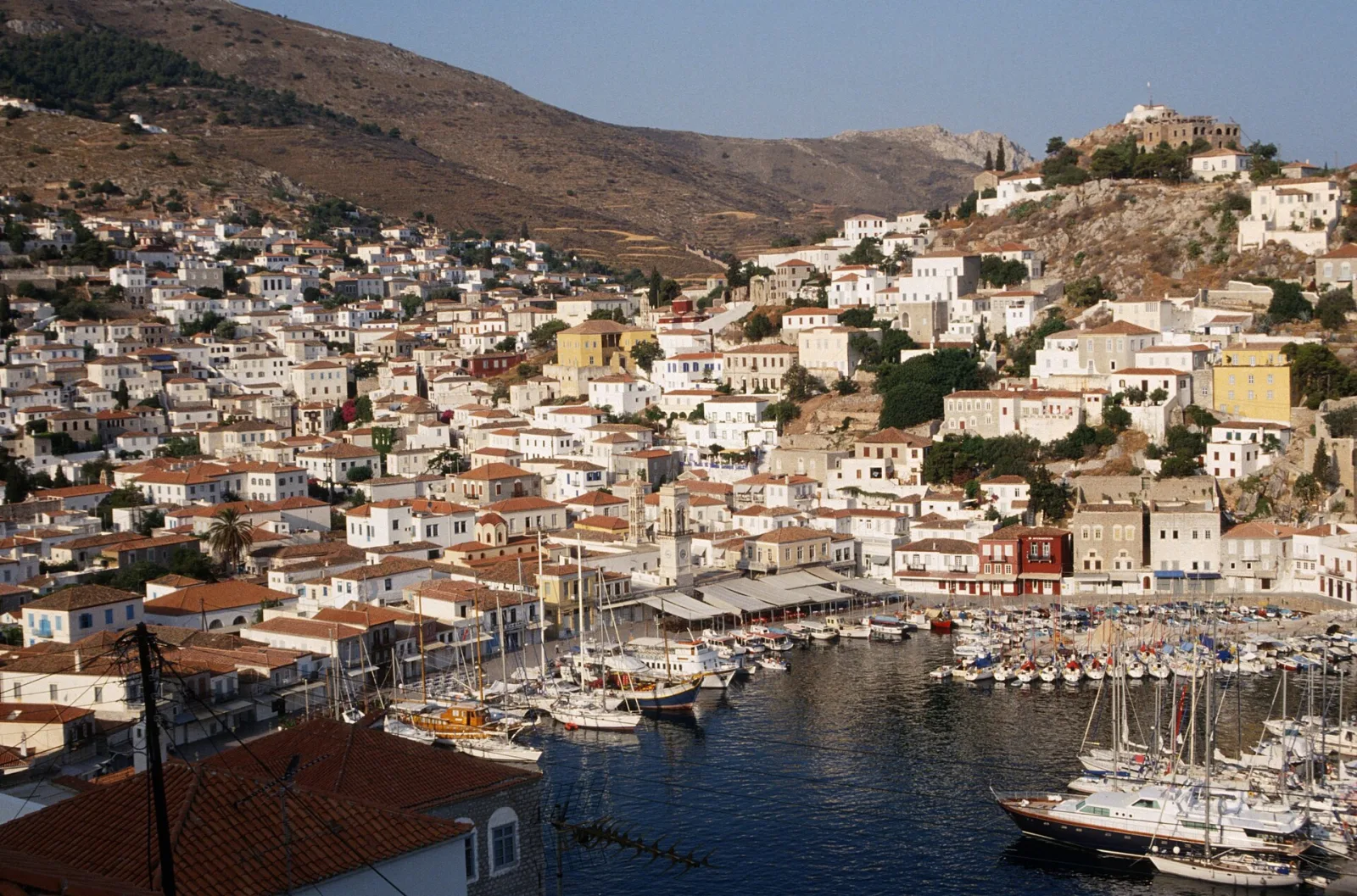
Top Things to Do in Hydra
Hydra is a car-free island of grey-stone mansions and quiet coves, reached in under two hours from Athens. Here is how to make the most of a visit.

Meteora in 3 Days: The Perfect Itinerary
Giant sandstone pillars, Byzantine monasteries and some of Greece's best sunsets make Meteora a destination worth three full days. Here is how to spend them well.
