


What to Eat in Chios: A Local Food Guide
Chios offers a culinary journey defined by its unique mastic resin and a deep-rooted tradition of Aegean cooking. Explore the flavors of this island through its local ingredients and historic recipes.
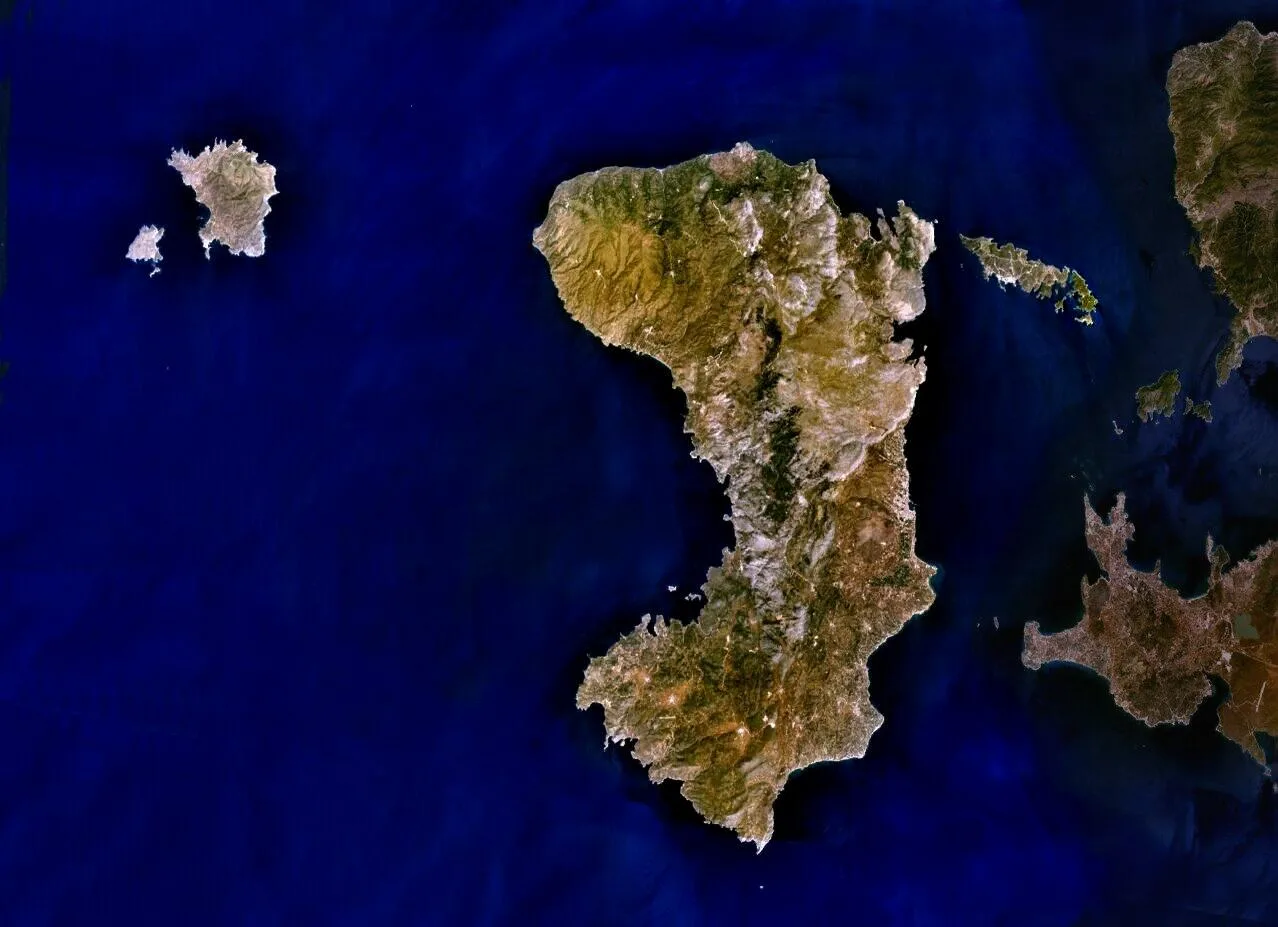
The Unique Taste of Mastic
Chios is world-renowned for its mastic, a natural resin harvested from the mastic trees found exclusively in the southern part of the island. This 'tears of Chios' ingredient is not just a curiosity; it is a fundamental part of the local diet. Travelers will find mastic incorporated into a wide variety of products, ranging from sweet treats to savory dishes. The most common way to experience it is through 'ypovrychio,' a traditional spoon sweet served on a spoon submerged in a glass of cold water. It has a distinct, pine-like aroma that defines the sensory experience of the island.
Traditional Sweets and Pastries
Beyond mastic, Chios has a long history of confectionery. The island is famous for its spoon sweets, known as 'glyka tou koutaliou,' made from seasonal fruits, nuts, and vegetables preserved in syrup. Look for spoon sweets made from bitter orange, rose petals, or even small aubergines. Another staple is 'mastouria,' a local biscuit often flavored with mastic, which pairs perfectly with Greek coffee. In the villages, you may also encounter 'xerotigana,' thin, fried dough strips drizzled with honey, which are frequently prepared for local festivals and celebrations.
Savory Flavors and Local Produce
The culinary landscape of Chios is heavily influenced by the fertile soil of the Kambos area, which is famous for its citrus groves. Fresh mandarins from Chios are highly prized for their intense aroma and are used in everything from salads to desserts. When dining in local tavernas, look for dishes featuring 'kopanisti,' a spicy, tangy cheese spread that is a staple of Aegean meze culture. It is often served alongside warm, crusty bread or toasted rusks.

Seafood is naturally a cornerstone of the Chios diet. Given the island's geography, fresh catch is available daily. Grilled octopus, squid, and various white fish are common, often seasoned simply with olive oil, lemon, and local herbs. For a more substantial meal, look for 'sfougato,' a hearty vegetable omelet often made with courgettes, local cheeses, and fresh herbs. This dish highlights the simplicity and freshness of Chios produce.
Dining in the Villages
The architecture of Chios, particularly in the southern mastic villages like Mesta and Pyrgi, creates a unique atmosphere for dining. Eating in the central squares of these fortified, medieval-style villages offers a glimpse into local life. In Mesta, the maze-like stone alleys lead to small tavernas where the menu often focuses on traditional slow-cooked meat dishes, such as lamb with wild greens or goat stew. In Pyrgi, famous for its intricate 'xysta' geometric wall carvings, you can find traditional cafes serving local coffee and small plates that reflect the agricultural heritage of the surrounding mastic groves.
The Mastic Museum Experience
While exploring the history of the island, a visit to the Mastic Museum provides essential context for the local food culture. Understanding the labor-intensive process of harvesting the resin makes the experience of tasting mastic-infused products much more meaningful. The museum grounds often feature a cafe where you can sample various mastic-based refreshments, providing a convenient way to taste the product in its place of origin.
Practical Tips for Food Lovers
- Always ask for the 'catch of the day' in coastal tavernas rather than relying solely on the printed menu.
- When visiting the southern villages, plan to stop at local cooperatives where you can purchase authentic mastic, spoon sweets, and local liqueurs directly from the producers.
- Check locally for seasonal food festivals, as these provide the best opportunity to taste homemade dishes that are not always available in commercial restaurants.
- Rent a car to reach the more secluded tavernas in the northern part of the island, where the cuisine can be more rustic and focused on mountain herbs and locally raised meats.
- Remember that Greek meze culture is meant to be shared; ordering several small plates for the table is the best way to sample a variety of local flavors in a single sitting.
Plan your trip to Chios
Compare prices with KAYAKYou'll be taken to KAYAK to compare prices. We may earn a commission at no extra cost to you.
Plan your trip to Chios
🏨Find hotels on Booking.comBooking.comAffiliate links — we may earn a small commission.
Deals from our travel partners
 PAOK Thessaloniki vs Balkan Botevgrad Tickets - PAOK Arena, 2027-01-13Sports Events 365 · from 102 EUR
Olympiacos Pireus vs Paris Basketball Tickets - Peace & Friendship Stadium, 2027-01-15Sports Events 365 · from 130 EUR
Aris Thessaloniki vs Rigas Zelli Tickets - Nick Galis Hall, 2026-11-11Sports Events 365 · from 102 EUR
Aris Thessaloniki vs Rostock Tickets - Nick Galis Hall, 2026-12-22Sports Events 365 · from 102 EUR
PAOK Thessaloniki vs Balkan Botevgrad Tickets - PAOK Arena, 2027-01-13Sports Events 365 · from 102 EUR
Olympiacos Pireus vs Paris Basketball Tickets - Peace & Friendship Stadium, 2027-01-15Sports Events 365 · from 130 EUR
Aris Thessaloniki vs Rigas Zelli Tickets - Nick Galis Hall, 2026-11-11Sports Events 365 · from 102 EUR
Aris Thessaloniki vs Rostock Tickets - Nick Galis Hall, 2026-12-22Sports Events 365 · from 102 EUR
Affiliate links — we may earn a commission at no extra cost to you.
Related guides
Top Things to Do in Chios
Chios is the only place on earth that produces mastic resin, and its villages, monasteries and beaches make it one of the most rewarding islands in the North Aegean.

What to Eat in Ithaca: A Local Food Guide
Ithaca offers a culinary landscape defined by the Ionian Sea and its rugged, mountainous terrain. Discover the local specialties that make every meal a tribute to the island's heritage.

What to Eat in Chania: A Local Food Guide
Chania offers a rich culinary landscape defined by fresh Cretan ingredients, ancient olive oil traditions, and vibrant local markets. This guide explores the must-try dishes that define the region's unique gastronomy.
