


What to Eat in Crete: A Local Food Guide
Cretan food is defined by its rugged landscape, ancient traditions, and an abundance of high-quality local ingredients. Explore the essential flavors of this Mediterranean culinary powerhouse.
The Foundation of Cretan Cuisine
Cretan cooking is distinct within the broader Greek culinary landscape. It is deeply rooted in the island's geography, ranging from the high, snow-capped peaks of the White Mountains to the fertile valleys and the surrounding Mediterranean Sea. The diet is famously healthy, relying heavily on extra virgin olive oil, wild-harvested herbs, legumes, and seasonal produce. When dining in Crete, look for tavernas that emphasize 'farm-to-table' practices, as the island takes great pride in its local agricultural heritage.
Essential Cretan Dishes
To eat like a local, you must look beyond the standard tourist menus. Start your meal with dakos, sometimes called koukouvagia. This is a hearty rusks made from barley, softened slightly with water or olive oil, topped with grated fresh tomato, creamy mizithra cheese, and a generous drizzle of high-quality olive oil. It is a perfect example of how simple, rustic ingredients create a complex flavor profile.
For a main course, look for gamopilafo. Traditionally a wedding dish, this is a rich, creamy risotto-style rice cooked in a robust goat or lamb broth and finished with a touch of lemon and local butter. It is comfort food at its finest. If you prefer vegetables, seek out kalitsounia. These are small, handmade pies that can be either savory or sweet. The savory versions are typically filled with fresh Cretan greens or wild herbs like fennel and dill, while the sweet versions often contain soft cheese and are drizzled with local thyme honey.

Mountain Flavors and Wild Greens
The interior of the island, particularly the regions near the Samaria Gorge and the mountain villages, offers a different culinary experience. Here, you will find an emphasis on slow-cooked meats. Antikristo is a traditional method of roasting lamb or goat over an open fire, where the meat is placed on skewers surrounding the flames rather than directly above them. This technique ensures the meat remains incredibly tender. Accompany your meat dishes with horta—a variety of wild, seasonal greens boiled and served with lemon and olive oil. These greens are a staple of the Cretan diet and vary depending on the season.
Cheeses and Sweets
Crete produces an impressive array of cheeses that are rarely exported. Beyond the ubiquitous feta, look for graviera, a hard, slightly sweet cheese that pairs beautifully with local honey. Anthotyro, a fresh, soft cheese, is also widely used in both salads and pastries. For dessert, do not miss sfakianopita, a thin, pancake-like pie from the Sfakia region filled with cheese and served with honey. It is warm, sweet, and savory all at once.
The Ritual of Raki
No meal in Crete is complete without a small glass of tsikoudia, or raki. This is a potent grape-based pomace brandy that serves as the island’s social lubricant and digestive aid. It is almost always offered for free at the end of a meal, often accompanied by a small plate of seasonal fruit or a local sweet. Accept it graciously, as it is a sign of hospitality.
Practical Tips for Dining in Crete
- Eat seasonally: Cretan menus change with the harvest. If you are there in the spring, look for fresh artichokes and broad beans; in the autumn, seek out dishes featuring chestnuts and wild mushrooms.
- Choose the right taverna: The best food is often found in small, family-run tavernas in mountain villages or backstreets away from the main Venetian harbours. If a menu is five pages long and features photos of the food, it is likely not the most authentic choice.
- Ask for the daily specials: Many of the best dishes are not on the printed menu. Ask your server what is fresh today or what the chef has prepared in the oven.
- Check locally: Always check locally for the best times to visit specific markets or seasonal food festivals.
- Tipping: While service is usually included in the bill, leaving a small tip is appreciated for good service.
Plan your trip to Chania
Compare prices with KAYAKYou'll be taken to KAYAK to compare prices. We may earn a commission at no extra cost to you.
Plan your trip to Chania
🏨Find hotels on Booking.comBooking.comAffiliate links — we may earn a small commission.
Deals from our travel partners
 Olympiacos Pireus vs Zalgiris Kaunas Tickets - Peace & Friendship Stadium, 2027-04-09Sports Events 365 · from 120 EUR
Aris Thessaloniki vs Rigas Zelli Tickets - Nick Galis Hall, 2026-11-11Sports Events 365 · from 102 EUR
PAOK Thessaloniki vs Bosna BH Telecom Tickets - PAOK Arena, 2026-12-08Sports Events 365 · from 102 EUR
Olympiacos Pireus vs Besiktas JK Tickets - Peace & Friendship Stadium, 2027-03-12Sports Events 365 · from 130 EUR
Olympiacos Pireus vs Zalgiris Kaunas Tickets - Peace & Friendship Stadium, 2027-04-09Sports Events 365 · from 120 EUR
Aris Thessaloniki vs Rigas Zelli Tickets - Nick Galis Hall, 2026-11-11Sports Events 365 · from 102 EUR
PAOK Thessaloniki vs Bosna BH Telecom Tickets - PAOK Arena, 2026-12-08Sports Events 365 · from 102 EUR
Olympiacos Pireus vs Besiktas JK Tickets - Peace & Friendship Stadium, 2027-03-12Sports Events 365 · from 130 EUR
Affiliate links — we may earn a commission at no extra cost to you.
Related guides

Top Things to Do in Karpathos
Rugged, unhurried and full of character, Karpathos rewards travellers who venture beyond the port. Here are the experiences worth planning your days around.
Top Things to Do in Agios Nikolaos
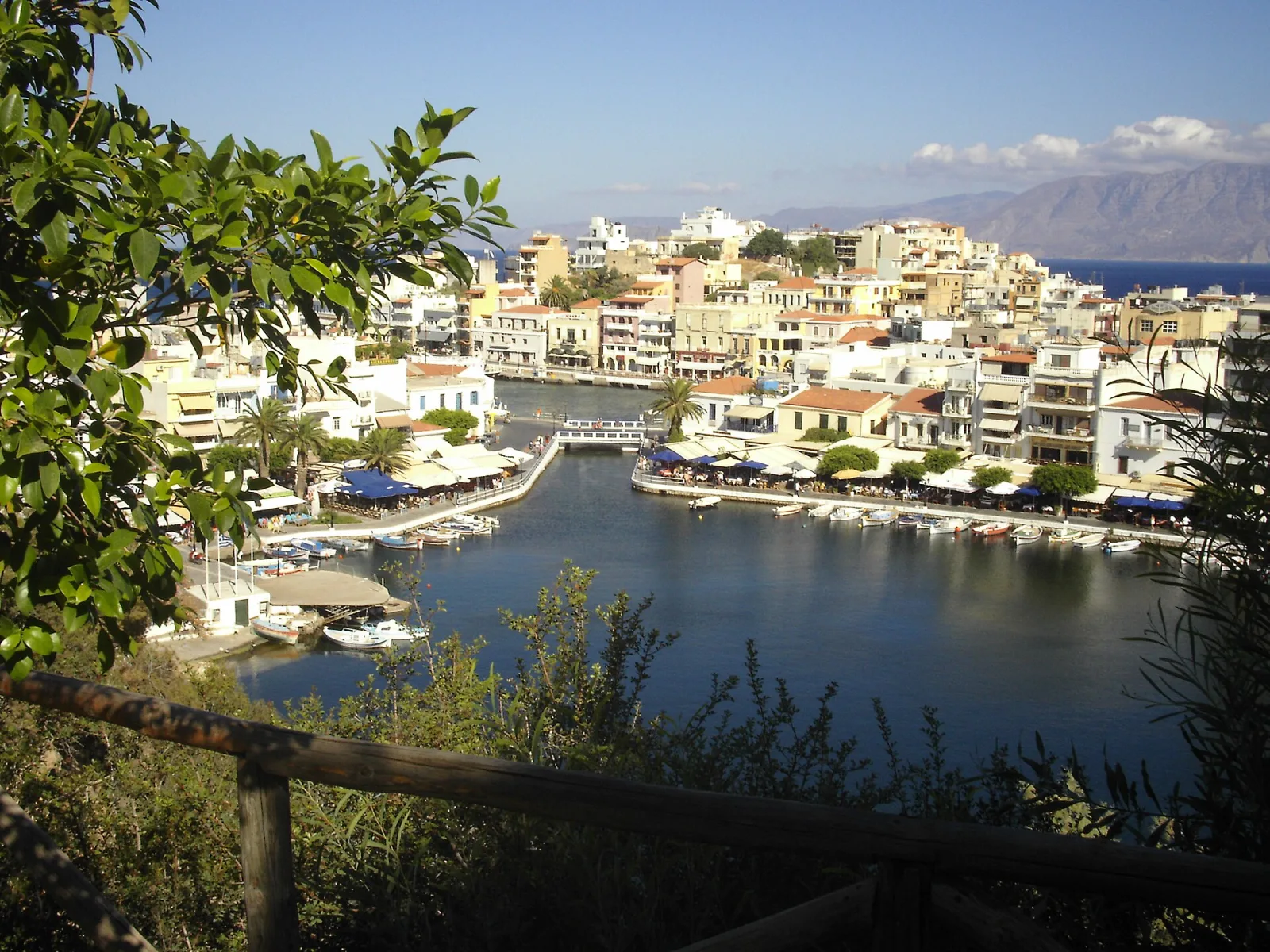
Agios Nikolaos is one of Crete's most appealing seaside towns, built around a small lake and within easy reach of Spinalonga, Elounda and the mountains.
Top Things to Do in Chania
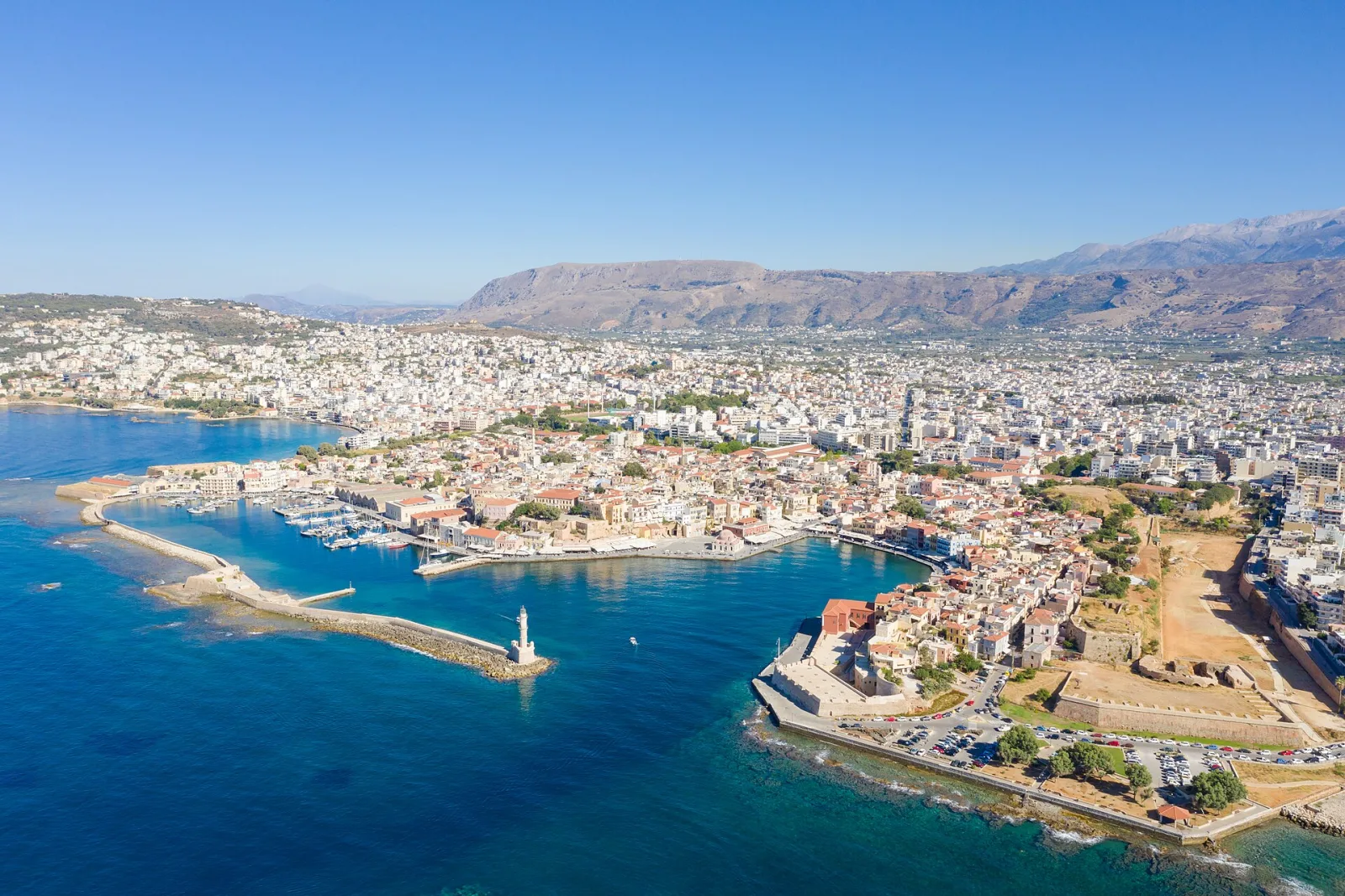
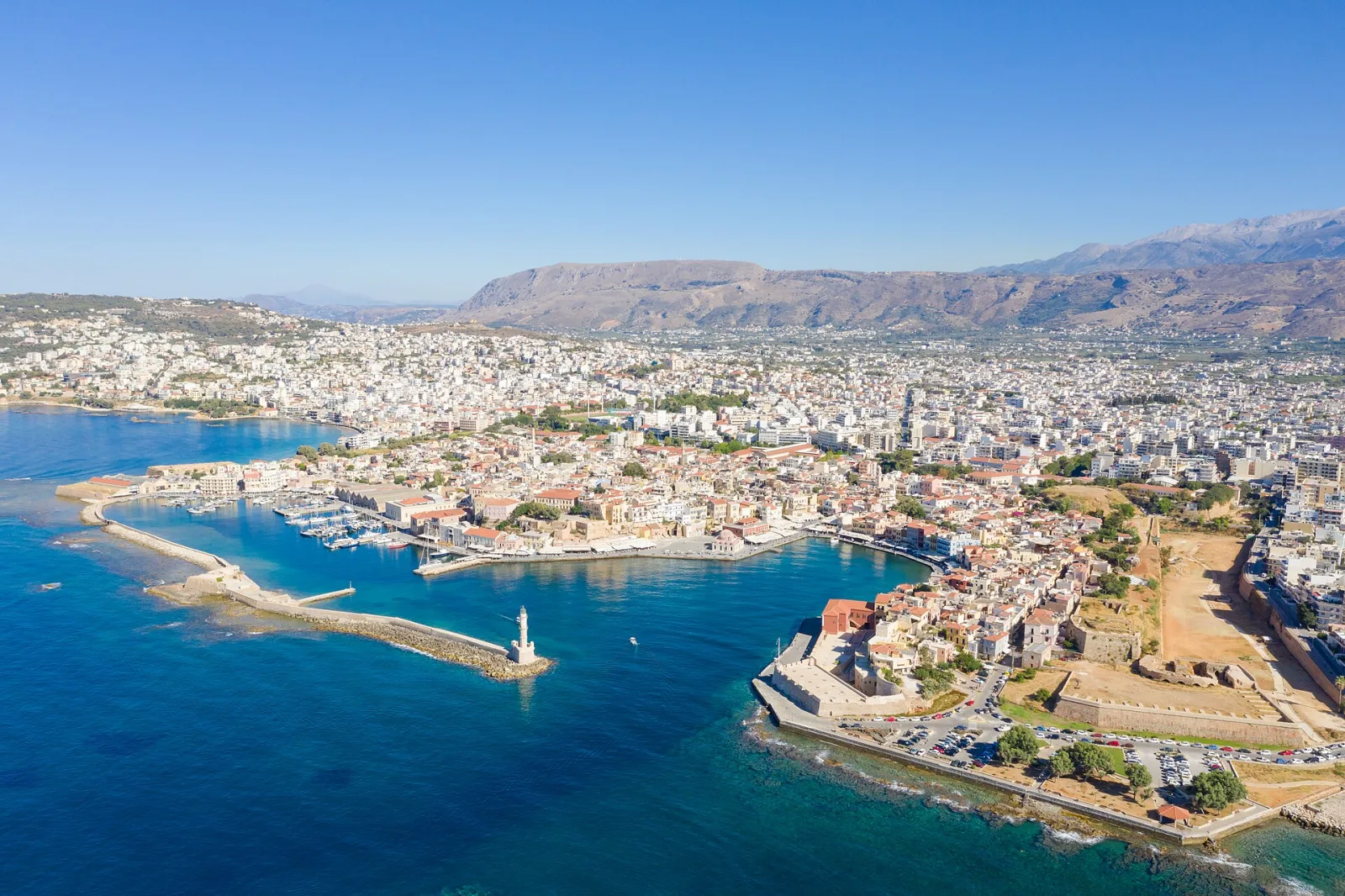
Chania is Crete's most atmospheric town, with a Venetian harbour, a lighthouse and a maze of old lanes. Here is how to make the most of it, from the town itself to the island's famous beaches.
