


What to Eat in Folegandros: A Local Food Guide
Folegandros offers a rustic and authentic culinary landscape, defined by traditional recipes and ingredients grown on its rugged, windswept terrain.
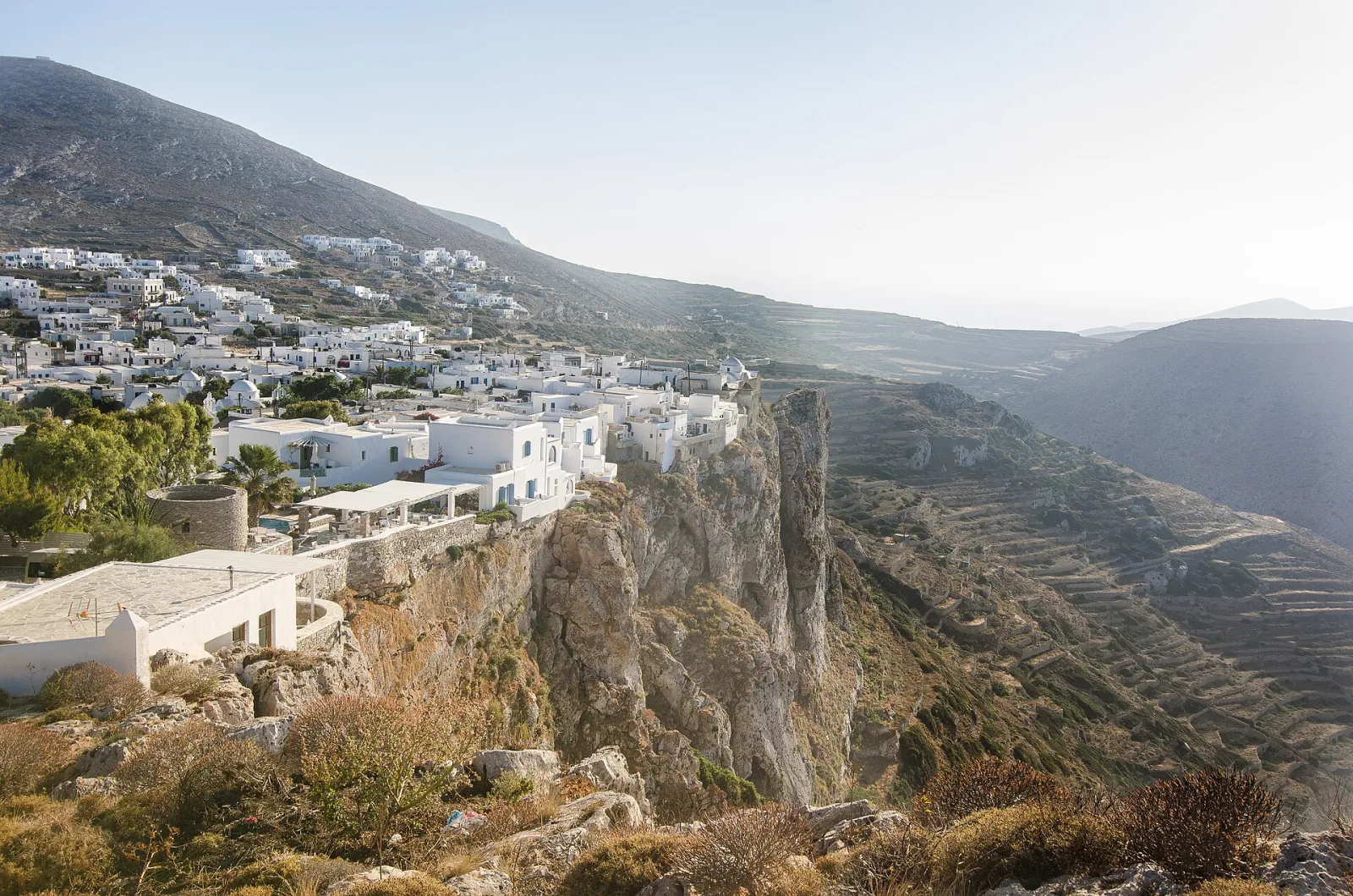
The Culinary Character of Folegandros
Folegandros is an island that rewards the patient traveler. Its rugged, cliff-top landscape and traditional Cycladic architecture are matched by a food culture that remains deeply rooted in the island’s history. Unlike more commercialized islands, the dining scene here focuses on simple, high-quality ingredients, often sourced from the small farms and gardens that dot the interior and the village of Ano Meria.
The island’s cuisine is defined by its isolation and the necessity of using what the land provides. You will find that most menus feature hearty, rustic dishes that reflect the life of a farming and fishing community. Eating here is not about elaborate plating, but about the freshness of goat meat, the tang of local cheeses, and the handmade texture of traditional pasta.
The Signature Dish: Matsata
If there is one dish that defines Folegandros, it is Matsata. This is a handmade, fresh pasta that is traditionally kneaded and cut into strips by hand. You will find it served in almost every traditional taverna across the island. The pasta is typically paired with slow-cooked rooster or rabbit in a rich, tomato-based red sauce, though lamb is also a common accompaniment.

The secret to great Matsata is the technique of the dough, which is rolled thin and cut into long, irregular ribbons. When cooked properly, it maintains a slight chewiness that holds the sauce perfectly. It is a quintessential comfort food, best enjoyed in the open-air squares of the Chora, where the evening breeze makes the hearty meal feel just right.
Local Specialties and Ingredients
Beyond the famous pasta, Folegandros produces a variety of unique ingredients that you should look for on menus:
- Kalitsounia: While these are found throughout the Cyclades, the Folegandros version often features local mizithra cheese and wild herbs, sometimes served with a drizzle of honey.
- Karpouzenia: This is a traditional dessert specific to the island. It is a watermelon pie made with watermelon, honey, sesame seeds, and cinnamon. It is surprisingly light and highlights the island's ability to turn simple local produce into something memorable.
- Goat and Lamb: Because the island is rocky and mountainous, goat and lamb are the primary meats. Look for dishes involving oven-roasted goat with potatoes or lemon-infused lamb, which are staples of Sunday lunches and festive gatherings.
- Local Cheeses: The island’s cheese production is modest but excellent. Ask for the local soft cheese, often used as a table appetizer or crumbled over salads. It has a sharp, slightly salty profile that pairs well with the local house wine.
- Capers and Wild Herbs: You will notice capers growing wild along the stone walls and cliff paths. They are a fundamental part of the island’s salads and sauces, adding a necessary burst of acidity to the rich meat dishes.
Where to Experience the Food
The Chora is the heart of the island’s social and culinary life. With its network of interconnected squares, it provides a unique dining atmosphere where tables are set out under the shade of trees or in the open air. In the evenings, the squares fill with the sound of chatter and clinking glasses, creating an authentic environment for sampling local wine and meze.
For a more quiet, rural experience, head to the village of Ano Meria. This village is arguably the most traditional on the island, and it is here that you will find tavernas that focus on the most authentic, farm-to-table preparations of Matsata. Many of these establishments maintain their own small gardens, ensuring that the vegetables in your salad were picked just hours before.
If you spend a day at Katergo beach, which is accessible by boat, bring your own water and snacks, as there are no facilities on the shore. Plan to return to the port of Karavostasis or the Chora for your main meal, where the fresh catch of the day is often available, depending on the weather and the local fishing fleet.
Practical Tips for Dining
- Reservations: During the peak summer months, the most popular tavernas in the Chora can get busy. It is always a good idea to check locally and see if a reservation is recommended for your preferred evening.
- House Wine: Most traditional tavernas serve local house wine, which is usually sourced from nearby islands or small local vineyards. It is generally very affordable and pairs perfectly with the rustic food.
- Seasonal Availability: Folegandros is a seasonal destination. While the Chora remains lively, some of the more remote tavernas in Ano Meria may have limited hours outside of the main summer season. Always check locally for current operating times.
- Water: Because the island is arid, water is a precious resource. Be mindful of this throughout your stay.
- Transport: While the Chora is walkable, if you plan to explore the tavernas in Ano Meria or other parts of the island, check locally for bus schedules or consider renting a vehicle, as the terrain is hilly and distances can be deceptive.
Plan your trip to Athens
Compare prices with KAYAKYou'll be taken to KAYAK to compare prices. We may earn a commission at no extra cost to you.
Plan your trip to Athens
🏨Find hotels on Booking.comBooking.comAffiliate links — we may earn a small commission.
Deals from our travel partners
 Flights from Athens to BarcelonaAir Serbia · from 192 EUR
 Flights from Athens to TivatAir Serbia · from 440 EUR
 Flights from Athens to BelgradeAir Serbia · from 594 EUR
 Flights from Athens to MunichAir Serbia · from 417 EUR
Affiliate links — we may earn a commission at no extra cost to you.
Related guides
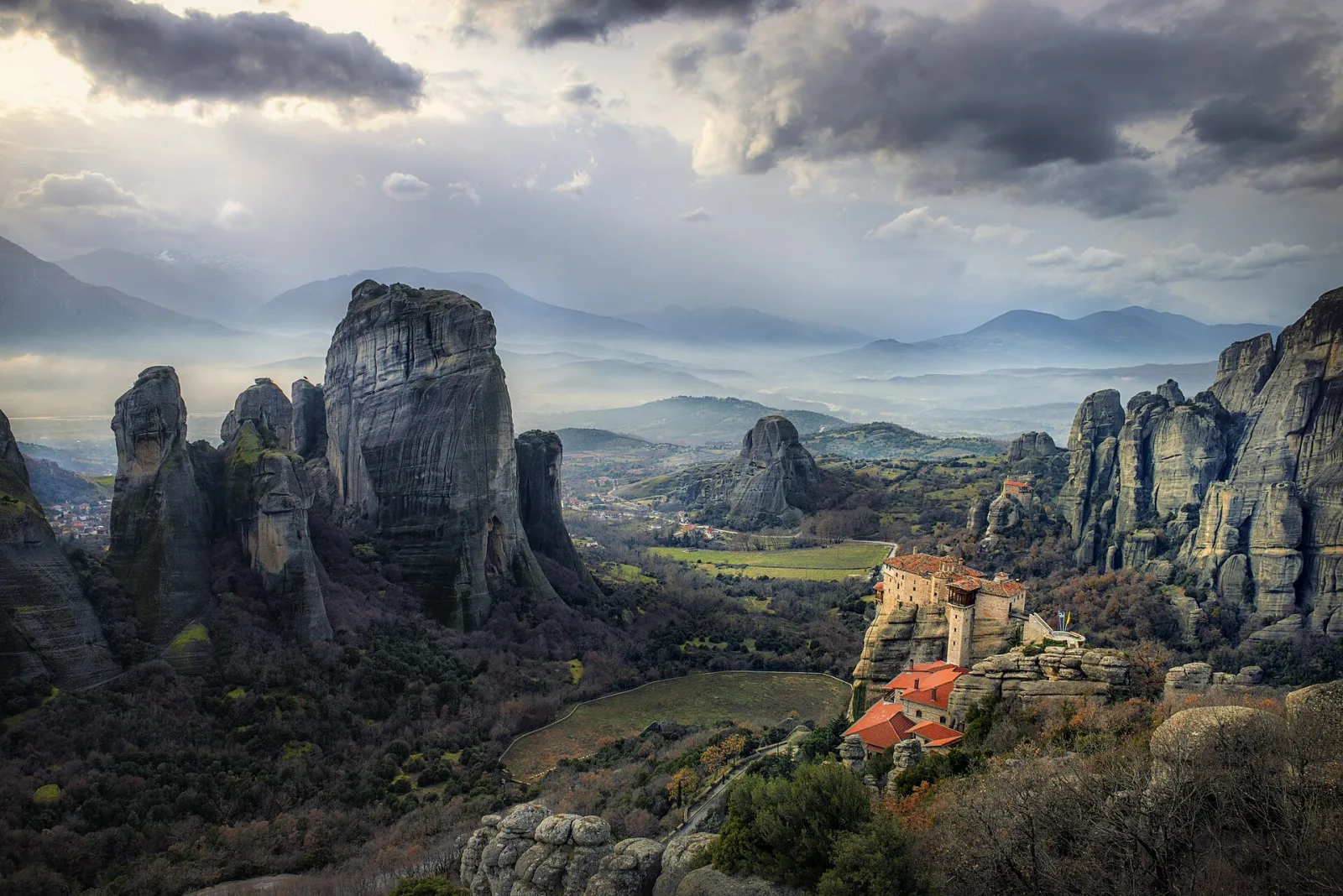
Meteora in 3 Days: The Perfect Itinerary
Giant sandstone pillars, Byzantine monasteries and some of Greece's best sunsets make Meteora a destination worth three full days. Here is how to spend them well.
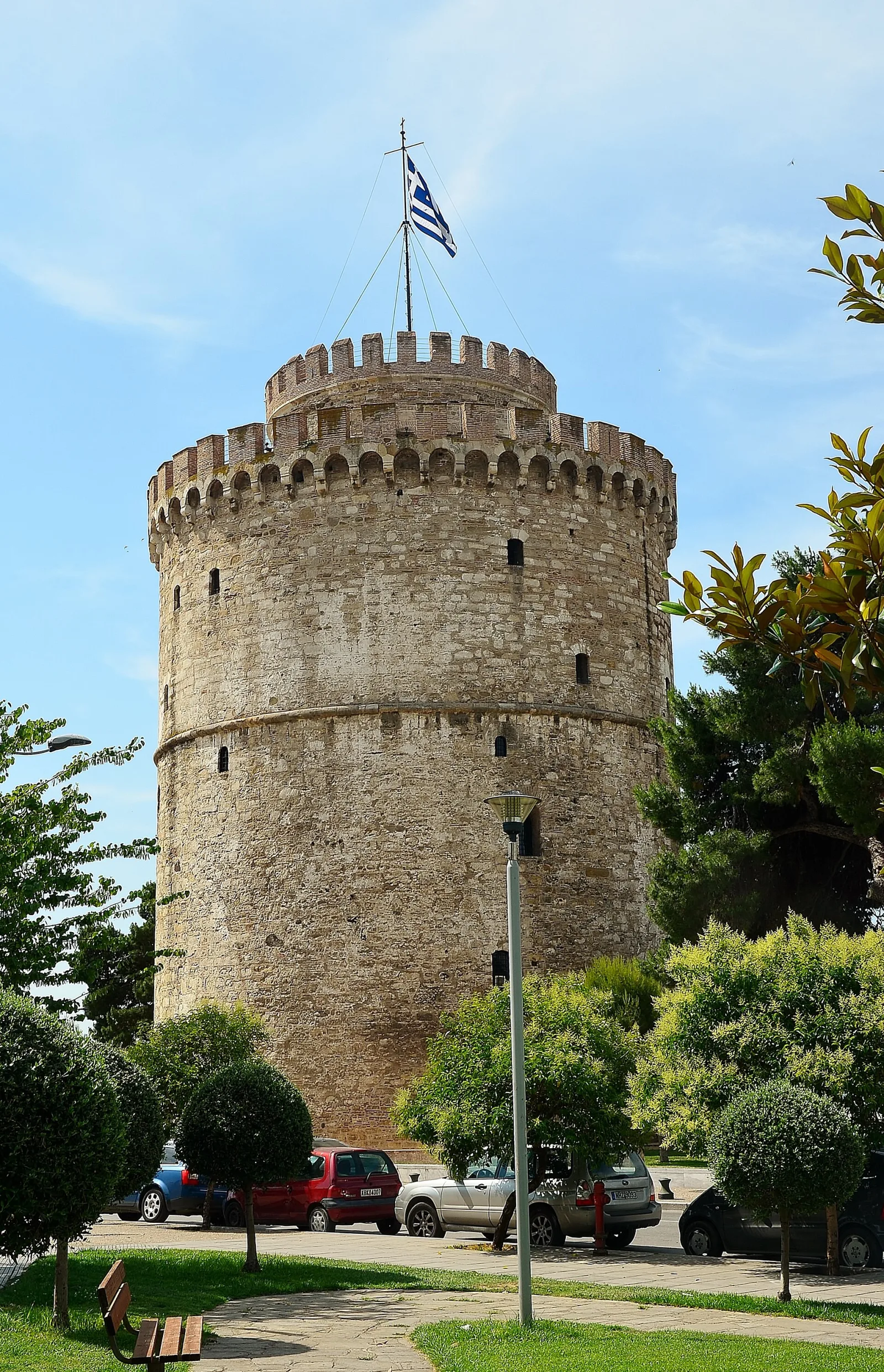
Thessaloniki in 3 Days: The Perfect Itinerary
Thessaloniki rewards slow exploring. This three-day plan covers Roman and Byzantine monuments, the waterfront, old-town lanes and the city's famously good food.
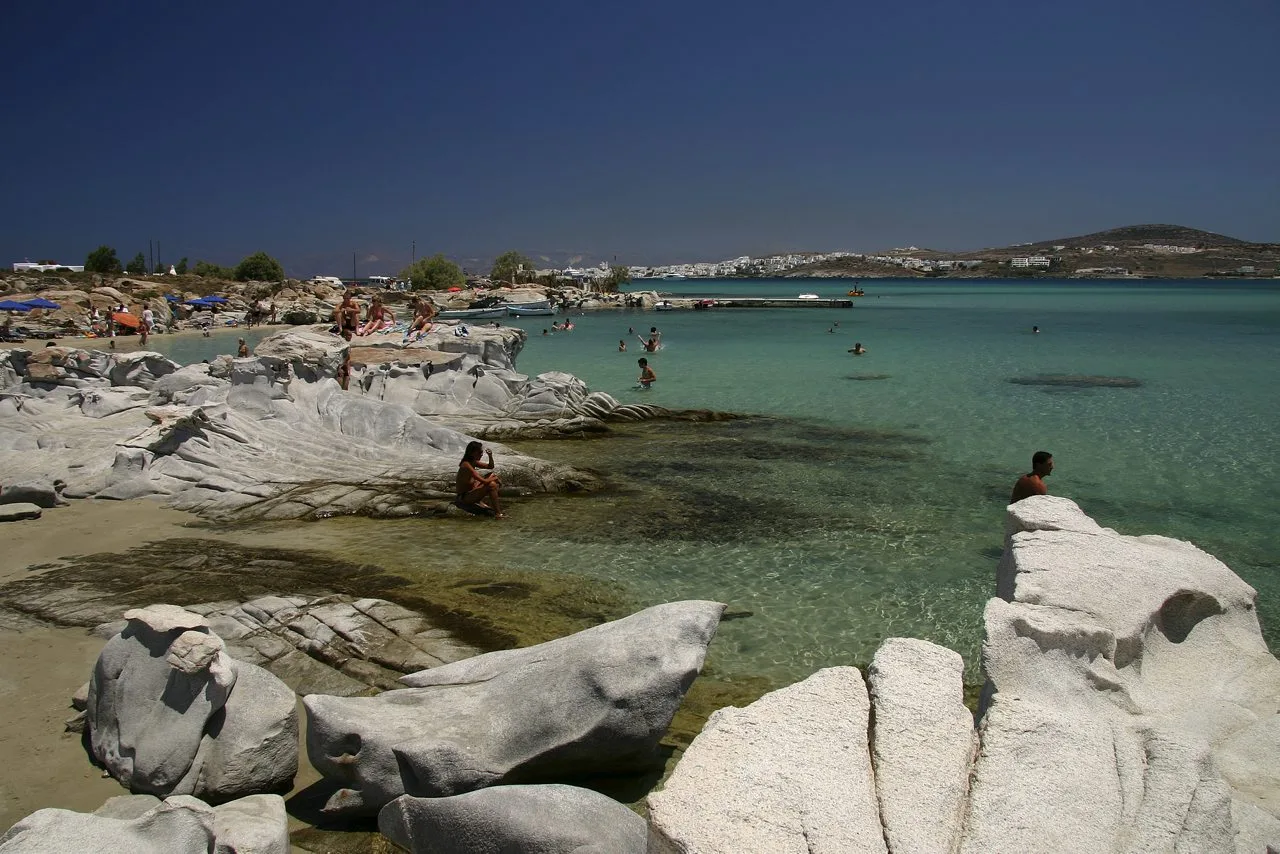
Top Things to Do in Paros
From whitewashed harbours and Venetian forts to sculpted rock beaches and mountain villages, Paros rewards travellers who look beyond the postcard. Here are the experiences worth planning around.
