


What to Eat in Halkidiki: A Local Food Guide
Halkidiki offers a rich culinary tradition defined by the bounty of the Aegean Sea and the fertile plains of Macedonia. This guide navigates the best local flavors across its three scenic peninsulas.
The Culinary Identity of Halkidiki
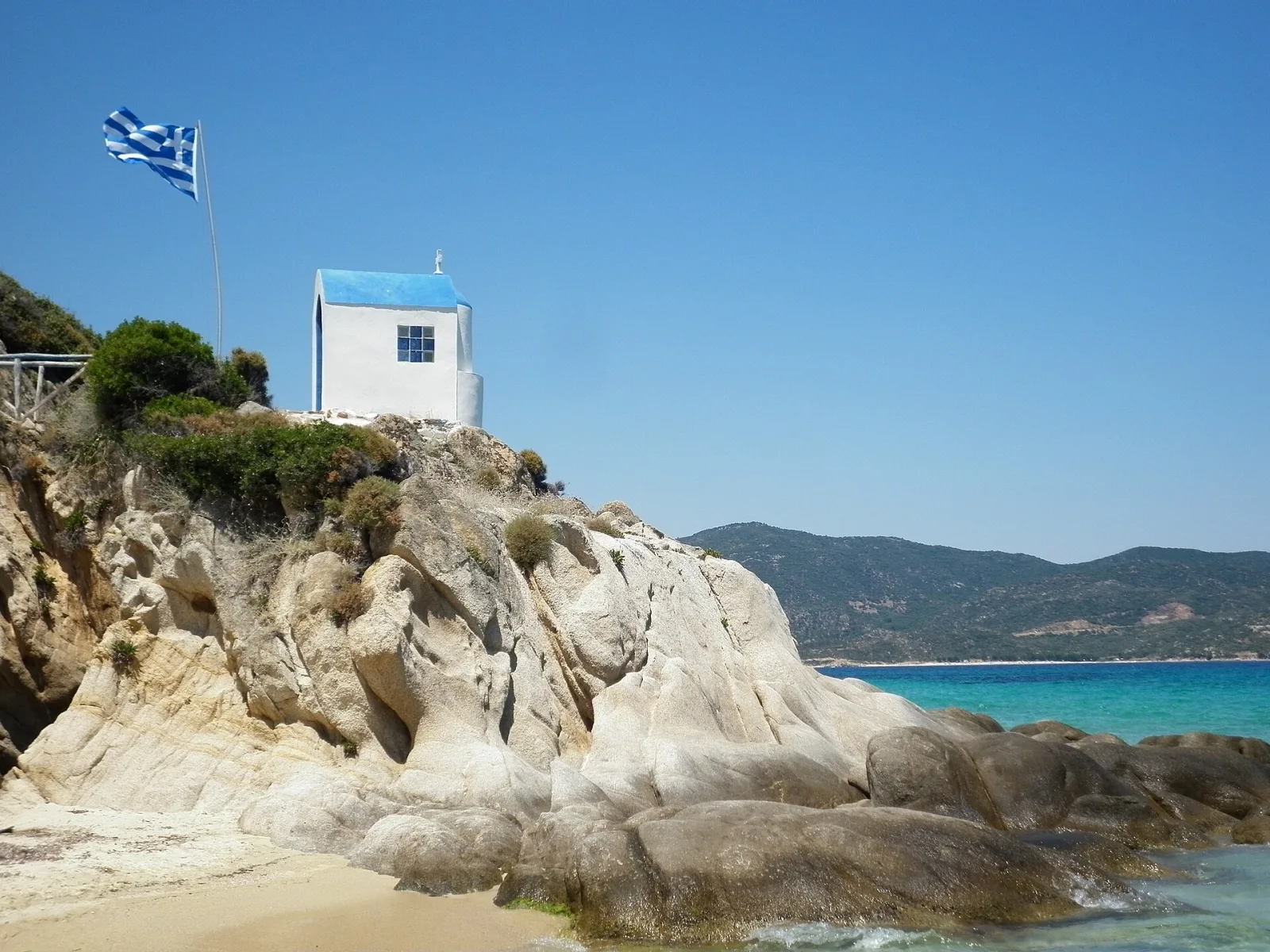
Halkidiki is more than just a summer playground of pine-fringed beaches and turquoise waters; it is a region with a deep-rooted connection to the land and sea. Because of its geography—stretching out into the Aegean in three distinct peninsulas—the local diet is heavily influenced by Mediterranean traditions, yet it retains a distinct Macedonian character. The proximity to Thessaloniki, Greece's gastronomic capital, ensures that the quality of ingredients found in local tavernas is consistently high, blending rustic mountain flavors with the freshest catch of the day.
The Treasures of the Sea
Given the extensive coastline of Kassandra, Sithonia, and the Athos peninsula, seafood is the protagonist of any meal here. In coastal villages like Nikiti and Neos Marmaras, the daily ritual involves visiting a seaside taverna to choose from the morning's haul. Look for grilled octopus, often hung to dry in the sun to concentrate its flavor before being charred over charcoal. Another staple is the 'gavros marinatos' (marinated anchovies), a perfect light starter to accompany a glass of chilled ouzo or local white wine.
For those visiting the quieter coves of Sithonia, such as those near Kavourotrypes, seek out small, family-run establishments that serve 'psarosoupa' (fish soup). Unlike the clear broths found elsewhere, the version here is often rich and velvety, thickened with potatoes, carrots, and celery, and finished with a generous drizzle of local olive oil.

Land-Based Delicacies
While the sea provides the main course, the inland regions of Halkidiki contribute essential ingredients that define the local palate. The region is famous for its olive groves, producing the renowned Halkidiki green olive. These are large, fleshy, and often served as an appetizer, sometimes stuffed with almonds, peppers, or garlic. You will also find that local honey is a point of pride; the pine forests of the peninsulas produce a thick, aromatic honey that is frequently used in breakfast spreads or to glaze local cheeses.
When dining in the more traditional mountain villages or inland tavernas, look for dishes featuring goat or lamb. Slow-roasted in wood-fired ovens, these meats are often paired with 'hilopites' (handmade egg noodles) or seasonal vegetables. The influence of refugees from Asia Minor, who settled in the wider Macedonia region, has also left a mark on the local cuisine, introducing spices and techniques that add depth to traditional Greek recipes.
Dining Experiences Across the Peninsulas
Each peninsula offers a slightly different dining atmosphere. Kassandra, with its lively resorts, is the place to find modern takes on Greek classics, where chefs experiment with local seafood and international techniques. Sithonia, by contrast, feels more grounded and traditional; it is here that you will find the most authentic taverna experiences, often set directly on the sand under the shade of tamarisk trees. Near Ouranoupoli, the proximity to Mount Athos introduces a monastic influence, where simple, pure ingredients are elevated by careful preparation.
Practical Tips for Food Lovers
- Look for the Daily Catch: Always ask the server what was caught that morning rather than relying solely on the printed menu.
- Timing is Everything: Greeks dine late. For the most authentic atmosphere, aim to arrive at a taverna after the early evening rush.
- Transportation: While KTEL buses connect major towns, renting a car is highly recommended if you want to explore the smaller, more remote seaside villages where the best hidden tavernas are often located.
- Check Locally: Always verify current operating status for seasonal restaurants, as many smaller establishments in the villages operate primarily during the peak summer months.
- Local Pairings: Ask for local wines from the wider Macedonia region, which has gained a strong reputation for its crisp white varieties that pair exceptionally well with local seafood.
Plan your trip to Halkidiki
Compare prices with KAYAKYou'll be taken to KAYAK to compare prices. We may earn a commission at no extra cost to you.
Plan your trip to Halkidiki
🏨Find hotels on Booking.comBooking.comAffiliate links — we may earn a small commission.
Deals from our travel partners
 Aris Thessaloniki vs Rigas Zelli Tickets - Nick Galis Hall, 2026-11-11Sports Events 365 · from 102 EUR
Aris Thessaloniki vs Rostock Tickets - Nick Galis Hall, 2026-12-22Sports Events 365 · from 102 EUR
PAOK Thessaloniki vs Balkan Botevgrad Tickets - PAOK Arena, 2027-01-13Sports Events 365 · from 102 EUR
Olympiacos Pireus vs Virtus Bologna Tickets - Peace & Friendship Stadium, 2027-03-26Sports Events 365 · from 120 EUR
Aris Thessaloniki vs Rigas Zelli Tickets - Nick Galis Hall, 2026-11-11Sports Events 365 · from 102 EUR
Aris Thessaloniki vs Rostock Tickets - Nick Galis Hall, 2026-12-22Sports Events 365 · from 102 EUR
PAOK Thessaloniki vs Balkan Botevgrad Tickets - PAOK Arena, 2027-01-13Sports Events 365 · from 102 EUR
Olympiacos Pireus vs Virtus Bologna Tickets - Peace & Friendship Stadium, 2027-03-26Sports Events 365 · from 120 EUR
Affiliate links — we may earn a commission at no extra cost to you.
Related guides

Top Things to Do in Mount Olympus
Greece's highest mountain rewards walkers with gorges, alpine trails and ancient sanctuaries. Here is how to make the most of a visit to Mount Olympus.

Top Things to Do in Kastoria
Kastoria rewards slow travellers with misty lake views, frescoed Byzantine churches and grand old mansions. Here is what to see and how to plan your visit.
Meteora in 3 Days: The Perfect Itinerary
Giant sandstone pillars, Byzantine monasteries and some of Greece's best sunsets make Meteora a destination worth three full days. Here is how to spend them well.
