


What to Eat in Kalamata: A Local Food Guide
Kalamata is more than just a famous olive variety; it is a culinary hub of the Peloponnese. This guide explores the essential local dishes and ingredients that define the Messinian table.
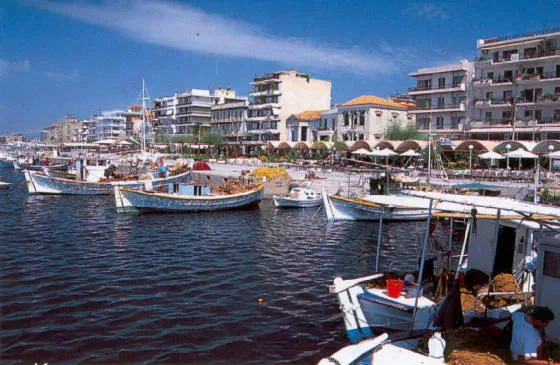
The Essence of Messinian Cuisine
Kalamata, the vibrant capital of Messinia, is synonymous with high-quality produce. While the city is globally recognized for its eponymous dark, almond-shaped olives, the local diet offers a much broader spectrum of flavors. Messinian cuisine is rooted in the Mediterranean tradition, emphasizing fresh seasonal vegetables, wild greens, high-quality legumes, and the region's liquid gold—extra virgin olive oil. Dining here is an unhurried affair, best enjoyed at a seaside taverna or within the shaded alleys of the old town.
The King of the Table: Olives and Olive Oil
You cannot visit Kalamata without appreciating the Koroneiki olive, which produces one of the most highly regarded extra virgin olive oils in the world. The local oil is characterized by its bright green color and robust, peppery finish. When dining, look for dishes dressed generously with local oil rather than butter or other fats. The Kalamata olive itself, usually harvested when fully ripe and preserved in brine and vinegar, is a staple appetizer. Many local eateries serve them alongside crusty, wood-fired bread, making for a perfect, simple start to any meal.
Must-Try Local Specialties
Beyond the olives, several dishes define the regional identity of Kalamata and the wider Messinia area:

- Sfela Cheese: Often called the 'cheese of the fire,' this semi-hard, brined cheese has a slightly salty and tangy taste. It is frequently served grilled or fried, often drizzled with a bit of lemon or honey, providing a savory balance to a glass of local wine.
- Gournopoula: This is perhaps the most famous local dish, consisting of slow-roasted pork. Traditionally cooked on a spit, the meat is prized for its incredibly crispy skin and tender, flavorful flesh. It is a celebratory dish, often found at markets and local festivals, usually served with a side of lemon and fresh bread.
- Lalagia: These are traditional, thin, dough-based strips fried until golden and crunchy. They are a versatile snack, eaten either as a savory accompaniment to cheese and olives or as a sweet treat when dusted with cinnamon and honey.
- Hilopites: These are traditional egg noodles, often served in a hearty tomato-based sauce with slow-cooked meat or simply tossed with a generous amount of local mizithra cheese. They represent the comfort food of the Peloponnese.
- Messinian Salad: While the classic Greek salad is ubiquitous, the Messinian version often incorporates local ingredients like sun-dried tomatoes, capers, and occasionally a soft cheese like anthotyro, elevating the standard recipe with a distinct regional flair.
Dining by the Sea and in the Old Town
The city offers two distinct dining environments: the bustling seafront promenade and the historic, atmospheric old town. The promenade is lined with tavernas and cafes where the sea breeze complements the meal. Here, you will find fresh catches from the Messinian Gulf, such as grilled octopus, calamari, and red mullet. Moving inland to the old town, the pace slows down. Under the shadow of the Frankish castle, you will find smaller, family-run establishments specializing in traditional stews and oven-baked dishes that have been passed down through generations. These spots are ideal for trying slow-cooked lamb with artichokes or seasonal wild greens gathered from the nearby Taygetos mountains.
Practical Tips for Food Lovers
- Embrace the Season: Always ask your server what is 'in season' or 'from the pot.' Greek tavernas often have daily specials that are not listed on the printed menu.
- Market Visits: Visit the local farmers' market to see the variety of produce firsthand. It is the best place to source high-quality olives, dried herbs, and honey to take home.
- Wine Pairing: Messinia is an emerging wine region. Look for labels featuring the local Moschofilero or Agiorgitiko varieties to pair with your meal.
- Reservations: During the height of the summer season, popular tavernas in the old town can get busy. Check locally if a reservation is recommended for your preferred evening.
- Tipping: While service is often included, it is customary to leave a small tip if you enjoyed the service, usually by rounding up the bill or leaving a modest amount in cash.
Plan your trip to Kalamata
Compare prices with KAYAKYou'll be taken to KAYAK to compare prices. We may earn a commission at no extra cost to you.
Plan your trip to Kalamata
🏨Find hotels on Booking.comBooking.comAffiliate links — we may earn a small commission.
Deals from our travel partners
 Aris Thessaloniki vs Rostock Tickets - Nick Galis Hall, 2026-12-22Sports Events 365 · from 102 EUR
PAOK Thessaloniki vs Balkan Botevgrad Tickets - PAOK Arena, 2027-01-13Sports Events 365 · from 102 EUR
PAOK Thessaloniki vs BC Lietkabelis Tickets - PAOK Arena, 2026-12-19Sports Events 365 · from 102 EUR
PAOK Thessaloniki vs Ratiopharm Ulm Tickets - PAOK Arena, 2026-10-21Sports Events 365 · from 102 EUR
Aris Thessaloniki vs Rostock Tickets - Nick Galis Hall, 2026-12-22Sports Events 365 · from 102 EUR
PAOK Thessaloniki vs Balkan Botevgrad Tickets - PAOK Arena, 2027-01-13Sports Events 365 · from 102 EUR
PAOK Thessaloniki vs BC Lietkabelis Tickets - PAOK Arena, 2026-12-19Sports Events 365 · from 102 EUR
PAOK Thessaloniki vs Ratiopharm Ulm Tickets - PAOK Arena, 2026-10-21Sports Events 365 · from 102 EUR
Affiliate links — we may earn a commission at no extra cost to you.
Related guides
Top Things to Do in Kalamata
Kalamata is a relaxed seaside city famous for its olives, with a charming old town, a hilltop castle and a long sandy beach. It also makes an ideal base for exploring Messinia and the Mani.
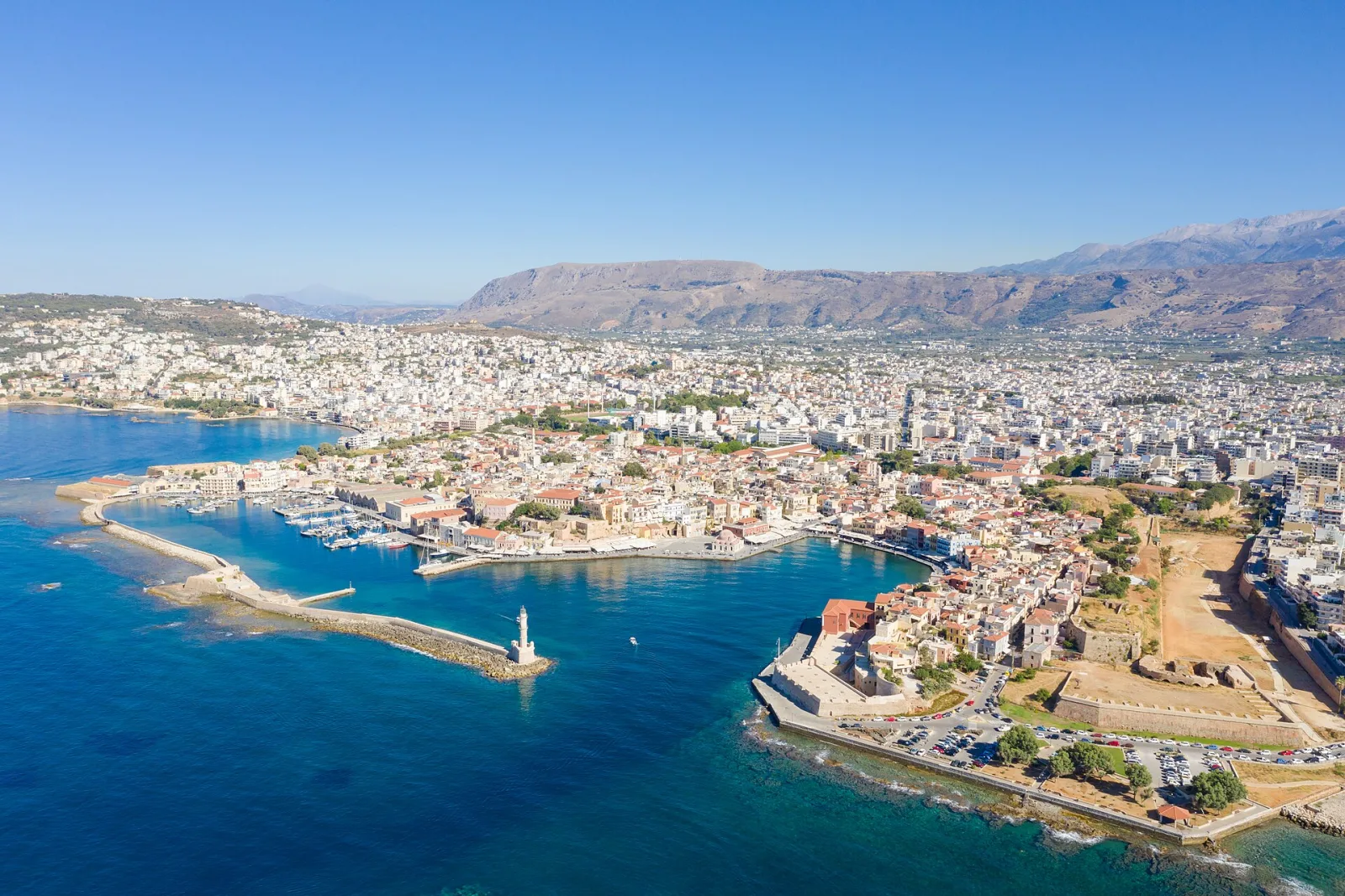
Olive Harvest Experiences in Greece
The Greek olive harvest is a time-honored tradition that defines the rhythm of rural life. Participating in the collection offers a profound connection to the land and its ancient agricultural heritage.
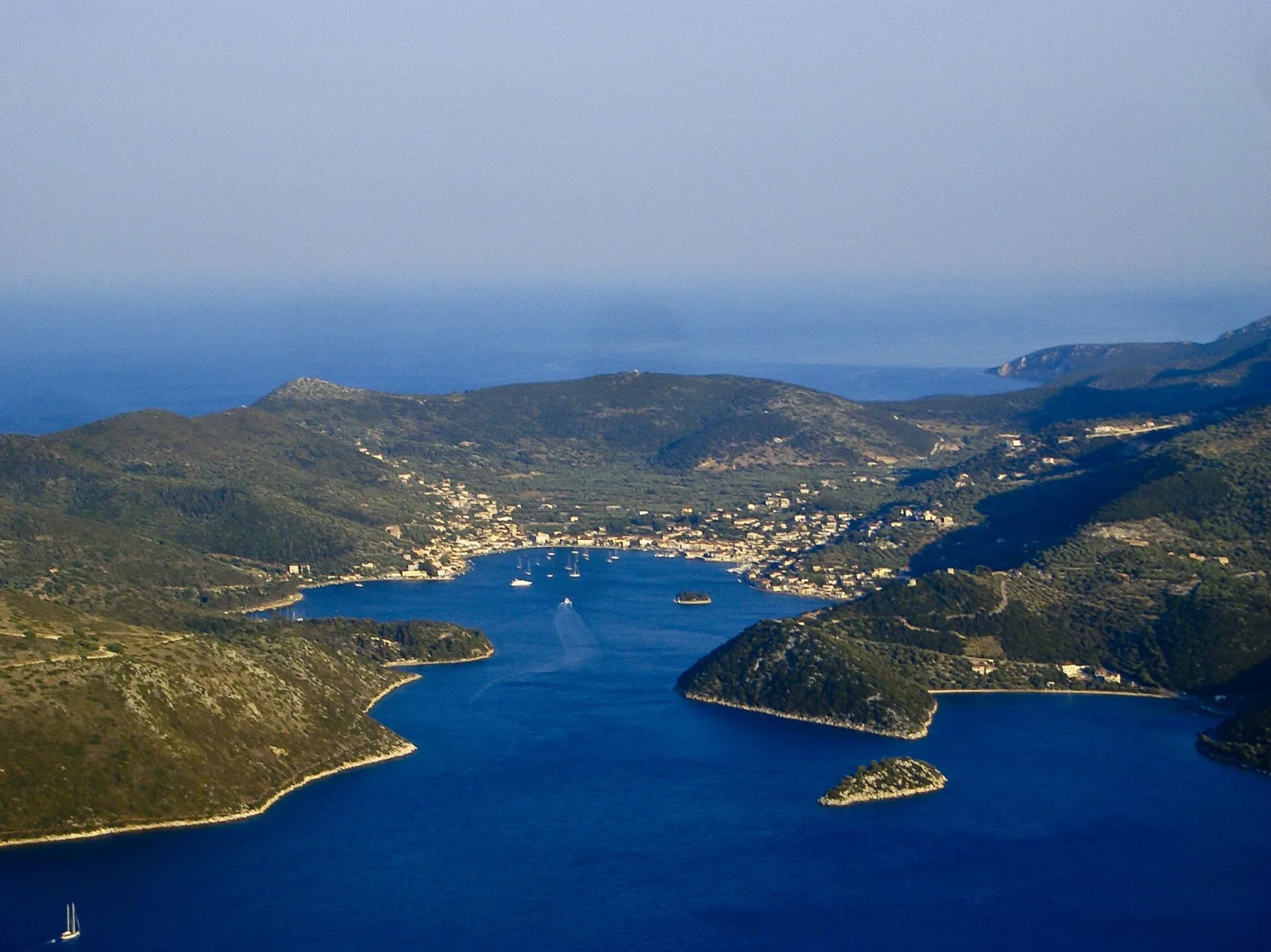
What to Eat in Ithaca: A Local Food Guide
Ithaca offers a culinary landscape defined by the Ionian Sea and its rugged, mountainous terrain. Discover the local specialties that make every meal a tribute to the island's heritage.
