


What to Eat in Monemvasia: A Local Food Guide
Monemvasia offers more than just medieval architecture; its culinary scene is a journey through Peloponnesian tradition and centuries of wine-making history.
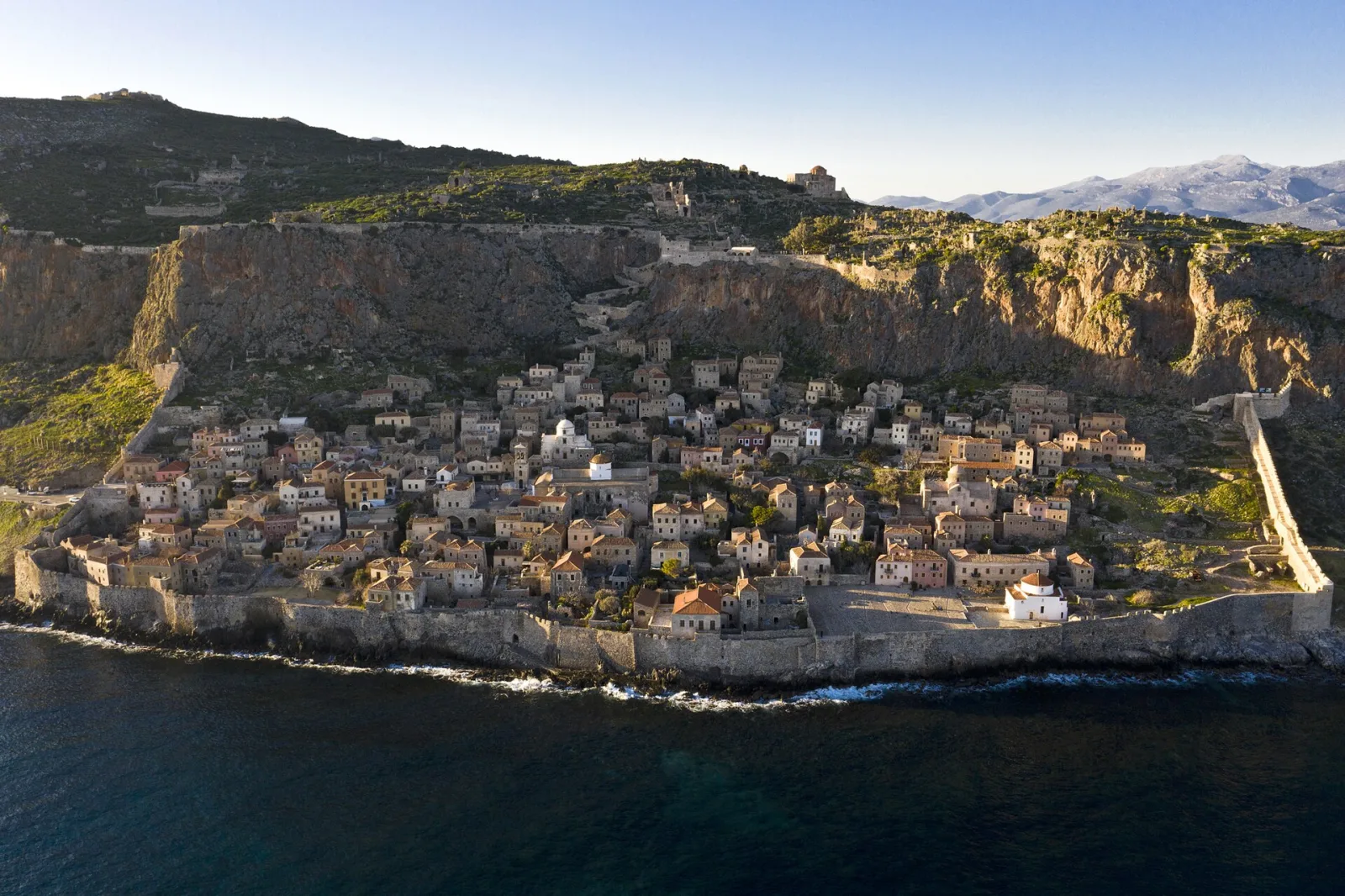
The Culinary Heritage of the Rock
Monemvasia is defined by its dramatic geography. As a medieval fortress town carved into the side of a massive sea rock, its culinary identity is inextricably linked to the rugged Peloponnese region. Dining here is an immersive experience where the narrow, winding stone alleys and the backdrop of the Myrtoan Sea provide a setting unlike anywhere else in Greece. The food culture in Monemvasia prioritizes local, seasonal ingredients, drawing heavily from the olive groves, citrus orchards, and vineyards that characterize the surrounding Laconian landscape.
The Legend of Malvasia Wine
No visit to this fortress town is complete without tasting the wine that made it famous across the medieval world. The sweet, amber-colored Malvasia wine was once exported from this port to the royal courts of Europe. After centuries of near-extinction, local producers have successfully revived the cultivation of the specific grape varieties that thrive in the local climate. Today, visitors can find dedicated wine bars within the Kastro (the lower town) that offer tastings. Expect notes of dried fruits, honey, and nuts, often paired with local cheeses or spoon sweets. It is a sensory experience that connects the modern traveler directly to the town’s golden era of trade.
Traditional Flavors of Laconia
The local diet in Monemvasia is rooted in the broader Laconian tradition, which focuses on simplicity and quality. When browsing menus in the lower town, look for dishes that emphasize the region’s high-quality olive oil. A staple of the area is siglino, a traditional smoked pork cured with aromatic herbs and often cooked with eggs or served as a meze. You will also find various vegetable-based dishes such as tsigaridia, a mixture of wild greens sautéed with onions and tomato, showcasing the abundance of the fertile plains nearby.

Seafood is a constant presence, though it is often prepared simply to highlight its freshness. Grilled octopus, salted sardines, and local catches of the day are common. For a more hearty meal, look for gogges, a traditional handmade pasta shape often served with local mizithra cheese and browned butter. This dish is a quintessential example of regional home cooking that has found its way onto the menus of the town's most authentic tavernas.
Dining in the Kastro
Dining inside the fortress walls is an atmospheric experience. Many restaurants are located in restored stone buildings, offering terraces with panoramic views of the sea. Because the town is car-free, the evening atmosphere is remarkably peaceful. It is best to wander the maze of alleys to find your preferred spot, as the ambiance changes significantly from the bustling main street to the quiet, hidden corners near the sea walls. Whether you are looking for a light lunch of local cheeses and olives or a long, multi-course dinner, the focus remains on the slow-food philosophy that defines the Peloponnese.
Sweet Endings: Spoon Sweets and Pastries
The region is famous for its citrus fruits, and this is reflected in the local dessert culture. Spoon sweets—fruit preserved in thick syrup—are a traditional way to welcome guests and conclude a meal. Look for versions made with local bitter oranges, bergamot, or walnuts. You will also find various honey-based pastries, often incorporating the nuts that grow in the Laconian countryside. These sweets pair perfectly with a strong Greek coffee, best enjoyed in the late afternoon while overlooking the ramparts.
Practical Tips for Food Lovers
- Reservations: During the peak summer months, the most popular tavernas inside the Kastro can fill up quickly. It is recommended to check locally and make a reservation if you have a specific place in mind for dinner.
- Timing: Meals in Greece are generally served later than in other parts of Europe. For dinner, consider aiming for a later slot to enjoy the cooling sea breeze and the sunset views from the fortress walls.
- Local Markets: While the Kastro is the heart of the tourist experience, the modern town of Gefyra, located just across the causeway, offers more conventional grocery stores and markets where you can buy local olive oil, honey, and wine to take home.
- Hydration and Access: Remember that Monemvasia is a vertical town with many steps. Wear comfortable shoes for walking to and from your dining spots, and stay hydrated, especially if visiting during the warmer months.
- Seasonal Variations: Some establishments may have limited hours or close entirely during the winter season. Always check locally for current opening status before planning your visit.
Plan your trip to Kalamata
Compare prices with KAYAKYou'll be taken to KAYAK to compare prices. We may earn a commission at no extra cost to you.
Plan your trip to Kalamata
🏨Find hotels on Booking.comBooking.comAffiliate links — we may earn a small commission.
Deals from our travel partners
 Aris Thessaloniki vs Rostock Tickets - Nick Galis Hall, 2026-12-22Sports Events 365 · from 102 EUR
Olympiacos Pireus vs Paris Basketball Tickets - Peace & Friendship Stadium, 2027-01-15Sports Events 365 · from 130 EUR
PAOK Thessaloniki vs Balkan Botevgrad Tickets - PAOK Arena, 2027-01-13Sports Events 365 · from 102 EUR
Olympiacos Pireus vs Panathinaikos Athens Tickets - Peace & Friendship Stadium, 2027-02-12Sports Events 365 · from 180 EUR
Aris Thessaloniki vs Rostock Tickets - Nick Galis Hall, 2026-12-22Sports Events 365 · from 102 EUR
Olympiacos Pireus vs Paris Basketball Tickets - Peace & Friendship Stadium, 2027-01-15Sports Events 365 · from 130 EUR
PAOK Thessaloniki vs Balkan Botevgrad Tickets - PAOK Arena, 2027-01-13Sports Events 365 · from 102 EUR
Olympiacos Pireus vs Panathinaikos Athens Tickets - Peace & Friendship Stadium, 2027-02-12Sports Events 365 · from 180 EUR
Affiliate links — we may earn a commission at no extra cost to you.
Related guides
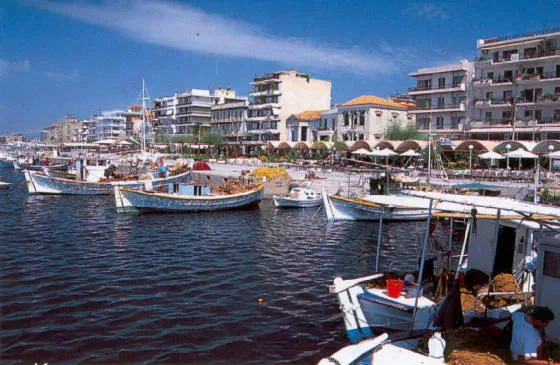
Top Things to Do in Kalamata
Kalamata is a relaxed seaside city famous for its olives, with a charming old town, a hilltop castle and a long sandy beach. It also makes an ideal base for exploring Messinia and the Mani.
Olive Harvest Experiences in Greece
The Greek olive harvest is a time-honored tradition that defines the rhythm of rural life. Participating in the collection offers a profound connection to the land and its ancient agricultural heritage.
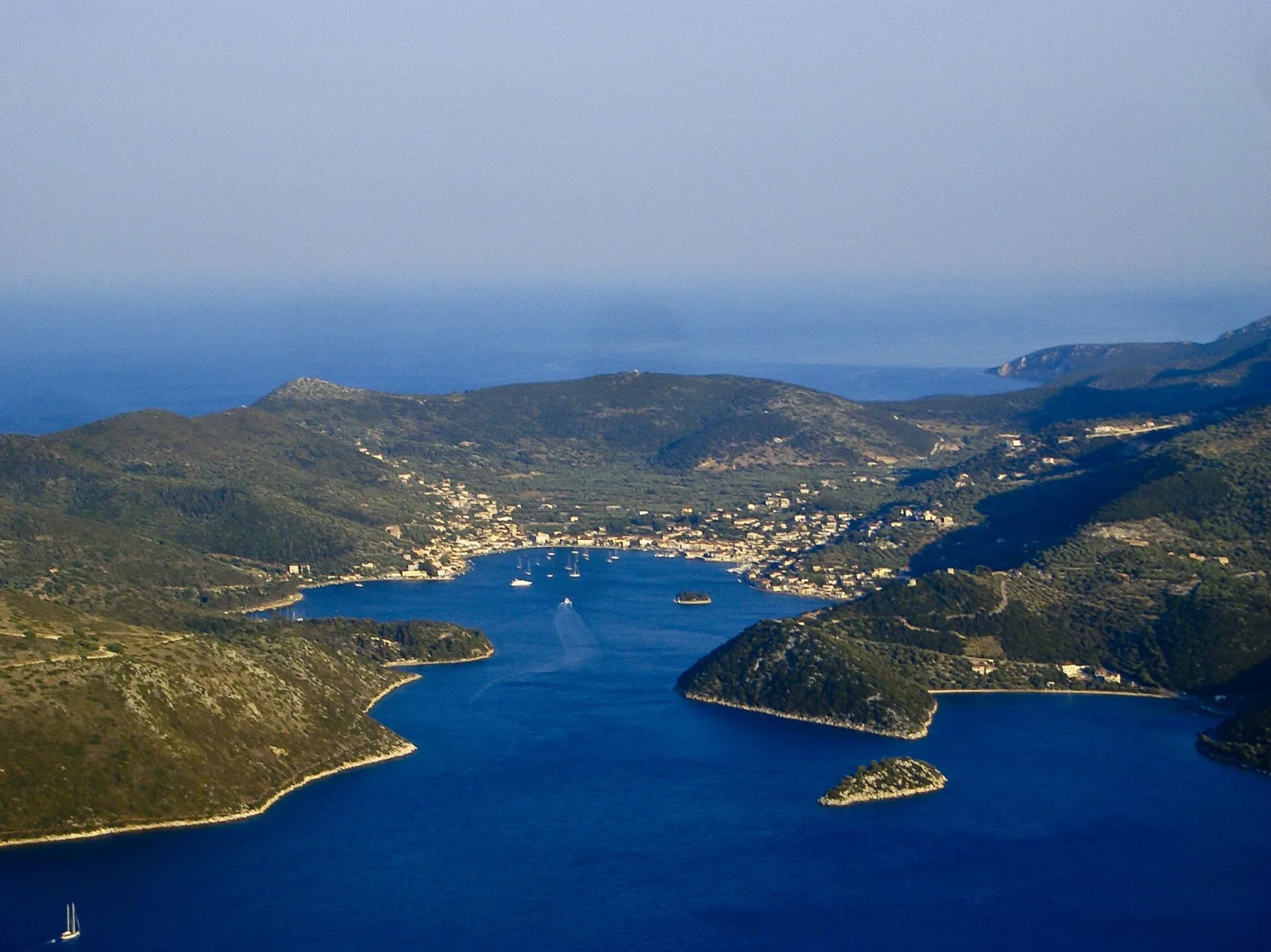
What to Eat in Ithaca: A Local Food Guide
Ithaca offers a culinary landscape defined by the Ionian Sea and its rugged, mountainous terrain. Discover the local specialties that make every meal a tribute to the island's heritage.
