


What to Eat in Mount Olympus: A Local Food Guide
Mount Olympus offers a unique culinary landscape where high-altitude mountain traditions meet the fresh, bountiful produce of the Pierian coast.
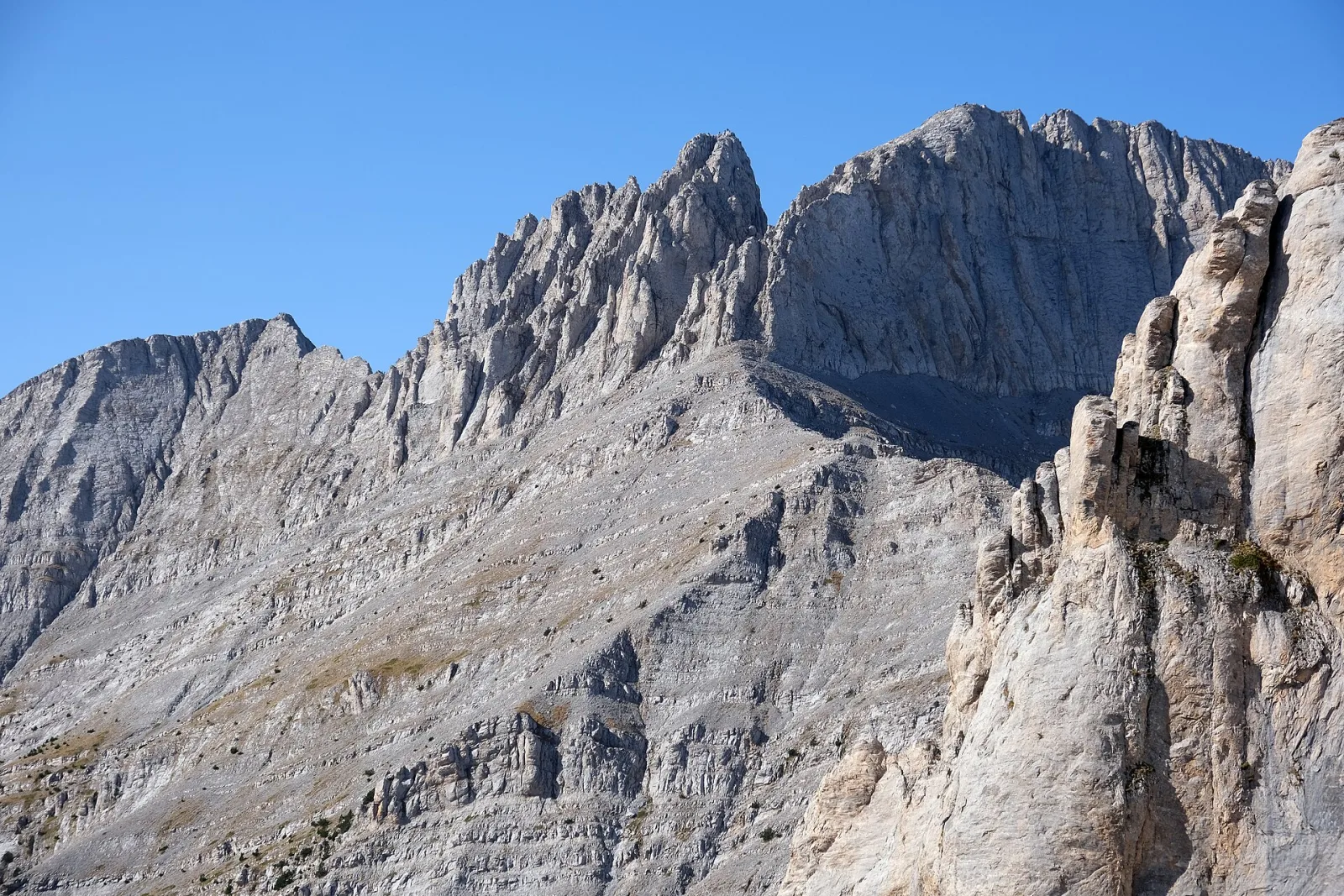
The Culinary Identity of Mount Olympus
The region surrounding Mount Olympus, Greece’s highest peak, is defined by a fascinating contrast between the rugged, forested slopes of the mountain and the fertile plains that stretch toward the Aegean Sea. This geographic diversity creates a distinct culinary culture that relies heavily on seasonal ingredients, wild herbs, and traditional preservation methods. While the higher altitudes are dominated by rustic, warming dishes designed to sustain hikers and climbers, the foothills and coastal villages offer a lighter, Mediterranean-focused menu.
Hearty Mountain Fare
In the village of Litochoro, which serves as the primary gateway for those exploring the Enipeas Gorge or beginning the ascent toward Prionia, the food is hearty and restorative. Because of the cooler temperatures at higher elevations, local tavernas prioritize slow-cooked meats and legumes. You will frequently encounter dishes featuring wild boar, a staple of the region, often braised in a rich tomato sauce with cinnamon and cloves. Another traditional favorite is lamb or goat, prepared either in the oven with lemon and oregano or cooked in a clay pot with seasonal greens.
Legumes are also a cornerstone of the local diet. Look for thick bean soups, known as fasolada, which are often served as a main meal in the mountain refuges. These are typically accompanied by crusty, wood-fired bread and local olives. The mountain air also influences the local cheese production; keep an eye out for graviera and other hard cheeses made from the milk of sheep and goats that graze on the slopes of Olympus.

Coastal Influences and Local Produce
As you descend from the mountain toward the coast near the ancient site of Dion and the medieval Platamonas Castle, the menu shifts toward the bounty of the Thermaic Gulf. Fresh seafood is readily available, with grilled octopus, calamari, and locally caught red mullet being regular features on tavern menus. The proximity to the sea means that fish is often prepared simply, drizzled with high-quality olive oil and lemon juice to let the natural flavors shine.
The region is also famous for its agriculture. The Pieria plains produce excellent fruits, particularly cherries and peaches, which are often used in local spoon sweets—a traditional preserve served with coffee or yogurt. Walnut-based desserts are also common, reflecting the abundance of walnut trees in the forested areas of the mountain.
Traditional Dishes to Seek Out
- Wild Boar Stifado: A slow-cooked stew with pearl onions, vinegar, and warm spices.
- Kleftiko: Slow-roasted lamb wrapped in parchment paper, often cooked with vegetables and feta cheese.
- Local Pies (Pites): Savory pies filled with wild greens (hortopita), leeks, or cheese, made with hand-rolled phyllo dough.
- Spoon Sweets: Preserved fruits, especially cherry or walnut, served as a traditional welcome treat.
- Tsipouro: A potent grape-based spirit that is the preferred accompaniment to meze platters in this region.
Dining in Litochoro and Beyond
Litochoro offers the highest concentration of dining options, ranging from traditional tavernas with outdoor courtyards to more contemporary eateries. When choosing a place to eat, look for tavernas that display a seasonal menu, as this is the best indicator of fresh, locally sourced ingredients. Many establishments in the area are family-run and have been operating for generations, maintaining recipes that have been passed down through the local community.
If you find yourself exploring the archaeological site of Dion or the coastal areas near Platamonas, you will find smaller, more specialized tavernas. These are excellent places to sample local fish and seasonal vegetables. Always ask for the 'mageirefta'—the cooked-of-the-day dishes—as these often represent the most authentic, home-style cooking available in the region.
Practical Tips for Food Lovers
- Seasonal Eating: Try to eat what is in season. Spring is perfect for wild greens and lamb, while autumn is the time for hearty stews and forest-foraged mushrooms.
- The Meze Experience: Don't feel pressured to order a full 'main course.' Ordering a selection of meze (small plates) is the best way to sample a variety of local flavors.
- Hydration: The water from the mountain springs in Litochoro is famous for its purity. Carry a reusable bottle and fill it up at the public fountains in the village.
- Check Locally: Restaurant opening hours can vary significantly by season, especially in the mountain villages. Always check locally upon arrival for current operating times, particularly if you are visiting outside of the peak summer months.
- Reservations: During busy summer weekends or holidays, it is advisable to ask your accommodation host to help with a reservation at popular tavernas, especially those with a view of the mountain or the sea.
Plan your trip to Mount Olympus
Compare prices with KAYAKYou'll be taken to KAYAK to compare prices. We may earn a commission at no extra cost to you.
Plan your trip to Mount Olympus
🏨Find hotels on Booking.comBooking.comAffiliate links — we may earn a small commission.
Deals from our travel partners
 Aris Thessaloniki vs Rostock Tickets - Nick Galis Hall, 2026-12-22Sports Events 365 · from 102 EUR
Olympiacos Pireus vs Paris Basketball Tickets - Peace & Friendship Stadium, 2027-01-15Sports Events 365 · from 130 EUR
PAOK Thessaloniki vs Balkan Botevgrad Tickets - PAOK Arena, 2027-01-13Sports Events 365 · from 102 EUR
Aris Thessaloniki vs Le Mans Sarthe Basket Tickets - Nick Galis Hall, 2026-11-18Sports Events 365 · from 102 EUR
Aris Thessaloniki vs Rostock Tickets - Nick Galis Hall, 2026-12-22Sports Events 365 · from 102 EUR
Olympiacos Pireus vs Paris Basketball Tickets - Peace & Friendship Stadium, 2027-01-15Sports Events 365 · from 130 EUR
PAOK Thessaloniki vs Balkan Botevgrad Tickets - PAOK Arena, 2027-01-13Sports Events 365 · from 102 EUR
Aris Thessaloniki vs Le Mans Sarthe Basket Tickets - Nick Galis Hall, 2026-11-18Sports Events 365 · from 102 EUR
Affiliate links — we may earn a commission at no extra cost to you.
Related guides
Top Things to Do in Mount Olympus
Greece's highest mountain rewards walkers with gorges, alpine trails and ancient sanctuaries. Here is how to make the most of a visit to Mount Olympus.
What to Eat in Ithaca: A Local Food Guide
Ithaca offers a culinary landscape defined by the Ionian Sea and its rugged, mountainous terrain. Discover the local specialties that make every meal a tribute to the island's heritage.
What to Eat in Chania: A Local Food Guide
Chania offers a rich culinary landscape defined by fresh Cretan ingredients, ancient olive oil traditions, and vibrant local markets. This guide explores the must-try dishes that define the region's unique gastronomy.
