


What to Eat in Pelion: A Local Food Guide
Pelion’s cuisine is a celebration of mountain bounty and coastal simplicity, defined by the changing seasons and rich local traditions.
The Pelion Culinary Identity
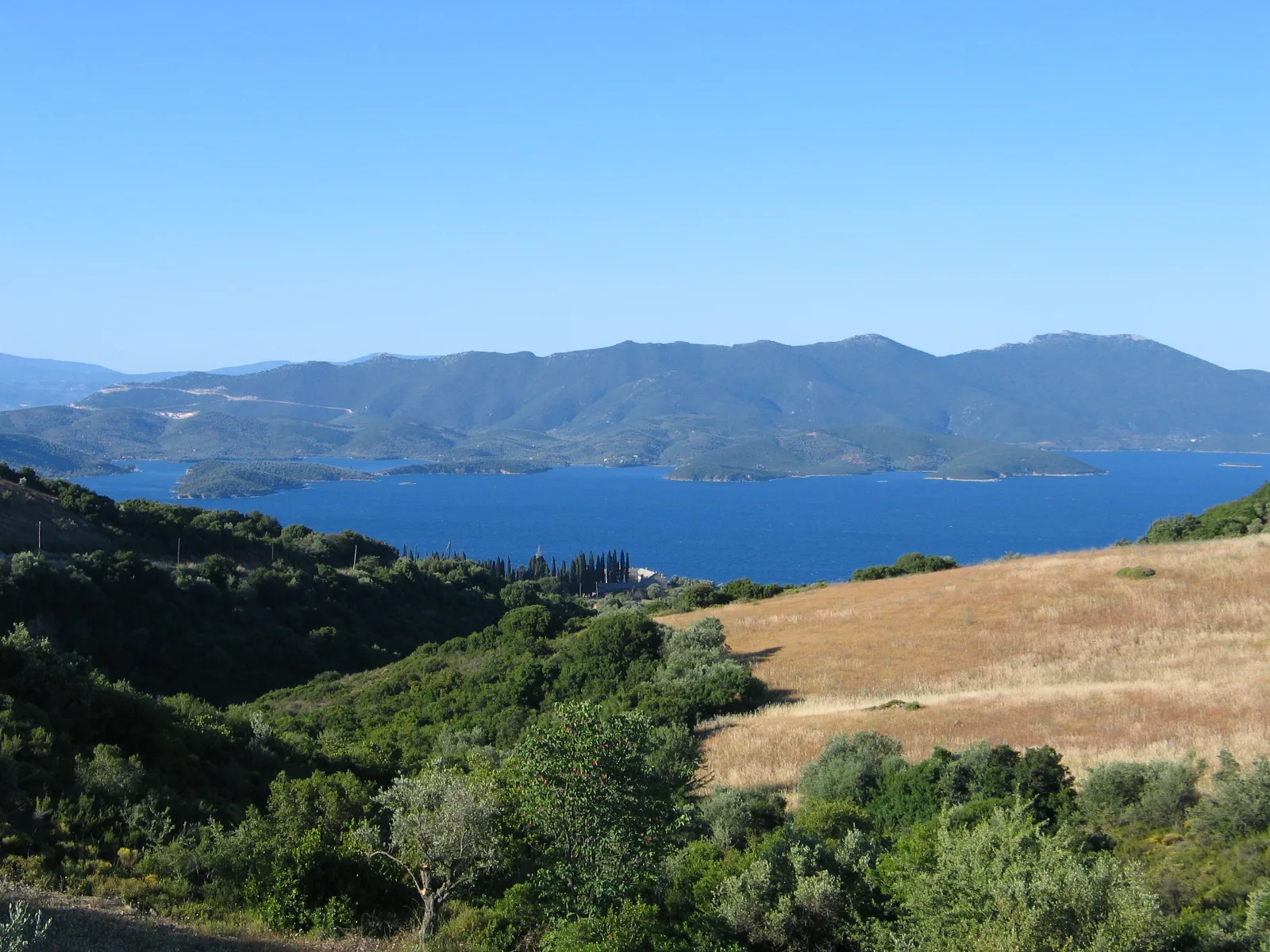
Pelion is a landscape of dramatic contrasts, where dense chestnut and beech forests meet the sparkling waters of the Aegean Sea and the Pagasetic Gulf. This geographical diversity is directly reflected in the local gastronomy. The cuisine here is deeply rooted in the mountain villages, where the cool climate and fertile soil produce ingredients that are distinct from those found in the arid islands of the Cyclades. In Pelion, food is seasonal, hearty, and deeply connected to the village lifestyle.
The Famous Spetsofai
Perhaps the most iconic dish associated with the region is Spetsofai. This is a robust, rustic stew made with local spicy sausages and sautéed peppers, typically simmered in a rich tomato sauce. It is a staple in the mountain tavernas of villages like Makrinitsa and Portaria. The secret to a great Spetsofai lies in the quality of the sausage—often made with local pork and seasoned with leeks—and the freshness of the peppers. It is best enjoyed with a glass of local tsipouro and a piece of crusty bread to soak up the sauce.
Wild Greens and Mountain Pies
Given the abundance of wild vegetation in the Pelion forests, wild greens (horta) play a central role in the daily diet. You will find them served simply boiled with olive oil and lemon, or incorporated into elaborate pies. Pelion is famous for its pita culture. Unlike the thin-crusted pies found elsewhere, Pelion pies are often substantial, featuring handmade, rustic phyllo dough. Look for Hortopita (green pie) filled with seasonal wild greens, leeks, and sometimes local feta cheese, or the classic Tyropita (cheese pie) which uses the tangy, salty cheese produced by mountain shepherds.

The Art of the Spoon Sweet
Pelion is widely known for its orchards, particularly those producing apples, cherries, and chestnuts. This abundance is preserved in the form of 'spoon sweets' (glyko tou koutaliou). These are fruits preserved in thick, fragrant syrup, traditionally offered to guests as a sign of hospitality. In the village of Zagori or the heights of Chania, you will frequently find spoon sweets made from local fruits like sour cherries, quince, and the unique chestnut preserve. They are often served alongside a strong Greek coffee or a glass of water.
Chestnuts and Walnuts
As you move through the forested slopes, you will notice the prevalence of chestnut and walnut trees. Chestnuts are a fundamental ingredient in Pelion’s autumn and winter cuisine. They are roasted over open fires, boiled, or used in savory stews with beef or pork. The combination of slow-cooked meat with sweet chestnuts is a hallmark of Pelion’s high-altitude winter cooking, perfect after a day of skiing at the Chania slopes.
Tsipouro: The Spirit of the Region
No discussion of Pelion food is complete without mentioning tsipouro. While it is produced throughout Greece, the culture of the 'tsipouradiko' is particularly strong in the nearby city of Volos, which serves as the gateway to the peninsula. Tsipouro is a strong grape distillate, and it is almost never consumed without food. Small plates of mezedes—ranging from salted sardines and pickled vegetables to grilled octopus and fried cheese—are brought out with each round of drinks. This social ritual of drinking and eating slowly is the heart of the local culinary experience.
Practical Tips for Dining in Pelion
- Always ask for the 'day's special' in mountain tavernas, as these often reflect the freshest seasonal produce available from local gardens.
- If you are visiting in the autumn, prioritize dishes that feature fresh chestnuts or forest mushrooms.
- The coastal villages like Damouchari offer excellent seafood, but remember that the mountain villages are where you will find the most authentic meat and pie recipes.
- Check locally for the availability of seasonal village festivals (panigiria), where you can often sample traditional dishes prepared in large quantities by local cooks.
- When visiting the larger villages like Makrinitsa, look for small shops selling local marmalades and spoon sweets to take home as gifts.
- Ensure you have cash on hand for smaller, family-run tavernas in remote villages, as card machines may not always be available.
Plan your trip to Pelion
Compare prices with KAYAKYou'll be taken to KAYAK to compare prices. We may earn a commission at no extra cost to you.
Plan your trip to Pelion
🏨Find hotels on Booking.comBooking.comAffiliate links — we may earn a small commission.
Deals from our travel partners
 PAOK Thessaloniki vs Balkan Botevgrad Tickets - PAOK Arena, 2027-01-13Sports Events 365 · from 102 EUR
Olympiacos Pireus vs Zalgiris Kaunas Tickets - Peace & Friendship Stadium, 2027-04-09Sports Events 365 · from 120 EUR
Aris Thessaloniki vs Rostock Tickets - Nick Galis Hall, 2026-12-22Sports Events 365 · from 102 EUR
Olympiacos Pireus vs Paris Basketball Tickets - Peace & Friendship Stadium, 2027-01-15Sports Events 365 · from 130 EUR
PAOK Thessaloniki vs Balkan Botevgrad Tickets - PAOK Arena, 2027-01-13Sports Events 365 · from 102 EUR
Olympiacos Pireus vs Zalgiris Kaunas Tickets - Peace & Friendship Stadium, 2027-04-09Sports Events 365 · from 120 EUR
Aris Thessaloniki vs Rostock Tickets - Nick Galis Hall, 2026-12-22Sports Events 365 · from 102 EUR
Olympiacos Pireus vs Paris Basketball Tickets - Peace & Friendship Stadium, 2027-01-15Sports Events 365 · from 130 EUR
Affiliate links — we may earn a commission at no extra cost to you.
Related guides

Greek Coffee Houses (Kafeneia) and Their Traditions
Greece's kafeneia are far more than places to grab a coffee. Here is how these traditional gathering spots work, what to order and how to fit in.
Clean Monday in Greece
Clean Monday marks the beginning of Great Lent in Greece, celebrated with outdoor festivities, kite flying, and a traditional meat-free feast.
Kayaking and Paddleboarding in Greece
Greece offers an expansive coastline perfect for exploration by kayak or paddleboard, allowing travellers to reach remote sea caves and pristine coves inaccessible by road.
