


First Time in Meteora? Everything You Need to Know
Giant sandstone pillars crowned with Byzantine monasteries make Meteora one of Greece's most striking sights. Here is how to plan a first visit well.
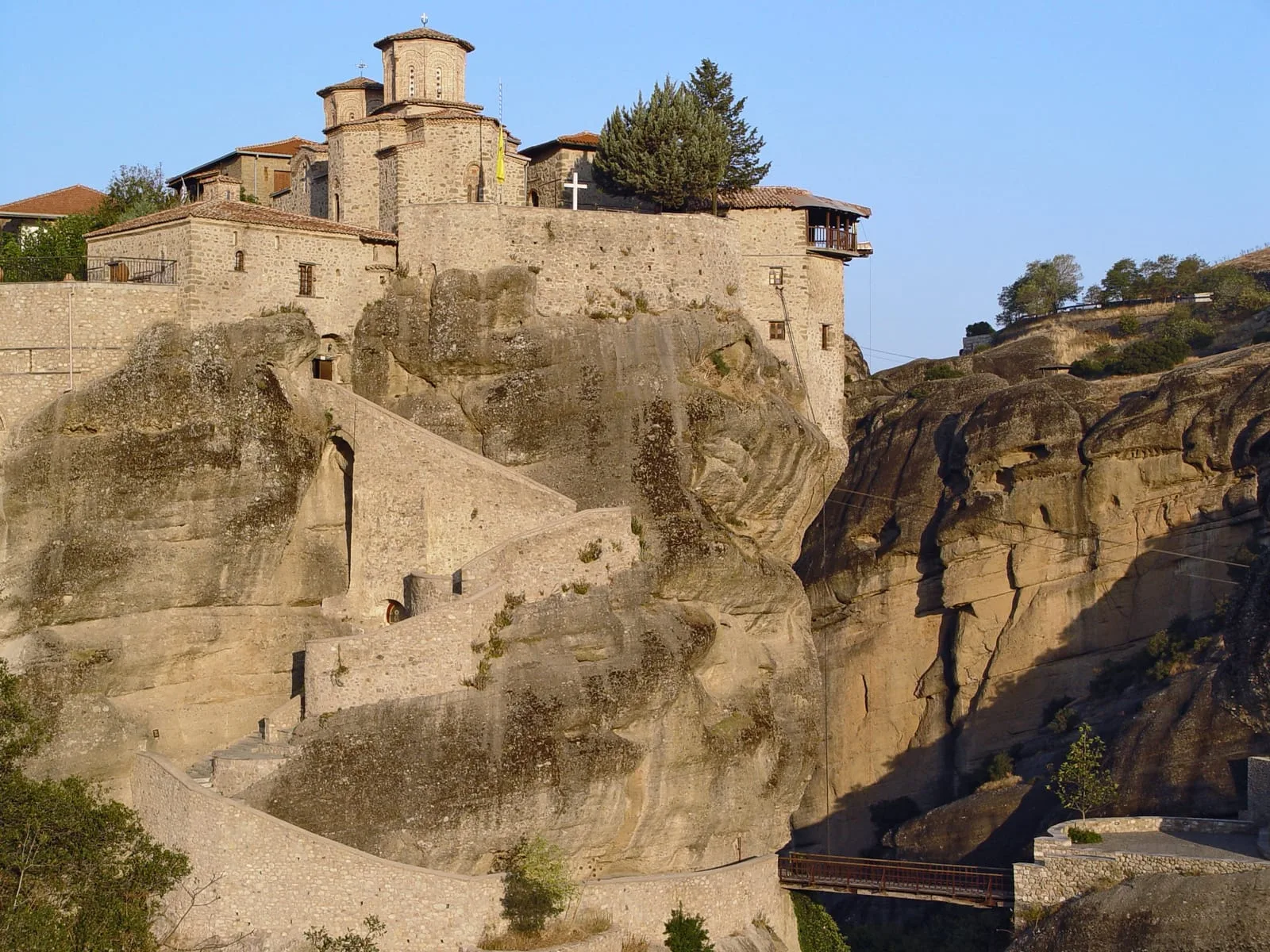
Few places in Greece prepare you for Meteora. Rising abruptly from the flat plain of Thessaly, enormous sandstone and conglomerate pillars climb hundreds of metres into the sky, and on many of them perch Byzantine-era monasteries that seem to defy gravity. It is a UNESCO World Heritage Site, and it rewards a little planning. Here is what to know before you go.
Where Meteora is and how to get there
Meteora sits in the region of Thessaly and Central Greece, and the main base for visitors is the small town of Kalambaka, with the village of Kastraki just beside it. Both are within walking distance of the rock formations, which makes them the most convenient places to stay.
From Athens, the train is a relaxed option. Services run to Kalambaka, often with a change at Palaiofarsalos, and the journey takes roughly four to five hours. Trains are scenic, with the landscape shifting from the city to fertile plains. By car, the drive from Athens is around four hours, while from Thessaloniki it is about two and a half to three hours. Schedules change, so check locally before you travel.

Once you are in Kalambaka or Kastraki, you can reach the monasteries by local bus, taxi or on foot, depending on your energy and the season.
The six monasteries
Six monasteries remain active today, and several are open to visitors. The largest is the Great Meteoron, the oldest and most imposing, which crowns one of the highest rocks. Varlaam is another highlight, known for its views and for its collection of religious objects. Visitors also often seek out Agios Stefanos, which is reached by a short bridge, and the monasteries of Agia Triada and Agios Nikolaos Anapafsas. The Holy Monastery of Rousanou is set against dramatic cliffs and is worth the visit for its setting alone.
Opening hours vary by monastery, sometimes closing for one or two days each week and for a midday break. Check locally before planning your day, as schedules can change with the season.
Dress and behaviour
These are working religious communities, not just tourist attractions, so dress modestly. Shoulders and knees should be covered, and women may be asked to wear a long skirt or wrap over trousers at the entrance. Some monasteries provide cover-ups, but bringing a light scarf or sarong is a sensible idea. Keep voices low, switch off phones, and do not photograph inside areas where it is forbidden.
Viewpoints for sunrise and sunset
Meteora is at its most magical in the early morning and late afternoon, when the light turns the rocks golden and the monasteries catch the warm glow. Several viewpoints along the roads above Kastraki and Kalambaka offer outstanding panoramas, and many visitors arrive well before dawn to secure a spot. Arriving early also means fewer people in the frame. Consider a sunset at one of the higher lookouts, then walk back down in the dusk.
Hiking between the rocks
The trails between Kastraki and the monasteries are one of the best ways to experience the landscape. Paths wind through pine forest and past the base of the pillars, with occasional stone steps and rocky sections. Good walking shoes are essential, especially after rain, when the paths can be slippery. Carry water, particularly in summer when temperatures climb, and start early to avoid the midday heat. The walks are generally manageable for most fitness levels, though the climbs to some monasteries involve many steps.
Climbing for experienced visitors
Meteora is also a respected destination for rock climbers, with a range of routes on the sandstone and conglomerate. These are for experienced climbers only, and it is wise to go with a qualified guide and to check local regulations and access rules, which can change to protect the site.
Where to stay
Kastraki is the quieter, more atmospheric choice, with guesthouses and views straight onto the rocks. Kalambaka offers more services, restaurants and transport links. Either works well, and both are close enough to the formations that you can walk out in the morning without needing a car. Book ahead in spring, early autumn and public holiday periods, when the area is busiest.
What to eat
Thessaly is a region of hearty, home-style cooking. Look for local lamb and goat dishes, baked pies, fresh cheeses and seasonal vegetables. Taverns in Kastraki and Kalambaka serve simple grilled meats and salads, and a long lunch on a terrace with a view of the rocks is a memorable way to break up a day of walking.
Practical tips
- Plan for at least one full day, and ideally two, to see the monasteries, walk the trails and catch both sunrise and sunset.
- Start early. Monasteries are quieter and the light is better, and the trails are cooler.
- Wear sturdy shoes, bring water, and pack a light scarf or long layer for modest dress.
- Check monastery opening days and hours locally before you set out, as these vary and can change.
- Carry cash for small purchases and entrance fees, and confirm current costs locally.
- Book accommodation early in peak seasons, and check train and bus timetables in advance.
Plan your trip to Meteora
Compare prices with KAYAKYou'll be taken to KAYAK to compare prices. We may earn a commission at no extra cost to you.
Plan your trip to Meteora
🏨Find hotels on Booking.comBooking.comAffiliate links — we may earn a small commission.
Deals from our travel partners
 Bryan Adams-Athens- Greece Tickets - Olympic Stadium Athens Telekom Center, 2026-12-19Sports Events 365 · from 145 EUR
Olympiacos Pireus vs Virtus Bologna Tickets - Peace & Friendship Stadium, 2027-03-26Sports Events 365 · from 120 EUR
PAOK Thessaloniki vs Bosna BH Telecom Tickets - PAOK Arena, 2026-12-08Sports Events 365 · from 102 EUR
Aris Thessaloniki vs Rostock Tickets - Nick Galis Hall, 2026-12-22Sports Events 365 · from 102 EUR
Affiliate links — we may earn a commission at no extra cost to you.
Related guides
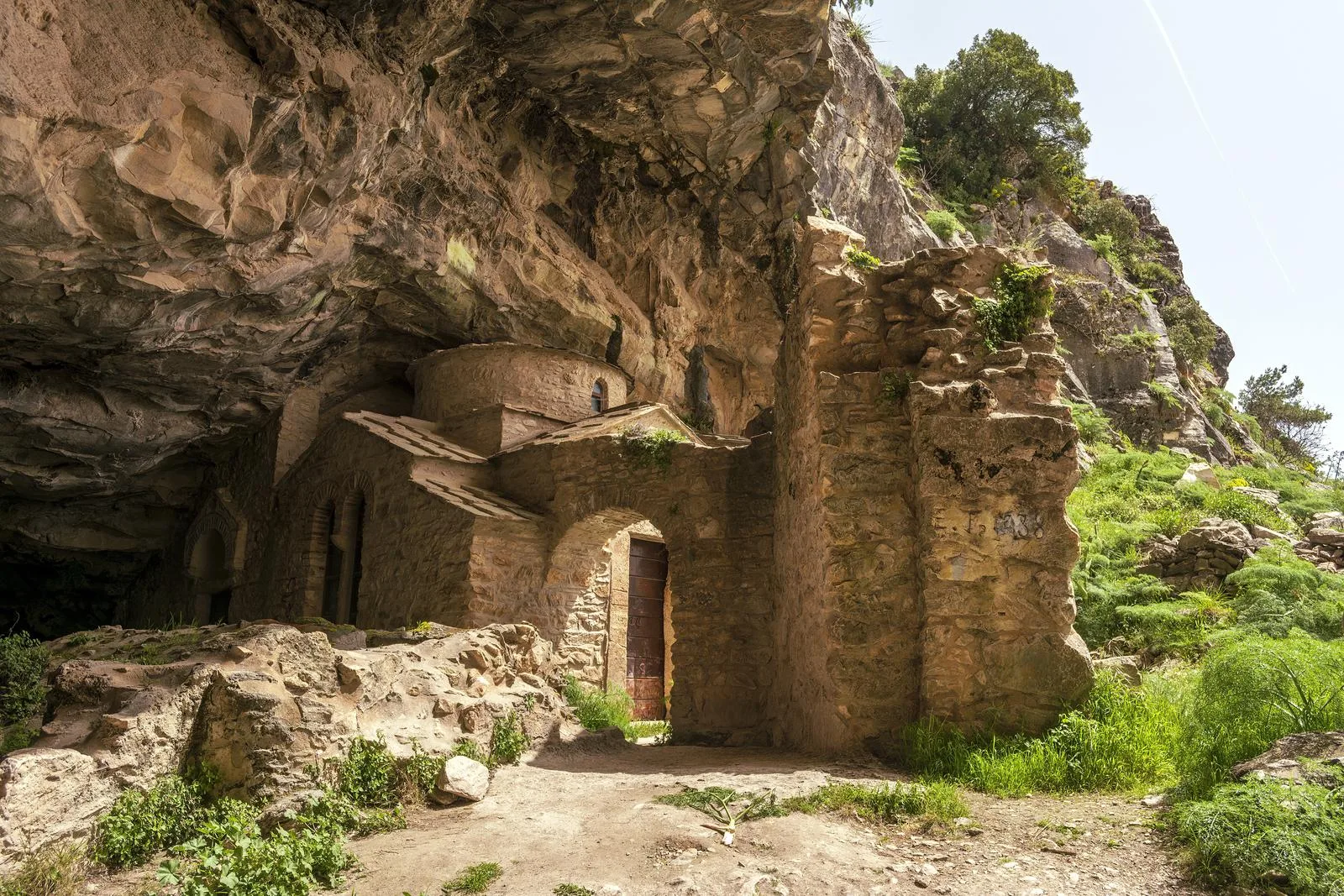
Greece in Spring: What to Expect
Spring is one of the most rewarding times to visit Greece, with wildflowers across the countryside, mild temperatures and far fewer crowds. Here is what to expect month by month.
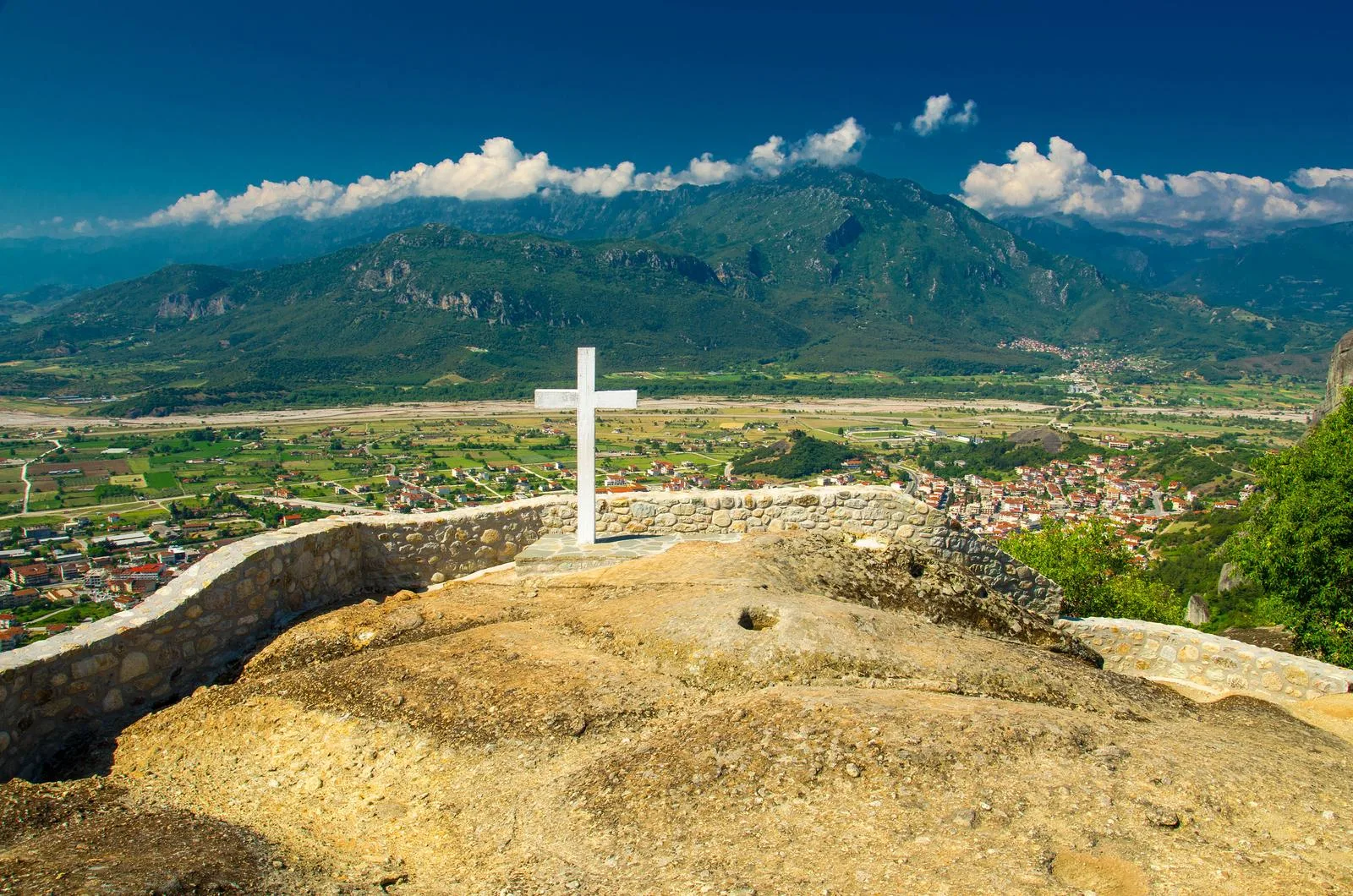
Monastery Stays and Spiritual Retreats in Greece
Greece's Orthodox monasteries offer more than sightseeing. Many welcome travellers for quiet stays, and some of the most atmospheric are perched on cliffs, hidden in forests or carved into rock.
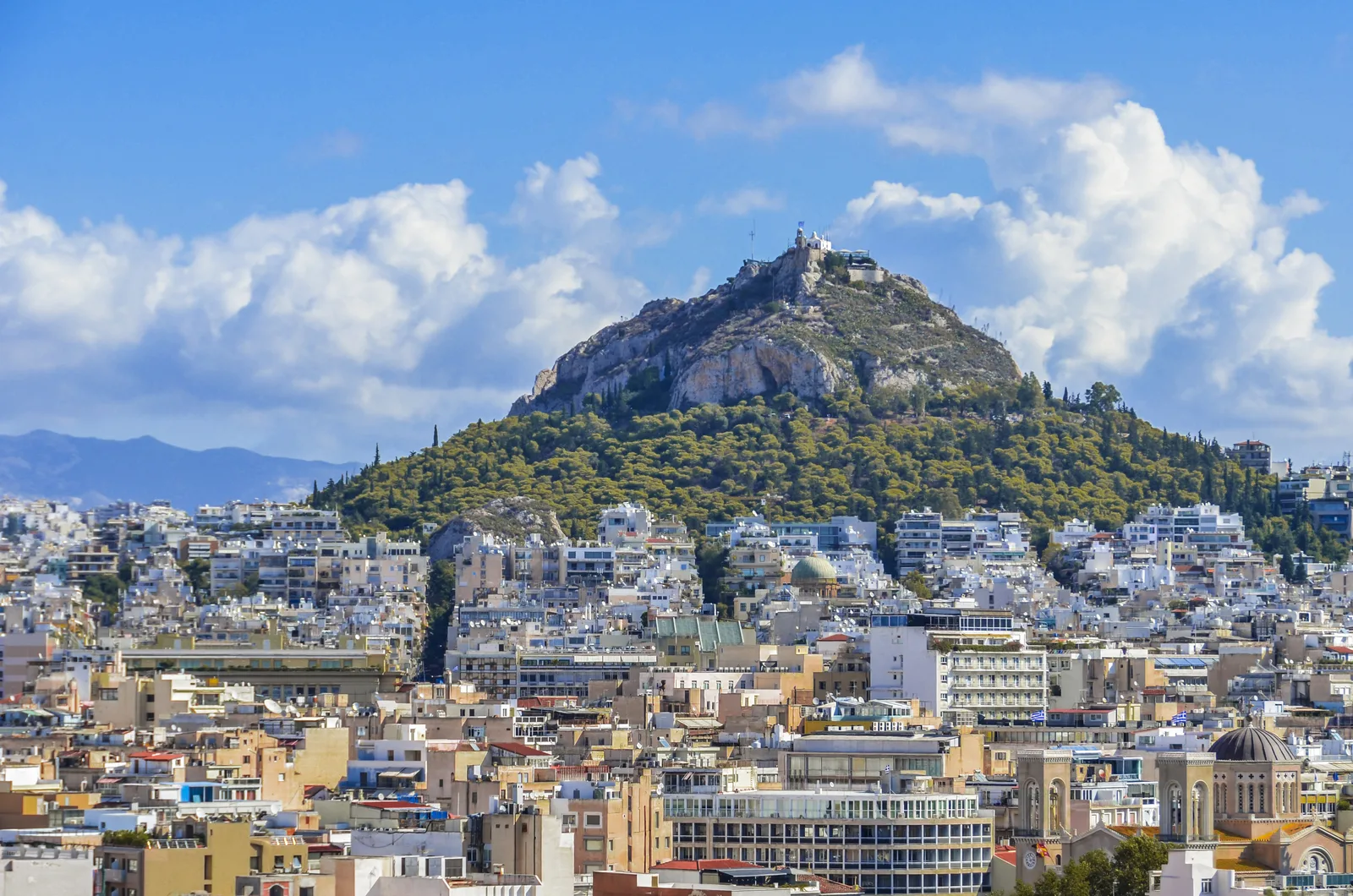
Greece in October: Is It Worth It?
October is one of the best months to enjoy Greece, with warm days, fewer crowds and lively harvest traditions. Here is what to expect and where to go.
