


What to Eat in Rethymno: A Local Food Guide
Rethymno offers a rich culinary landscape where Venetian history meets traditional Cretan mountain cooking. This guide explores the essential dishes to seek out during your stay.
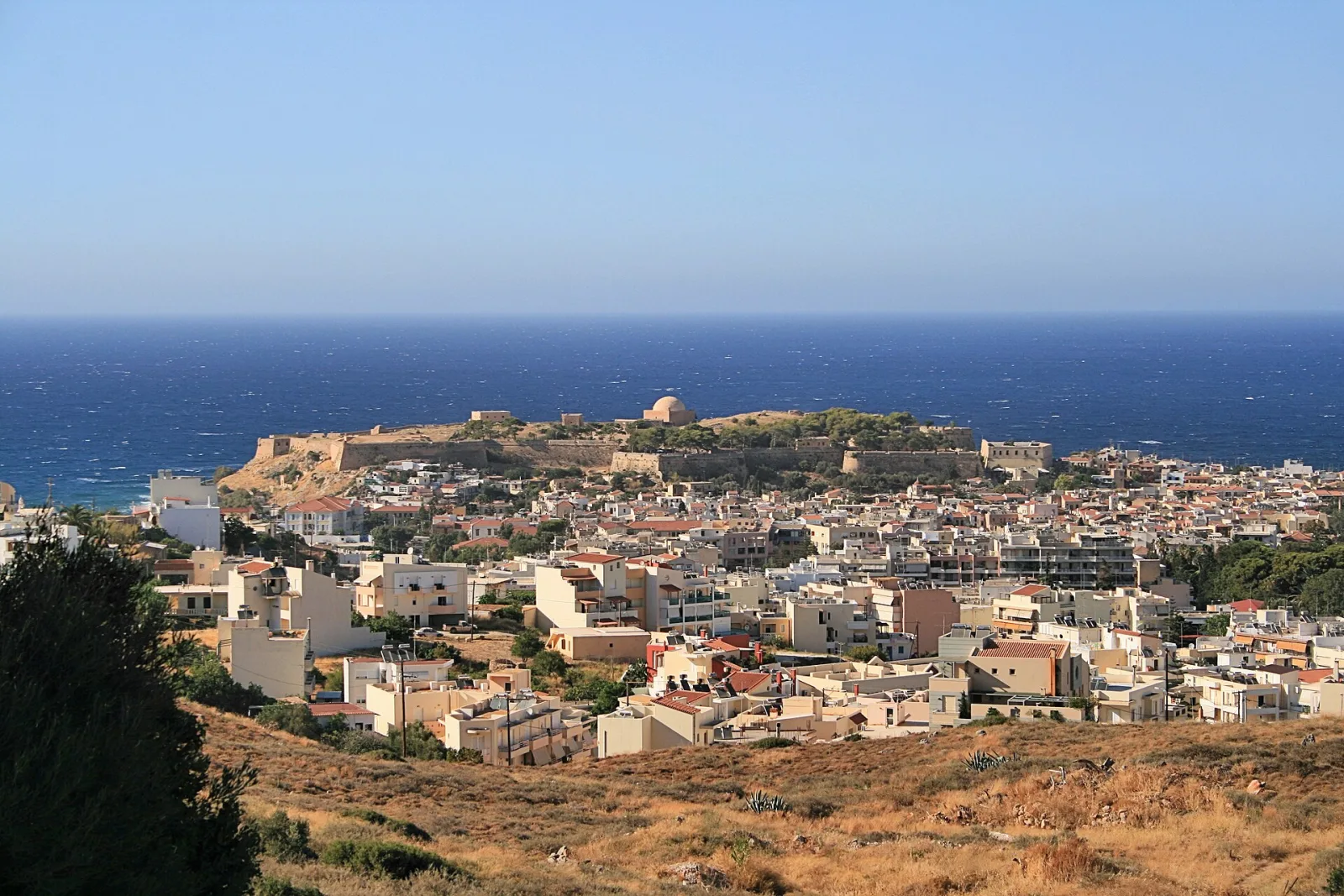
The Foundation of Cretan Cuisine in Rethymno
Rethymno, situated on the northern coast of Crete, serves as a crossroads of Mediterranean influences. The culinary identity of the region is defined by the high quality of its local ingredients: extra virgin olive oil, wild mountain greens, local cheeses, and fresh seafood. Dining in the old town, with its narrow alleys and Venetian architecture, provides a backdrop where the island’s agricultural heritage remains at the forefront of every menu.
Traditional Cretan Staples
When visiting, start by exploring the classic dishes that form the backbone of the Cretan diet. Dakos is perhaps the most iconic starter. This double-baked barley rusk is softened with a drizzle of local olive oil and topped with grated ripe tomatoes, crumbled mizithra or feta cheese, and a pinch of dried oregano. It is simple, refreshing, and entirely reflective of the regional palate.
For those seeking heartier fare, look for dishes featuring local legumes and greens. Horta (wild boiled greens) is a staple served with lemon and olive oil, often gathered from the hillsides surrounding the town. Another essential is Kalitsounia, small pastries that can be either sweet or savory. The savory versions are typically filled with local cheese and mint, while the sweet varieties are often drizzled with thyme honey.

Meat and Mountain Flavors
While the coast provides fresh fish, the mountainous hinterland of the Rethymno region contributes significantly to the local diet. Lamb and goat are the primary meats of choice. Look for dishes like Arni me Stamnagathi, which consists of lamb slow-cooked with a specific type of wild chicory that grows in the Cretan mountains. The bitterness of the greens perfectly balances the richness of the meat.
Another local specialty is Apaki, a traditional smoked pork. The meat is marinated in vinegar and herbs before being smoked over aromatic woods like sage or cypress. It is often served as a meze, thinly sliced alongside local wine or tsikoudia. You will frequently find it used in salads or tossed with pasta for a distinct, smoky flavor profile.
Seafood by the Old Port
Rethymno’s proximity to the Cretan Sea makes it an excellent place for fresh seafood. While many restaurants line the old Venetian harbor, look for establishments that prioritize the daily catch from local small-scale fishermen. Grilled octopus, salted sardines, and various white fish prepared simply with lemon and olive oil are standard. When choosing seafood, ask the staff about the daily arrivals to ensure you are enjoying the freshest options available.
The Role of Tsikoudia
No meal in Rethymno is considered complete without a glass of tsikoudia, also known as raki. This potent grape-based spirit is distilled from the pomace left over after winemaking. It is not merely a drink but a symbol of hospitality. In many local tavernas, a small carafe of tsikoudia is offered at the end of the meal, often accompanied by a small plate of seasonal fruit or a sweet treat. It is a digestive aid and a social ritual that defines the Cretan dining experience.
Practical Tips for Dining
- Look for tavernas that display a menu written on a chalkboard; these often change daily based on what the chef found at the local market.
- If you are unsure what to order, ask for a selection of mezedes to share. This allows you to sample a variety of local flavors in one sitting.
- Check locally for the best times to visit the farmers' market, which provides an excellent insight into the ingredients currently in season.
- Always try the local olive oil. Cretan olive oil is world-renowned, and many restaurants produce their own or source it from nearby family groves.
- Reservations are generally not required for lunch, but it is wise to check locally regarding evening bookings, especially during the peak summer months when the old town becomes quite busy.
- When ordering, feel free to ask the staff about the origin of the ingredients; most local owners are proud to share the story of their suppliers.
Plan your trip to Crete
Compare prices with KAYAKYou'll be taken to KAYAK to compare prices. We may earn a commission at no extra cost to you.
Plan your trip to Crete
🏨Find hotels on Booking.comBooking.comAffiliate links — we may earn a small commission.
Deals from our travel partners
 OFI Crete vs Lech Poznan Tickets - Pankritio Stadium, 2027-01-28Sports Events 365 · from 130 EUR
OFI Crete vs RSC Anderlecht Tickets - Pankritio Stadium, 2026-11-26Sports Events 365 · from 130 EUR
SL Benfica vs OFI Crete Tickets - Estadio da Luz, 2026-12-10Sports Events 365 · from 90 EUR
Hapoel Beer Sheva vs OFI Crete Tickets - Stadionul Giulesti-Valentin Stanescu, 2026-11-05Sports Events 365 · from 162 EUR
OFI Crete vs Lech Poznan Tickets - Pankritio Stadium, 2027-01-28Sports Events 365 · from 130 EUR
OFI Crete vs RSC Anderlecht Tickets - Pankritio Stadium, 2026-11-26Sports Events 365 · from 130 EUR
SL Benfica vs OFI Crete Tickets - Estadio da Luz, 2026-12-10Sports Events 365 · from 90 EUR
Hapoel Beer Sheva vs OFI Crete Tickets - Stadionul Giulesti-Valentin Stanescu, 2026-11-05Sports Events 365 · from 162 EUR
Affiliate links — we may earn a commission at no extra cost to you.
Related guides
Top Things to Do in Rethymno
Rethymno blends a Venetian and Ottoman old town with a mighty fortress and a long sandy beach. Here is how to make the most of this central Cretan base.

Top Things to Do in Karpathos
Rugged, unhurried and full of character, Karpathos rewards travellers who venture beyond the port. Here are the experiences worth planning your days around.
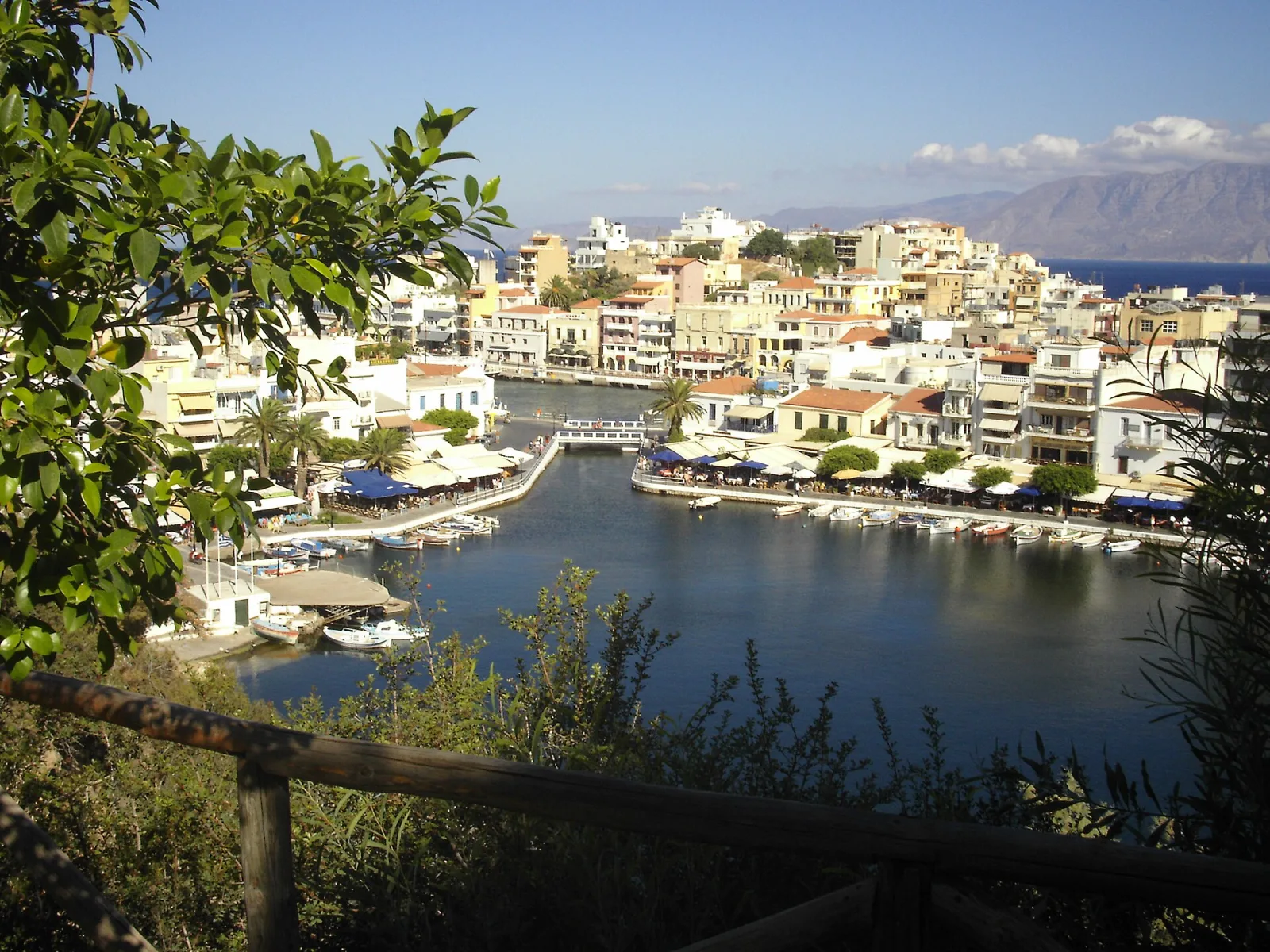
Top Things to Do in Agios Nikolaos
Agios Nikolaos is one of Crete's most appealing seaside towns, built around a small lake and within easy reach of Spinalonga, Elounda and the mountains.
