


Xinomavro and the Wines of Northern Greece
Thessaloniki serves as the gateway to the storied vineyards of Northern Greece, where the noble Xinomavro grape reigns supreme.
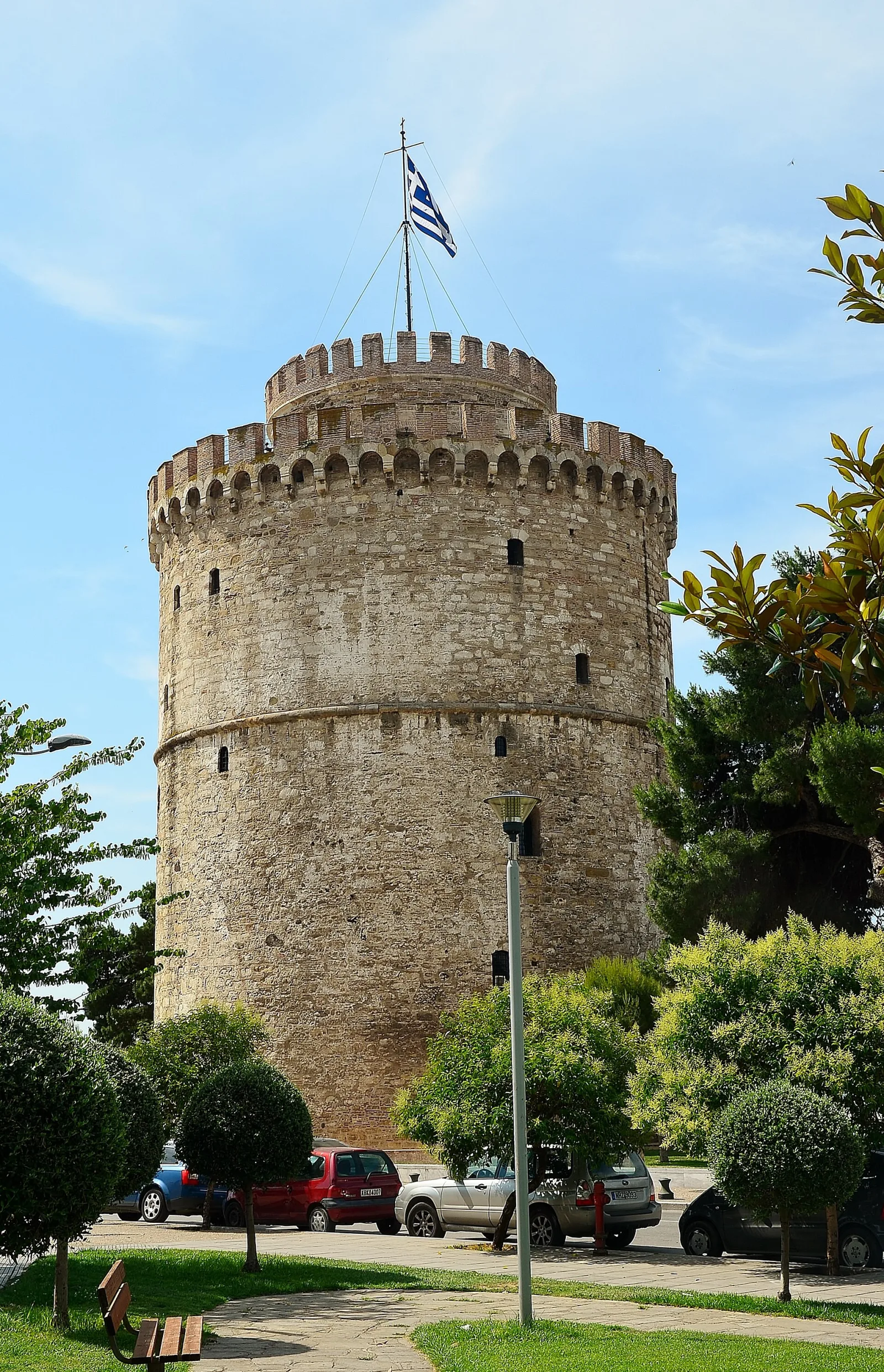
The Heart of Northern Viticulture
Thessaloniki is more than just a vibrant urban center; it is the culinary and viticultural capital of Northern Greece. While the city is famous for its Byzantine history, waterfront promenades, and bustling markets like Modiano and Kapani, it also acts as the primary hub for the nearby wine regions of Naoussa, Amyndeon, and Goumenissa. These areas are the ancestral homes of Xinomavro, a grape variety that has gained international acclaim for its complexity, high acidity, and aging potential.
Understanding Xinomavro
Xinomavro, which translates literally to 'acid-black,' is the signature red grape of Macedonia. It is a challenging variety to cultivate, often compared by experts to Nebbiolo or Pinot Noir due to its sensitivity to terroir and its ability to express the specific character of the land. The wines are typically deep in color, though they can fade to a brick-red hue as they age. On the palate, they are characterized by assertive tannins and a bright, refreshing acidity, accompanied by complex aromatic profiles that include sun-dried tomatoes, black olives, forest fruits, and occasionally earthy notes of tobacco or leather.
The Regional Variations
The character of Xinomavro changes significantly depending on where it is grown in the north:

- Naoussa: Known for producing the most structured and tannic versions of the grape. These wines are often powerful and require time in the bottle to soften.
- Amyndeon: Located at a higher altitude with cooler temperatures, this region produces wines that are generally more elegant, aromatic, and approachable at a younger age. It is also famous for its high-quality sparkling Xinomavro.
- Goumenissa: Here, Xinomavro is frequently blended with Negoska, another local variety. This addition softens the harsh tannins of the Xinomavro, resulting in a wine that is rounder, fruitier, and more velvety.
How to Enjoy Wine in Thessaloniki
In Thessaloniki, wine is an integral part of the social fabric. Locals rarely drink in isolation; wine is almost always paired with food. When visiting the city, head to the historic Ladadika district or the smaller, traditional ouzeri tucked away in the side streets near the Roman Forum. You will find that wine lists in these establishments focus heavily on local Macedonian producers.
For a traditional experience, order a carafe of house wine or ask for a glass of Xinomavro to accompany a spread of meze. The high acidity of the wine makes it a perfect partner for the rich, savory flavors of Northern Greek cuisine. It cuts through the fat of slow-cooked lamb, grilled sausages, or aged cheeses like Graviera. If you prefer white wines, look for Assyrtiko or Malagousia, both of which thrive in the northern climate and offer a crisp, aromatic contrast to the reds.
Essential Vocabulary
- Krasí: Wine.
- Krasí kókino: Red wine.
- Krasí áspro: White wine.
- Meze: Small plates of food served to accompany drinks.
- Ouzerí: A traditional establishment that serves ouzo and meze, though most also offer a good selection of wine.
- Pikilía: A platter of various snacks, perfect for sharing alongside a bottle of wine.
Practical Tips for Travelers
- Tasting Opportunities: Many wine shops in the city center offer guided tastings. Check locally for schedules and availability.
- Pairing Advice: If you are unsure what to order, ask the server for a wine that pairs well with the regional specialties, such as 'soutzoukakia' (spiced meatballs) or 'bouyiourdi' (baked feta with peppers).
- Transportation: Use the city's newly opened metro system or the reliable bus network to navigate between the historical center and the eastern districts, where many modern wine bars are located.
- Airport Access: Thessaloniki Airport (SKG) is well-connected to the city center by bus, with taxis providing a convenient alternative for those carrying luggage.
- Cultural Etiquette: Dining in Greece is a slow affair. Do not rush your meal; it is customary to sit for several hours, enjoying the company and the wine at a relaxed pace.
Plan your trip to Thessaloniki
Compare prices with KAYAKYou'll be taken to KAYAK to compare prices. We may earn a commission at no extra cost to you.
Plan your trip to Thessaloniki
🏨Find hotels on Booking.comBooking.comAffiliate links — we may earn a small commission.
Deals from our travel partners
 PAOK Thessaloniki vs Balkan Botevgrad Tickets - PAOK Arena, 2027-01-13Sports Events 365 · from 102 EUR
Rostock vs Aris Thessaloniki Tickets - Stadthalle Rostock, 2026-10-20Sports Events 365 · from 71 EUR
Rigas Zelli vs Aris Thessaloniki Tickets - Xiaomi Arena, 2027-01-12Sports Events 365 · from 72 EUR
Aris Thessaloniki vs Rostock Tickets - Nick Galis Hall, 2026-12-22Sports Events 365 · from 102 EUR
PAOK Thessaloniki vs Balkan Botevgrad Tickets - PAOK Arena, 2027-01-13Sports Events 365 · from 102 EUR
Rostock vs Aris Thessaloniki Tickets - Stadthalle Rostock, 2026-10-20Sports Events 365 · from 71 EUR
Rigas Zelli vs Aris Thessaloniki Tickets - Xiaomi Arena, 2027-01-12Sports Events 365 · from 72 EUR
Aris Thessaloniki vs Rostock Tickets - Nick Galis Hall, 2026-12-22Sports Events 365 · from 102 EUR
Affiliate links — we may earn a commission at no extra cost to you.
Related guides
Thessaloniki in 3 Days: The Perfect Itinerary
Thessaloniki rewards slow exploring. This three-day plan covers Roman and Byzantine monuments, the waterfront, old-town lanes and the city's famously good food.
Top Things to Do in Halkidiki
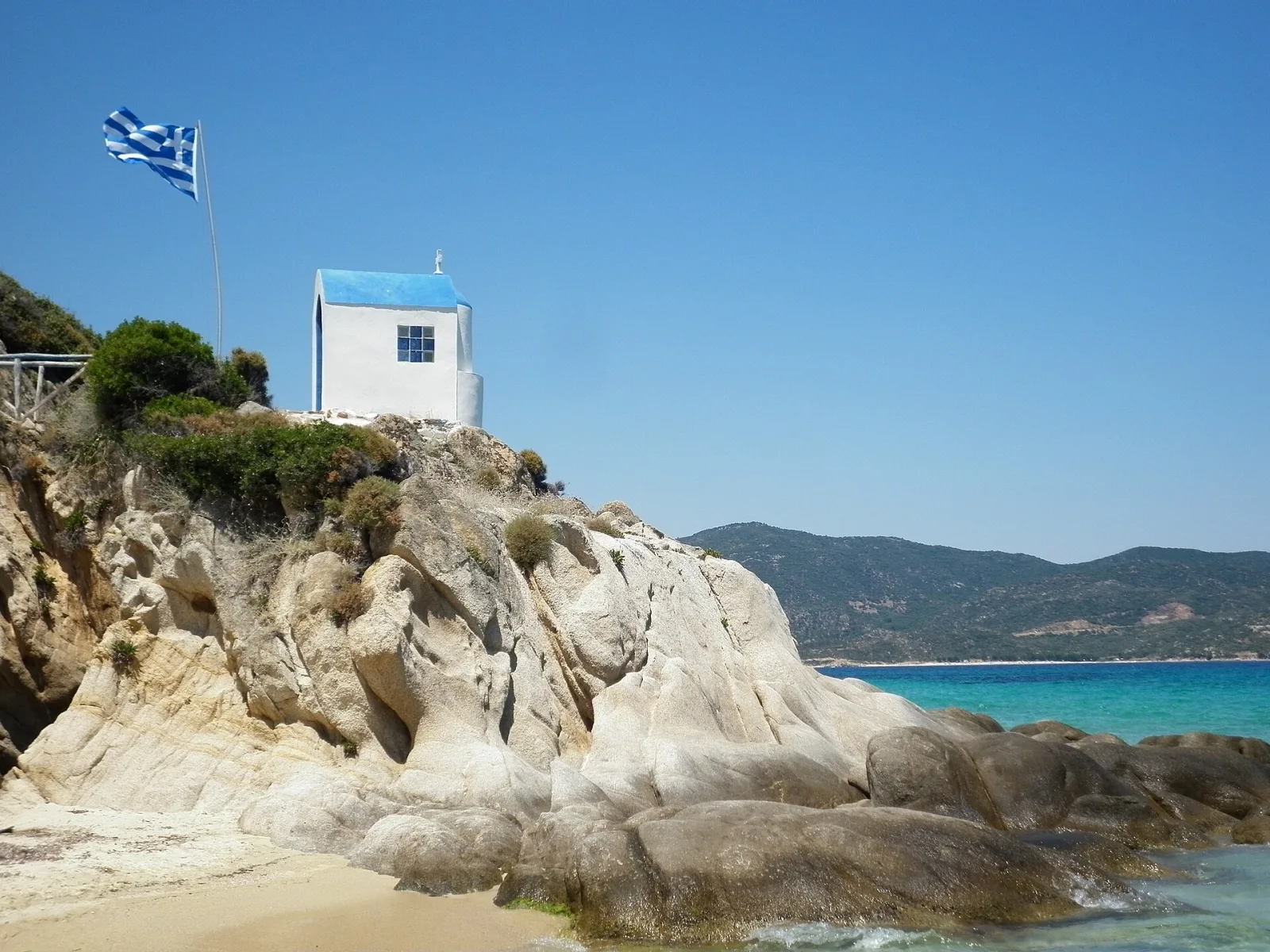
Three finger-shaped peninsulas, pine-fringed beaches and some of the clearest water in the Aegean make Halkidiki northern Greece's favourite summer escape. Here is how to make the most of it.
KTEL Buses in Greece: How Long-Distance Buses Work
KTEL is the network of regional bus companies that connects Greece's towns, villages and ports. Here is how it works, and how to make the most of it.
