


A Guide to Greek Cheeses Beyond Feta
While feta is the global ambassador of Greek dairy, the country offers a vast, regional landscape of artisanal cheeses waiting to be discovered. From sharp mountain hard cheeses to creamy delights, here is your essential guide.
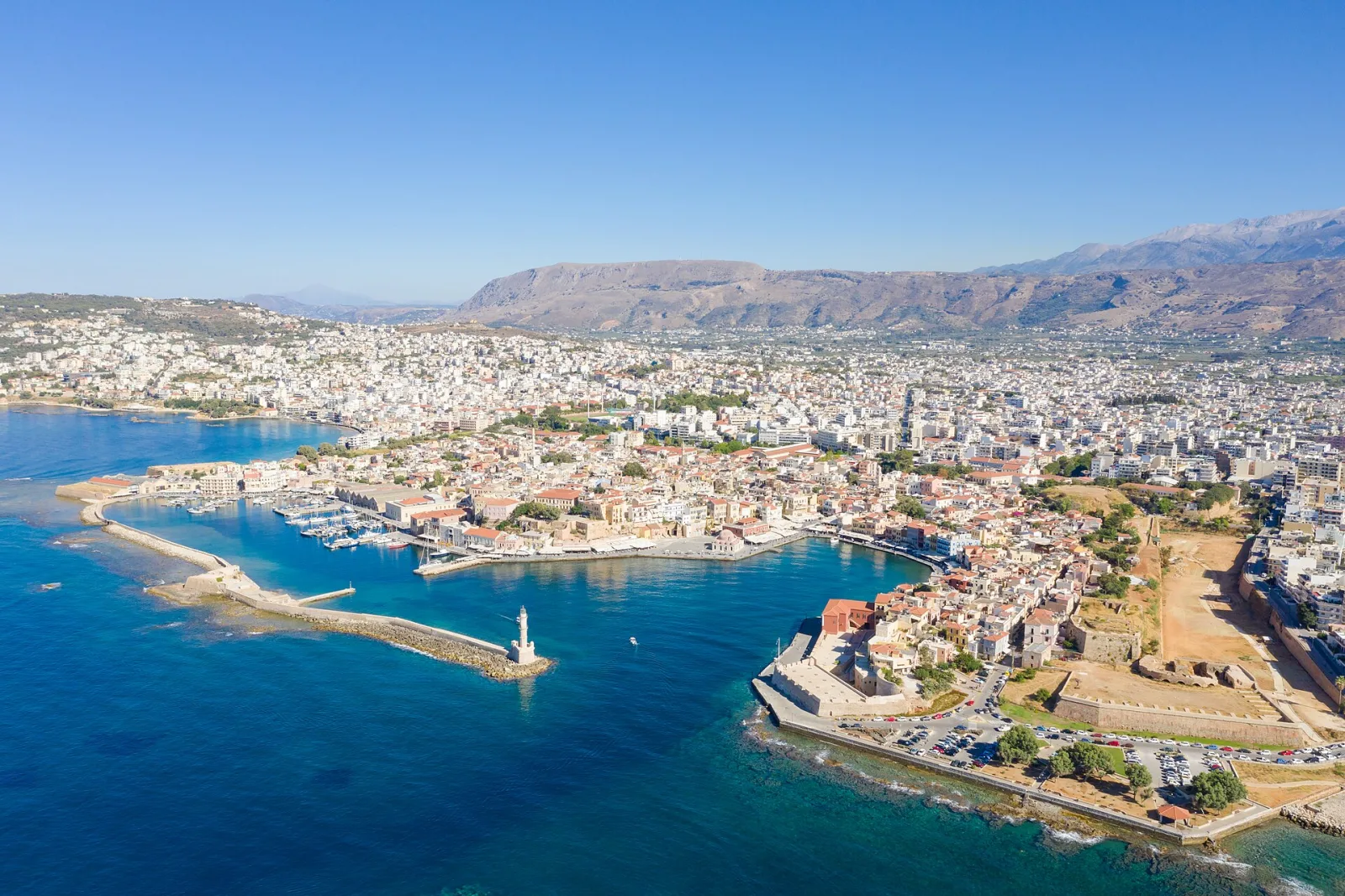
The Diversity of Greek Dairy
Greece possesses an ancient tradition of cheesemaking, deeply tied to its varied topography. With thousands of islands and rugged mountain ranges, the local sheep and goat breeds produce milk with distinct flavor profiles, resulting in a staggering variety of regional cheeses. Moving beyond the ubiquitous feta allows travellers to experience the authentic character of the Greek countryside, where recipes are often passed down through generations.
Graviera: The King of Hard Cheeses
Graviera is perhaps the most celebrated hard cheese in Greece, and its character changes significantly depending on where it is produced. Generally made from sheep’s milk, or a mixture of sheep and goat, it is aged for several months to develop a complex, nutty, and slightly sweet flavor. On the island of Naxos, Graviera is highly prized for its subtle sweetness and smooth texture. In Crete, the Graviera tends to be sharper, sometimes possessing a spicy kick that reflects the wild herbs the livestock graze upon. It is a versatile cheese, perfect for a meze platter, shaved over pasta, or served simply with a drizzle of local honey.
Kasseri: The Everyday Favorite
Kasseri is a semi-hard, pale yellow cheese that is a staple in most Greek households. It has a mild, buttery flavor and a pleasant, elastic texture. It is a member of the pasta filata family, meaning it undergoes a stretching process similar to mozzarella, though it is aged to develop more depth. Kasseri is excellent in a toasted sandwich, known as a 'tost', or served as a table cheese alongside olives and crusty bread. It is particularly popular in Northern Greece, especially in regions like Macedonia and Thessaly.

Manouri: The Creamy Indulgence
For those who prefer something rich and velvety, Manouri is an exceptional choice. Produced primarily in Central and Northern Greece, this is a whey cheese made from the milk left over from the production of other cheeses, often enriched with cream. It is semi-soft, snowy white, and has a delicate, milky flavor with a hint of citrus. Because it does not melt easily, it is often pan-seared and served as a warm appetizer or crumbled over fresh salads. It provides a luxurious contrast to the saltiness of cured meats.
Anthotyros and Mizithra
These two cheeses are often grouped together as they are both fresh, whey-based products. Anthotyros, which translates to 'flower cheese', can be found in both fresh and aged versions. The fresh variety is mild and creamy, often eaten with honey and fruit for breakfast. The aged version is much harder, saltier, and has a pungent aroma, making it ideal for grating over traditional Greek pasta dishes. Mizithra follows a similar pattern; the dried, hard version is a kitchen essential for adding a sharp, savory finish to hot dishes.
Metsovone: The Smoked Specialty
Originating from the mountain town of Metsovo in the Pindus range, Metsovone is one of the few smoked cheeses in Greece. It is a semi-hard, cow's milk cheese that is smoked over local herbs and wood, giving it a deep, earthy, and savory profile. It is a sophisticated cheese that stands out on any platter and pairs beautifully with robust red wines. Its production is limited and strictly controlled, making it a true regional delicacy.
Ladotyri: The Oil-Soaked Treasure
In certain parts of the Aegean, particularly on islands like Lesvos, cheesemakers preserve their hard cheeses by storing them in olive oil. This process, known as 'ladotyri', infuses the cheese with the fruity, peppery notes of the oil and prevents it from drying out. The result is a firm, intensely flavorful cheese that is a highlight of the local culinary scene. It is best enjoyed in thin slices, allowing the oil-infused rind to contribute to the overall tasting experience.
Practical Tips for Cheese Lovers
- Visit local markets to sample cheeses before you buy; vendors are usually happy to offer a small taste.
- Ask for 'tiri' (cheese) at local tavernas; many small establishments serve their own house-made varieties that are not found in supermarkets.
- When buying cheese to take home, ensure it is vacuum-sealed to maintain freshness during your travels.
- Pair your cheese selections with local wines; for example, a sharp Graviera pairs well with a bold red, while a fresh, creamy cheese is perfect with a crisp white wine.
- Always check locally for the best places to purchase artisanal products, as small village dairies often have the most authentic offerings.
Plan your trip to Crete
Compare prices with KAYAKYou'll be taken to KAYAK to compare prices. We may earn a commission at no extra cost to you.
Plan your trip to Crete
🏨Find hotels on Booking.comBooking.comAffiliate links — we may earn a small commission.
Deals from our travel partners
 OFI Crete vs Lech Poznan Tickets - Pankritio Stadium, 2027-01-28Sports Events 365 · from 130 EUR
OFI Crete vs RSC Anderlecht Tickets - Pankritio Stadium, 2026-11-26Sports Events 365 · from 130 EUR
SL Benfica vs OFI Crete Tickets - Estadio da Luz, 2026-12-10Sports Events 365 · from 90 EUR
Hapoel Beer Sheva vs OFI Crete Tickets - Stadionul Giulesti-Valentin Stanescu, 2026-11-05Sports Events 365 · from 162 EUR
OFI Crete vs Lech Poznan Tickets - Pankritio Stadium, 2027-01-28Sports Events 365 · from 130 EUR
OFI Crete vs RSC Anderlecht Tickets - Pankritio Stadium, 2026-11-26Sports Events 365 · from 130 EUR
SL Benfica vs OFI Crete Tickets - Estadio da Luz, 2026-12-10Sports Events 365 · from 90 EUR
Hapoel Beer Sheva vs OFI Crete Tickets - Stadionul Giulesti-Valentin Stanescu, 2026-11-05Sports Events 365 · from 162 EUR
Affiliate links — we may earn a commission at no extra cost to you.
Related guides

Top Things to Do in Rethymno
Rethymno blends a Venetian and Ottoman old town with a mighty fortress and a long sandy beach. Here is how to make the most of this central Cretan base.
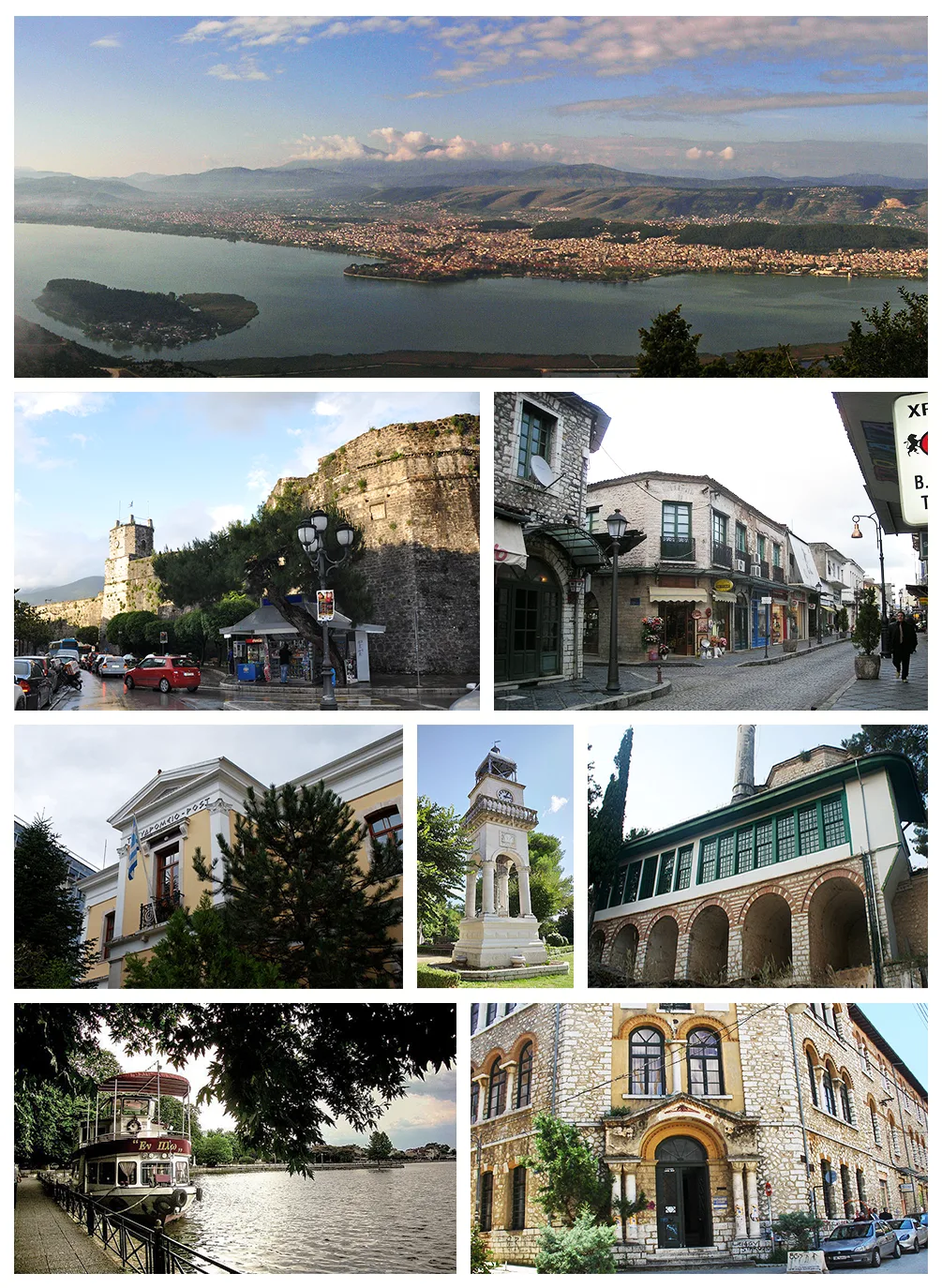
Top Things to Do in Ioannina
Ioannina blends Ottoman monuments, a lively student scene and excellent food on the shores of Lake Pamvotis. Here are the highlights worth your time.
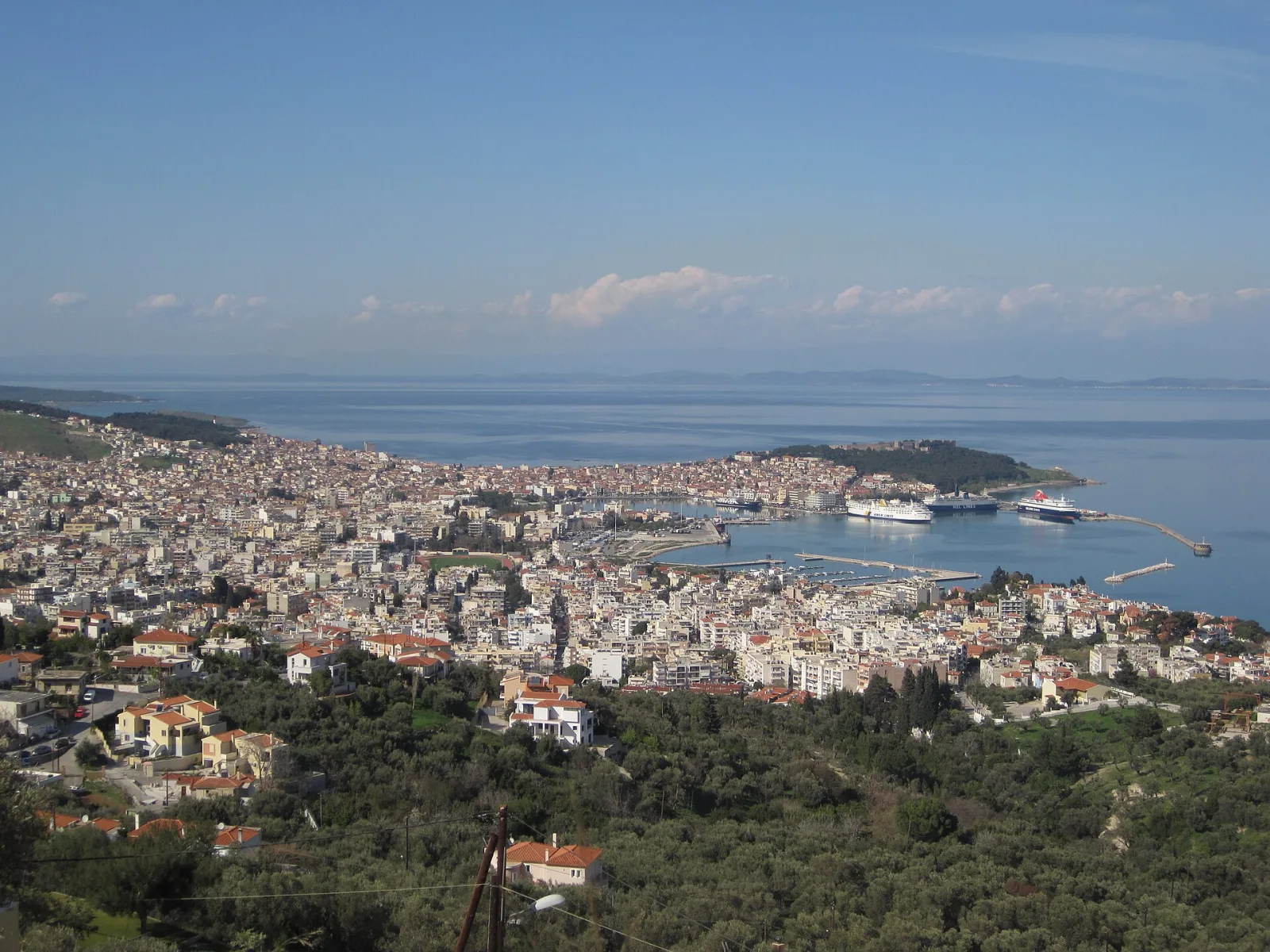
Top Things to Do in Lesvos
Lesvos is a big, varied island with medieval villages, otherworldly rock formations, olive groves and some of the Aegean's finest ouzo. Here is how to make the most of it.
