


Aegina Pistachios: Tasting Greece's Famous Nut
Aegina is world-renowned for its unique, high-quality pistachios. This guide explores the history, cultivation, and culinary uses of the island's most famous export.
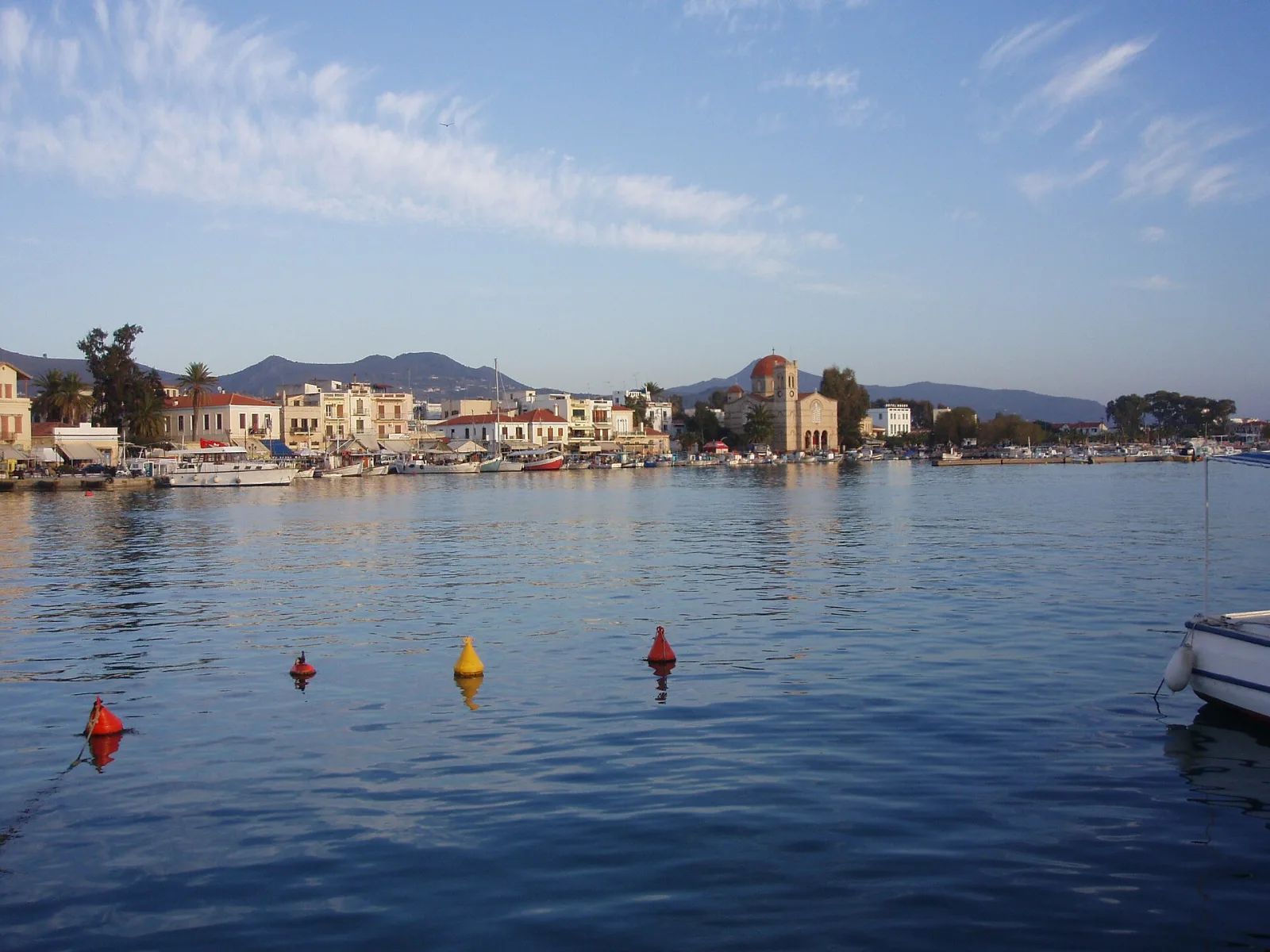
The Pride of Aegina
When approaching the port of Aegina, it is impossible to miss the influence of the island's most famous agricultural product. The pistachio, or fistiki in Greek, is not merely a snack here; it is a point of local pride and a cornerstone of the island’s economy. The specific microclimate of Aegina, characterized by the volcanic soil and the cooling sea breezes of the Saronic Gulf, provides the ideal conditions for the Pistacia vera tree to thrive. This results in a nut that is widely considered to be more flavorful and aromatic than those grown in other parts of the world.
Understanding the Aegina Pistachio
The Aegina pistachio is officially protected by a Protected Designation of Origin (PDO) status. This certification ensures that only nuts grown under specific conditions on the island can bear the name. The harvesting process is a labor-intensive tradition that typically occurs in late summer. Once the outer hull is removed, the nuts are sun-dried to reach the perfect moisture level, which concentrates their natural sweetness and earthy profile. Unlike many mass-produced varieties, Aegina pistachios are often roasted lightly with sea salt, allowing the natural, buttery taste of the kernel to remain the star of the show.
Culinary Uses and Local Delicacies
On the island, you will find the pistachio incorporated into almost every type of food imaginable. It is a versatile ingredient that bridges the gap between savory and sweet.

- Pistachio Pesto: A local variation of the classic Italian sauce, using crushed pistachios, olive oil, garlic, and local herbs. It is frequently tossed with pasta or served alongside fresh grilled fish.
- Spoon Sweets: Known as glyko tou koutaliou, this is a traditional preserve where the nuts are boiled in syrup. It is a classic accompaniment to Greek coffee or served over thick strained yogurt.
- Pasteli: This ancient energy bar is made by combining pistachios with honey and sesame seeds. It is a popular, nutritious snack for travelers exploring the Temple of Aphaia or the monastery of Agios Nektarios.
- Gelato and Pastries: You will find numerous artisanal shops in the main harbour town offering pistachio-flavored ice cream, baklava, and cookies. The vibrant green color and rich texture make these treats a must-try.
How to Enjoy Them Like a Local
Locals typically enjoy pistachios as a simple, raw snack during the afternoon hours, often accompanied by a glass of ouzo or tsipouro. The slight saltiness of the nut pairs perfectly with the anise-flavored spirit. When purchasing them, look for the unpeeled, lightly roasted variety, as they retain the most freshness. If you are visiting the main town, you will find many stalls and small shops lining the waterfront that specialize exclusively in pistachio products. These vendors are excellent sources of information regarding the current harvest and the various grades of nuts available.
Useful Greek Vocabulary
- Fistiki (Φιστίκι): The Greek word for pistachio.
- Fistiki Aeginis (Φιστίκι Αίγινας): Specifically refers to the Aegina pistachio.
- Glyko (Γλυκό): Sweet or dessert.
- Kelyfos (Κέλυφος): The shell of the nut.
- Domi (Δομή): Refers to the texture of the nut.
Practical Tips for Travelers
- Timing your visit: If you are interested in the harvest, plan your trip for late August or early September.
- Where to buy: The main harbour town is the best place to find high-quality, vacuum-packed pistachios that are easy to transport home.
- Support local: Look for products labeled with the official PDO seal to ensure you are buying genuine Aegina-grown nuts rather than imports.
- Exploration: Combine your pistachio tasting with a visit to the Temple of Aphaia or a boat trip to the nearby Moni islet for a well-rounded experience.
- Check locally: Always verify the current status of farms or cooperatives if you wish to visit a grove, as some are family-run and operate on seasonal schedules.
Plan your trip to Aegina
Compare prices with KAYAKYou'll be taken to KAYAK to compare prices. We may earn a commission at no extra cost to you.
Plan your trip to Aegina
🏨Find hotels on Booking.comBooking.comAffiliate links — we may earn a small commission.
Deals from our travel partners
 Olympiacos Pireus vs Paris Basketball Tickets - Peace & Friendship Stadium, 2027-01-15Sports Events 365 · from 130 EUR
PAOK Thessaloniki vs Balkan Botevgrad Tickets - PAOK Arena, 2027-01-13Sports Events 365 · from 102 EUR
Aris Thessaloniki vs Rostock Tickets - Nick Galis Hall, 2026-12-22Sports Events 365 · from 102 EUR
Olympiacos Pireus vs Panathinaikos Athens Tickets - Peace & Friendship Stadium, 2027-02-12Sports Events 365 · from 180 EUR
Olympiacos Pireus vs Paris Basketball Tickets - Peace & Friendship Stadium, 2027-01-15Sports Events 365 · from 130 EUR
PAOK Thessaloniki vs Balkan Botevgrad Tickets - PAOK Arena, 2027-01-13Sports Events 365 · from 102 EUR
Aris Thessaloniki vs Rostock Tickets - Nick Galis Hall, 2026-12-22Sports Events 365 · from 102 EUR
Olympiacos Pireus vs Panathinaikos Athens Tickets - Peace & Friendship Stadium, 2027-02-12Sports Events 365 · from 180 EUR
Affiliate links — we may earn a commission at no extra cost to you.
Related guides

Meteora in 3 Days: The Perfect Itinerary
Giant sandstone pillars, Byzantine monasteries and some of Greece's best sunsets make Meteora a destination worth three full days. Here is how to spend them well.
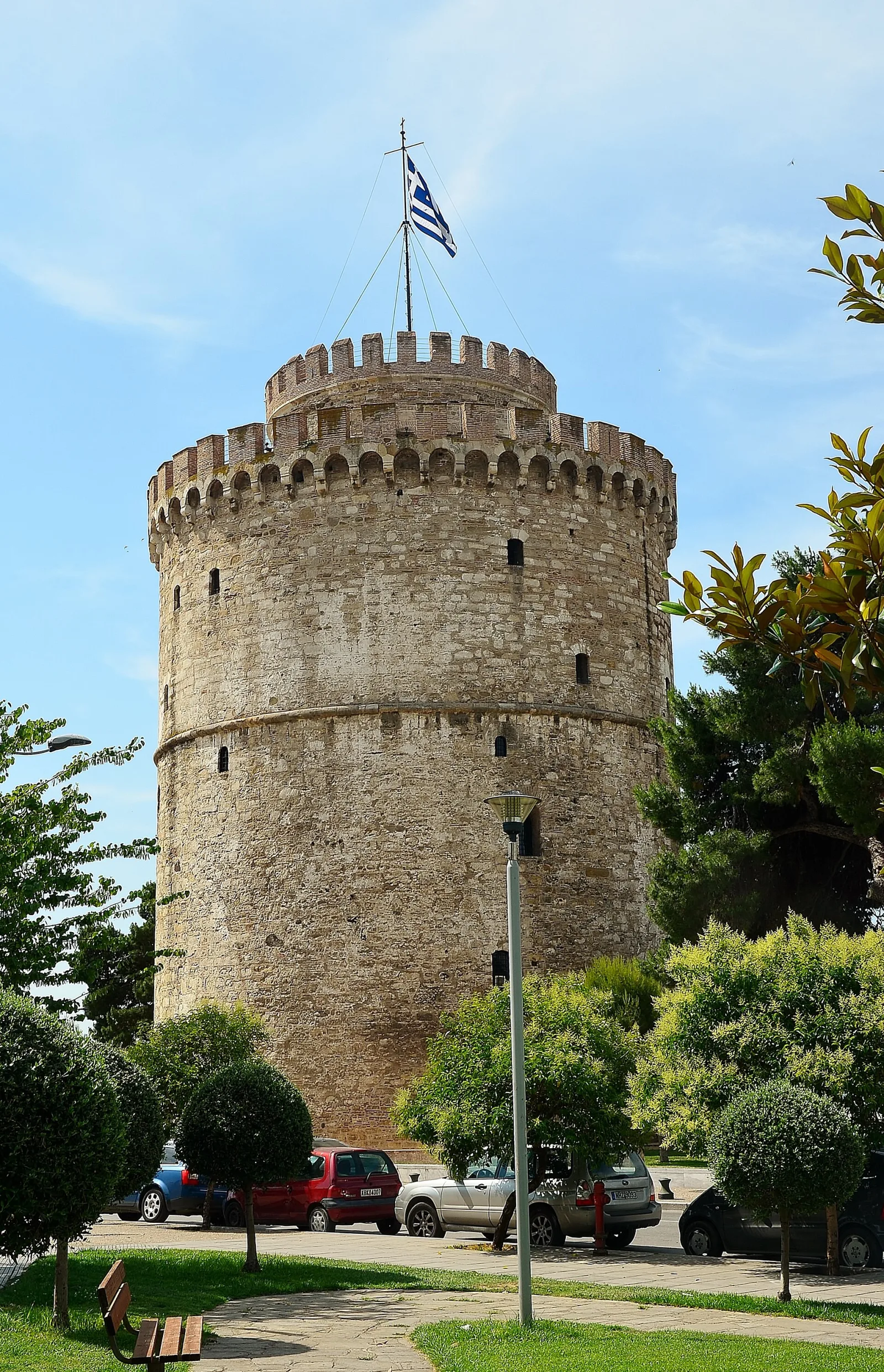
Thessaloniki in 3 Days: The Perfect Itinerary
Thessaloniki rewards slow exploring. This three-day plan covers Roman and Byzantine monuments, the waterfront, old-town lanes and the city's famously good food.
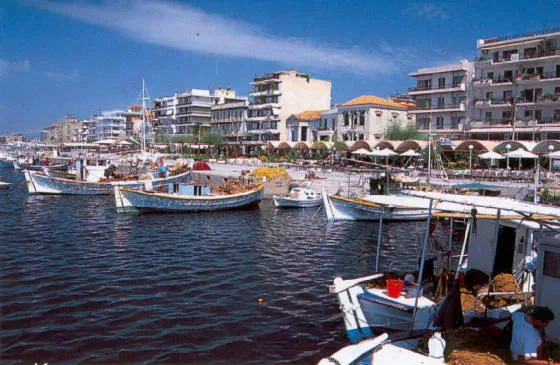
Top Things to Do in Kalamata
Kalamata is a relaxed seaside city famous for its olives, with a charming old town, a hilltop castle and a long sandy beach. It also makes an ideal base for exploring Messinia and the Mani.
