


Beach Etiquette and Safety in Greece
Understanding local customs and safety practices is essential for a smooth beach day in Greece. This guide covers everything from sun protection to respecting shared public spaces.
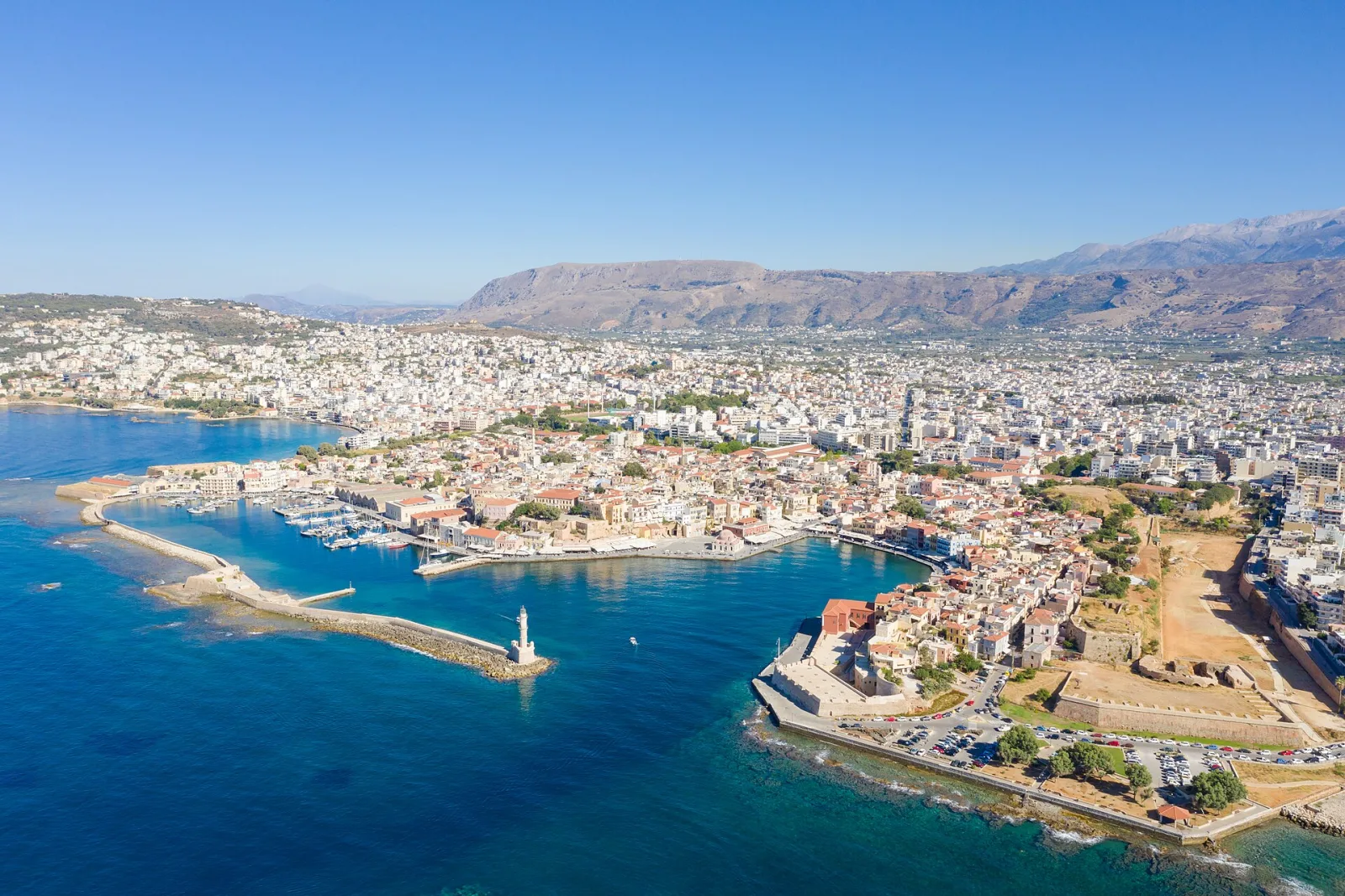
The Rhythm of the Greek Coast
Greece offers thousands of miles of coastline, ranging from organized sandy beaches with full facilities to rugged, secluded coves. While the Mediterranean sun is a primary draw, enjoying the shore requires a blend of common sense, respect for the environment, and an understanding of local social norms. Whether you are visiting the popular shores of Crete or the serene coves of the Ionian islands, the following practices will help you navigate the coastal landscape with ease.
Understanding Beach Organization
Many Greek beaches are divided into organized and non-organized sections. Organized beaches feature sunbeds and umbrellas, which are typically managed by a nearby beach bar or tavern. If you choose to rent a set, expect to pay a fee for the day. It is considered polite to purchase at least a drink or a snack from the establishment managing the area if you occupy their equipment. In non-organized areas, you are free to set up your own towel and umbrella anywhere you like. Always be mindful of space; setting up your belongings directly in front of someone else’s view or too close to their personal bubble is discouraged.
Sun Safety and Environmental Awareness
The Greek sun is significantly stronger than many visitors anticipate, especially between noon and four in the afternoon. High-SPF sunscreen, wide-brimmed hats, and UV-protected sunglasses are not just accessories; they are essential tools for preventing heatstroke and severe burns. Stay hydrated by carrying plenty of bottled water, as many remote beaches lack potable water sources.

Respecting the marine environment is a responsibility shared by all beachgoers. Littering is strictly frowned upon and contributes to the degradation of the delicate Mediterranean ecosystem. Always carry a small bag for your trash and remove it from the beach if there are no bins available. Furthermore, avoid removing pebbles, shells, or sea life from the shore, as these are vital components of the natural habitat.
Navigating Water Safety
While the Aegean and Ionian seas are generally inviting, conditions can change rapidly. Always observe the flag system if one is present at the beach. A red flag indicates that swimming is dangerous due to high waves or strong currents. Even on calm days, be aware of your surroundings. Some beaches, particularly in areas like the Cyclades, are prone to the 'Meltemi' wind, which can create strong offshore currents that make returning to shore difficult for inexperienced swimmers.
If you are exploring rocky coastlines, such as those found in Mani or the Ionian islands, consider wearing water shoes. Sea urchins are common in many areas of Greece; they are not aggressive, but stepping on one can cause significant discomfort. If you do happen to step on a spine, seek advice from a local pharmacy or tavern owner, as they are well-versed in local remedies.
Social Etiquette and Noise Levels
Greek beaches are communal spaces where families, groups of friends, and solo travelers coexist. While beach bars often play music, keeping the volume of your own portable speakers to a minimum is a sign of respect for others seeking a peaceful environment. Furthermore, while the dress code on Greek beaches is generally relaxed, it is standard practice to cover up—at least with a sarong or light shirt—when walking through town or entering a tavern to eat. Walking into a restaurant in nothing but a swimsuit is considered inappropriate in most coastal villages.
Practical Tips for Beachgoers
- Check local weather forecasts daily, particularly regarding wind speeds, as this dictates the best side of the island for swimming.
- Always carry a small amount of cash, as some remote beach canteens may not accept cards.
- If you are unsure about the safety of a particular beach, ask the staff at your accommodation or a local tavern owner.
- Be mindful of 'Blue Flag' beaches, which are recognized for their high standards of water quality, safety, and environmental management.
- If you are visiting popular islands during peak season, arrive early in the morning to secure a spot, as the best areas fill up quickly.
- Avoid using harsh chemicals or non-biodegradable products before entering the water to help protect the clarity of the sea.
Plan your trip to Crete
Compare prices with KAYAKYou'll be taken to KAYAK to compare prices. We may earn a commission at no extra cost to you.
Plan your trip to Crete
🏨Find hotels on Booking.comBooking.comAffiliate links — we may earn a small commission.
Deals from our travel partners
 OFI Crete vs Lech Poznan Tickets - Pankritio Stadium, 2027-01-28Sports Events 365 · from 130 EUR
OFI Crete vs RSC Anderlecht Tickets - Pankritio Stadium, 2026-11-26Sports Events 365 · from 130 EUR
SL Benfica vs OFI Crete Tickets - Estadio da Luz, 2026-12-10Sports Events 365 · from 90 EUR
Hapoel Beer Sheva vs OFI Crete Tickets - Stadionul Giulesti-Valentin Stanescu, 2026-11-05Sports Events 365 · from 162 EUR
OFI Crete vs Lech Poznan Tickets - Pankritio Stadium, 2027-01-28Sports Events 365 · from 130 EUR
OFI Crete vs RSC Anderlecht Tickets - Pankritio Stadium, 2026-11-26Sports Events 365 · from 130 EUR
SL Benfica vs OFI Crete Tickets - Estadio da Luz, 2026-12-10Sports Events 365 · from 90 EUR
Hapoel Beer Sheva vs OFI Crete Tickets - Stadionul Giulesti-Valentin Stanescu, 2026-11-05Sports Events 365 · from 162 EUR
Affiliate links — we may earn a commission at no extra cost to you.
Related guides

Top Things to Do in Karpathos
Rugged, unhurried and full of character, Karpathos rewards travellers who venture beyond the port. Here are the experiences worth planning your days around.
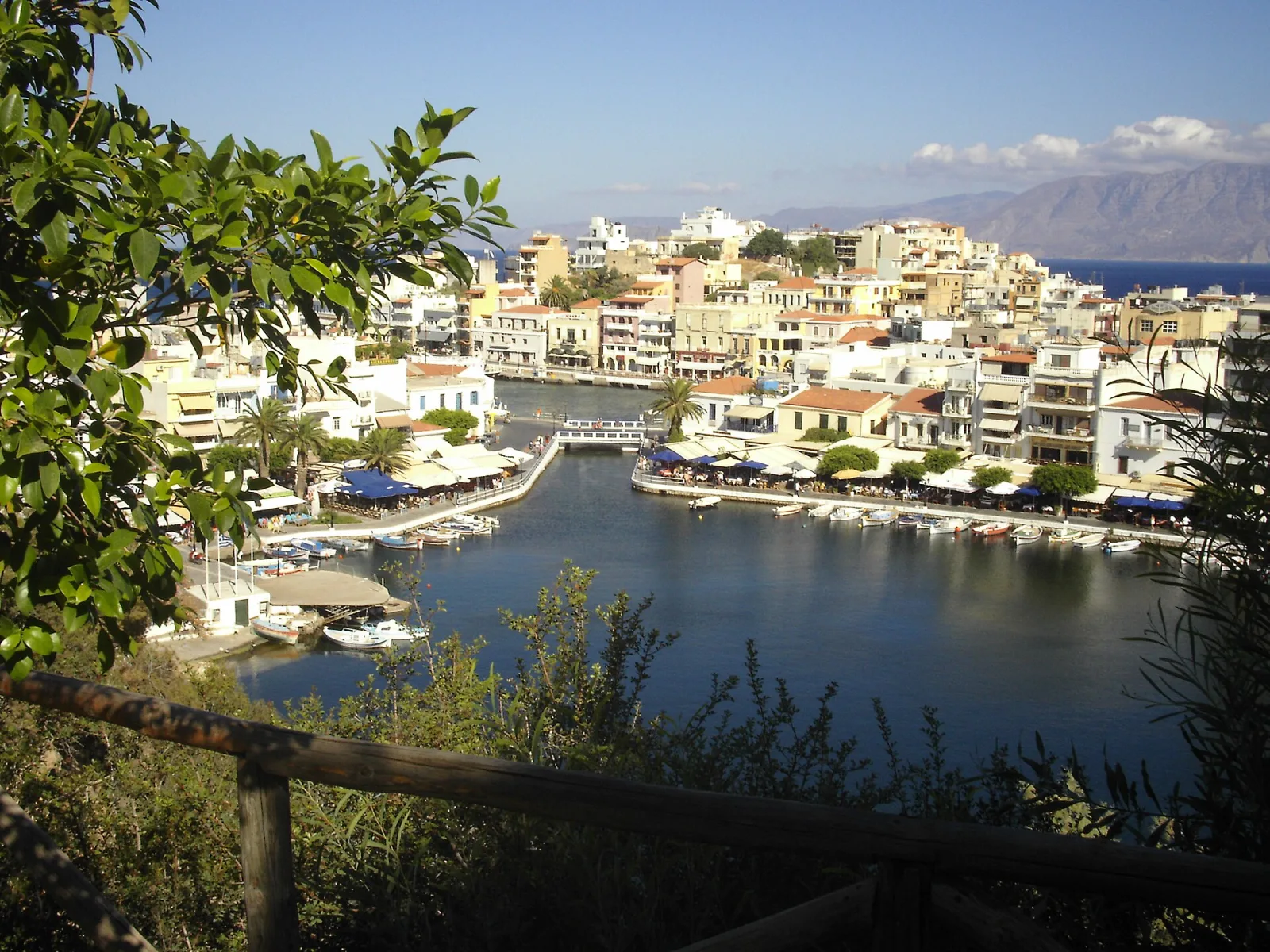
Top Things to Do in Agios Nikolaos
Agios Nikolaos is one of Crete's most appealing seaside towns, built around a small lake and within easy reach of Spinalonga, Elounda and the mountains.
Crete in 3 Days: The Perfect Itinerary
Three days is short for Crete, but enough to see an ancient palace, a Venetian harbour and one of the island's famous beaches. Here is a realistic route that doesn't rush you.
