


Christmas in Greece: Traditions, Carols and the Christmas Boat
Experience the warmth of a Greek Christmas, where ancient customs meet festive cheer. Discover the significance of the karavaki boat, the tradition of kalanta, and the importance of Agios Vasilis.
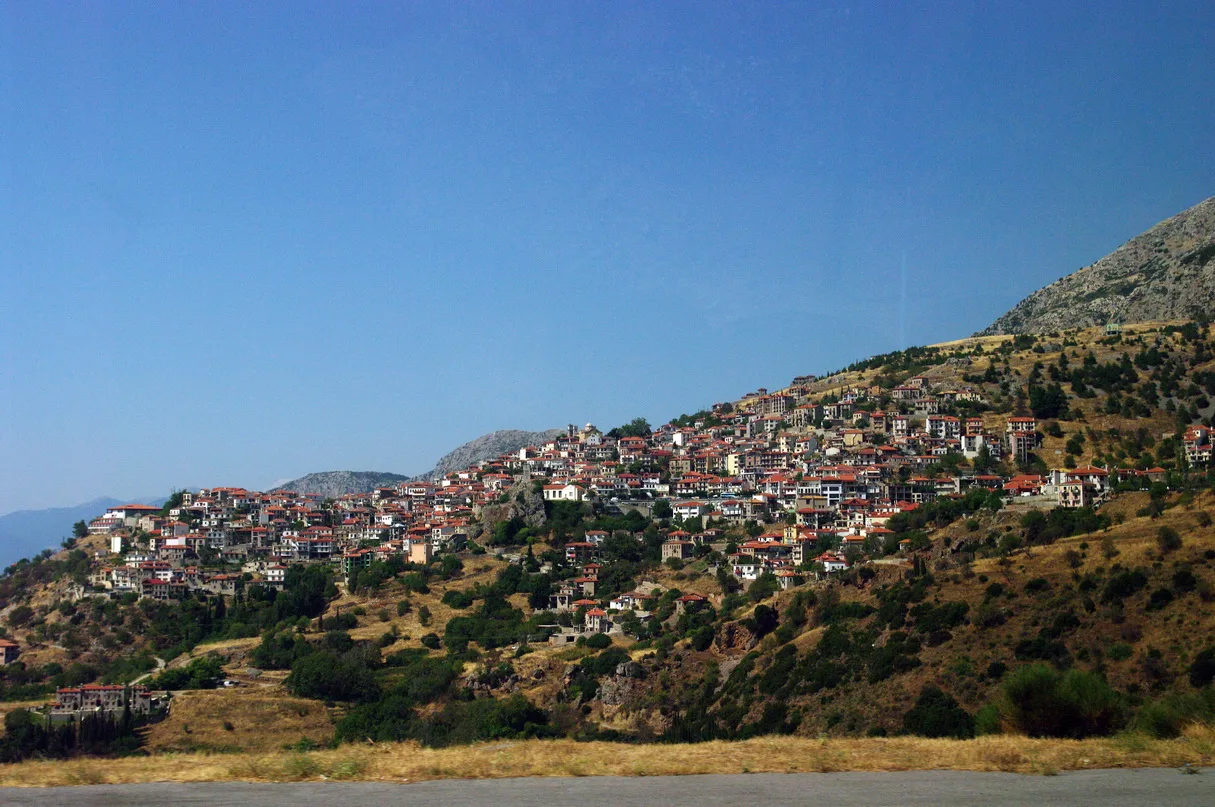
A Season of Light and Tradition
Christmas in Greece is a time of deep-rooted custom and communal celebration. Unlike the snowy, fireplace-centric image of the season found in Northern Europe, the Greek festive period is defined by a blend of Orthodox religious observance and vibrant local folklore. The season typically spans from late November through early January, culminating in the feast of Epiphany. Travelers visiting during this time will find cities and villages illuminated, with a distinct atmosphere that focuses on family, food, and the ringing of bells.
The Symbolism of the Karavaki
While the modern Christmas tree is now a staple in Greek homes and public squares, the traditional Greek symbol of the season is the karavaki, or small boat. Historically, this tradition honored the sailors returning home to their families after long voyages at sea. Families would decorate small wooden model boats with lights and ornaments to welcome their loved ones. Today, the karavaki remains a beloved cultural icon, often displayed alongside trees in town centers and homes. It serves as a poignant reminder of Greece's profound connection to the maritime world and the importance of homecoming during the holidays.
Kalanta: The Sound of the Season
One of the most charming aspects of the Greek festive season is the singing of kalanta, or carols. These are not merely songs but ancient musical traditions that carry wishes for health and prosperity. Groups of children, often accompanied by small metal triangles, go door-to-door on three specific mornings: Christmas Eve, New Year's Eve, and Epiphany Eve. It is customary for households to offer the children small treats or coins in appreciation. Hearing the rhythmic clinking of the triangles in the crisp winter air is a quintessential Greek holiday experience.

Culinary Traditions and the 40-Day Fast
For many, the Christmas period is preceded by a period of fasting, known as the Sarakosti, which lasts for forty days before Christmas Day. This period of abstinence from meat, dairy, and oil is traditionally followed by a grand feast on Christmas Day, where roasted lamb or pork takes center stage. A central feature of the holiday table is christopsomo, or 'Christ’s Bread.' This is a specially prepared, sweet, leavened loaf, often decorated with intricate dough symbols, such as a cross or shapes representing the family’s trade. Other staples include melomakarona, honey-soaked walnut cookies, and kourabiedes, almond shortbread dusted with a thick layer of powdered sugar.
Agios Vasilis and New Year
In Greece, the primary gift-giving day is January 1st, the feast day of Saint Basil, or Agios Vasilis. Unlike the Western tradition of Santa Claus arriving on Christmas Eve, Agios Vasilis is the figure who brings gifts to children on New Year’s Day. He is traditionally depicted as a darker-haired, bearded figure, and his arrival is celebrated with the cutting of the vasilopita. This New Year’s cake contains a hidden coin; the person who finds the coin in their slice is said to be blessed with good luck for the coming year. The cake is cut in a specific order, with the first piece often dedicated to Christ, the second to the Virgin Mary, and others to the household, the poor, and family members.
Practical Tips for Travelers
- Plan Ahead: While the festive atmosphere is consistent, specific events, concerts, and public holiday hours are usually announced by local municipalities in the autumn. Always check the official municipal website of your destination before finalizing your itinerary for late 2026.
- Respect Traditions: Christmas and New Year are significant religious holidays. Be mindful that many shops and smaller businesses will close on the main holidays, including Christmas Day, Boxing Day, and New Year’s Day.
- Dress for the Weather: Even in the southern regions, winter in Greece can be damp and chilly, especially in the evenings. Pack layers, a sturdy coat, and comfortable walking shoes.
- Local Customs: If you are in a smaller village, you may witness local customs unique to that region. Be respectful and observant, as these traditions are deeply meaningful to the local communities.
- Booking Accommodation: Popular destinations like Athens, Thessaloniki, and mountain villages in the north can get busy during the holiday period. Book your accommodation well in advance to ensure availability.
Plan your trip to Arachova
Compare prices with KAYAKYou'll be taken to KAYAK to compare prices. We may earn a commission at no extra cost to you.
Plan your trip to Arachova
🏨Find hotels on Booking.comBooking.comAffiliate links — we may earn a small commission.
Deals from our travel partners
 PAOK Thessaloniki vs Balkan Botevgrad Tickets - PAOK Arena, 2027-01-13Sports Events 365 · from 102 EUR
PAOK Thessaloniki vs BC Lietkabelis Tickets - PAOK Arena, 2026-12-19Sports Events 365 · from 102 EUR
Aris Thessaloniki vs San Pablo Burgos Tickets - Nick Galis Hall, 2026-12-09Sports Events 365 · from 102 EUR
Olympiacos F.C. vs Sparta Prague Tickets - Karaiskaki Stadium, 2026-10-22Sports Events 365 · from 176 EUR
PAOK Thessaloniki vs Balkan Botevgrad Tickets - PAOK Arena, 2027-01-13Sports Events 365 · from 102 EUR
PAOK Thessaloniki vs BC Lietkabelis Tickets - PAOK Arena, 2026-12-19Sports Events 365 · from 102 EUR
Aris Thessaloniki vs San Pablo Burgos Tickets - Nick Galis Hall, 2026-12-09Sports Events 365 · from 102 EUR
Olympiacos F.C. vs Sparta Prague Tickets - Karaiskaki Stadium, 2026-10-22Sports Events 365 · from 176 EUR
Affiliate links — we may earn a commission at no extra cost to you.
Related guides
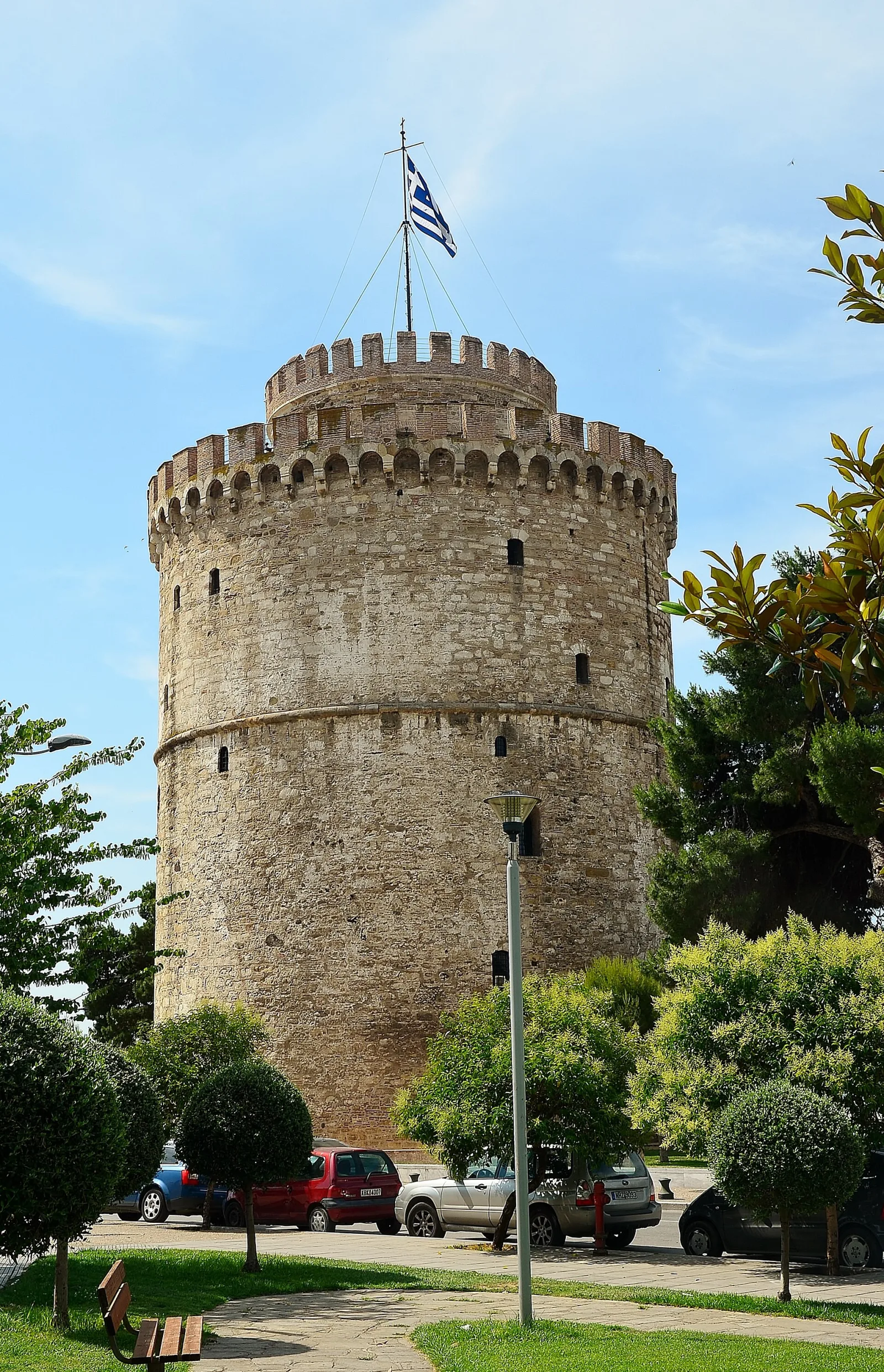
Thessaloniki in 3 Days: The Perfect Itinerary
Thessaloniki rewards slow exploring. This three-day plan covers Roman and Byzantine monuments, the waterfront, old-town lanes and the city's famously good food.
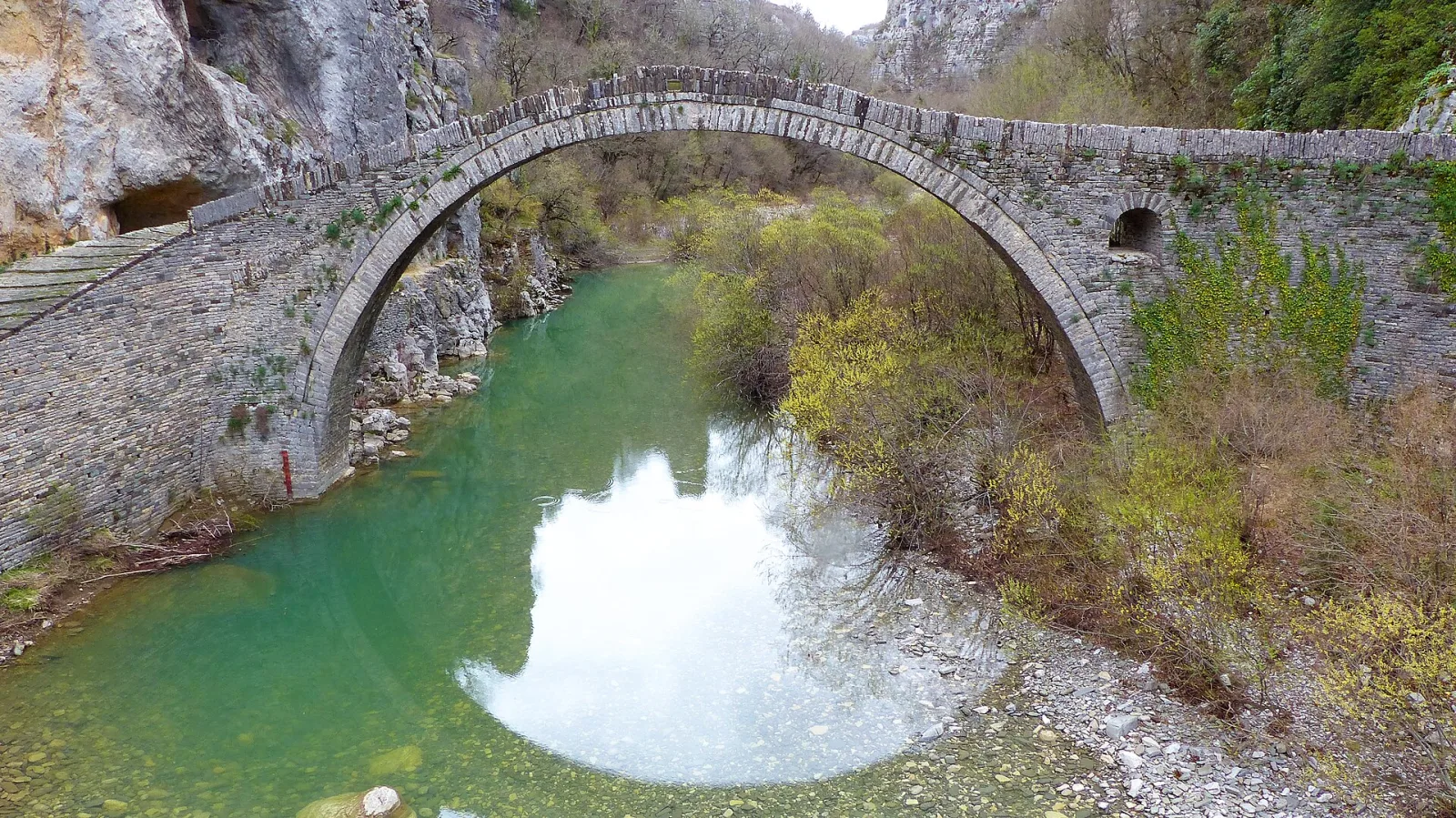
Top Things to Do in Zagori
Zagori is a mountain region of forty-odd stone villages in Epirus, linked by old mule paths and arched bridges. Here is how to make the most of it.
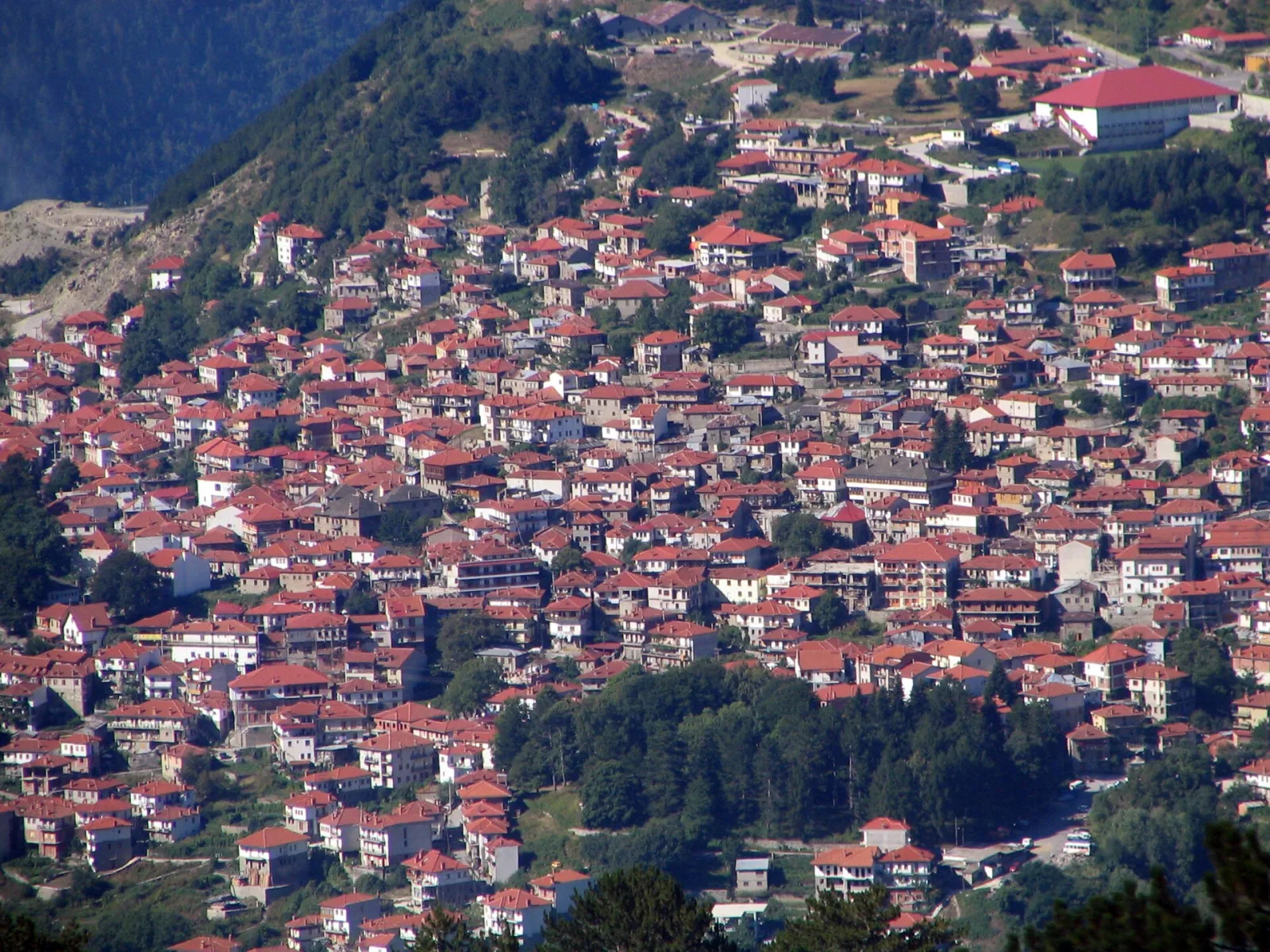
Top Things to Do in Metsovo
High in the Pindus mountains of Epirus, Metsovo is a stone-built village of wood smoke, smoked cheese and local wine. Here is how to make the most of a visit.
