


Cooking Classes in Greece
Exploring Greece through its flavors is an essential part of any trip. Joining a local cooking class offers a unique, hands-on way to master the Mediterranean diet.
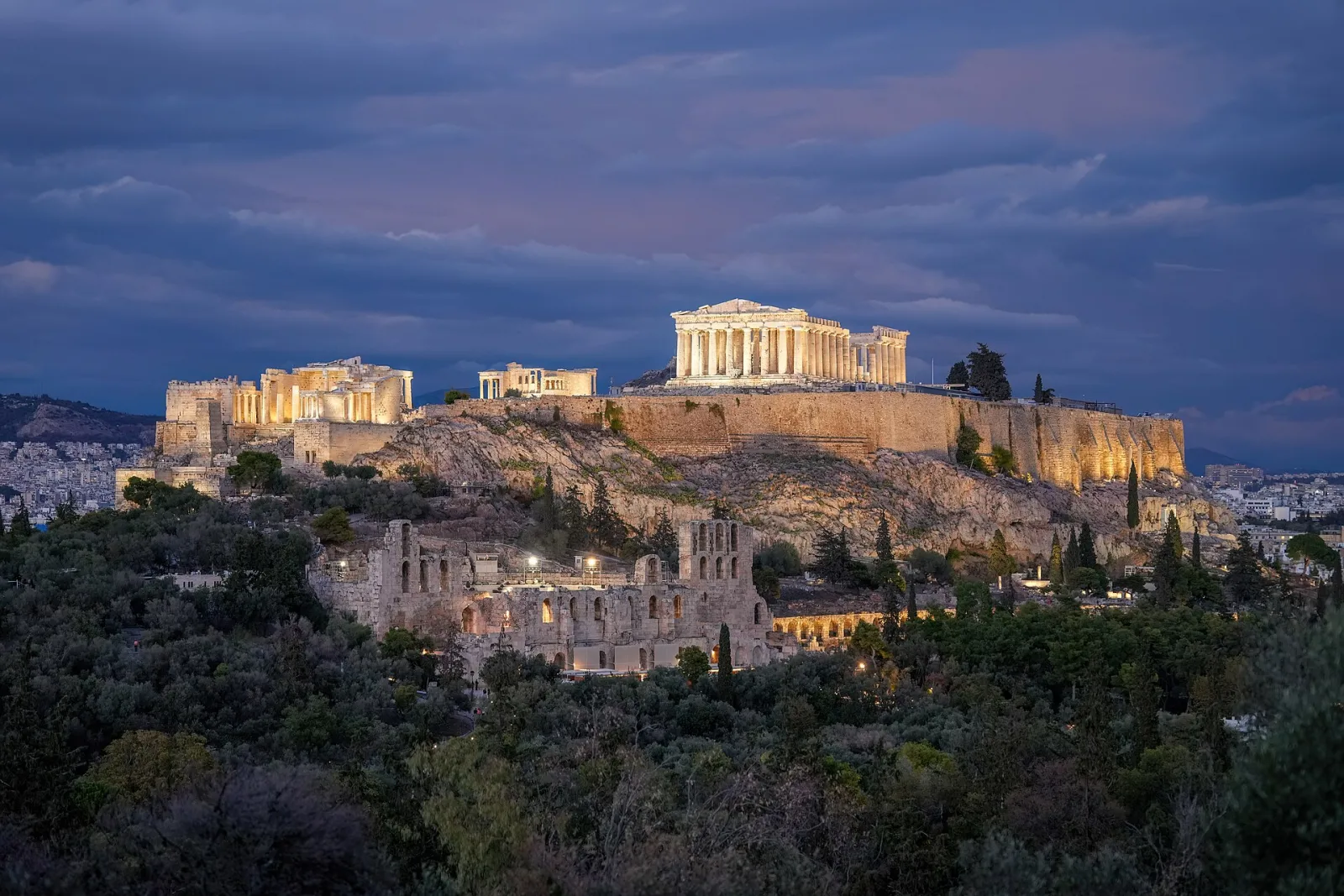
The Essence of Greek Culinary Traditions
Greek food is defined by simplicity, seasonality, and the quality of raw ingredients. Beyond the well-known dishes found on tourist menus, there is a deep-rooted tradition of home cooking that varies significantly from one region to another. Engaging in a cooking class while visiting Greece provides a window into this culture, moving beyond the role of a consumer to that of a participant in a long-standing culinary heritage.
What to Expect from a Class
Most cooking experiences in Greece are designed to be immersive. They often begin with a visit to a local market or a small-scale farm to source ingredients, emphasizing the importance of seasonal produce such as vine-ripened tomatoes, fresh herbs, and high-quality olive oil. Participants typically work in small groups under the guidance of a local cook, learning the techniques behind iconic dishes.
You will likely learn to prepare staples such as:

- Spanakopita: Mastering the art of layering thin, crispy phyllo pastry with a savory spinach and feta filling.
- Moussaka: Understanding the balance of spiced minced meat, tender eggplant, and a rich, creamy bechamel sauce.
- Mezedes: Preparing a variety of small plates, such as tzatziki, dolmades (stuffed vine leaves), and fava bean puree, which are central to the Greek social dining experience.
- Traditional Sweets: Learning the delicate process of making honey-soaked syrup desserts or spoon sweets using local fruits.
Regional Culinary Variations
The geography of Greece plays a major role in its food. Classes in Athens often focus on the cosmopolitan blend of regional styles, while those in Crete highlight the island’s unique diet, characterized by wild greens, barley rusks, and an abundance of local cheeses. In the Peloponnese, you might find classes that focus specifically on the production and application of olive oil, while northern regions like Thessaloniki offer insights into the influence of Balkan and Ottoman culinary history.
Coastal areas often prioritize fresh seafood, teaching students how to properly grill octopus or prepare a traditional fisherman’s kakavia (fish soup). Conversely, mountainous regions such as Zagori or Metsovo emphasize hearty pies made with local flour and mountain herbs, reflecting a more rustic, pastoral way of life.
Why Participate in a Cooking Class?
Beyond the recipes, these classes offer a chance to understand the 'parea'—the Greek concept of gathering around a table to share food, drink, and conversation. Participating in a workshop allows you to ask questions about the history of specific ingredients and the role they play in Greek household life. It is a practical way to learn skills that you can bring back to your own kitchen, allowing you to recreate the taste of your Greek holiday long after you have returned home.
Practical Tips for Your Culinary Adventure
- Book in Advance: Popular classes, especially in major hubs like Athens, Crete, or Santorini, tend to fill up quickly. Check locally for availability.
- Inquire About Dietary Requirements: Most instructors are happy to accommodate vegetarian or gluten-free requests, but it is essential to mention these when booking.
- Dress Comfortably: You will be standing and working in a kitchen environment, so wear practical clothing and closed-toe shoes.
- Ask About Market Visits: If you are interested in food sourcing, look for classes that include a guided tour of a local farmers' market or a visit to a producer, such as an olive mill or a winery.
- Check the Language: While most classes are conducted in English, verify the language of instruction before finalizing your booking.
Plan your trip to Athens
Compare prices with KAYAKYou'll be taken to KAYAK to compare prices. We may earn a commission at no extra cost to you.
Plan your trip to Athens
🏨Find hotels on Booking.comBooking.comAffiliate links — we may earn a small commission.
Deals from our travel partners
 Flights from Athens to BelgradeAir Serbia · from 594 EUR
 Flights from Athens to TivatAir Serbia · from 612 EUR
 Flights from Athens to BarcelonaAir Serbia · from 192 EUR
 Flights from Athens to MunichAir Serbia · from 417 EUR
Affiliate links — we may earn a commission at no extra cost to you.
Related guides

Top Things to Do in Mount Olympus
Greece's highest mountain rewards walkers with gorges, alpine trails and ancient sanctuaries. Here is how to make the most of a visit to Mount Olympus.

Top Things to Do in Kastoria
Kastoria rewards slow travellers with misty lake views, frescoed Byzantine churches and grand old mansions. Here is what to see and how to plan your visit.

Meteora in 3 Days: The Perfect Itinerary
Giant sandstone pillars, Byzantine monasteries and some of Greece's best sunsets make Meteora a destination worth three full days. Here is how to spend them well.
