


Domestic Flights in Greece: When to Fly Instead of Sail
Deciding between flying and sailing in Greece depends on your itinerary and travel pace. Discover the best strategies for efficient island hopping.

The Great Debate: Wings or Waves
Greece is defined by its geography, with hundreds of islands scattered across the Aegean and Ionian seas. For the modern traveller, the perennial question is whether to rely on the extensive ferry network or to utilise the domestic flight infrastructure. While the ferry is an iconic part of the Greek experience, there are specific scenarios where flying is the pragmatic choice to maximise your time on the ground.
When Flying Makes Sense
The primary advantage of domestic flights in Greece is speed. If your destination is a major island hub with an airport, flying can turn a six-hour sea journey into a forty-five-minute hop. This is particularly beneficial for travellers with limited time who wish to see multiple regions without spending their entire holiday in transit.
Consider flying if you are heading to major hubs like Crete, Rhodes, or Corfu. These islands are large, and arriving by air allows you to pick up a rental car at the airport and head straight to your destination. Flying is also the most logical choice if you are travelling during the shoulder seasons when ferry schedules are reduced and sea conditions can occasionally lead to cancellations. If you are starting your trip in Athens and have a tight connection to a distant island, a flight provides a level of reliability that the ferry network cannot always guarantee during inclement weather.

The Case for the Ferry
Ferries are the lifeblood of the Greek islands. They offer an experience that planes cannot replicate: the ability to step onto the deck, feel the salt air, and watch the landscape shift as you approach a port. For shorter distances, such as travelling between islands in the Cyclades or the Saronic Gulf, ferries are often faster when you factor in the time required for airport security and transfers to city centres.
Furthermore, ferries allow for a more relaxed pace. You can move around, visit the onboard cafe, and take in the panoramic views. If you are travelling with a vehicle, the ferry is your only option. Many travellers also find that the cost-benefit analysis favours the ferry, especially when booking well in advance or choosing standard deck seating, which remains an affordable way to navigate the archipelago.
Strategic Itinerary Planning
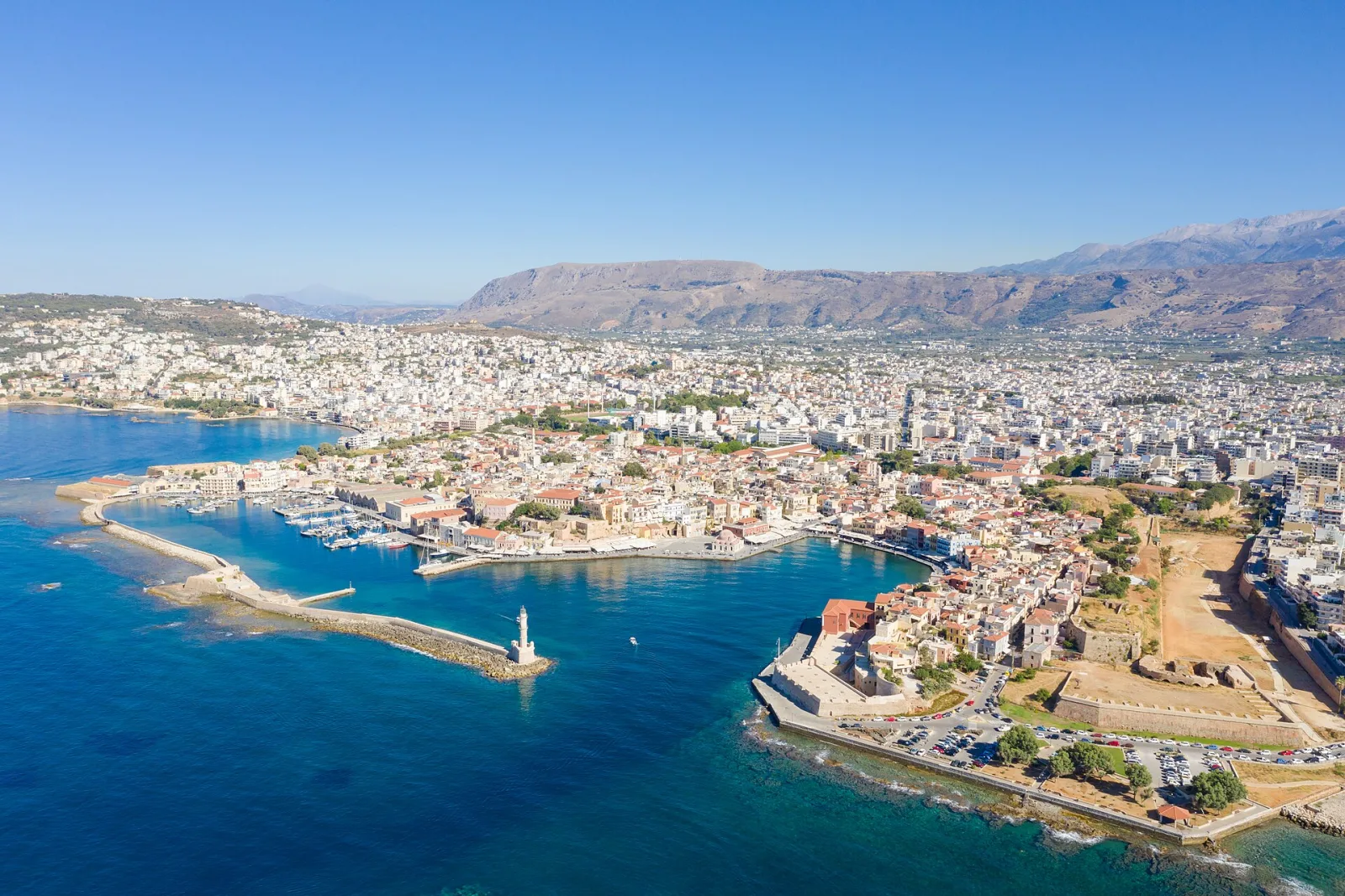
The most efficient way to see Greece is often to combine both modes of transport. Use a flight to reach your furthest point, then work your way back towards the mainland using the ferry network. For example, flying to Chania or Rhodes allows you to start your journey at a significant distance from Athens, while using ferries to return allows you to visit smaller islands along the way that do not have airports.
When planning, keep in mind that airports in Greece are often located a short drive from the main towns. Factor in the cost and time of taxis or buses to reach your accommodation. Conversely, ferry ports are frequently located right in the heart of the main town, meaning you can walk directly from the vessel to your hotel or a local taverna.
Practical Tips for Greek Travel
- Book domestic flights as early as possible, as prices increase significantly as the departure date approaches.
- Check the baggage allowances for domestic carriers, as they are often stricter than international airlines.
- Always confirm ferry schedules locally a day before your departure, as weather conditions can cause last-minute changes.
- If you suffer from motion sickness, choose larger, conventional ferries rather than high-speed catamarans for a more stable ride.
- When flying from Athens, arrive at the airport with the same buffer time you would for an international flight, as security queues can be unpredictable during peak summer months.
- Consider the location of your accommodation; if you are staying in a remote part of an island, check the distance from both the port and the airport before booking your transport.
Plan your trip to Athens
Compare prices with KAYAKYou'll be taken to KAYAK to compare prices. We may earn a commission at no extra cost to you.
Plan your trip to Athens
🏨Find hotels on Booking.comBooking.comAffiliate links — we may earn a small commission.
Deals from our travel partners
 Panathinaikos Athens vs Armani Olimpia Milano Tickets - Olympic Stadium Athens Telekom Ce…Sports Events 365 · from 271 EUR
Panathinaikos Athens vs Hapoel Tel-Aviv Tickets - Olympic Stadium Athens Telekom Center, …Sports Events 365 · from 298 EUR
Panathinaikos Athens vs FC Barcelona Lassa Tickets - Olympic Stadium Athens Telekom Cente…Sports Events 365 · from 326 EUR
Panathinaikos Athens vs Kirolbet Baskonia Vitoria Tickets - Olympic Stadium Athens Teleko…Sports Events 365 · from 271 EUR
Panathinaikos Athens vs Armani Olimpia Milano Tickets - Olympic Stadium Athens Telekom Ce…Sports Events 365 · from 271 EUR
Panathinaikos Athens vs Hapoel Tel-Aviv Tickets - Olympic Stadium Athens Telekom Center, …Sports Events 365 · from 298 EUR
Panathinaikos Athens vs FC Barcelona Lassa Tickets - Olympic Stadium Athens Telekom Cente…Sports Events 365 · from 326 EUR
Panathinaikos Athens vs Kirolbet Baskonia Vitoria Tickets - Olympic Stadium Athens Teleko…Sports Events 365 · from 271 EUR
Affiliate links — we may earn a commission at no extra cost to you.
Related guides
Learning Greek Dance: Sirtaki and Beyond
Greek dance is the heartbeat of local culture, offering a unique way to connect with the spirit of the islands and the mainland. Learn the basics of joining the circle and understanding the rhythms that define Greek celebrations.
Greece for Solo Travellers
Travelling through Greece alone offers the perfect balance of independence and warm hospitality. This guide helps you navigate the islands and mainland with ease.
Olive Harvest Experiences in Greece
The Greek olive harvest is a time-honored tradition that defines the rhythm of rural life. Participating in the collection offers a profound connection to the land and its ancient agricultural heritage.
