


Greek Pies (Pites): A Regional Guide
Greek pies, or pites, are a cornerstone of the country's culinary heritage, varying wildly from island to island and mountain village to mountain village.
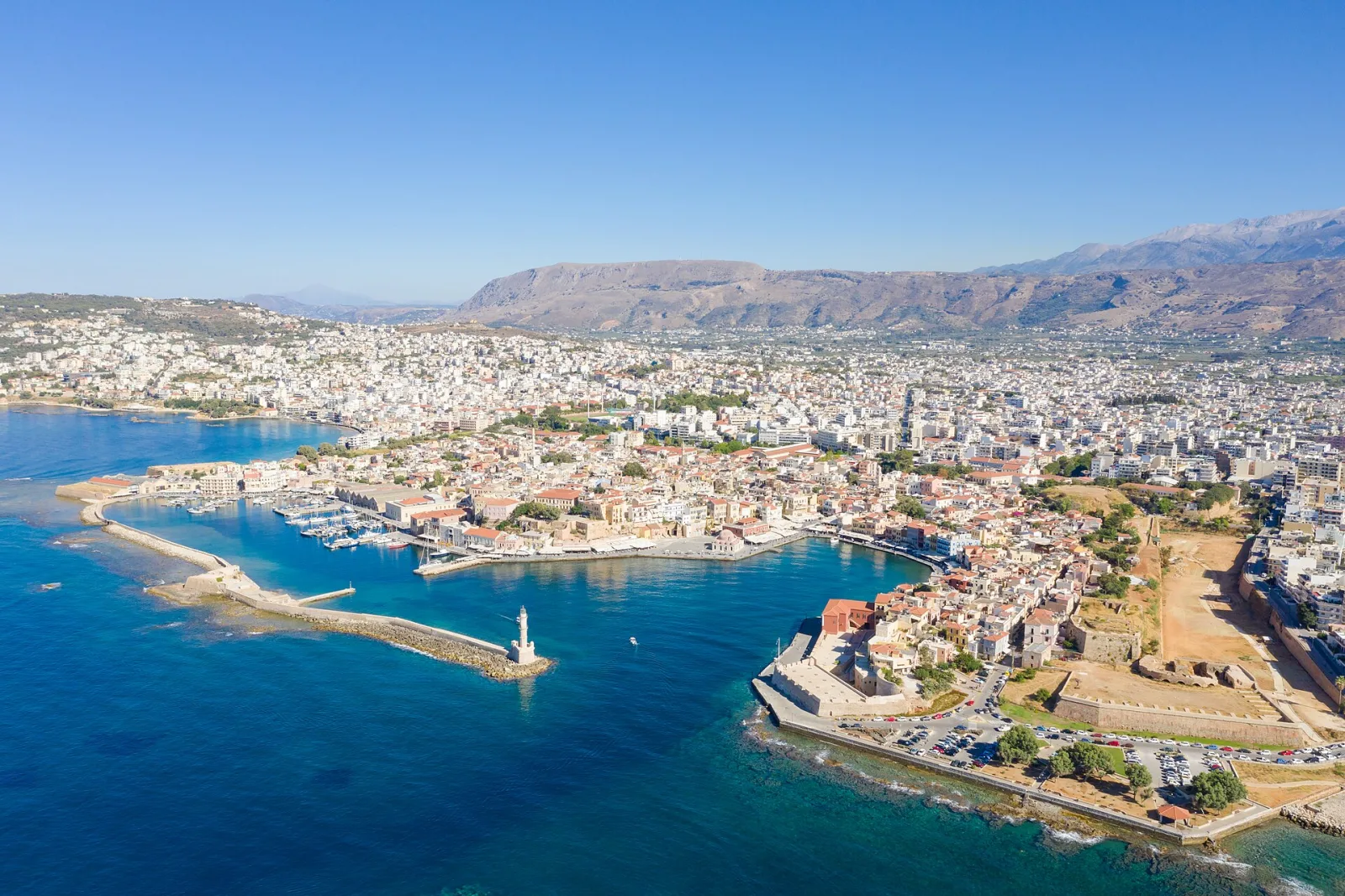
The Art of the Greek Pita
In Greece, the term 'pita' refers to far more than the flatbread served with gyros. It encompasses a vast category of baked goods where thin sheets of dough, often handmade, encase a variety of fillings. These pies are a testament to the resourcefulness of Greek home cooks, who have historically utilized seasonal vegetables, local cheeses, and wild herbs to create nutritious, portable meals. While every family has its own secret recipe, regional geography dictates the ingredients, resulting in a fascinating map of flavors across the mainland and the islands.
The Flourishing Pies of Epirus and the North
The mountainous regions of Epirus, particularly around Ioannina and Zagori, are considered the heartland of Greek pie-making. Due to the rugged terrain and long winters, the inhabitants developed a tradition of hearty, filling pies. The most famous is the 'kassopita' or 'kotopita' (chicken pie), which often features a rich, buttery crust. However, it is the wild green pies, or 'chortopita', that truly shine here. These are packed with seasonal wild greens like spinach, leeks, and wild fennel, often bound with feta or mizithra cheese. In the northern regions, you will also find 'prasopita', a leek pie that balances the sweetness of sautéed leeks with the sharpness of local feta.
The Cheese-Centric Traditions of the Aegean
As you move toward the islands, the pies become lighter and often focus on the local dairy produce. In the Cyclades, specifically on islands like Tinos and Sifnos, you will encounter 'tyropita' that rely on the specific local cheese of the island. Tinos, for instance, is famous for its 'tyropitakia', small, hand-held cheese pies that are often baked rather than fried. On Crete, the tradition takes a unique turn with 'kalitsounia'. These can be sweet or savory, often filled with 'mizithra' cheese or wild greens and finished with a drizzle of honey if served as a dessert. The dough for these is typically folded into intricate shapes, showcasing the skill of the local bakers.

Coastal and Mediterranean Variations
In coastal areas and the Peloponnese, such as around Nafplio and Monemvasia, the influence of the Mediterranean diet is evident. You are more likely to find pies that incorporate ingredients like olives, sun-dried tomatoes, and even seafood in certain localities. 'Marathopita', or fennel pie, is a staple on many islands, particularly those where wild fennel grows in abundance. This pie is often thin, crispy, and cooked on a hot griddle rather than in an oven, giving it a distinct, smoky flavor. In the Ionian islands like Corfu or Lefkada, you may find variations that reflect a more Venetian influence, sometimes featuring ingredients like cured meats or a different style of pastry that is slightly more robust than the standard phyllo.
Understanding the Dough
The quality of a Greek pie is defined by its crust. Traditionally, 'phyllo' was stretched by hand until it was paper-thin. While commercial phyllo is widely available, the best pies are still made with 'choriatiko phyllo' (village-style dough), which is slightly thicker and has a satisfying, rustic chew. Some pies, like the 'galatopita' (milk pie), use a custard-like filling, while others, like the 'kreatopita' (meat pie), are substantial enough to serve as a main course. When visiting a local bakery, look for pies that are baked in large, rectangular metal pans, as these are usually the most authentic versions.
Practical Tips for Travelers
- Look for bakeries that display 'cheiropoiiti' (handmade) on their signs; this is a reliable indicator of quality.
- Try to sample pies in the morning when they are freshest, as they are often baked before sunrise.
- Ask the staff about the local specialty of the region, as every village often has a unique variation that you won't find elsewhere.
- If you are unsure about the filling, don't hesitate to ask; many shops are proud to explain the specific blend of greens or cheeses used.
- Check locally for the best times to visit traditional wood-fired ovens, which often produce the most flavorful crusts.
Plan your trip to Crete
Compare prices with KAYAKYou'll be taken to KAYAK to compare prices. We may earn a commission at no extra cost to you.
Plan your trip to Crete
🏨Find hotels on Booking.comBooking.comAffiliate links — we may earn a small commission.
Deals from our travel partners
 Flights from Heraklion (Crete) to BelgradeAir Serbia · from 255 EUR
 OFI Crete vs Lech Poznan Tickets - Pankritio Stadium, 2027-01-28Sports Events 365 · from 130 EUR
OFI Crete vs RSC Anderlecht Tickets - Pankritio Stadium, 2026-11-26Sports Events 365 · from 130 EUR
SL Benfica vs OFI Crete Tickets - Estadio da Luz, 2026-12-10Sports Events 365 · from 90 EUR
OFI Crete vs Lech Poznan Tickets - Pankritio Stadium, 2027-01-28Sports Events 365 · from 130 EUR
OFI Crete vs RSC Anderlecht Tickets - Pankritio Stadium, 2026-11-26Sports Events 365 · from 130 EUR
SL Benfica vs OFI Crete Tickets - Estadio da Luz, 2026-12-10Sports Events 365 · from 90 EUR
Affiliate links — we may earn a commission at no extra cost to you.
Related guides

Top Things to Do in Kastoria
Kastoria rewards slow travellers with misty lake views, frescoed Byzantine churches and grand old mansions. Here is what to see and how to plan your visit.
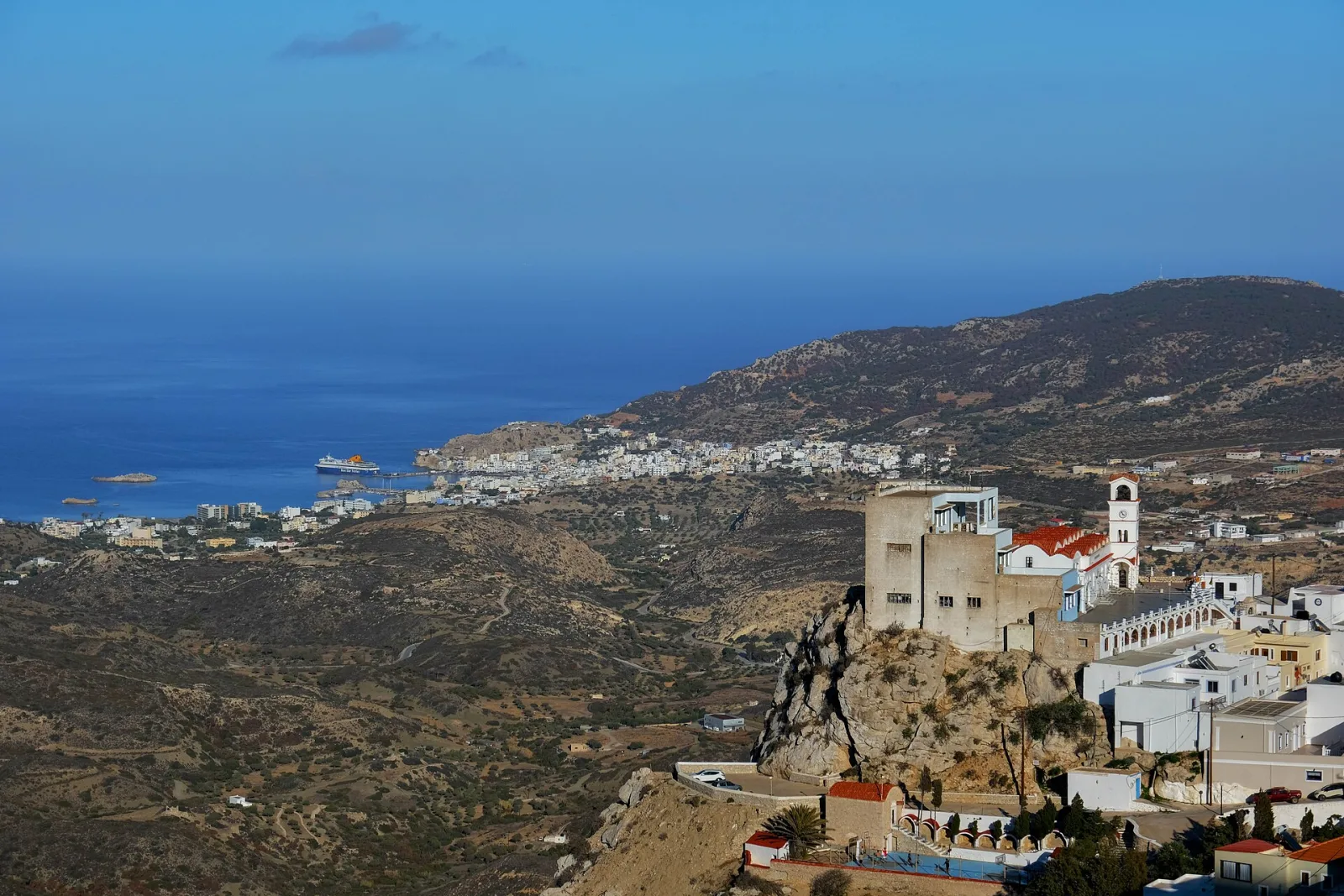
Top Things to Do in Karpathos
Rugged, unhurried and full of character, Karpathos rewards travellers who venture beyond the port. Here are the experiences worth planning your days around.
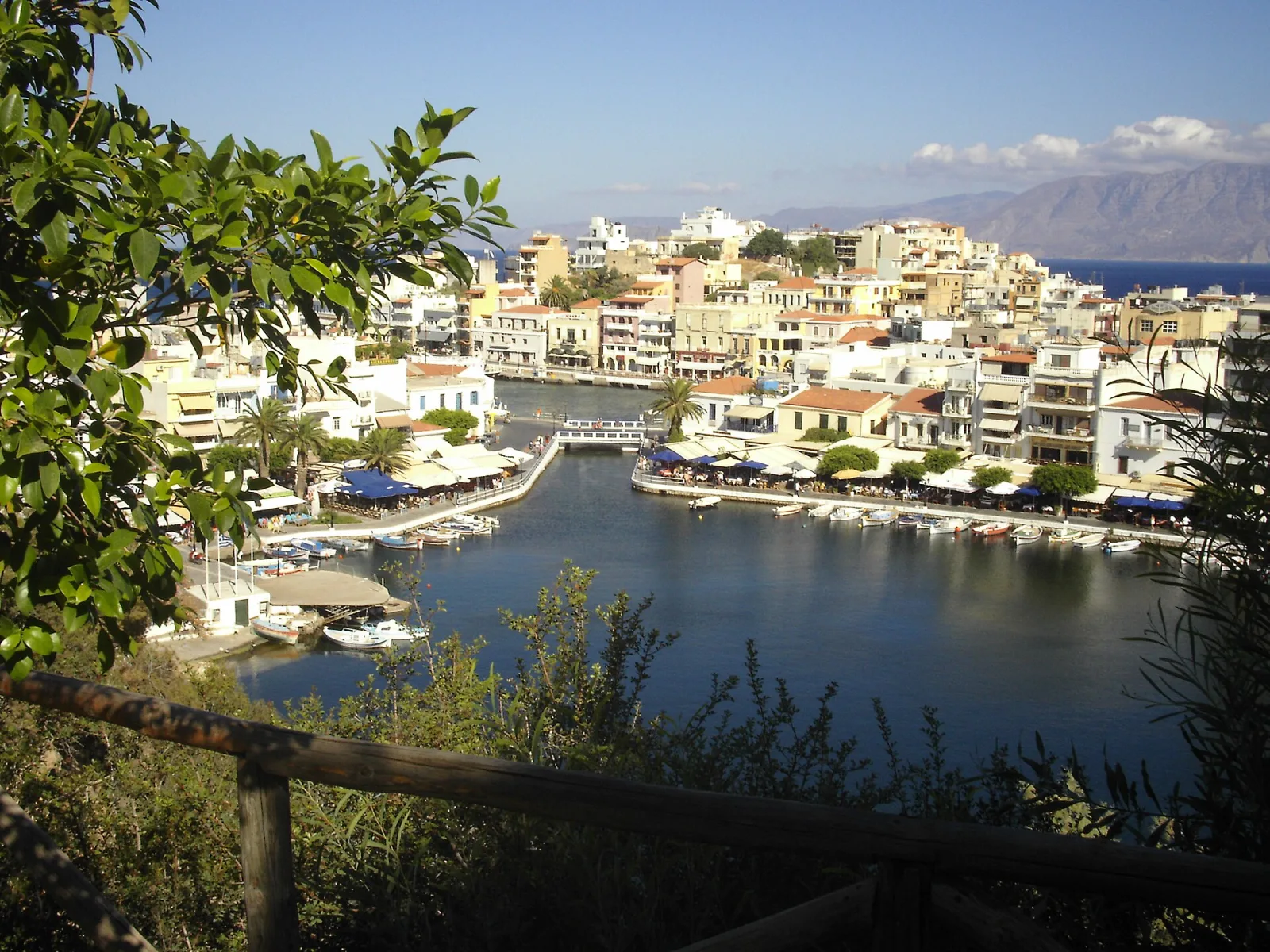
Top Things to Do in Agios Nikolaos
Agios Nikolaos is one of Crete's most appealing seaside towns, built around a small lake and within easy reach of Spinalonga, Elounda and the mountains.
