


Greek Village Festivals (Panigyria): How to Join In
Attending a panigyri is the most authentic way to experience Greek culture. These traditional village festivals offer a window into local life, music, and community spirit.
The Spirit of the Panigyri
In Greece, the panigyri is far more than a simple village party. These religious festivals, held in honor of a patron saint or a significant holy day, serve as the social heartbeat of rural communities. While they are rooted in Orthodox tradition, they have evolved into vibrant celebrations of local identity, where music, dance, and gastronomy converge to create an atmosphere that is both solemn and festive. For a traveller, being invited to or stumbling upon a panigyri is often the highlight of a trip, offering a rare look at the genuine, unscripted side of Greek life.
The Ritual and the Revelry
A typical panigyri usually begins with a vesper service or a morning liturgy at the village church. As the religious observances conclude, the atmosphere shifts. The village square or a nearby open-air space becomes the focal point for the evening’s festivities. Long tables are set up, often under the shade of ancient plane trees, and the sound of traditional instruments begins to fill the air. Depending on the region, you might hear the rhythmic pulse of the clarinet in Epirus, the melodic strains of the lyra in Crete, or the lively violin and lute combinations common in the Aegean islands.
As the night progresses, the music intensifies. The panigyri is not a spectator event; it is a participatory one. The dancing is the core of the experience. Traditional circle dances, such as the kalamatianos or the syrtos, are performed by locals of all generations. You will see elderly villagers leading the line with practiced grace, followed by younger family members, creating a living chain that bridges the past and the present.

What to Eat and Drink
Food is central to the panigyri experience. While offerings vary by location, you will almost always find simple, hearty fare designed to feed a crowd. Common dishes include:
- Gida vrasti: A traditional boiled goat or lamb stew, often served with broth and lemon.
- Grilled Meats: Souvlaki, lamb chops, and local sausages cooked over charcoal are staples at almost every festival.
- Local Specialties: In some regions, you might be served specific pies, such as cheese-filled pita or wild herb pies, depending on the season.
- Local Wine and Tsipouro: The drinks flow freely, usually sourced from local producers. It is customary to toast with your neighbors, so do not be surprised if a glass is offered to you.
The food is often prepared by volunteers from the village or local cultural associations, and the communal nature of the dining is what makes it feel so welcoming.
How to Participate Respectfully
Joining a panigyri is a matter of etiquette and openness. You do not need an invitation; these are public events where visitors are generally welcomed with genuine curiosity and hospitality. However, keeping a few things in mind will ensure you have the best experience:
- Dress Comfortably: While there is no strict dress code, these are social events. Smart-casual attire is appropriate. Avoid overly beach-focused clothing if the festival is held in a church courtyard or a formal village square.
- Be Observant: Take a moment to watch the flow of the dance. If you are invited to join the circle, it is a gesture of inclusion. Do not worry about knowing the steps; the locals will be happy to guide you.
- Engage with Locals: Greeks are often eager to explain the history of their village and the significance of the saint being honored. A simple smile and an interest in the local customs go a long way.
- Stay Late: The energy of a panigyri often peaks well after midnight. The best music and the most vibrant dancing often happen in the early hours, so pace yourself accordingly.
Whether you find yourself in the mountains of Zagori, the olive groves of Crete, or a remote Aegean island, the panigyri remains one of the most enduring expressions of Greek culture. It is a reminder that, in a fast-moving world, there is still immense value in gathering to share a meal, a dance, and a story with one's neighbors.
Practical Tips for Travellers
- Research Dates: Panigyria are tied to the Orthodox calendar. The biggest festivals often occur around August 15th (the Dormition of the Virgin Mary), but smaller ones happen throughout the year. Check locally at your accommodation or the nearest tourist office for upcoming dates in the area.
- Transportation: If you are staying in a larger town, be aware that getting to a remote village for a festival might require a rental car. If you drive, ensure you have a designated driver, as the local wine and tsipouro are strong and hospitality is generous.
- Accommodation: During major festival dates, village guesthouses fill up quickly. Book well in advance if you plan to attend a specific, well-known panigyri.
- Cash is King: While some larger festivals might have organized stalls, many are informal. Carry cash to pay for your food and drinks, as card machines are rarely found in the village square.
Plan your trip to Crete
Compare prices with KAYAKYou'll be taken to KAYAK to compare prices. We may earn a commission at no extra cost to you.
Plan your trip to Crete
🏨Find hotels on Booking.comBooking.comAffiliate links — we may earn a small commission.
Deals from our travel partners
 OFI Crete vs Bayer Leverkusen Tickets - Pankritio Stadium, 2026-10-22Sports Events 365 · from 130 EUR
OFI Crete vs Lech Poznan Tickets - Pankritio Stadium, 2027-01-28Sports Events 365 · from 130 EUR
OFI Crete vs RSC Anderlecht Tickets - Pankritio Stadium, 2026-11-26Sports Events 365 · from 130 EUR
SL Benfica vs OFI Crete Tickets - Estadio da Luz, 2026-12-10Sports Events 365 · from 90 EUR
OFI Crete vs Bayer Leverkusen Tickets - Pankritio Stadium, 2026-10-22Sports Events 365 · from 130 EUR
OFI Crete vs Lech Poznan Tickets - Pankritio Stadium, 2027-01-28Sports Events 365 · from 130 EUR
OFI Crete vs RSC Anderlecht Tickets - Pankritio Stadium, 2026-11-26Sports Events 365 · from 130 EUR
SL Benfica vs OFI Crete Tickets - Estadio da Luz, 2026-12-10Sports Events 365 · from 90 EUR
Affiliate links — we may earn a commission at no extra cost to you.
Related guides
Olive Harvest Experiences in Greece
The Greek olive harvest is a time-honored tradition that defines the rhythm of rural life. Participating in the collection offers a profound connection to the land and its ancient agricultural heritage.
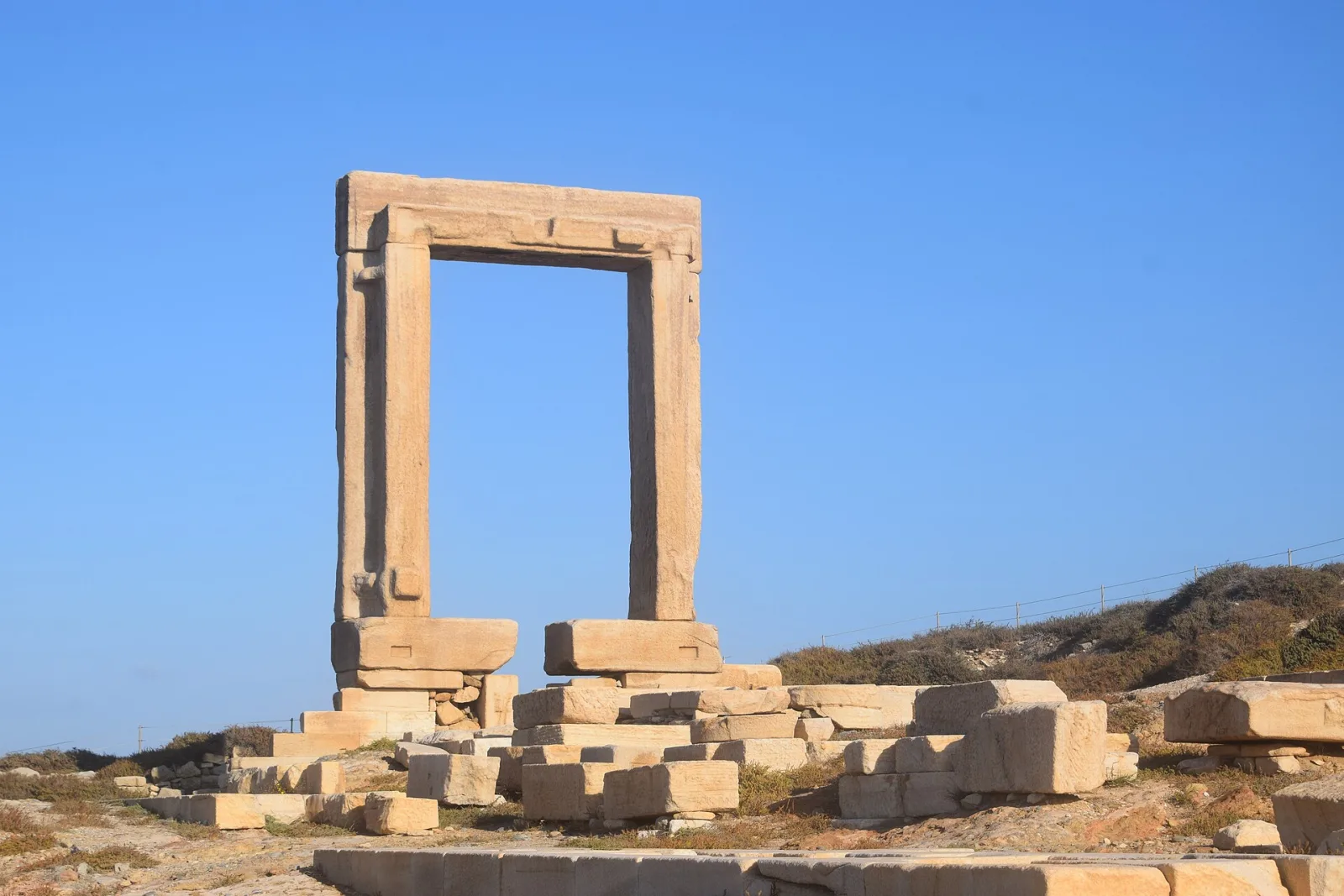
Greek Carnival (Apokries): Where to Celebrate
Apokries is the spirited three-week carnival season preceding Lent in Greece, marked by elaborate parades, ancient rituals, and traditional festivities across the country.
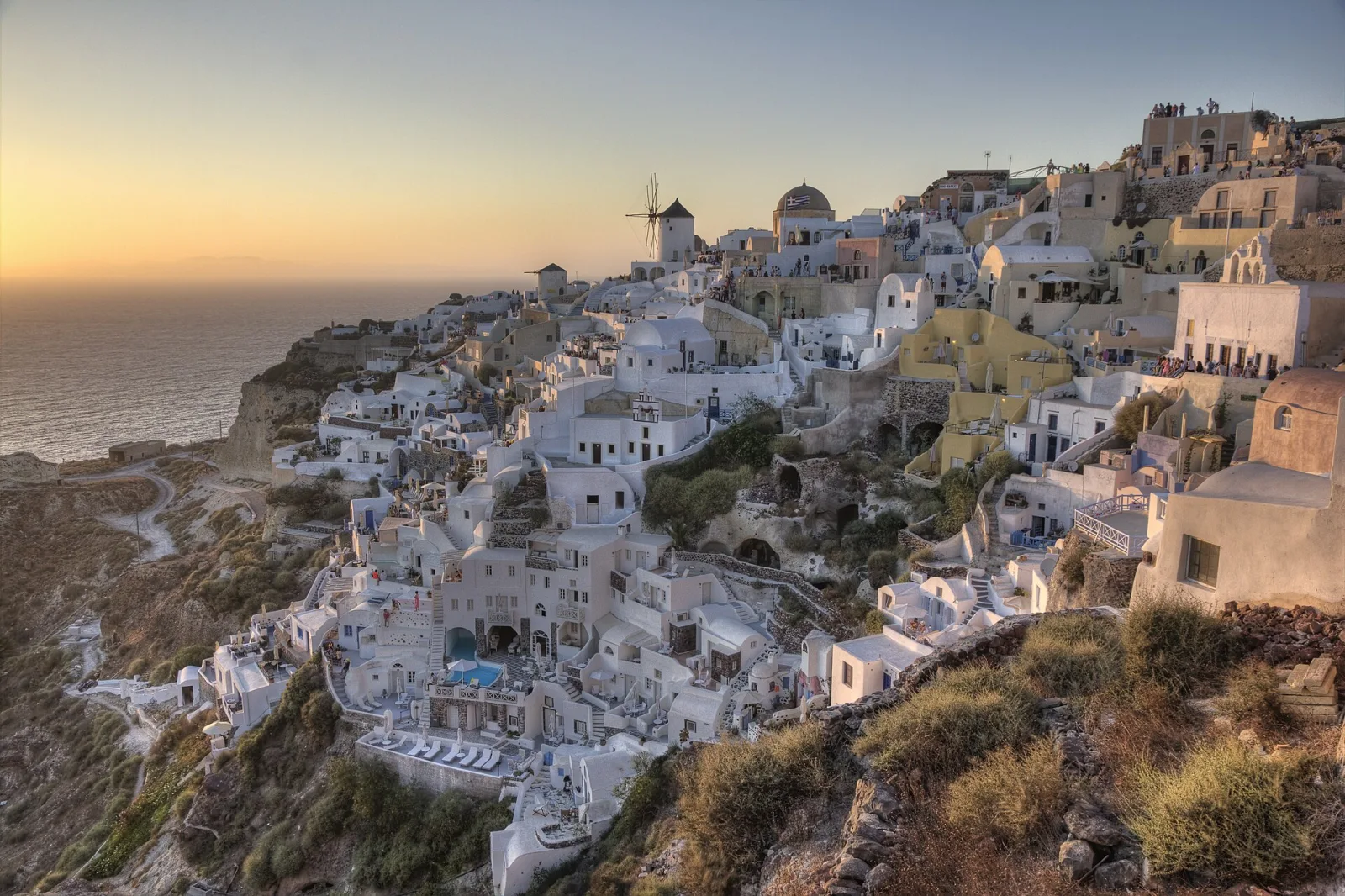
Best Greek Islands for First-Timers
Choosing your first Greek island can be overwhelming. This guide highlights the most accessible and diverse islands to ensure your first trip is seamless.
