


Greek Yogurt: Tradition, Styles and Best Ways to Eat It
Authentic Greek yogurt is a staple of the Mediterranean diet, prized for its thick, creamy texture and distinct tangy flavor. Learn how to identify the real deal and enjoy it like a local.

Understanding Authentic Greek Yogurt
In Greece, what the world calls 'Greek yogurt' is simply referred to as 'straggisto' (strained) yogurt. The defining characteristic of this dairy staple is the straining process, which removes the whey, resulting in a significantly thicker, creamier, and more concentrated product than standard yogurts. Traditionally, this was achieved by hanging the yogurt in cloth bags, allowing the liquid to drain away over several hours or days. This method not only creates its signature velvety texture but also increases the protein content and reduces the lactose level.
Authentic Greek yogurt is made from sheep's milk, goat's milk, or a blend of the two. While cow's milk versions are common in supermarkets, the true, traditional flavor profile comes from the richer, higher-fat milk of sheep and goats that graze on the diverse flora of the Greek countryside. This regional variation in milk sources contributes to the subtle differences in flavor found across different parts of Greece.
Regional Variations and Styles
The character of yogurt often reflects the terrain and the livestock of the region. In mountainous areas, such as the regions of Zagori or Metsovo, you will often find denser, richer yogurts made from sheep's milk, which are prized for their intense, slightly nutty flavor. These yogurts are often sold in traditional clay pots, which help maintain the moisture and temperature of the product.

On the islands, such as Crete or Naxos, the influence of goat's milk is more pronounced, leading to a sharper, tangier profile that pairs exceptionally well with the local honey and nuts. While the base product remains consistent in its straining technique, the fat content can vary significantly, ranging from full-fat versions that are incredibly decadent to lower-fat options that still retain the signature thickness that makes Greek yogurt world-famous.
How to Eat Yogurt Like a Local
For Greeks, yogurt is a versatile component of daily life rather than just a breakfast food. It is frequently enjoyed as a quick morning meal, a light afternoon snack, or even as a base for savory dishes. The most classic way to serve it is in a deep bowl, topped with a generous drizzle of local thyme or pine honey and a handful of crushed walnuts. This combination of the creamy, slightly tart yogurt with the floral sweetness of the honey and the crunch of the nuts is a fundamental Greek flavor experience.
Beyond sweets, yogurt is an essential ingredient in the Greek kitchen. It serves as the primary base for 'tzatziki', the iconic dip made with grated cucumber, garlic, olive oil, and fresh dill. It is also used as a cooling side dish to accompany spicy grilled meats, or as a base for sauces served over 'keftedes' (meatballs). In some regions, a dollop of thick yogurt is served alongside savory pies, providing a refreshing contrast to the flaky, buttery pastry.
Ordering and Finding the Best Quality
When traveling in Greece, you will find yogurt in several types of establishments. Traditional dairy shops, known as 'galaktopoleio', are the best places to find artisanal, small-batch yogurt. These shops often specialize in local dairy products and offer the freshest selection. You can also find high-quality yogurt in local markets and from producers who sell their goods directly to the public.
When ordering in a cafe or restaurant, look for 'straggisto' on the menu. If you are shopping in a supermarket, check the ingredient list; authentic yogurt should contain only milk and live cultures, with no added thickeners, stabilizers, or sugars. The best yogurt often comes in simple, modest packaging, reflecting its status as a humble, everyday food staple.
Practical Tips for Travelers
- Look for labels that specify 'sheep' or 'goat' milk for the most authentic and robust flavor experience.
- Always try the local honey; every region produces a different variety, and it changes the entire profile of the yogurt.
- If you are looking for a quick, healthy snack, visit a local 'galaktopoleio' or a neighborhood bakery, where yogurt is often sold in individual servings.
- When eating out, ask for a side of yogurt if you are ordering grilled meats; it is a common and refreshing accompaniment that locals frequently request.
- Useful Greek words: 'Yiaourti' (yogurt), 'Meli' (honey), 'Karydia' (walnuts), 'Straggisto' (strained).
- Check locally for the best times to visit small dairy producers, as they often have specific delivery schedules for fresh products.
Plan your trip to Crete
Compare prices with KAYAKYou'll be taken to KAYAK to compare prices. We may earn a commission at no extra cost to you.
Plan your trip to Crete
🏨Find hotels on Booking.comBooking.comAffiliate links — we may earn a small commission.
Deals from our travel partners
 Flights from Heraklion (Crete) to BelgradeAir Serbia · from 255 EUR
 OFI Crete vs Lech Poznan Tickets - Pankritio Stadium, 2027-01-28Sports Events 365 · from 130 EUR
OFI Crete vs RSC Anderlecht Tickets - Pankritio Stadium, 2026-11-26Sports Events 365 · from 130 EUR
SL Benfica vs OFI Crete Tickets - Estadio da Luz, 2026-12-10Sports Events 365 · from 90 EUR
OFI Crete vs Lech Poznan Tickets - Pankritio Stadium, 2027-01-28Sports Events 365 · from 130 EUR
OFI Crete vs RSC Anderlecht Tickets - Pankritio Stadium, 2026-11-26Sports Events 365 · from 130 EUR
SL Benfica vs OFI Crete Tickets - Estadio da Luz, 2026-12-10Sports Events 365 · from 90 EUR
Affiliate links — we may earn a commission at no extra cost to you.
Related guides

Top Things to Do in Karpathos
Rugged, unhurried and full of character, Karpathos rewards travellers who venture beyond the port. Here are the experiences worth planning your days around.

Top Things to Do in Agios Nikolaos
Agios Nikolaos is one of Crete's most appealing seaside towns, built around a small lake and within easy reach of Spinalonga, Elounda and the mountains.
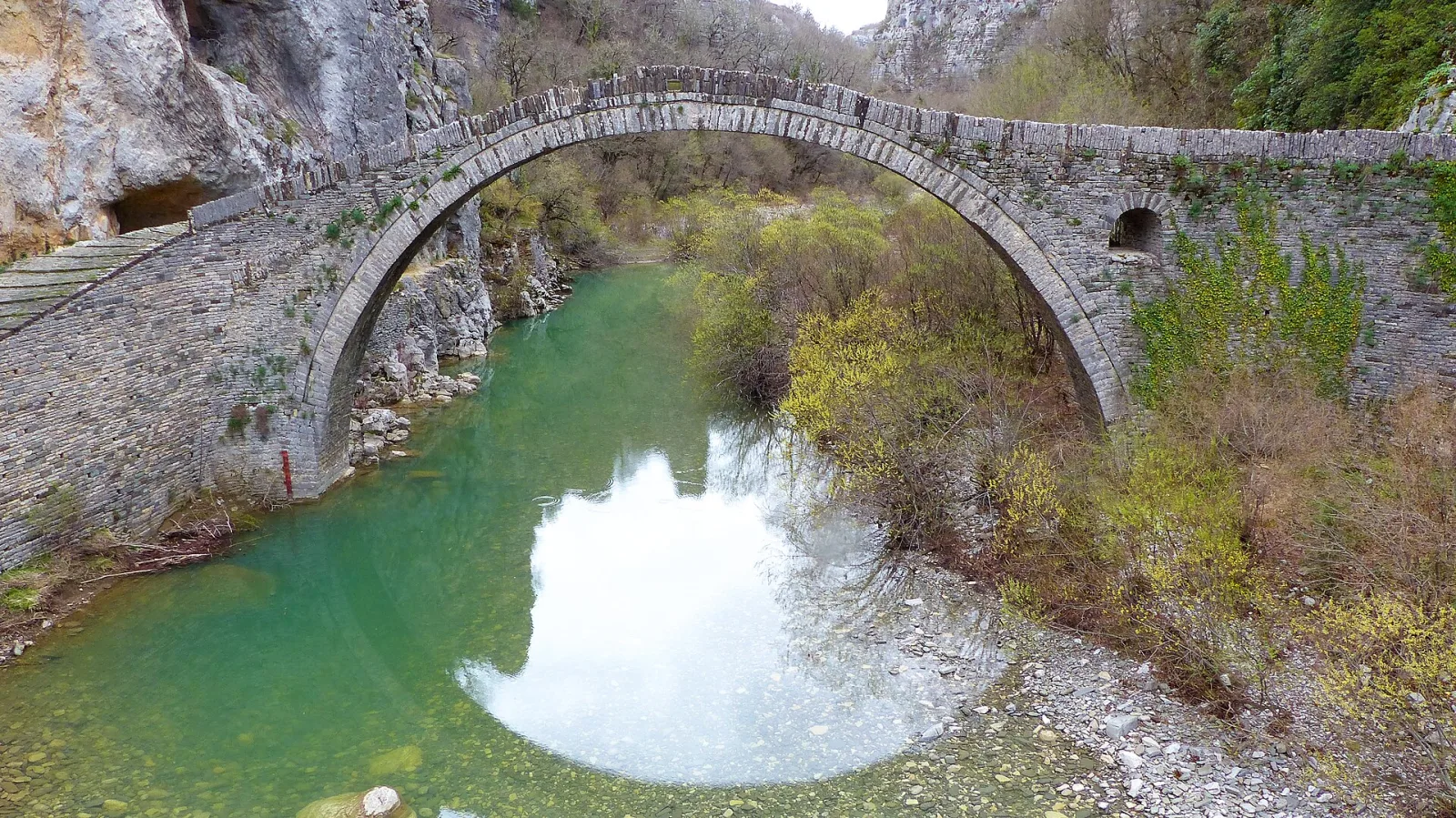
Top Things to Do in Zagori
Zagori is a mountain region of forty-odd stone villages in Epirus, linked by old mule paths and arched bridges. Here is how to make the most of it.
