


Is Greece Expensive? A Realistic Look at Costs
Navigating the costs of a Greek holiday requires balancing popular hotspots with mainland alternatives. This guide breaks down how to manage your budget effectively.
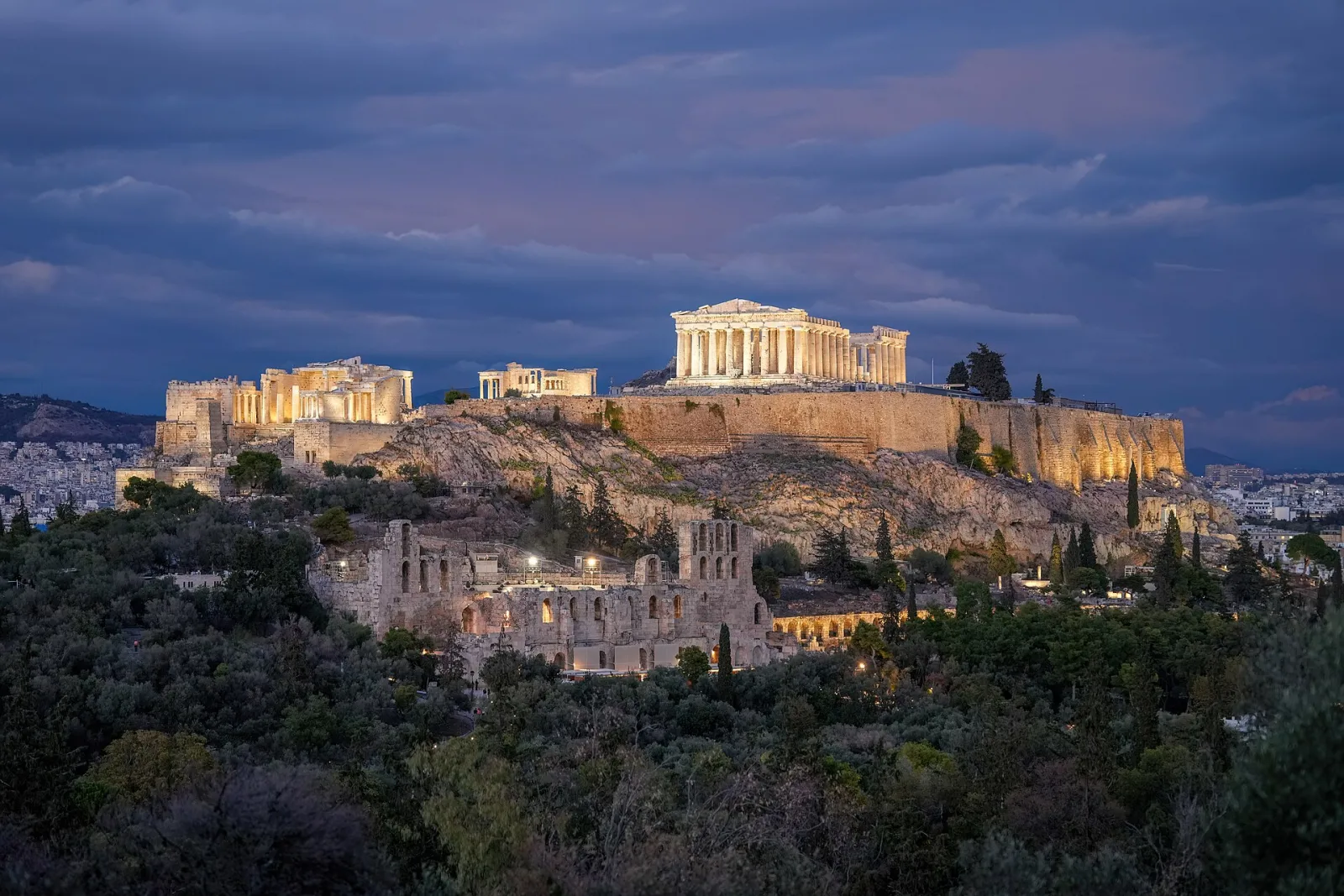
Understanding the Greek Price Spectrum
Greece offers a vast range of travel experiences, meaning the cost of a holiday is highly dependent on your personal choices. While islands like Santorini and Mykonos sit at the top of the price scale due to global demand and limited infrastructure, the mainland and less-visited islands offer significantly more value. Understanding how to navigate these differences is the key to enjoying Greece without overspending.
Accommodation Strategies
The largest portion of a travel budget is typically spent on lodging. In major hubs like Athens or popular destinations like Chania and Rhodes, you will find everything from luxury boutique hotels to budget-friendly guesthouses. To manage costs, consider booking accommodation slightly further from the main waterfront or the primary historical centers. In destinations like Crete or Naxos, staying in a village a few kilometers inland often results in lower rates and a more authentic experience. Always check locally for seasonal variations, as prices shift dramatically between the shoulder months of May or October and the peak of July and August.
Dining and Local Flavors
One of the great joys of Greece is the accessibility of high-quality food. You do not need to dine at fine-dining establishments to eat well. Local tavernas serve fresh, seasonal dishes such as horiatiki (Greek salad), moussaka, and grilled octopus at reasonable prices. Ordering house wine by the carafe instead of bottled wine is a standard practice that keeps the bill low. For a quick and inexpensive meal, street food options like souvlaki or spanakopita are staples that provide excellent value. In cities like Thessaloniki or Ioannina, the food scene is particularly vibrant and often more affordable than in the high-traffic tourist zones of the Cyclades.

Transportation Costs
Getting around Greece involves a mix of ferries, buses, and rental vehicles. Ferry prices fluctuate based on the type of vessel—high-speed catamarans are faster but more expensive than the traditional, slower ferries. If you are traveling as a family or a small group, renting a car can be more cost-effective and convenient than relying on public transport, especially when exploring regions like Pelion, Mani, or the diverse landscapes of Kefalonia. Keep in mind that fuel costs and potential toll roads on the mainland should be factored into your daily budget.
Regional Price Variations
It is helpful to view Greece as a collection of different economies. Destinations that are easily accessible by car from Athens, such as Nafplio or the mountain villages of Arachova, often have different pricing structures compared to remote islands that require long ferry journeys. Similarly, Northern Greece, including areas like Kavala, Drama, and the region of Zagori, offers a different pace of life and often more competitive pricing for food and lodging. If your budget is tight, prioritizing these areas can allow for a longer stay and a more relaxed pace of travel.
Practical Tips for Budget Management
- Travel during the shoulder season (May, June, September, and October) to benefit from lower accommodation rates and fewer crowds.
- Use local bus networks (KTEL) on the mainland and larger islands like Corfu and Crete, which are reliable and inexpensive.
- Drink house wine and local beer rather than imported spirits or expensive bottled wine labels.
- Look for apartments with kitchenettes if you plan to stay for an extended period, allowing you to prepare breakfast or light meals using fresh produce from local markets.
- Avoid dining in the immediate vicinity of major archaeological sites or main squares, where prices are often inflated; walk a few streets away to find where the locals eat.
- Always carry some cash, as many smaller family-run businesses in rural areas or on smaller islands may prefer it over cards.
- Check locally for ferry passes or regional transport cards if you plan on island hopping extensively.
Plan your trip to Athens
Compare prices with KAYAKYou'll be taken to KAYAK to compare prices. We may earn a commission at no extra cost to you.
Plan your trip to Athens
🏨Find hotels on Booking.comBooking.comAffiliate links — we may earn a small commission.
Deals from our travel partners
 Panathinaikos Athens vs Armani Olimpia Milano Tickets - Olympic Stadium Athens Telekom Ce…Sports Events 365 · from 271 EUR
Panathinaikos Athens vs FC Barcelona Lassa Tickets - Olympic Stadium Athens Telekom Cente…Sports Events 365 · from 326 EUR
Panathinaikos Athens vs Hapoel Tel-Aviv Tickets - Olympic Stadium Athens Telekom Center, …Sports Events 365 · from 298 EUR
Panathinaikos Athens vs Kirolbet Baskonia Vitoria Tickets - Olympic Stadium Athens Teleko…Sports Events 365 · from 271 EUR
Panathinaikos Athens vs Armani Olimpia Milano Tickets - Olympic Stadium Athens Telekom Ce…Sports Events 365 · from 271 EUR
Panathinaikos Athens vs FC Barcelona Lassa Tickets - Olympic Stadium Athens Telekom Cente…Sports Events 365 · from 326 EUR
Panathinaikos Athens vs Hapoel Tel-Aviv Tickets - Olympic Stadium Athens Telekom Center, …Sports Events 365 · from 298 EUR
Panathinaikos Athens vs Kirolbet Baskonia Vitoria Tickets - Olympic Stadium Athens Teleko…Sports Events 365 · from 271 EUR
Affiliate links — we may earn a commission at no extra cost to you.
Related guides
Greek Village Festivals (Panigyria): How to Join In
Attending a panigyri is the most authentic way to experience Greek culture. These traditional village festivals offer a window into local life, music, and community spirit.
Best Boat Trips in Greece
From the turquoise waters of the Ionian to the volcanic caldera of Santorini, Greece is best experienced from the deck of a boat. This guide covers the essential maritime routes for every type of traveller.
Getting from Athens Airport to the City Centre
Navigating the journey from Athens International Airport to the city centre is straightforward with several reliable public and private transport options available to travellers.
