


Lalaria Beach, Skiathos: White Pebbles and a Rock Arch
Lalaria Beach is the most iconic coastal landmark in Skiathos, famous for its smooth white pebbles and a natural stone arch. Accessible only by sea, it offers a dramatic escape from the island's sandy southern shores.
The Allure of Lalaria
Skiathos is widely celebrated for its extensive collection of sandy beaches, but Lalaria stands apart as a geological masterpiece. Unlike the golden, pine-fringed bays found along the southern coast, Lalaria is defined by its dramatic, sheer white cliffs and a shoreline covered in perfectly rounded, brilliant white pebbles known as 'lalaria'. The contrast between the stark white stones and the deep, crystalline turquoise waters creates one of the most photographed landscapes in the Sporades.
The beach is dominated by a majestic natural rock arch that curves gracefully into the sea. Local lore suggests that swimming through this arch brings good luck, though visitors should always be mindful of the currents and the depth of the water around the rocks. Because the beach is exposed to the open Aegean, the water is often refreshingly cool and exceptionally clear, making it a favorite for those who enjoy swimming in deeper, open water.
Accessing the Beach
Lalaria is unique among the beaches of Skiathos because it cannot be reached by car or bus. The steep, rugged cliffs that surround the bay act as a natural barrier, keeping the beach isolated from the island's road network. Consequently, the only way to experience this location is by boat.

During the summer season, numerous excursion boats depart daily from the old port of Skiathos town. These trips often combine a stop at Lalaria with visits to other points of interest, such as the Kastro ruins or the neighboring island of Skopelos. For those who prefer a more flexible schedule, small motorboats can be hired from the port, allowing for a private excursion. It is essential to check local weather conditions before setting out, as the beach faces north and can become difficult to access when the 'meltemi' winds are blowing strongly.
What to Expect on Arrival
Because there is no road access, Lalaria is entirely unorganized. There are no sunbeds, umbrellas, tavernas, or kiosks on the beach. This lack of infrastructure is part of its charm, but it requires careful preparation. Visitors must bring everything they need for the day, including plenty of water, snacks, sunscreen, and shade protection. The white pebbles reflect the sun intensely, so a hat and sunglasses are highly recommended.
The beach can become quite busy during the middle of the day when the excursion boats arrive in succession. For a quieter experience, consider taking an early morning boat or aiming for a late afternoon visit when the crowds begin to thin. Regardless of the time, the beach is best enjoyed by those who appreciate raw, natural beauty over convenience.
Safety and Environment
The cliffs above Lalaria are composed of soft limestone and are prone to erosion. For this reason, visitors are strongly advised to keep a safe distance from the base of the cliffs to avoid falling rocks. It is also important to remember that the white pebbles are a protected part of the natural environment; taking them as souvenirs is strictly prohibited and contributes to the degradation of the beach.
The seabed drops off quickly, and the waves can become quite powerful depending on the wind direction. Strong swimmers will find the deep water delightful, but those with children or less confident swimmers should prioritize the sandy, shallow beaches like Koukounaries instead. If the sea is rough, boat captains may decide to skip the stop at Lalaria for safety reasons, so always be prepared for itinerary changes based on the captain's assessment of the conditions.
Exploring Beyond the Beach
While Lalaria is a highlight, the surrounding area offers further historical exploration. The nearby Kastro, a medieval fortified village perched on a cliff, provides a fascinating glimpse into the island's past. Many boat tours include a view of the Kastro from the sea, and some allow for a land-based visit, providing a perfect cultural balance to a day at the beach.
Practical Tips for Your Visit
- Bring your own supplies: Since there are no facilities, pack water, snacks, and a portable umbrella.
- Wear water shoes: The large, smooth pebbles can be challenging to walk on with bare feet.
- Check the wind: The north-facing orientation means the beach is subject to waves; check local forecasts before booking your boat trip.
- Respect the nature: Do not remove pebbles from the beach, as they are essential to the unique ecosystem.
- Timing is key: Aim for early morning or late afternoon to avoid the peak hours of the excursion boat crowds.
- Combine your trip: Look for boat tours that also include a visit to the Kastro ruins or a stop at the neighboring island of Skopelos for a full-day adventure.
Plan your trip to Skiathos
Compare prices with KAYAKYou'll be taken to KAYAK to compare prices. We may earn a commission at no extra cost to you.
Plan your trip to Skiathos
🏨Find hotels on Booking.comBooking.comAffiliate links — we may earn a small commission.
Deals from our travel partners
 Aris Thessaloniki vs Rostock Tickets - Nick Galis Hall, 2026-12-22Sports Events 365 · from 102 EUR
PAOK Thessaloniki vs Balkan Botevgrad Tickets - PAOK Arena, 2027-01-13Sports Events 365 · from 102 EUR
Aris Thessaloniki vs San Pablo Burgos Tickets - Nick Galis Hall, 2026-12-09Sports Events 365 · from 102 EUR
Olympiacos F.C. vs Sparta Prague Tickets - Karaiskaki Stadium, 2026-10-22Sports Events 365 · from 176 EUR
Aris Thessaloniki vs Rostock Tickets - Nick Galis Hall, 2026-12-22Sports Events 365 · from 102 EUR
PAOK Thessaloniki vs Balkan Botevgrad Tickets - PAOK Arena, 2027-01-13Sports Events 365 · from 102 EUR
Aris Thessaloniki vs San Pablo Burgos Tickets - Nick Galis Hall, 2026-12-09Sports Events 365 · from 102 EUR
Olympiacos F.C. vs Sparta Prague Tickets - Karaiskaki Stadium, 2026-10-22Sports Events 365 · from 176 EUR
Affiliate links — we may earn a commission at no extra cost to you.
Related guides
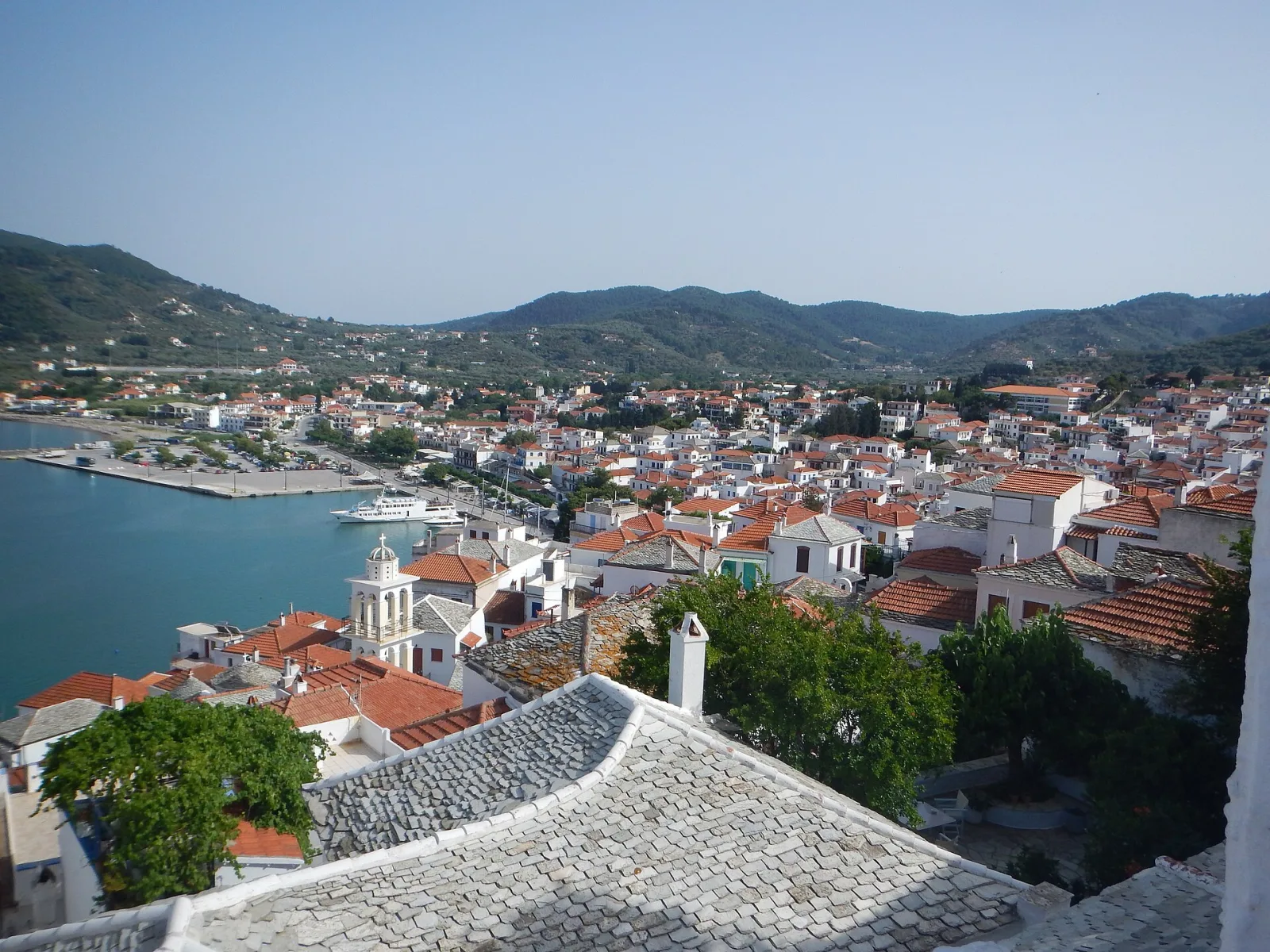
Top Things to Do in Skopelos
Green, relaxed and full of plum orchards, Skopelos rewards slow travel. Here are the sights, beaches and local flavours worth building your days around.
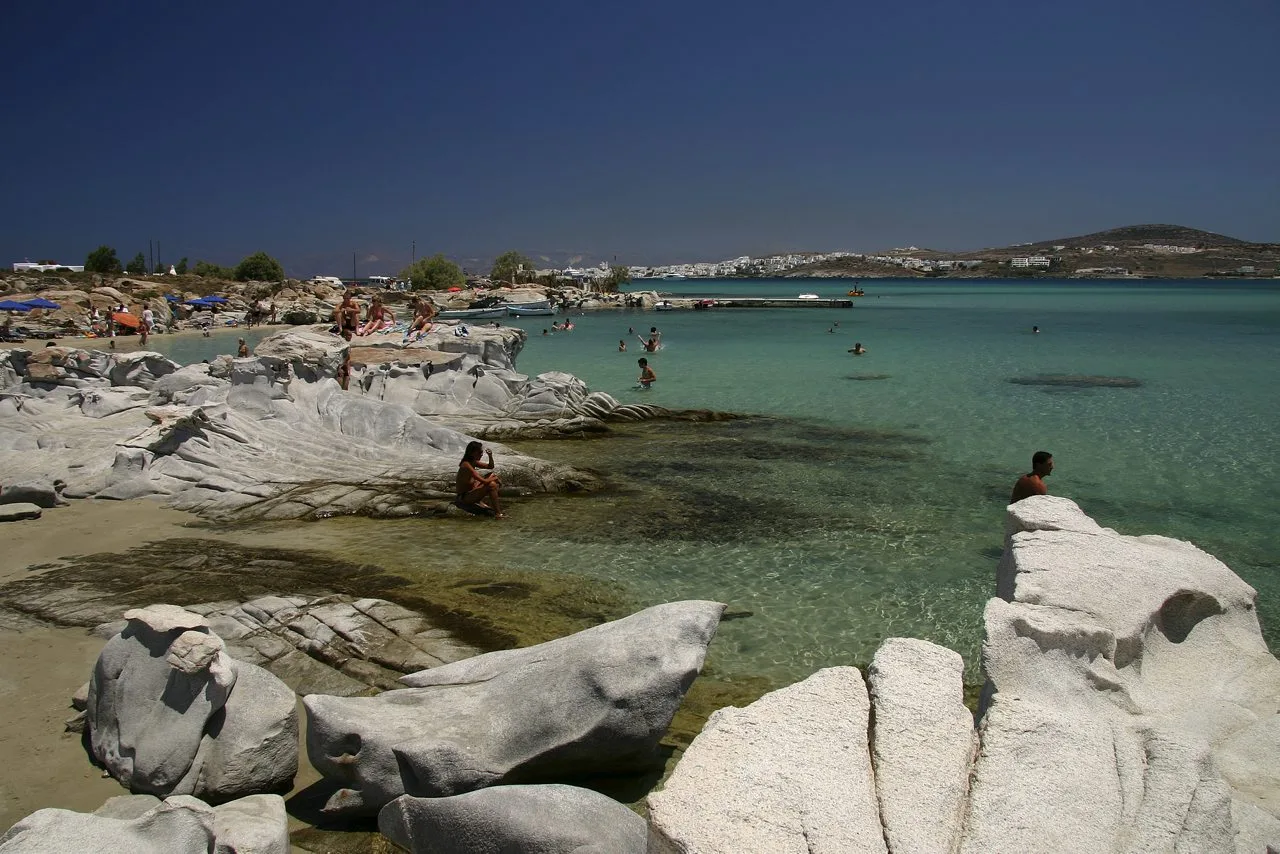
Kolymbithres Beach, Paros: Swimming Among Sculpted Rocks
Kolymbithres Beach is one of the most distinctive coastal spots in the Cyclades, famous for its smooth, wind-sculpted granite boulders that break the shoreline into a series of small, sandy coves.
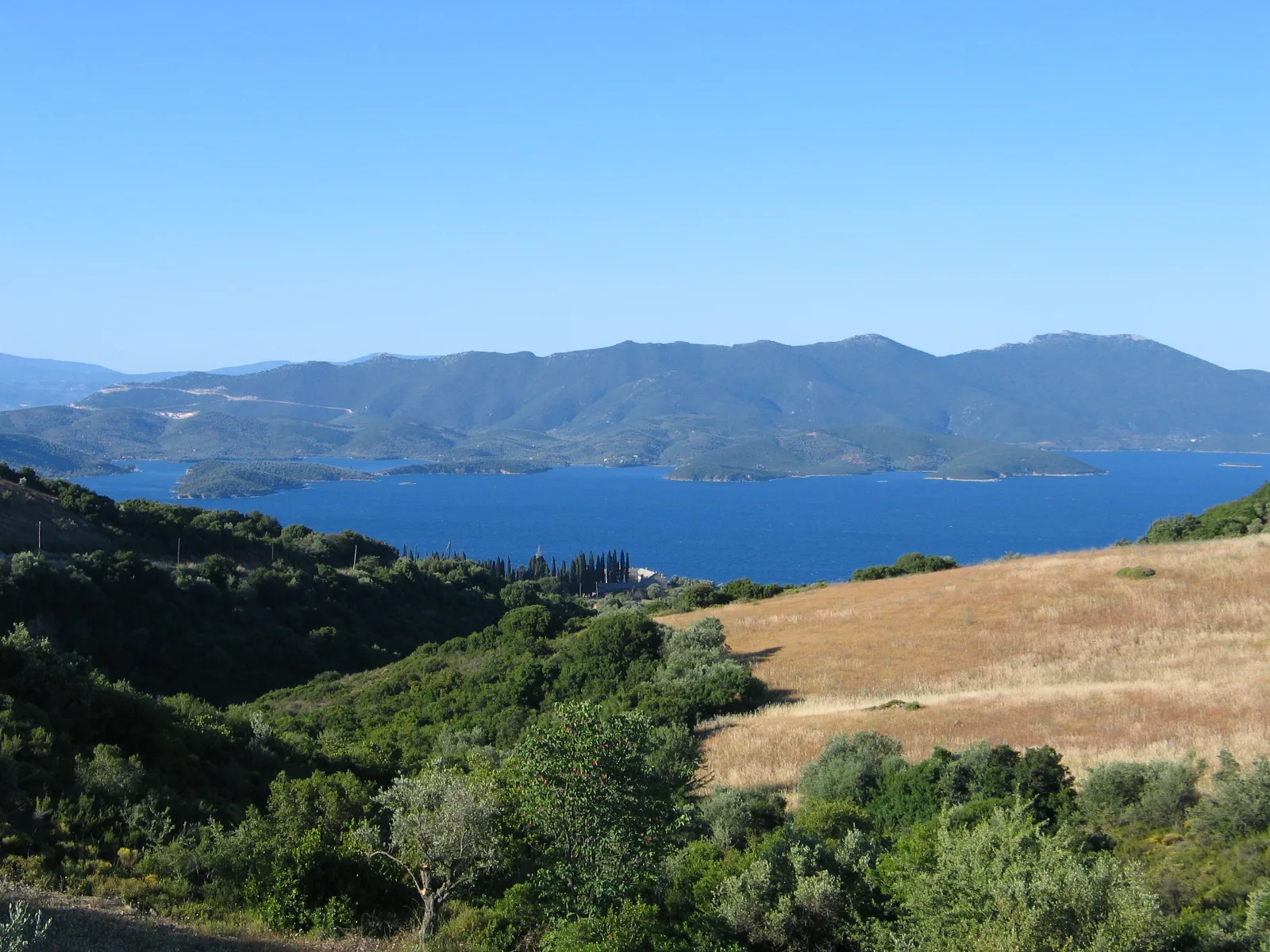
The Best Beaches in and Around Pelion
Pelion offers a unique blend of mountain greenery and coastal beauty. Discover the best beaches along its dramatic Aegean coastline and serene Pagasetic shores.
