


Olive Harvest Experiences in Greece
The Greek olive harvest is a time-honored tradition that defines the rhythm of rural life. Participating in the collection offers a profound connection to the land and its ancient agricultural heritage.
The Rhythm of the Harvest
The Greek olive harvest, known as the 'elaiomazema,' is one of the most significant events in the Mediterranean calendar. Spanning from late autumn through early winter, this period transforms the countryside into a hive of activity. For centuries, the olive tree has been a symbol of peace, resilience, and prosperity, and the act of harvesting is a communal effort that brings families and neighbors together under the silver-green canopy of ancient groves.
While the exact timing depends on the region and the specific variety of olive, the process generally begins when the fruit starts to change color from green to purple or black. This transition indicates that the oil content is at its peak, signaling that it is time to gather the crop before the winter frosts arrive. For a visitor, witnessing this season provides a rare glimpse into the authentic pulse of Greek village life.
How the Harvest Works
The traditional method of harvesting is labor-intensive and requires patience. Nets are spread carefully beneath the trees to catch the falling fruit. Harvesters use long poles, known as 'ravdia,' to gently shake the branches, causing the olives to drop. Modern methods may involve mechanical shakers, but many small-scale producers still prefer the manual approach to avoid damaging the delicate branches or the fruit itself.

Once the nets are full, the olives are gathered into crates. Speed is essential at this stage; to ensure the highest quality extra virgin olive oil, the olives must be taken to the local mill, or 'elaiotriveio,' as quickly as possible—ideally within twenty-four hours of being picked. This minimizes oxidation and ensures the oil retains its signature peppery finish and vibrant nutritional profile.
Participating in the Experience
Many agrotourism initiatives across Greece now invite travelers to take part in the harvest. These experiences range from a few hours of picking to multi-day immersive stays. Engaging in the harvest is not just about labor; it is about learning the nuances of different olive varieties, such as the hardy Koroneiki, the large Kalamata, or the buttery Manaki. You will learn how to distinguish between high-quality oil and lower grades, and understand the rigorous standards that define Greek liquid gold.
During these sessions, you can expect to spend time in the groves, often accompanied by a traditional outdoor lunch. It is common to enjoy rustic bread, local cheeses, and seasonal vegetables, all drizzled with the freshest oil of the season. This 'agrio' or raw oil, unfiltered and cloudy, has a distinct flavor that you will rarely find in a supermarket bottle.
Key Regions for Olive Tourism
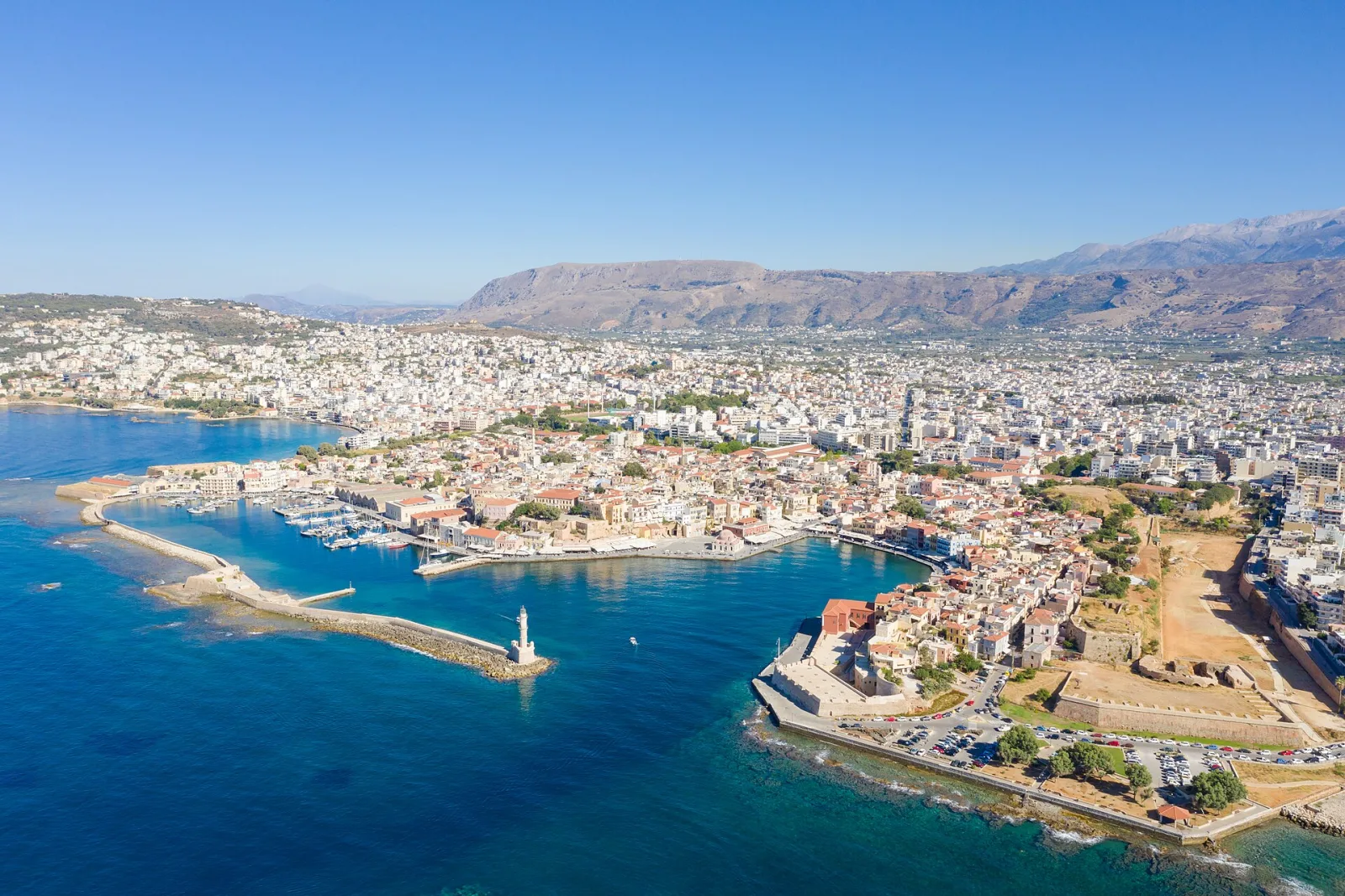
While olive groves are found in almost every corner of Greece, certain regions are particularly renowned for their production. The Peloponnese, specifically the area around Kalamata and the rugged Mani Peninsula, is famous for its world-class oil. In Crete, the island’s ancient trees, some of which are thousands of years old, provide a historical backdrop that is hard to match. Lesvos is another island where the olive culture is deeply ingrained in the local identity, with vast groves stretching from the hills down to the Aegean Sea.
If you prefer a mainland setting, the groves of the Pelion peninsula offer a stunning combination of mountain air and sea views. Regardless of where you choose to participate, the experience remains grounded in the same ancient principles of stewardship and respect for the land.
Practical Tips for the Harvest
- Dress for the outdoors: Wear sturdy, comfortable clothing and shoes that you do not mind getting dusty. The ground beneath the trees can be uneven.
- Check timing locally: The harvest season is weather-dependent. Always confirm with local hosts or agricultural cooperatives regarding the specific dates for that year, as rain can delay the process.
- Respect the trees: Olive trees are long-lived and treated with great reverence. Always follow the instructions of your hosts when handling the equipment.
- Support local mills: If you participate in a harvest, try to visit a local olive oil mill. Seeing the centrifuge and the pressing process is the best way to understand the transformation from fruit to oil.
- Book in advance: If you are looking for an organized agrotourism experience, reach out to local farms or regional tourism boards well before your arrival to secure a spot.
Plan your trip to Crete
Compare prices with KAYAKYou'll be taken to KAYAK to compare prices. We may earn a commission at no extra cost to you.
Plan your trip to Crete
🏨Find hotels on Booking.comBooking.comAffiliate links — we may earn a small commission.
Deals from our travel partners
 OFI Crete vs Bayer Leverkusen Tickets - Pankritio Stadium, 2026-10-22Sports Events 365 · from 130 EUR
OFI Crete vs Lech Poznan Tickets - Pankritio Stadium, 2027-01-28Sports Events 365 · from 130 EUR
OFI Crete vs RSC Anderlecht Tickets - Pankritio Stadium, 2026-11-26Sports Events 365 · from 130 EUR
SL Benfica vs OFI Crete Tickets - Estadio da Luz, 2026-12-10Sports Events 365 · from 90 EUR
OFI Crete vs Bayer Leverkusen Tickets - Pankritio Stadium, 2026-10-22Sports Events 365 · from 130 EUR
OFI Crete vs Lech Poznan Tickets - Pankritio Stadium, 2027-01-28Sports Events 365 · from 130 EUR
OFI Crete vs RSC Anderlecht Tickets - Pankritio Stadium, 2026-11-26Sports Events 365 · from 130 EUR
SL Benfica vs OFI Crete Tickets - Estadio da Luz, 2026-12-10Sports Events 365 · from 90 EUR
Affiliate links — we may earn a commission at no extra cost to you.
Related guides

Best Greek Islands for First-Timers
Choosing your first Greek island can be overwhelming. This guide highlights the most accessible and diverse islands to ensure your first trip is seamless.
Scuba Diving in Greece
Greece offers exceptional scuba diving opportunities, featuring remarkable underwater visibility, historic shipwrecks, and a diverse range of marine ecosystems waiting to be explored.
Is Greece Expensive? A Realistic Look at Costs
Navigating the costs of a Greek holiday requires balancing popular hotspots with mainland alternatives. This guide breaks down how to manage your budget effectively.
