


Porto Katsiki, Lefkada: Cliffs, Steps and Blue Water
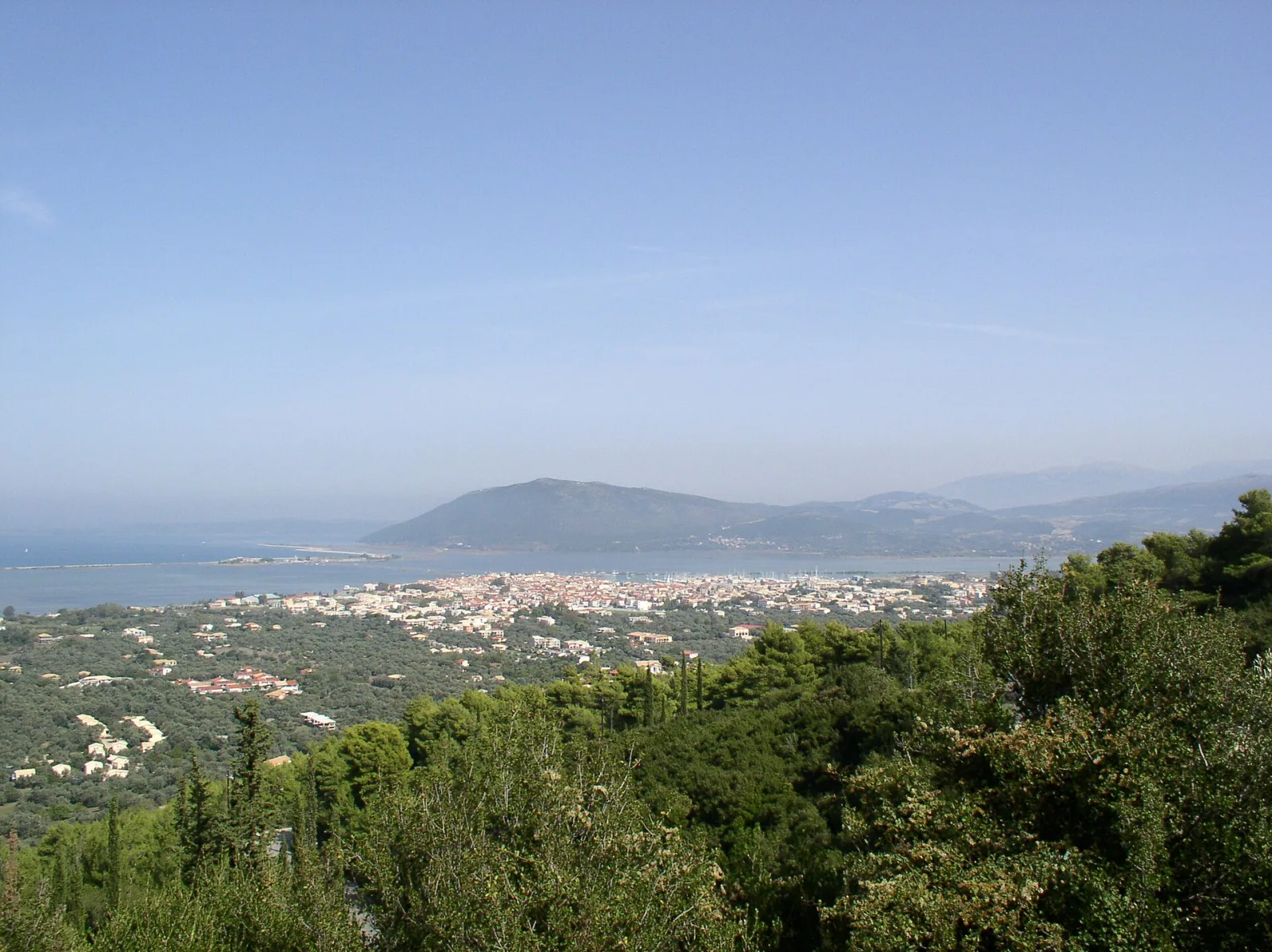
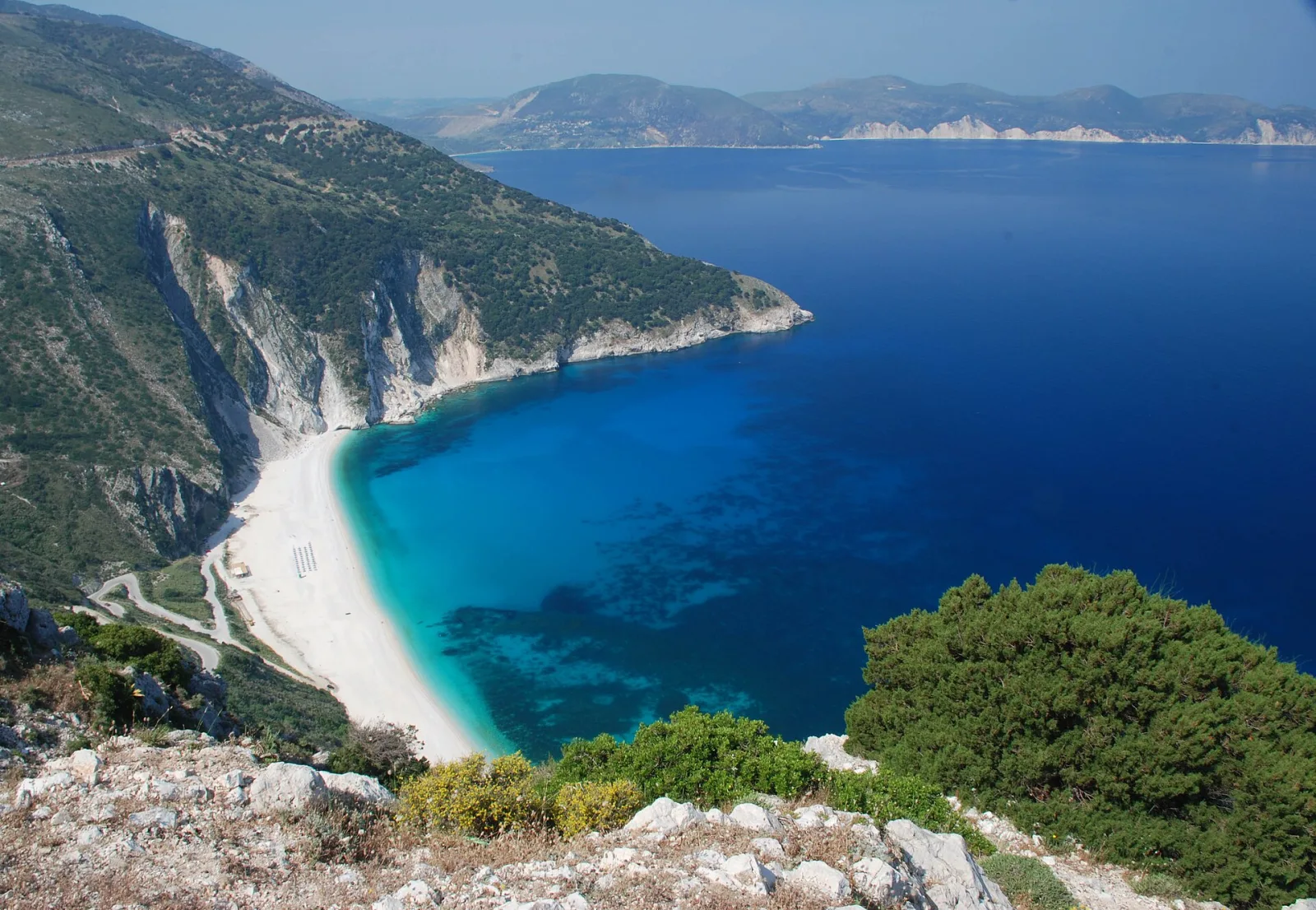
Porto Katsiki is the defining image of Lefkada, where towering white limestone cliffs drop sharply into the vibrant turquoise waters of the Ionian Sea.
The Allure of Porto Katsiki
Porto Katsiki is widely considered the crown jewel of Lefkada’s west coast. Its fame is well-earned, defined by a dramatic crescent of white pebbles set against a sheer, vertical cliff face. The contrast between the brilliant white rock and the deep, electric-blue water creates a landscape that feels almost otherworldly. It is the beach that appears on nearly every postcard of the island, drawing visitors from across the globe who come to witness the sheer scale of the coastline.
How to Reach the Beach
Lefkada is uniquely accessible among the Ionian islands because it is connected to the Greek mainland by a short causeway and a floating bridge. This allows travellers to drive directly onto the island without relying on ferries. To reach Porto Katsiki, visitors must navigate the winding, mountainous roads of the southern peninsula. The drive offers sweeping views, but the final stretch requires patience as the roads are narrow and can become congested during peak summer months.
Once at the top of the cliff, you will find a parking area. From there, a long concrete staircase leads down to the beach. Be prepared for a significant climb, especially on the way back up in the heat of the afternoon. Alternatively, many visitors choose to arrive by sea. Boat trips depart regularly from Nydri and Vasiliki, offering a different perspective of the cliffs and allowing passengers to swim directly off the boat into the deeper waters just offshore.

Safety and Practical Considerations
The beauty of Porto Katsiki is inherently linked to its geology, which requires caution. The white limestone cliffs are prone to erosion, and rockfalls can occur. It is important to pay attention to any local signage or cordoned-off areas at the base of the cliffs, as these are designated for safety reasons. Avoid setting up your towel too close to the cliff wall to minimize risk.
The beach itself is comprised of smooth white pebbles rather than fine sand, so water shoes are highly recommended for comfort. The water deepens quite quickly, which is excellent for swimming but requires vigilance if you are travelling with young children or weak swimmers. During periods of strong westerly winds, the Ionian Sea can produce significant waves, making the water choppy and challenging for those who are not confident swimmers. Always check local weather forecasts before heading out.
When to Visit
To experience the beach at its most tranquil, aim for the early morning hours. By midday, the beach can become quite crowded, and the parking area fills up rapidly. If you prefer a quieter atmosphere, consider visiting in the shoulder months of June or September, when the weather remains warm but the density of visitors is significantly lower. Because the beach faces west, the sun stays on the water for most of the day, but the cliffs will eventually cast a shadow over the sand in the late afternoon.
Nearby Alternatives and Exploration
While Porto Katsiki is the most famous, the west coast of Lefkada is lined with other spectacular beaches that share similar geological features. Egremni, located further north, is equally impressive and offers a vast expanse of beach beneath similar white cliffs. For those seeking a more relaxed vibe with more amenities, Kathisma beach is a popular choice, known for its stunning sunsets and beach bars. If you are interested in water sports, head south to Vasiliki, which is a world-renowned destination for windsurfing and kitesurfing due to its reliable afternoon thermal winds. For a change of pace, explore the island's interior, particularly the mountain village of Karya, where you can find traditional embroidery and a cooler climate away from the coast.
Practical Tips for Visitors
- Transport: Renting a car is the most practical way to explore the island, as public transport options are limited in the more remote beach areas.
- Supplies: Bring plenty of water, sunscreen, and snacks, as the facilities at the beach level are limited or non-existent depending on the season.
- Footwear: Pack sturdy water shoes to protect your feet from the hot, smooth pebbles.
- Sun Protection: Natural shade is scarce beneath the cliffs; bringing a portable beach umbrella is a wise choice.
- Arrival: Aim to arrive early in the morning to secure a parking space and enjoy the water before the peak heat and crowds arrive.
- Boat Trips: If the road journey seems daunting, look for boat excursions departing from Nydri; these often include stops at nearby islands like Meganisi and Skorpios.
Plan your trip to Lefkada
Compare prices with KAYAKYou'll be taken to KAYAK to compare prices. We may earn a commission at no extra cost to you.
Plan your trip to Lefkada
🏨Find hotels on Booking.comBooking.comAffiliate links — we may earn a small commission.
Deals from our travel partners
 PAOK Thessaloniki vs Balkan Botevgrad Tickets - PAOK Arena, 2027-01-13Sports Events 365 · from 102 EUR
Olympiacos Pireus vs Paris Basketball Tickets - Peace & Friendship Stadium, 2027-01-15Sports Events 365 · from 130 EUR
Aris Thessaloniki vs Rigas Zelli Tickets - Nick Galis Hall, 2026-11-11Sports Events 365 · from 102 EUR
Olympiacos Pireus vs Armani Olimpia Milano Tickets - Ano Liosia Olympic Hall, 2026-10-30Sports Events 365 · from 120 EUR
Affiliate links — we may earn a commission at no extra cost to you.
Related guides
Top Things to Do in Lefkada
Lefkada combines dramatic white-cliff beaches, lively watersports and easy island-hopping in one compact Ionian destination. Here is how to make the most of it.
Kayaking and Paddleboarding in Greece
Greece offers an expansive coastline perfect for exploration by kayak or paddleboard, allowing travellers to reach remote sea caves and pristine coves inaccessible by road.
Kolymbithres Beach, Paros: Swimming Among Sculpted Rocks
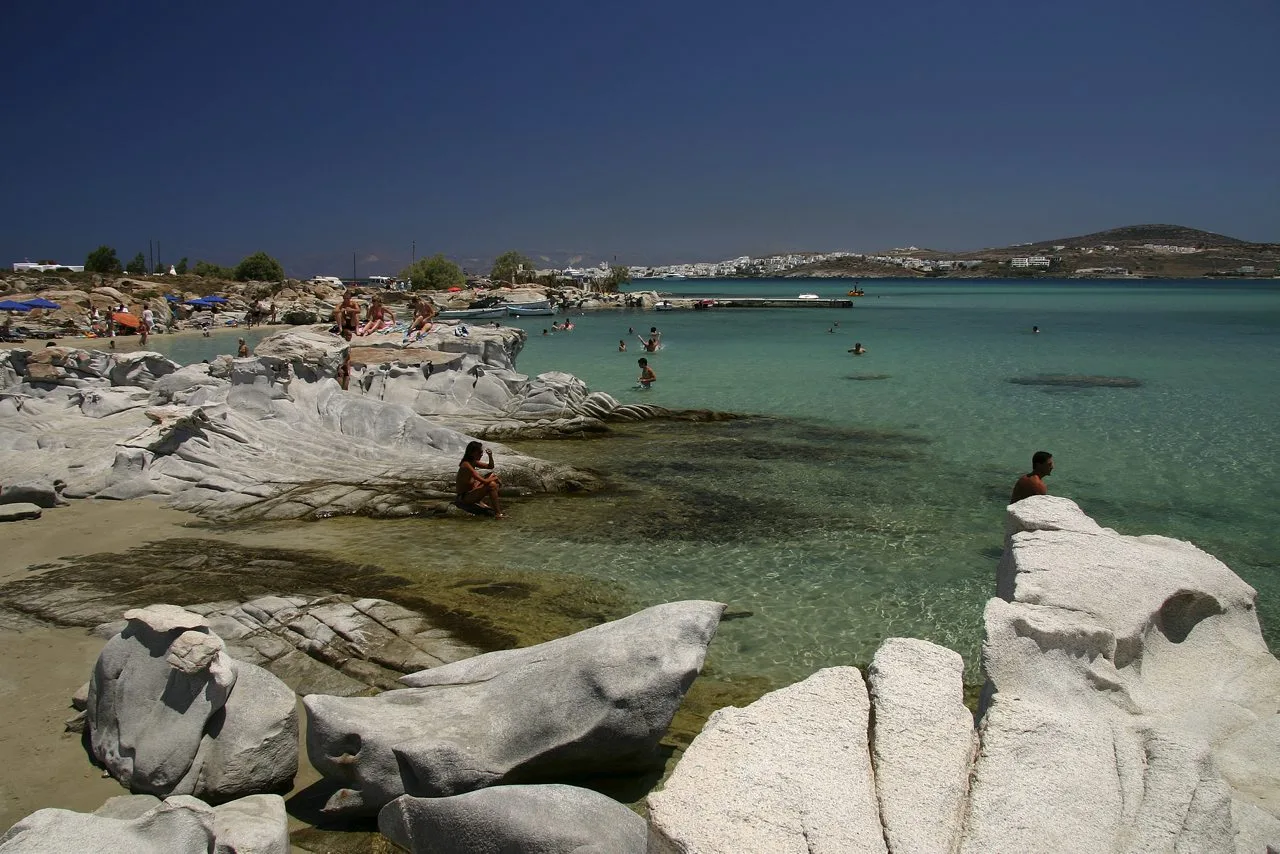
Kolymbithres Beach is one of the most distinctive coastal spots in the Cyclades, famous for its smooth, wind-sculpted granite boulders that break the shoreline into a series of small, sandy coves.
