


The Best Beaches in and Around Santorini
Santorini is defined by its dramatic caldera, but its coastline offers a distinct geological experience with unique volcanic sands and striking cliffside landscapes.
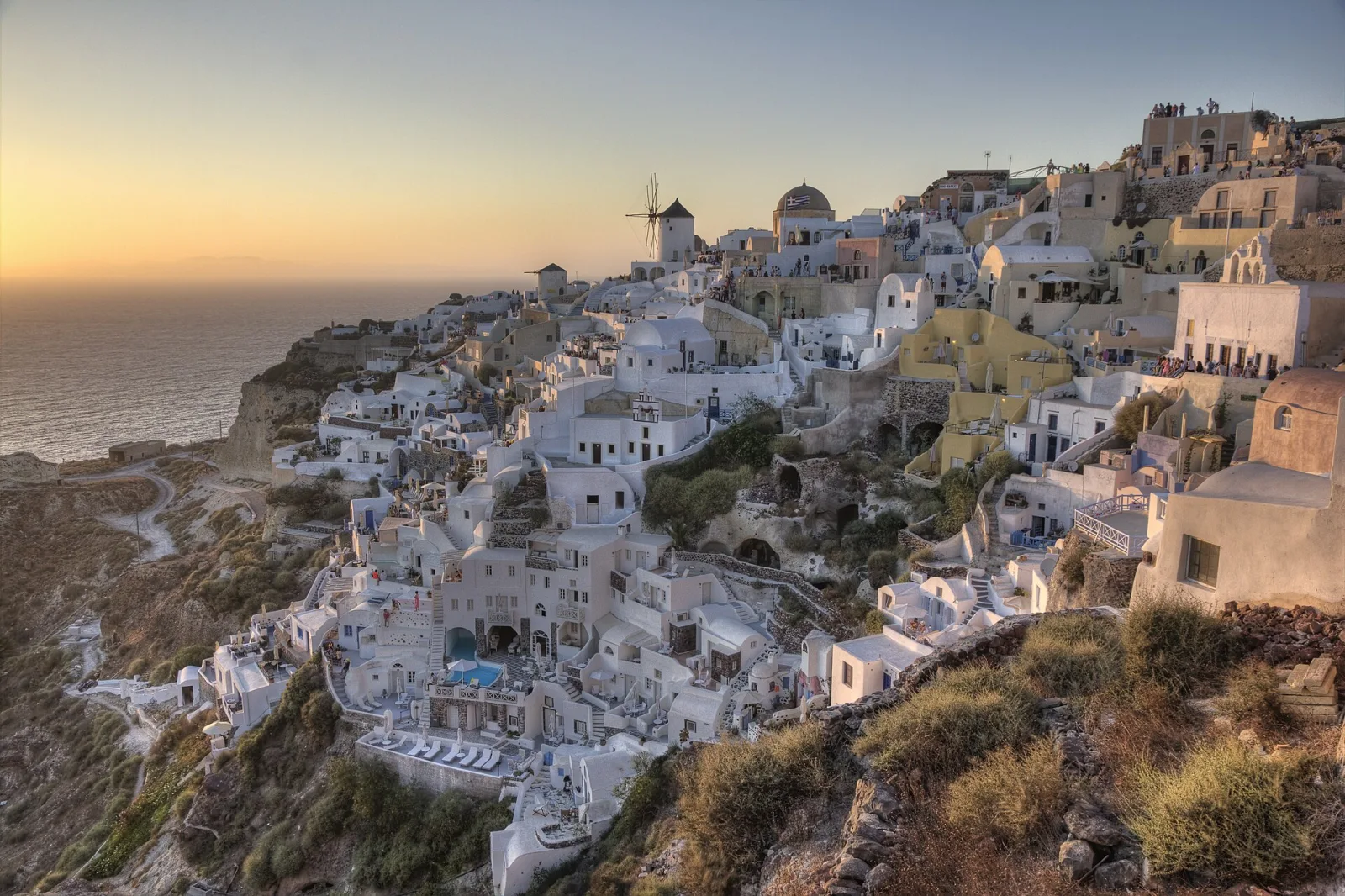
The Geological Character of Santorini Beaches
When planning a trip to Santorini, most travellers focus on the iconic whitewashed architecture of Oia or the sunset vistas from Imerovigli. However, the island's coastline is just as compelling, shaped entirely by its volcanic history. Unlike the soft, golden dunes found on many other Cycladic islands, Santorini’s beaches are defined by dark volcanic pebbles, deep-hued sand, and dramatic cliff faces. These are not typical tropical shores; they are rugged, atmospheric places that offer a fascinating glimpse into the island’s explosive past.
The Famous Black Sands of the Southeast
The eastern and southeastern coasts are home to the island’s most accessible and well-organized beaches. Perissa and Perivolos essentially form one long, continuous stretch of dark, volcanic sand that runs along the base of Mesa Vouno mountain. This area is ideal for those who enjoy having a range of amenities at their fingertips. You will find rows of sunbeds and umbrellas, along with a high density of tavernas, beach bars, and cafes serving everything from fresh seafood to quick snacks.
Kamari, located just on the other side of the mountain, is another popular choice. It features a similar dark-sand composition and a lively promenade that comes alive in the evenings. The water here is deep and clear, making it a good spot for swimming, though the seabed can be pebbly, so water shoes are often a practical addition to your beach bag.

The Striking Palette of Red Beach
Perhaps the most photographed beach on the island is Red Beach, located near the archaeological site of Akrotiri. The beach is famous for its towering, rust-colored volcanic cliffs that contrast sharply with the deep blue of the Aegean Sea. The sand itself is a mix of red and black pebbles, creating a unique landscape that feels almost extraterrestrial. Accessing Red Beach usually involves a short walk down a rocky path from the nearby parking area. Because it is a natural site prone to rockfalls, it is important to observe any safety signage and check locally for current access conditions before heading down.
Quiet Escapes and Hidden Coves
If the organized beaches of the southeast feel too busy, there are quieter alternatives for those willing to venture further afield. Vlychada Beach is often described as a lunar landscape due to the wind-sculpted white volcanic cliffs that back the shore. It has a much more serene, rugged atmosphere compared to the bustling hubs of Kamari or Perissa. Nearby, the small port of Vlychada offers a more traditional feel, with boats bobbing in the water and local tavernas serving the catch of the day.
For a different perspective, consider visiting the beaches on the northern or western side, though these are generally smaller and more difficult to reach. Many visitors prefer to take a boat excursion to see the caldera from the water, which often includes stops at the hot springs near the volcano. These boat trips provide a perspective of the island that is impossible to gain from the land and offer a chance to swim in the mineral-rich waters of the caldera.
Practical Tips for Your Beach Days
- Footwear: Because the sand is volcanic and can become extremely hot under the Mediterranean sun, flip-flops or water shoes are essential for walking across the beach.
- Transport: While the local bus network is efficient and connects Fira to the main beach towns like Perissa and Kamari, renting a car or an ATV provides the flexibility to explore the more remote stretches of the coast at your own pace.
- Sun Protection: The reflection of the sun off the dark volcanic sand and the surrounding cliffs can be intense. Ensure you have high-factor sun protection, hats, and plenty of water, as shade can be limited on some of the more rugged beaches.
- Safety: Always respect signage at beaches like Red Beach. Volcanic terrain can be unstable, and local authorities periodically restrict access to certain areas for safety reasons.
- Timing: If you prefer a quieter experience, head to the beaches early in the morning. By midday, the main beaches become quite crowded during the peak summer months.
- Facilities: Most organized beaches offer showers and changing rooms, but it is always wise to bring a towel and basic essentials with you. Check locally for the current status of beach clubs and services, as these can vary by season.
Plan your trip to Santorini
Compare prices with KAYAKYou'll be taken to KAYAK to compare prices. We may earn a commission at no extra cost to you.
Plan your trip to Santorini
🏨Find hotels on Booking.comBooking.comAffiliate links — we may earn a small commission.
Deals from our travel partners
 Flights from Santorini to BelgradeAir Serbia · from 425 EUR
 Aris Thessaloniki vs Rostock Tickets - Nick Galis Hall, 2026-12-22Sports Events 365 · from 102 EUR
Olympiacos Pireus vs Paris Basketball Tickets - Peace & Friendship Stadium, 2027-01-15Sports Events 365 · from 130 EUR
PAOK Thessaloniki vs Balkan Botevgrad Tickets - PAOK Arena, 2027-01-13Sports Events 365 · from 102 EUR
Aris Thessaloniki vs Rostock Tickets - Nick Galis Hall, 2026-12-22Sports Events 365 · from 102 EUR
Olympiacos Pireus vs Paris Basketball Tickets - Peace & Friendship Stadium, 2027-01-15Sports Events 365 · from 130 EUR
PAOK Thessaloniki vs Balkan Botevgrad Tickets - PAOK Arena, 2027-01-13Sports Events 365 · from 102 EUR
Affiliate links — we may earn a commission at no extra cost to you.
Related guides
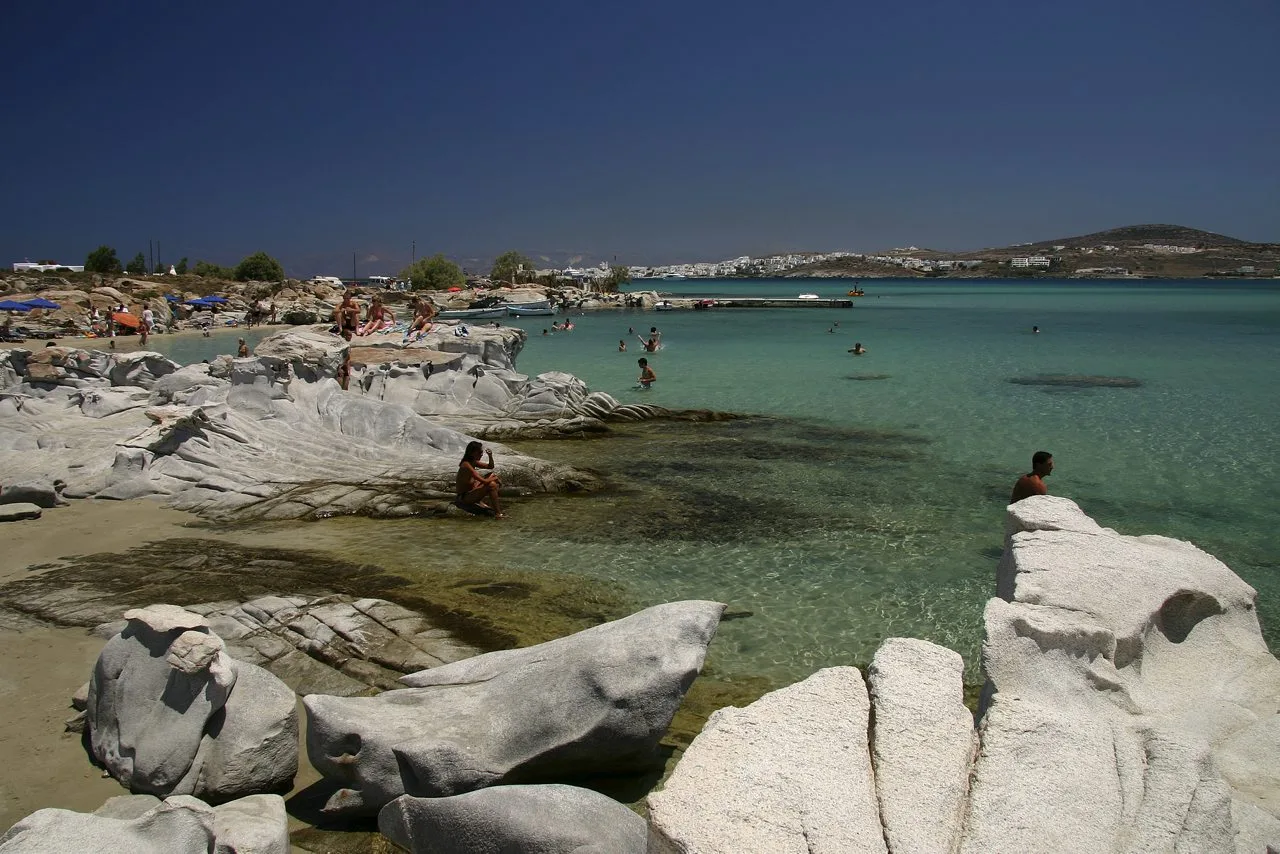
Top Things to Do in Paros
From whitewashed harbours and Venetian forts to sculpted rock beaches and mountain villages, Paros rewards travellers who look beyond the postcard. Here are the experiences worth planning around.
Greek Wine Tours by Region
Greece has one of the oldest winemaking traditions in the world, and its vineyards range from volcanic islands to mountain valleys. Here is how to plan a wine tour by region.
Greece on a Honeymoon: Romantic Destinations
Greece offers an unparalleled backdrop for a romantic getaway, blending ancient history with breathtaking coastal scenery. From serene island sunsets to mountain escapes, here is how to plan your dream honeymoon.
