


What to Eat in Agios Nikolaos: A Local Food Guide
Agios Nikolaos is a culinary gateway to the rich agricultural traditions of eastern Crete. This guide explores the essential dishes and local ingredients that define the dining scene in this vibrant coastal town.
The Culinary Landscape of Agios Nikolaos
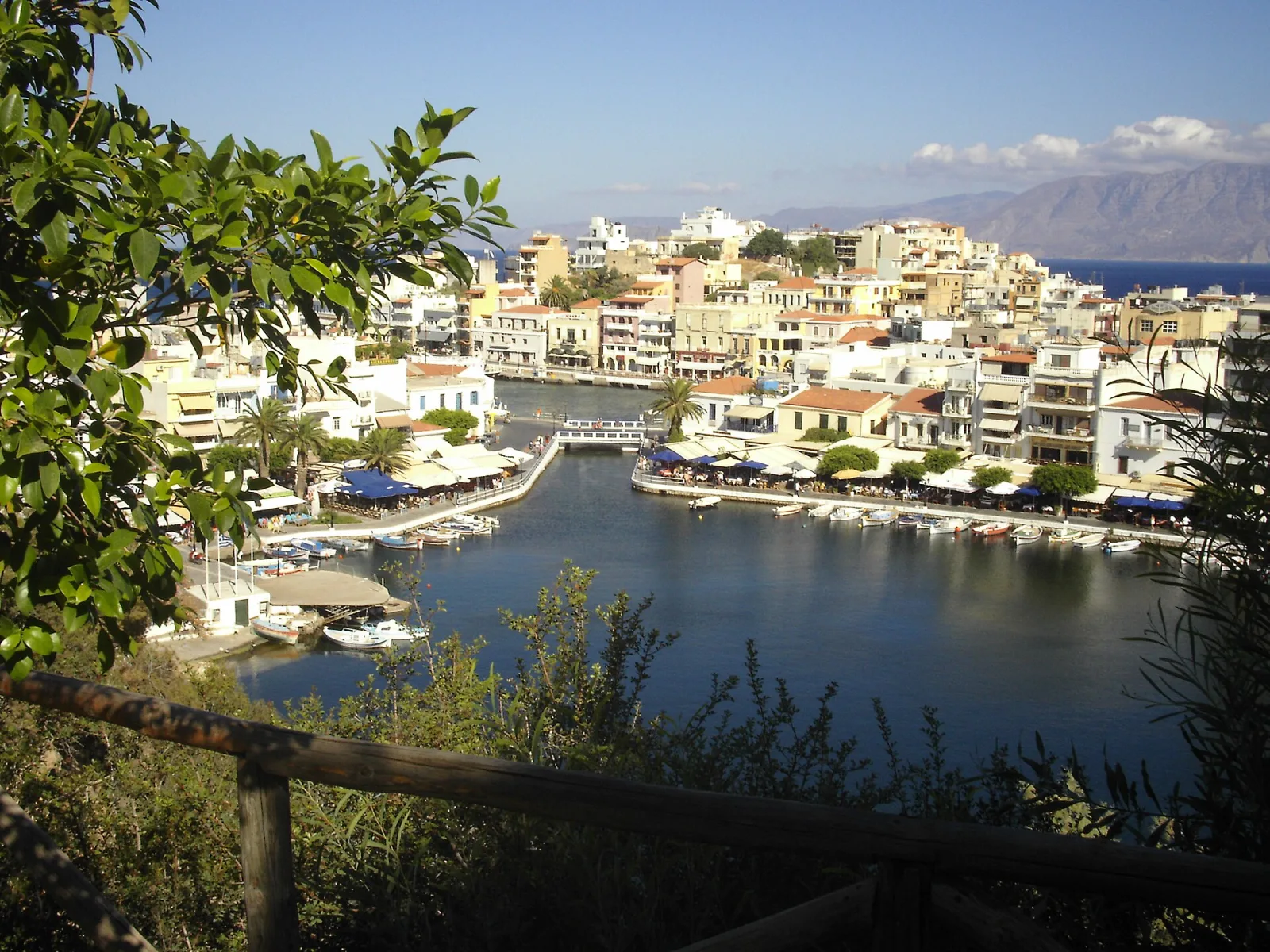
Agios Nikolaos serves as the vibrant capital of the Lasithi region, offering a dining scene that beautifully balances the freshness of the Aegean Sea with the hearty, earth-bound traditions of the Cretan mountains. The town’s social life revolves around Lake Voulismeni, a deep, salt-water basin linked to the sea by a narrow channel. Dining here offers a unique atmosphere, where the sound of the water provides a backdrop to meals built on ancient Mediterranean principles: olive oil, wild greens, legumes, and local cheeses.
Essential Cretan Flavors
To eat like a local in Agios Nikolaos, start with the basics of the Cretan diet. Cretan cuisine is famous for its longevity-promoting properties, relying heavily on the quality of local produce. You will notice that many menus feature 'dakos', a rusk made from barley, soaked slightly with water or olive oil, and topped with grated ripe tomatoes, crumbled mizithra or feta cheese, and a generous dusting of dried oregano. It is a staple starter that perfectly represents the region's simplicity and depth of flavor.
When choosing a main course, look for dishes featuring 'staka'—a local dairy specialty made from sheep or goat milk fat and flour. It is often served with eggs or as a rich, savory base for 'gamopilafo', the traditional wedding rice of Crete. While gamopilafo is a celebratory dish, many tavernas in the town and the surrounding villages serve excellent versions that highlight the intense, slow-cooked meat broth used to prepare the rice.

Seafood and Coastal Dining
Given its location on the Gulf of Mirabello, seafood is a prominent feature of the local diet. The nearby villages of Elounda and Plaka are particularly famous for their fish tavernas, which receive the daily catch from local fishermen. Expect to see grilled octopus, calamari, and a variety of white fish seasoned simply with lemon and high-quality olive oil. A popular way to enjoy seafood in this area is through a variety of 'mezedes', small plates meant to be shared. These might include salted fish, marinated anchovies, or sea urchin salad, best paired with a glass of local raki or a crisp white wine from the Cretan vineyards.
Mountain Influence: Kritsa and the Lasithi Plateau
The culinary identity of Agios Nikolaos is inseparable from the inland villages of Kritsa and the communities of the Lasithi Plateau. Taking a short trip into the hills allows you to experience the more rustic side of Cretan cooking. In Kritsa, you will find traditional tavernas serving 'chochlioi boubouristoi'—snails fried in olive oil with rosemary and vinegar. This is an iconic Cretan dish that highlights the island's resourceful approach to local ingredients. Additionally, the Lasithi Plateau is known for its potatoes and legumes; look for dishes featuring local beans or slow-roasted lamb seasoned with mountain herbs like thyme and savory.
Traditional Cretan Pastries
No meal in Agios Nikolaos is complete without a taste of the local sweets. 'Kalitsounia' are a must-try. These small pastries come in various forms, either baked or fried, and are typically filled with a mixture of soft cheese and honey or wild greens. They are a perfect accompaniment to a strong Greek coffee. For dessert, look for 'xerotigana', thin strips of dough fried until crisp and drizzled with honey and sesame seeds, often served during special occasions but available in many local bakeries throughout the year.
Practical Tips for Dining
- Raki Culture: Raki (or tsikoudia) is the local spirit of choice. It is often offered as a complimentary digestif at the end of a meal. Accepting it is a sign of hospitality.
- Taverna Etiquette: Many of the best dishes are not listed on the menu but are kept in the kitchen. Do not hesitate to ask the waiter what the 'magirefta' (cooked dishes of the day) are.
- Timing: Greeks traditionally eat later in the evening, especially during the summer months. Arriving at a restaurant around 9:00 PM will ensure a lively atmosphere.
- Local Markets: Visit the local markets to find high-quality Cretan olive oil, local honey, and herbal teas, which make excellent souvenirs.
- Reservations: During the peak summer season, it is wise to check locally regarding the need for reservations, especially for tavernas with prime views of Lake Voulismeni or the waterfront in Elounda.
Plan your trip to Agios Nikolaos
Compare prices with KAYAKYou'll be taken to KAYAK to compare prices. We may earn a commission at no extra cost to you.
Plan your trip to Agios Nikolaos
🏨Find hotels on Booking.comBooking.comAffiliate links — we may earn a small commission.
Deals from our travel partners
 PAOK Thessaloniki vs Balkan Botevgrad Tickets - PAOK Arena, 2027-01-13Sports Events 365 · from 102 EUR
Olympiacos Pireus vs Panathinaikos Athens Tickets - Peace & Friendship Stadium, 2027-02-12Sports Events 365 · from 180 EUR
Aris Thessaloniki vs Rostock Tickets - Nick Galis Hall, 2026-12-22Sports Events 365 · from 102 EUR
Olympiacos Pireus vs Paris Basketball Tickets - Peace & Friendship Stadium, 2027-01-15Sports Events 365 · from 130 EUR
PAOK Thessaloniki vs Balkan Botevgrad Tickets - PAOK Arena, 2027-01-13Sports Events 365 · from 102 EUR
Olympiacos Pireus vs Panathinaikos Athens Tickets - Peace & Friendship Stadium, 2027-02-12Sports Events 365 · from 180 EUR
Aris Thessaloniki vs Rostock Tickets - Nick Galis Hall, 2026-12-22Sports Events 365 · from 102 EUR
Olympiacos Pireus vs Paris Basketball Tickets - Peace & Friendship Stadium, 2027-01-15Sports Events 365 · from 130 EUR
Affiliate links — we may earn a commission at no extra cost to you.
Related guides
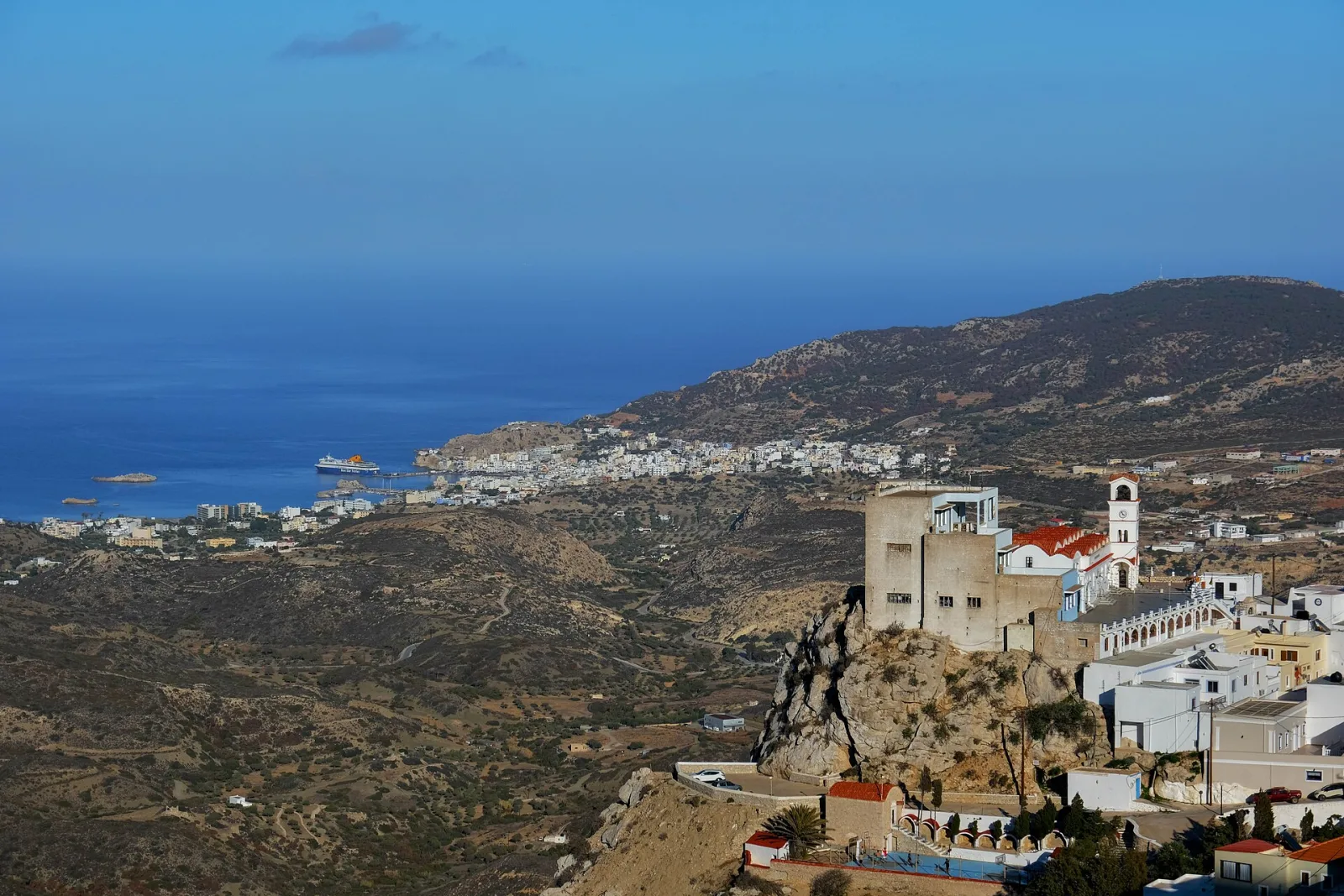
Top Things to Do in Karpathos
Rugged, unhurried and full of character, Karpathos rewards travellers who venture beyond the port. Here are the experiences worth planning your days around.
Top Things to Do in Agios Nikolaos
Agios Nikolaos is one of Crete's most appealing seaside towns, built around a small lake and within easy reach of Spinalonga, Elounda and the mountains.
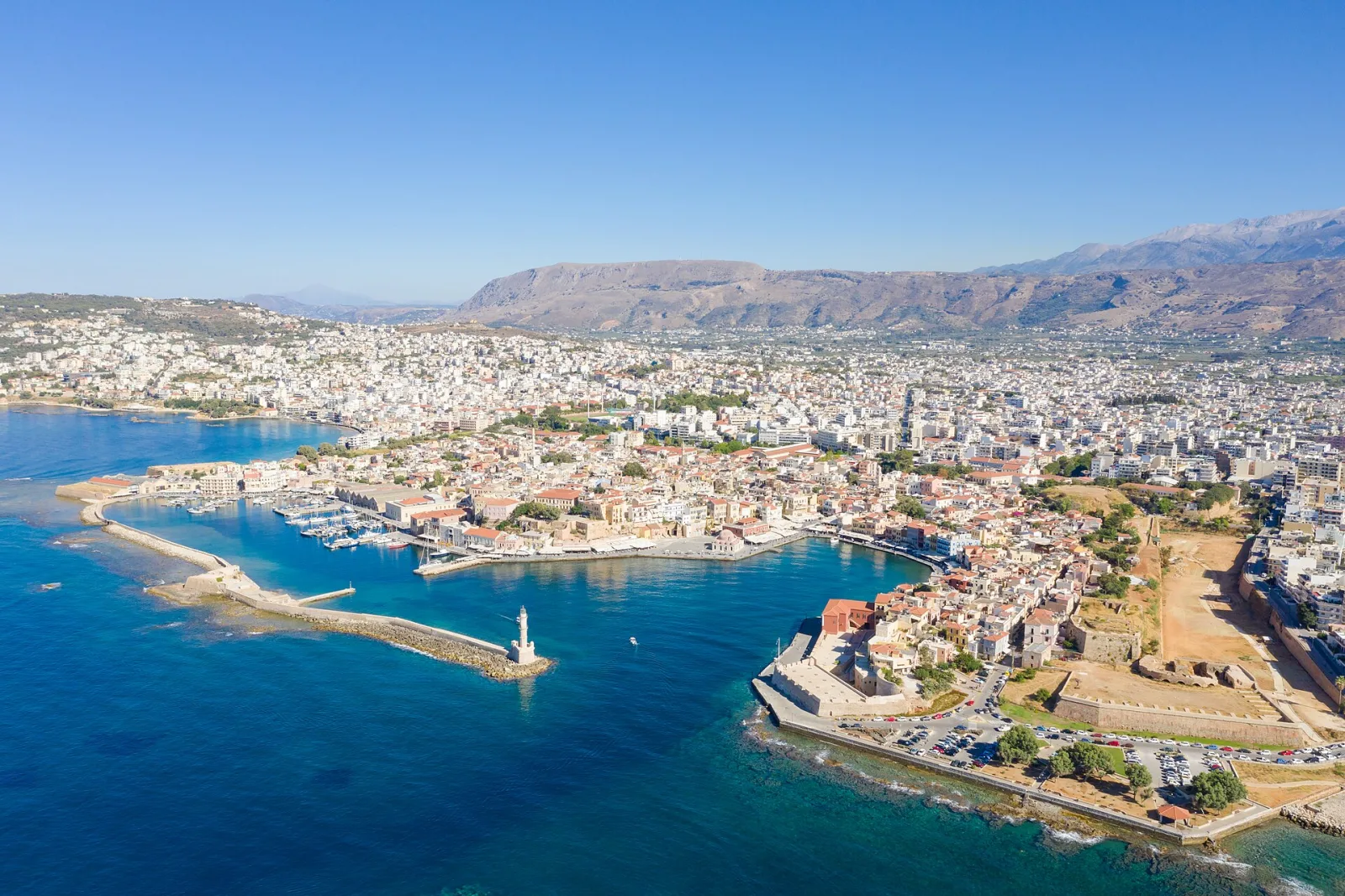
Crete in 3 Days: The Perfect Itinerary
Three days is short for Crete, but enough to see an ancient palace, a Venetian harbour and one of the island's famous beaches. Here is a realistic route that doesn't rush you.
