


What to Eat in Kefalonia: A Local Food Guide
Kefalonia offers a distinct culinary identity shaped by its rugged mountains and Ionian heritage. Explore the essential local dishes and wines that define this island's kitchen.
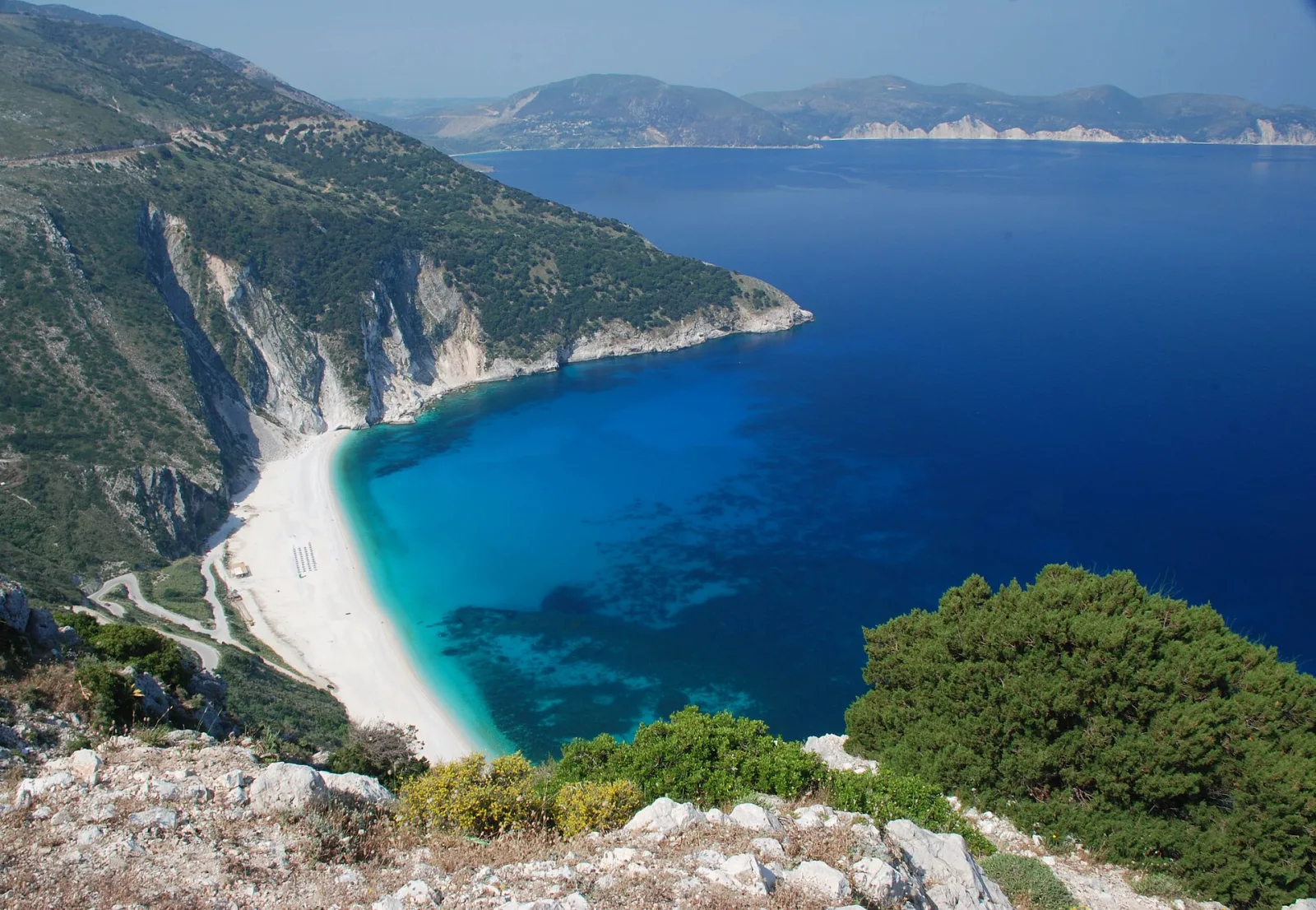
The Culinary Landscape of Kefalonia
Kefalonia, the largest of the Ionian Islands, possesses a gastronomic identity that is as varied as its geography. The island’s cuisine is a reflection of its history, blending rustic mountain traditions with the bounties of the surrounding Ionian Sea. Visitors to the island will find that the local diet is deeply rooted in the land, utilizing wild herbs, high-quality olive oil, and the island’s unique viticulture.
The Famous Kefalonian Meat Pie
The most iconic dish of the island is undoubtedly the Kefalonian meat pie, or kreatopita. Unlike the meat pies found elsewhere in Greece, the Kefalonian version is a complex, hearty affair. It typically features a mixture of three types of meat—usually beef, lamb, and pork—slow-cooked with rice, potatoes, garlic, onions, and a generous amount of local herbs. It is encased in a thick, rustic crust that holds the juices perfectly. Every village has its own variation, with some versions incorporating tomato sauce or local cheeses, making it a staple at family celebrations and traditional tavernas.
The Robola Wine Tradition
No exploration of Kefalonian food is complete without mentioning Robola. This white wine variety, known as the 'wine of stone,' is grown on the limestone slopes of Mount Ainos. The high altitude and rocky terrain give the grape a distinct minerality and crisp acidity that pairs exceptionally well with the island’s seafood. Visitors interested in the viticulture of the region should seek out local wineries, particularly those near the Omala Valley, to taste the wine directly from the source. The Robola Cooperative is a great place to start, though smaller boutique producers also offer intimate tastings.

Ionian Seafood and Coastal Delicacies
Given the island's extensive coastline, fresh fish and seafood feature heavily on local menus. In harbour towns like Fiskardo and Sami, you will find daily catches ranging from sea bream and red mullet to octopus and squid. A local specialty to look for is bourdeto, a spicy fish stew cooked with red pepper, onion, and tomato, which highlights the influence of neighboring Venetian culinary traditions. Another common dish is savoro, a method of frying fish and preserving it in a sauce of vinegar, rosemary, and raisins, which was historically used by sailors to keep food fresh during long voyages.
Local Cheeses and Sweets
The island’s dairy production is notable, particularly the feta produced in the mountainous areas, which tends to be firmer and more piquant than mainland varieties. Another highlight is myzithra, a fresh, creamy cheese often served as a dessert with local honey or used in savory pies. For those with a sweet tooth, the island is famous for mandoles—almonds coated in sugar and colored with natural red dyes, often sold in small paper cones. Another traditional dessert is amygdalota, almond-based cookies that are fragrant with rosewater and perfect when accompanied by a strong Greek coffee.
Practical Tips for Dining
- Look for tavernas that feature a daily 'magirefta' menu; these are slow-cooked, oven-baked dishes that change depending on the season and local availability.
- When visiting the mountain villages, ask for the local honey, which is often infused with the scent of the endemic Kefalonian fir trees found in the national park.
- Check locally for the best times to visit wineries, as some smaller producers may require an appointment during the quieter shoulder seasons.
- In popular tourist hubs like Fiskardo, walk a few streets away from the main waterfront to find smaller, family-run establishments that focus on traditional recipes.
- Always pair your meal with a glass of chilled local Robola to balance the richer, meat-heavy dishes like the meat pie.
Plan your trip to Kefalonia
Compare prices with KAYAKYou'll be taken to KAYAK to compare prices. We may earn a commission at no extra cost to you.
Plan your trip to Kefalonia
🏨Find hotels on Booking.comBooking.comAffiliate links — we may earn a small commission.
Deals from our travel partners
 PAOK Thessaloniki vs Balkan Botevgrad Tickets - PAOK Arena, 2027-01-13Sports Events 365 · from 102 EUR
Aris Thessaloniki vs Rostock Tickets - Nick Galis Hall, 2026-12-22Sports Events 365 · from 102 EUR
Olympiacos Pireus vs Real Madrid Tickets - Ano Liosia Olympic Hall, 2026-11-20Sports Events 365 · from 162 EUR
Olympiacos Pireus vs Virtus Bologna Tickets - Peace & Friendship Stadium, 2027-03-26Sports Events 365 · from 120 EUR
PAOK Thessaloniki vs Balkan Botevgrad Tickets - PAOK Arena, 2027-01-13Sports Events 365 · from 102 EUR
Aris Thessaloniki vs Rostock Tickets - Nick Galis Hall, 2026-12-22Sports Events 365 · from 102 EUR
Olympiacos Pireus vs Real Madrid Tickets - Ano Liosia Olympic Hall, 2026-11-20Sports Events 365 · from 162 EUR
Olympiacos Pireus vs Virtus Bologna Tickets - Peace & Friendship Stadium, 2027-03-26Sports Events 365 · from 120 EUR
Affiliate links — we may earn a commission at no extra cost to you.
Related guides
Kayaking and Paddleboarding in Greece
Greece offers an expansive coastline perfect for exploration by kayak or paddleboard, allowing travellers to reach remote sea caves and pristine coves inaccessible by road.

Scuba Diving in Greece
Greece offers exceptional scuba diving opportunities, featuring remarkable underwater visibility, historic shipwrecks, and a diverse range of marine ecosystems waiting to be explored.
Top Things to Do in Kefalonia
Kefalonia is a vast, mountainous island offering a diverse mix of dramatic coastal scenery, underground wonders, and historic Venetian harbors. It is an ideal destination for those who enjoy exploration.
