


What to Eat in Thessaloniki: A Local Food Guide
Thessaloniki is widely considered the culinary capital of Greece, offering a blend of Byzantine history, Balkan influences, and a deep-rooted passion for fresh, local ingredients.
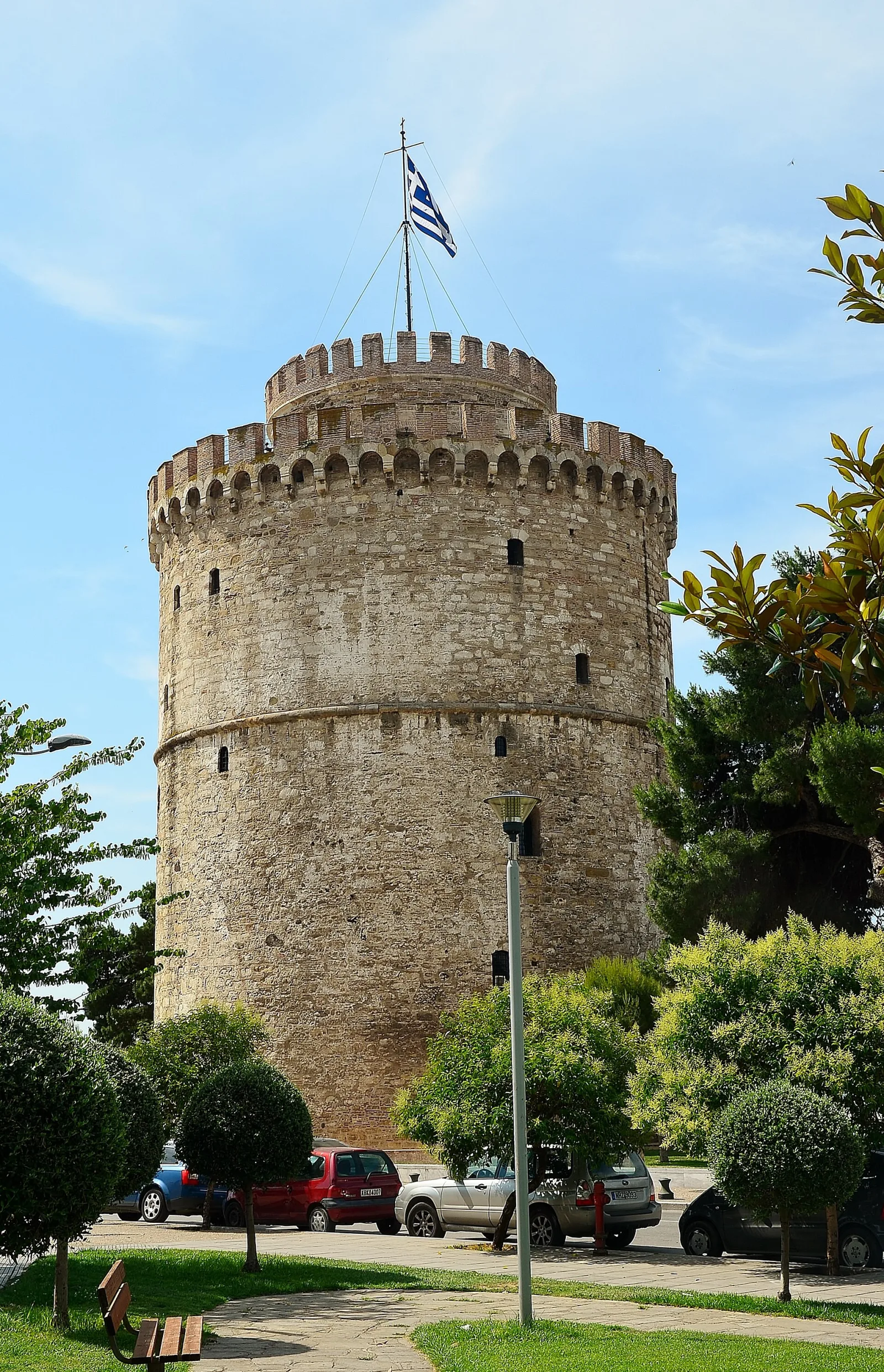
The Culinary Soul of Northern Greece
Thessaloniki is a city defined by its appetite. While the rest of Greece looks toward the Mediterranean, Thessaloniki looks toward the Balkans and the East, creating a food culture that is distinct, bold, and incredibly satisfying. The city’s history as a crossroads of civilizations has left an indelible mark on its kitchen, resulting in a unique fusion of flavors that you won't find elsewhere in the country.
The Breakfast Ritual: Bougatsa
In Thessaloniki, breakfast is a serious affair, and it almost always begins with bougatsa. Unlike the versions found in other parts of Greece, the local bougatsa is a masterpiece of phyllo pastry. It is traditionally filled with either creamy semolina custard, salty feta cheese, or minced meat. The custard version is typically dusted with icing sugar and cinnamon. Locals often pair this with a cold frappe or a traditional Greek coffee. While you will find bougatsa shops on almost every corner, the best way to enjoy it is fresh from the oven at a traditional bakery in the city center.
Exploring the Markets: Kapani and Modiano
To understand the ingredients that define the city, head to its historic markets. Kapani, the oldest open-air market in the city, is a sensory explosion. Here, you will find stalls piled high with local olives, dried herbs, mountain tea, and fresh produce from the Macedonian countryside. Nearby, the restored Modiano Market offers a more modern take on the traditional food hall experience, featuring everything from artisanal cheeses to local wines. These markets are the best places to pick up high-quality ingredients like red peppers from Florina or local cheeses like manouri.

The Art of Meze and Ouzo
As the sun begins to set, the city shifts its focus to the meze culture. The Ladadika district, with its cobblestone streets and historic buildings, is the epicenter of this tradition. Here, you sit at small tables and order a series of small plates designed for sharing, accompanied by glasses of ouzo or tsipouro. Essential meze dishes include:
- Soutzoukakia: Spiced meatballs made with cumin and garlic, often served in a rich tomato sauce.
- Gavros Saganaki: Fresh anchovies fried with herbs and sometimes finished with a splash of ouzo.
- Dolmadakia: Vine leaves stuffed with a mix of rice, herbs, and occasionally minced meat.
- Grilled Octopus: A staple of the northern Greek coastline, usually served with a drizzle of lemon and high-quality olive oil.
The Street Food Scene
Thessaloniki is a city that eats on the move. Beyond bougatsa, look for 'koulouri', the circular bread rings covered in sesame seeds that are sold by street vendors across the city. They are simple, crunchy, and the perfect snack while walking along the waterfront from the White Tower to the Umbrellas sculpture. In the evenings, you will also find plenty of spots serving gyros, often styled with a local twist—some places offer a choice of pork or chicken, served with mustard-based sauces which are quite popular in this region.
Sweet Endings
The city has a long history of confectionery, heavily influenced by the East. Do not leave without trying 'tsoureki', a sweet, braided brioche bread. The most famous version is filled with chestnut cream or covered in chocolate and almonds. Another must-try is 'trigona panoramatos', triangular phyllo pastries soaked in syrup and filled with rich pastry cream. They are iconic to the region and serve as the perfect conclusion to a meal.
Practical Tips for Foodies
- Timing: Greeks eat late. Lunch is typically enjoyed after 2:00 PM, and dinner rarely begins before 9:00 PM. Plan your meals accordingly to enjoy the most vibrant atmosphere.
- Local Wine: Don't stick to house wine. Northern Greece, particularly the regions around Drama and Kavala, produces some of the country's finest white and red wines. Ask for a local bottle from the Macedonia region.
- Reservations: While many ouzeri in Ladadika are casual, popular spots can get busy on weekend nights. Check locally regarding the need for a reservation.
- Navigation: The city is very walkable, but if you are heading to Ano Poli for dinner with a view, consider taking a bus or taxi, as the uphill climb can be steep after a large meal.
- Market Hours: Markets like Kapani are most active in the mornings. Visit before midday to see the stalls at their busiest and freshest.
Plan your trip to Drama
Compare prices with KAYAKYou'll be taken to KAYAK to compare prices. We may earn a commission at no extra cost to you.
Plan your trip to Drama
🏨Find hotels on Booking.comBooking.comAffiliate links — we may earn a small commission.
Deals from our travel partners
 Olympiacos Pireus vs Paris Basketball Tickets - Peace & Friendship Stadium, 2027-01-15Sports Events 365 · from 130 EUR
Aris Thessaloniki vs Rostock Tickets - Nick Galis Hall, 2026-12-22Sports Events 365 · from 102 EUR
PAOK Thessaloniki vs Balkan Botevgrad Tickets - PAOK Arena, 2027-01-13Sports Events 365 · from 102 EUR
PAOK Thessaloniki vs Bahcesehir Koleji Istanbul Tickets - PAOK Arena, 2026-12-29Sports Events 365 · from 102 EUR
Olympiacos Pireus vs Paris Basketball Tickets - Peace & Friendship Stadium, 2027-01-15Sports Events 365 · from 130 EUR
Aris Thessaloniki vs Rostock Tickets - Nick Galis Hall, 2026-12-22Sports Events 365 · from 102 EUR
PAOK Thessaloniki vs Balkan Botevgrad Tickets - PAOK Arena, 2027-01-13Sports Events 365 · from 102 EUR
PAOK Thessaloniki vs Bahcesehir Koleji Istanbul Tickets - PAOK Arena, 2026-12-29Sports Events 365 · from 102 EUR
Affiliate links — we may earn a commission at no extra cost to you.
Related guides
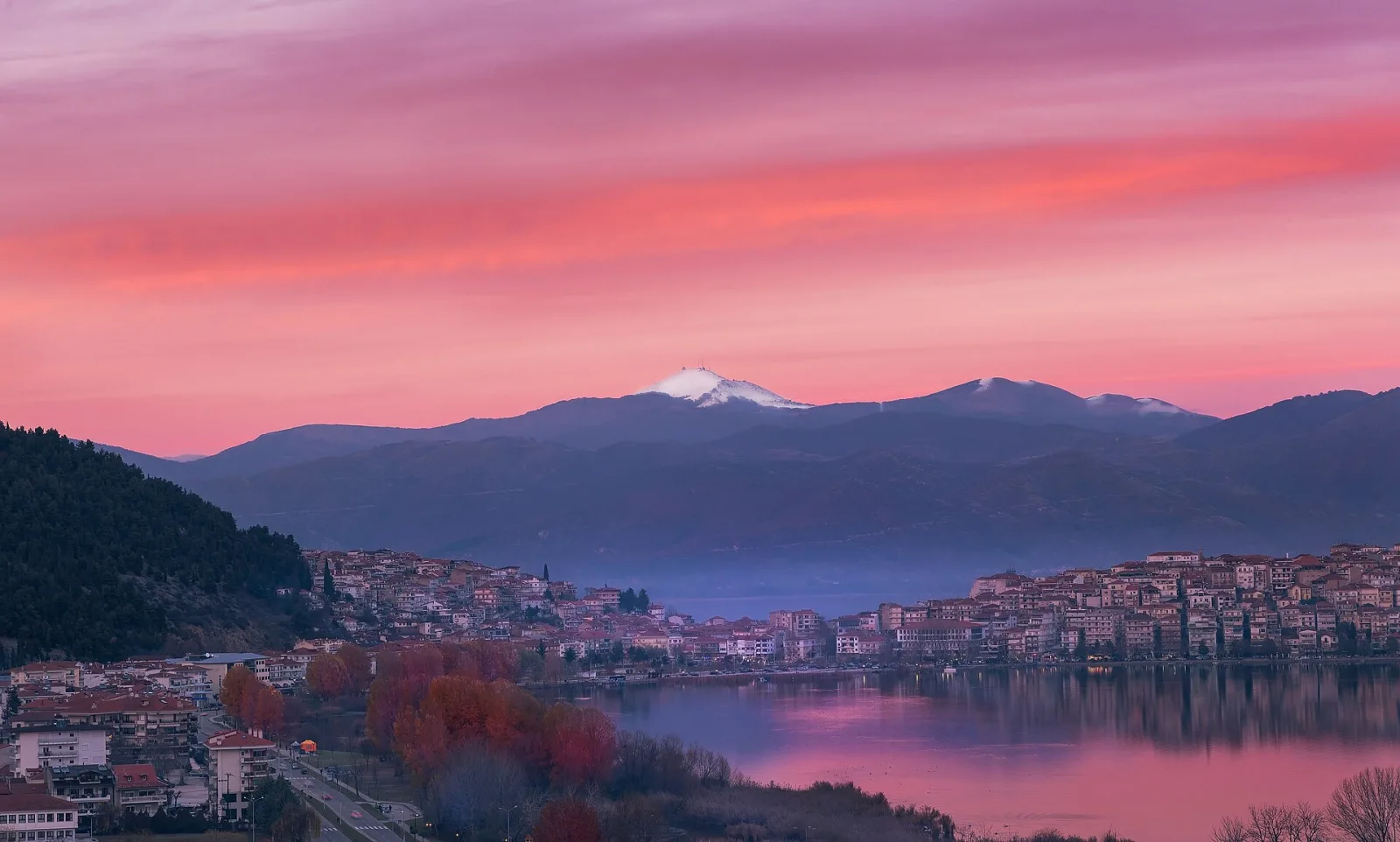
Top Things to Do in Kastoria
Kastoria rewards slow travellers with misty lake views, frescoed Byzantine churches and grand old mansions. Here is what to see and how to plan your visit.
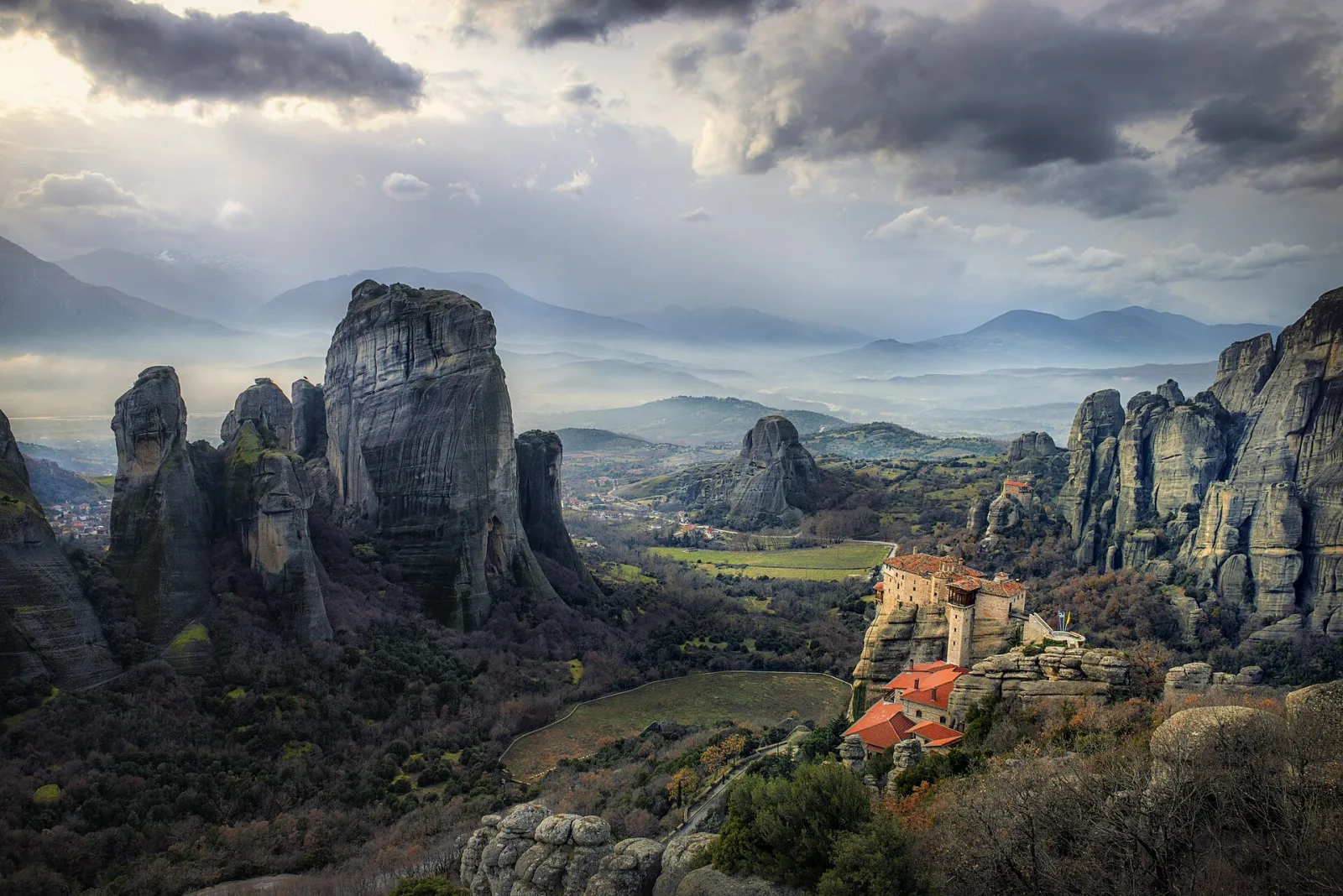
Meteora in 3 Days: The Perfect Itinerary
Giant sandstone pillars, Byzantine monasteries and some of Greece's best sunsets make Meteora a destination worth three full days. Here is how to spend them well.
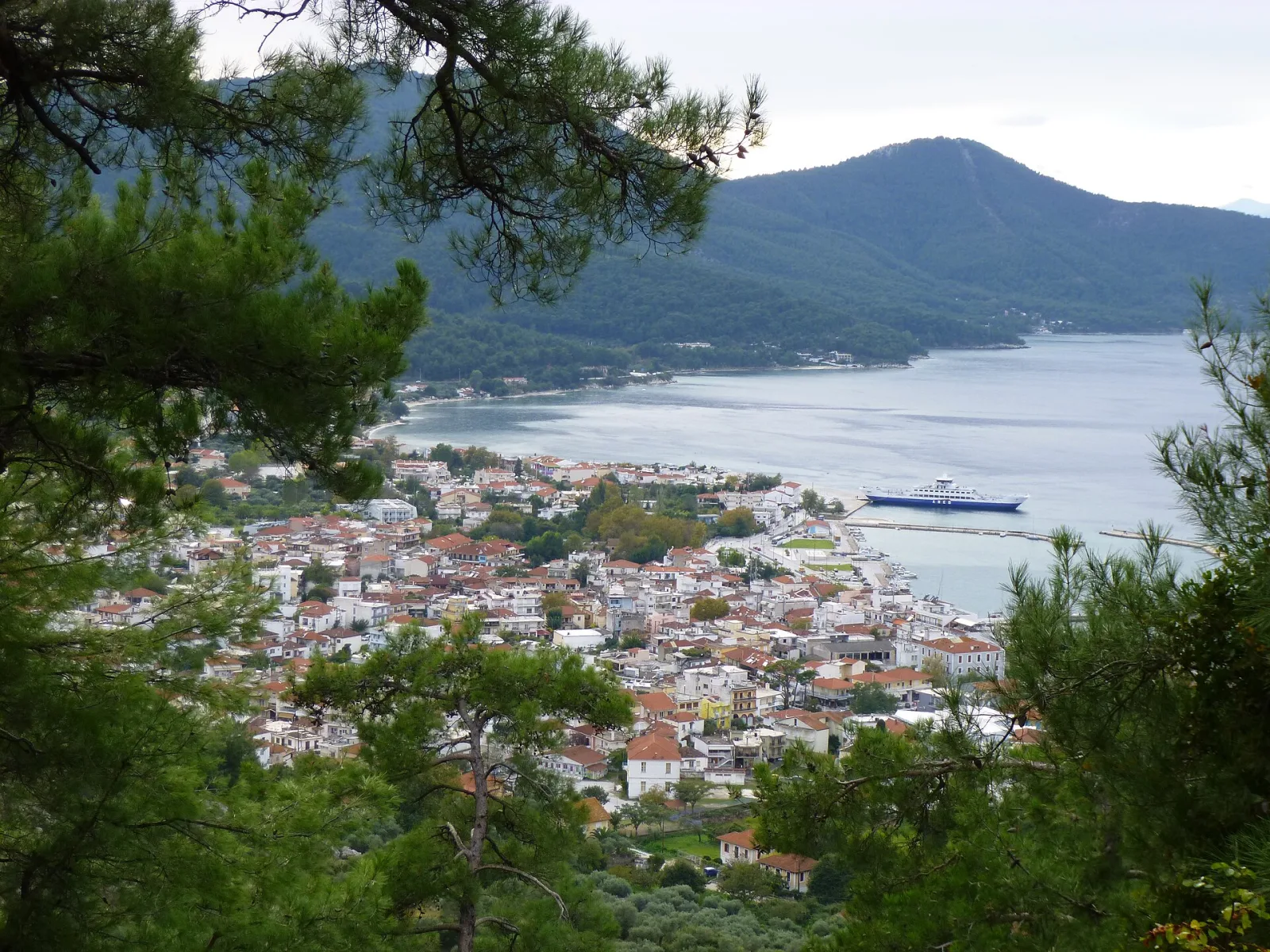
Top Things to Do in Thassos
Thassos is a pine-covered island ringed by beaches, with marble coves, natural pools, ancient ruins and mountain villages all within easy reach of each other.
