


What to Eat in Zagori: A Local Food Guide
Zagori is defined by its rugged stone architecture and ancient mule paths, but its culinary identity is just as distinct. Learn what to eat in this mountainous corner of Epirus.
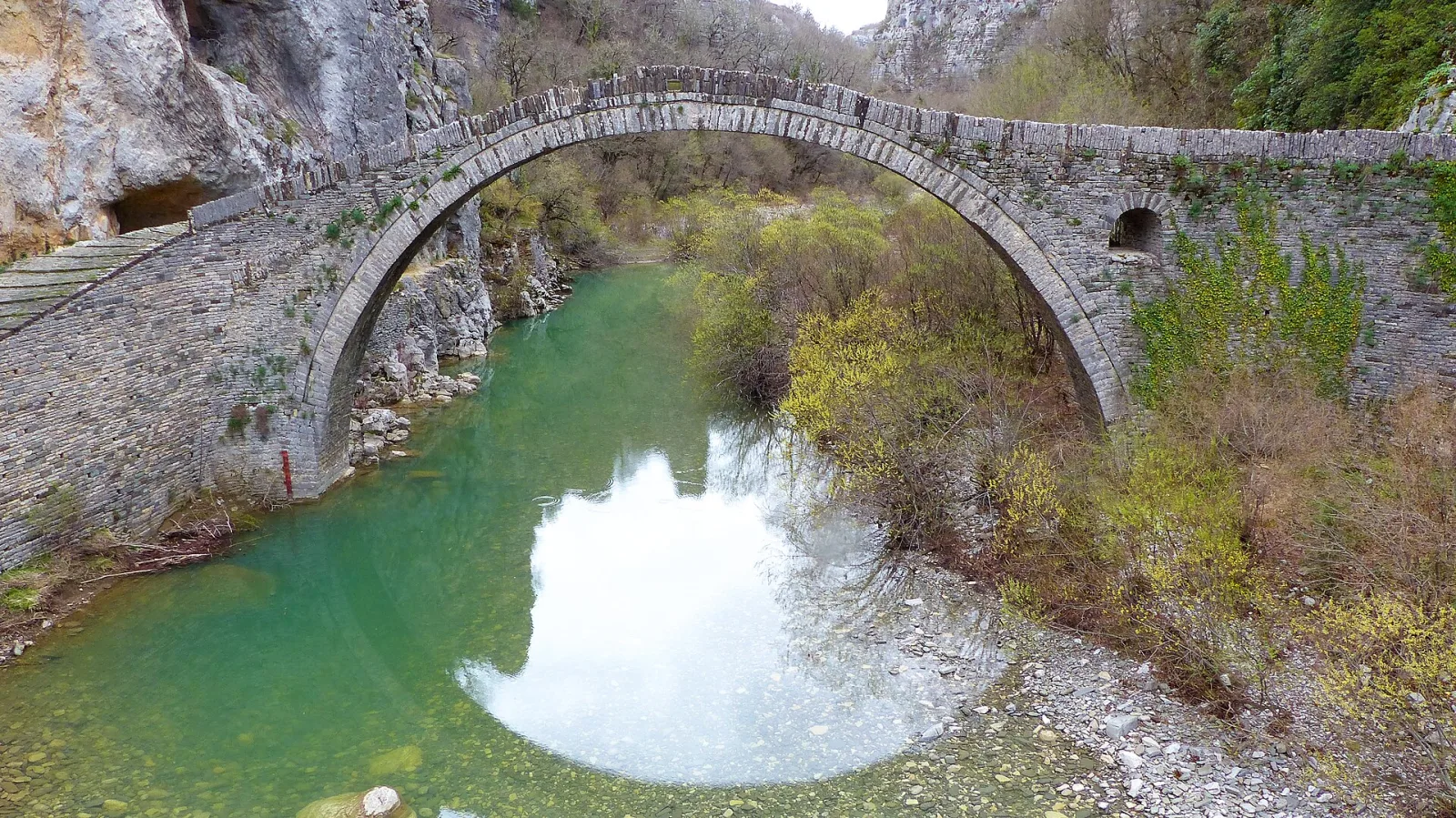
The Culinary Heritage of the Mountains
The Zagori region, a collection of over forty stone villages scattered across the Pindus mountain range, offers a culinary experience as rugged and authentic as its landscape. Because the villages were historically isolated by harsh winters and steep terrain, the local diet evolved to rely heavily on what the earth could provide: wild greens, flour, dairy, and seasonal game. Today, this tradition persists, making Zagori one of the best places in Greece to experience genuine mountain cooking.
The Art of the Zagori Pie
In Zagori, the pita (pie) is not merely a snack; it is the cornerstone of the local diet. Unlike the mass-produced versions found elsewhere, Zagori pies are characterized by their paper-thin, handmade phyllo dough and fillings that reflect the changing seasons. You will find that every village and household has a signature variation.
- Kasopita: A flour-based pie that is often made without phyllo, resulting in a dense, satisfying crust that holds together a mixture of local feta and eggs.
- Hortopita: Filled with a variety of wild greens foraged from the surrounding slopes, such as spinach, leeks, and wild chard, seasoned with fresh mountain herbs.
- Galatopita: A sweet milk pie that serves as a common dessert, often flavored with a hint of cinnamon or local honey.
Wild Greens and Mountain Flavors
Vegetables in Zagori are rarely imported; they are gathered. During spring and autumn, the hillsides are rich with wild greens like tsouknida (nettle) and lapatha (dock). These are often sautéed with olive oil and garlic or incorporated into soups. Because the region is high in altitude, the dairy products are exceptional. Local cheeses, particularly the salty, crumbly feta and the firmer, yellow graviera, are staples of every meal. You will often see these cheeses served alongside a simple salad of tomatoes and cucumbers, or baked into clay pots with peppers and spicy sausage.

Hearty Meat Dishes
Given the cold climate of the Epirus mountains, meat plays a significant role in the local diet. You will frequently find slow-cooked stews featuring lamb or goat, often prepared with seasonal vegetables or chestnuts. In the tavernas of villages like Papingo or Monodendri, look for dishes cooked in clay vessels, which allow the flavors to meld slowly. Another specialty is grilled local sausages, which are often seasoned with leeks—a common crop in the valley gardens—providing a distinct, mild sweetness that balances the savory pork.
Local Honey and Sweets
The dense forests and wildflower meadows of Zagori provide the perfect environment for beekeeping. The honey produced here is often dark and rich, with flavors ranging from pine to forest blossom. It is commonly served at breakfast alongside Greek yogurt or drizzled over fried dough, known as tiganites. For a more traditional dessert, look for spoon sweets, which are fruits preserved in thick syrup. Walnut and quince are the most common varieties, often offered as a gesture of hospitality after a meal.
Practical Tips for Dining in Zagori
- Embrace the Seasons: Menus in Zagori change drastically based on what is available. Always ask the server what is in season rather than sticking to a static menu.
- Taverna Etiquette: Many of the best tavernas are family-run. Check locally for their specific opening hours, as these can fluctuate based on the tourist season and weather conditions.
- Local Wine and Spirits: While Zagori is not a major wine-growing region, it is famous for tsipouro. This strong, grape-based spirit is the preferred local drink, often served with a small plate of mezedes (appetizers). It is customary to sip it slowly rather than drinking it in one go.
- Reservations: In smaller villages, especially during weekends or peak holiday periods, it is wise to check locally and call ahead to ensure the taverna has space, as many are small and popular with hikers coming down from the Vikos Gorge or the Dragon Lake trail.
- Village Dining: Do not be afraid to explore the smaller, less-frequented villages. Often, the most authentic food is found in the village square tavernas where the locals gather for their evening meal.
Plan your trip to Ioannina
Compare prices with KAYAKYou'll be taken to KAYAK to compare prices. We may earn a commission at no extra cost to you.
Plan your trip to Ioannina
🏨Find hotels on Booking.comBooking.comAffiliate links — we may earn a small commission.
Deals from our travel partners
 PAOK Thessaloniki vs Balkan Botevgrad Tickets - PAOK Arena, 2027-01-13Sports Events 365 · from 102 EUR
Olympiacos Pireus vs Paris Basketball Tickets - Peace & Friendship Stadium, 2027-01-15Sports Events 365 · from 130 EUR
Aris Thessaloniki vs Rostock Tickets - Nick Galis Hall, 2026-12-22Sports Events 365 · from 102 EUR
Olympiacos Pireus vs Panathinaikos Athens Tickets - Peace & Friendship Stadium, 2027-02-12Sports Events 365 · from 180 EUR
PAOK Thessaloniki vs Balkan Botevgrad Tickets - PAOK Arena, 2027-01-13Sports Events 365 · from 102 EUR
Olympiacos Pireus vs Paris Basketball Tickets - Peace & Friendship Stadium, 2027-01-15Sports Events 365 · from 130 EUR
Aris Thessaloniki vs Rostock Tickets - Nick Galis Hall, 2026-12-22Sports Events 365 · from 102 EUR
Olympiacos Pireus vs Panathinaikos Athens Tickets - Peace & Friendship Stadium, 2027-02-12Sports Events 365 · from 180 EUR
Affiliate links — we may earn a commission at no extra cost to you.
Related guides

Top Things to Do in Kastoria
Kastoria rewards slow travellers with misty lake views, frescoed Byzantine churches and grand old mansions. Here is what to see and how to plan your visit.
Top Things to Do in Zagori
Zagori is a mountain region of forty-odd stone villages in Epirus, linked by old mule paths and arched bridges. Here is how to make the most of it.
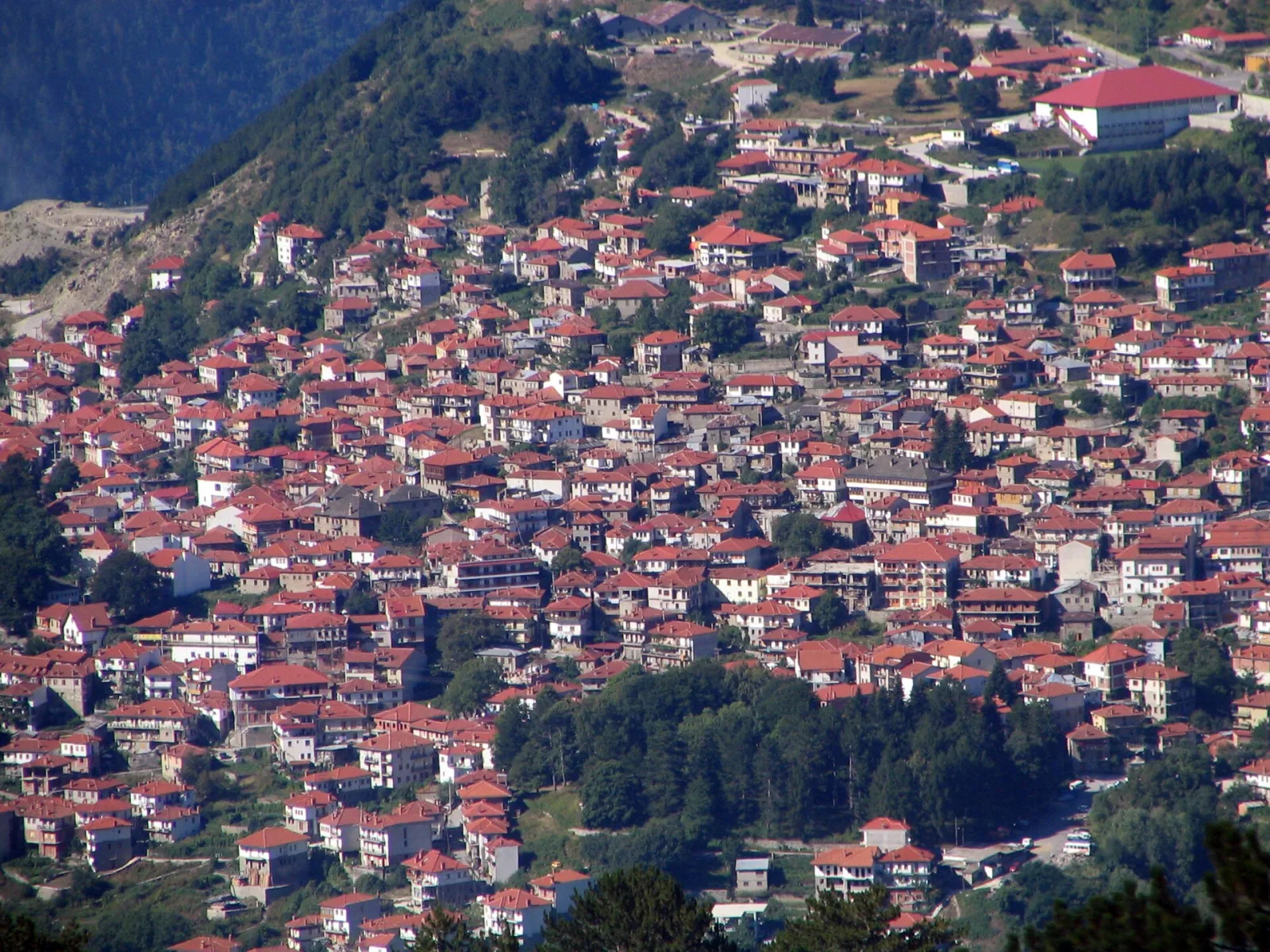
Top Things to Do in Metsovo
High in the Pindus mountains of Epirus, Metsovo is a stone-built village of wood smoke, smoked cheese and local wine. Here is how to make the most of a visit.
