

Monastery Stays and Spiritual Retreats in Greece
Greece's Orthodox monasteries offer more than sightseeing. Many welcome travellers for quiet stays, and some of the most atmospheric are perched on cliffs, hidden in forests or carved into rock.
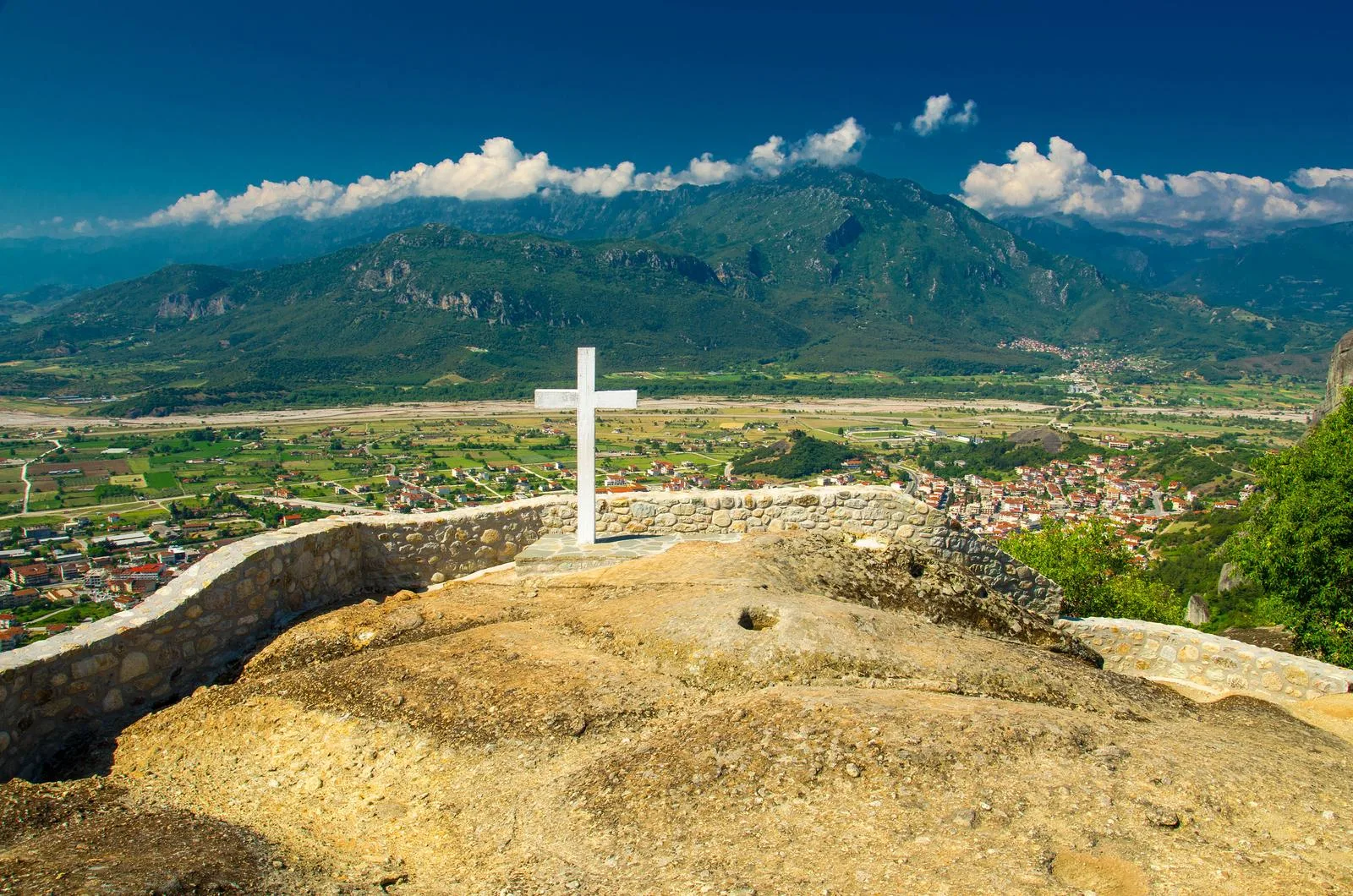
Few travel experiences in Greece are as quietly memorable as a night spent inside an Orthodox monastery. Between the chanting of the early morning service, the smell of beeswax candles and the slow rhythm of monastic life, many visitors find themselves slowing down in a way that a typical holiday rarely allows. Whether you are seeking genuine spiritual reflection, a break from the noise of summer, or simply a different kind of travel, a monastery stay can be one of the most rewarding choices you make in the country.
What a monastery stay is really like
Greek monasteries (monastiria) follow the Eastern Orthodox tradition, and most are working religious communities rather than museums. Some house a handful of monks or nuns; others are larger communities with a busy daily schedule of prayer, farming, icon painting, bee-keeping or the making of preserves and liqueurs. Guest accommodation is usually simple: a clean, whitewashed room, shared or private bathroom facilities, and few distractions beyond the view.
Meals are typically modest and often vegetarian or vegan, especially during the fasting periods of the Orthodox calendar. Expect bread, olive oil, seasonal vegetables, lentils, beans and fruit, sometimes accompanied by a small glass of homemade wine or tsipouro. Guests are generally welcome to join the services, which can be long, sung and standing, and you are free to step in and out quietly as you wish.

Most monasteries do not charge a fixed room rate in the way a hotel does. Instead, a voluntary donation (eleimosyni) is customary. Ask at reception about what is expected, and bring cash in euros, as card facilities are not guaranteed.
The best regions for spiritual retreats
Greece has a remarkable concentration of religious sites, and several regions stand out for their combination of landscape and monastic heritage.
Meteora is the most dramatic. Its monasteries sit on sandstone pillars above the plain of Thessaly, and a stay here gives you the chance to experience the place after the day-trippers have left. The surrounding town and trails make it easy to combine a monastic night with walking. Nearby, Trikala offers a more local, lived-in atmosphere.
Mount Athos is a special case. It is an autonomous monastic republic on the Chalkidiki peninsula, and access is restricted. Men only may visit, and they need a permit (diamonitirion) obtained in advance, with a limited number of daily entries. Women are not permitted to enter at all. Because the rules are strict and change occasionally, check the official procedures well before you travel.
On the islands, Patmos is especially significant. The Monastery of Saint John the Theologian and the Cave of the Apocalypse draw pilgrims from around the world, and the island's old town of Chora has a deeply spiritual character. Nearby, Tinos is one of Greece's most important pilgrimage destinations, centred on the Church of Panagia Evangelistria, and it is especially busy around the feast of the Dormition in August.
In the mountains, the Zagori villages of Epirus are surrounded by monasteries clinging to gorges and ridges, and the hiking here pairs well with a quiet night in a religious setting. On the mainland's Peloponnese, the remote Mani peninsula has a number of small chapels and monastic sites set among stone towers and wild coastline.
Choosing the right place for you
Think about what kind of retreat you want. If you prefer solitude and dramatic scenery, the mountain monasteries of Meteora or Zagori will suit you well. If you would like a little more social life, a monastery within reach of a town, such as those near Thessaloniki, may be more convenient. Families and first-time visitors often prefer locations with good public transport, while more experienced travellers may enjoy the remoteness of an island or mountain site.
Consider the time of year too. Spring and autumn offer mild weather and fewer crowds. Summer is beautiful but can be busy, particularly on feast days, when monasteries may be full and services especially crowded.
Etiquette and what to bring
Respect is the key to a good experience. Dress modestly at all times: shoulders and knees should be covered, and women are usually asked to wear a long skirt or cover their legs. Many monasteries provide wraps at the entrance, but bringing your own lightweight layers is wise. Keep your voice low, switch your phone to silent, and avoid photographing people at prayer without permission. Interior photography of icons or services is often restricted, so look for signs or ask.
Men should cover their shoulders and avoid shorts where possible. Do not touch icons or lean on sacred objects, and when you enter a church, it is customary to cross yourself and kiss the icon if you wish, but only if you are comfortable doing so. Remove hats and sunglasses inside the church, and always follow the lead of the monks and nuns.
Pack a small torch, a reusable water bottle, comfortable shoes for stone paths and steps, and a notebook if you enjoy quiet reflection. A simple sense of curiosity and openness will carry you far.
Practical tips
- Book ahead, especially in summer and for stays on feast days. Many monasteries accept reservations by email or phone; check locally for current contact details.
- Ask about meal times, curfews and gate closing hours on arrival, as these can be early.
- Carry cash in euros for donations and small purchases.
- Check the Greek Orthodox calendar if you wish to attend a specific festival, and be aware that fasting periods affect menus.
- For Mount Athos, plan many months ahead and confirm the current rules with official sources.
- Be prepared for limited mobile signal and Wi-Fi in remote monasteries, which can be part of the appeal.
- Opening hours, transport timetables and prices change, so check locally before you set out.
Plan your trip to Meteora
Compare prices with KAYAKYou'll be taken to KAYAK to compare prices. We may earn a commission at no extra cost to you.
Plan your trip to Meteora
🏨Find hotels on Booking.comBooking.comAffiliate links — we may earn a small commission.
Deals from our travel partners
 Olympiacos Pireus vs Paris Basketball Tickets - Peace & Friendship Stadium, 2027-01-15Sports Events 365 · from 130 EUR
Aris Thessaloniki vs Rostock Tickets - Nick Galis Hall, 2026-12-22Sports Events 365 · from 102 EUR
Olympiacos Pireus vs Panathinaikos Athens Tickets - Peace & Friendship Stadium, 2027-02-12Sports Events 365 · from 180 EUR
PAOK Thessaloniki vs Bahcesehir Koleji Istanbul Tickets - PAOK Arena, 2026-12-29Sports Events 365 · from 102 EUR
Affiliate links — we may earn a commission at no extra cost to you.
Related guides
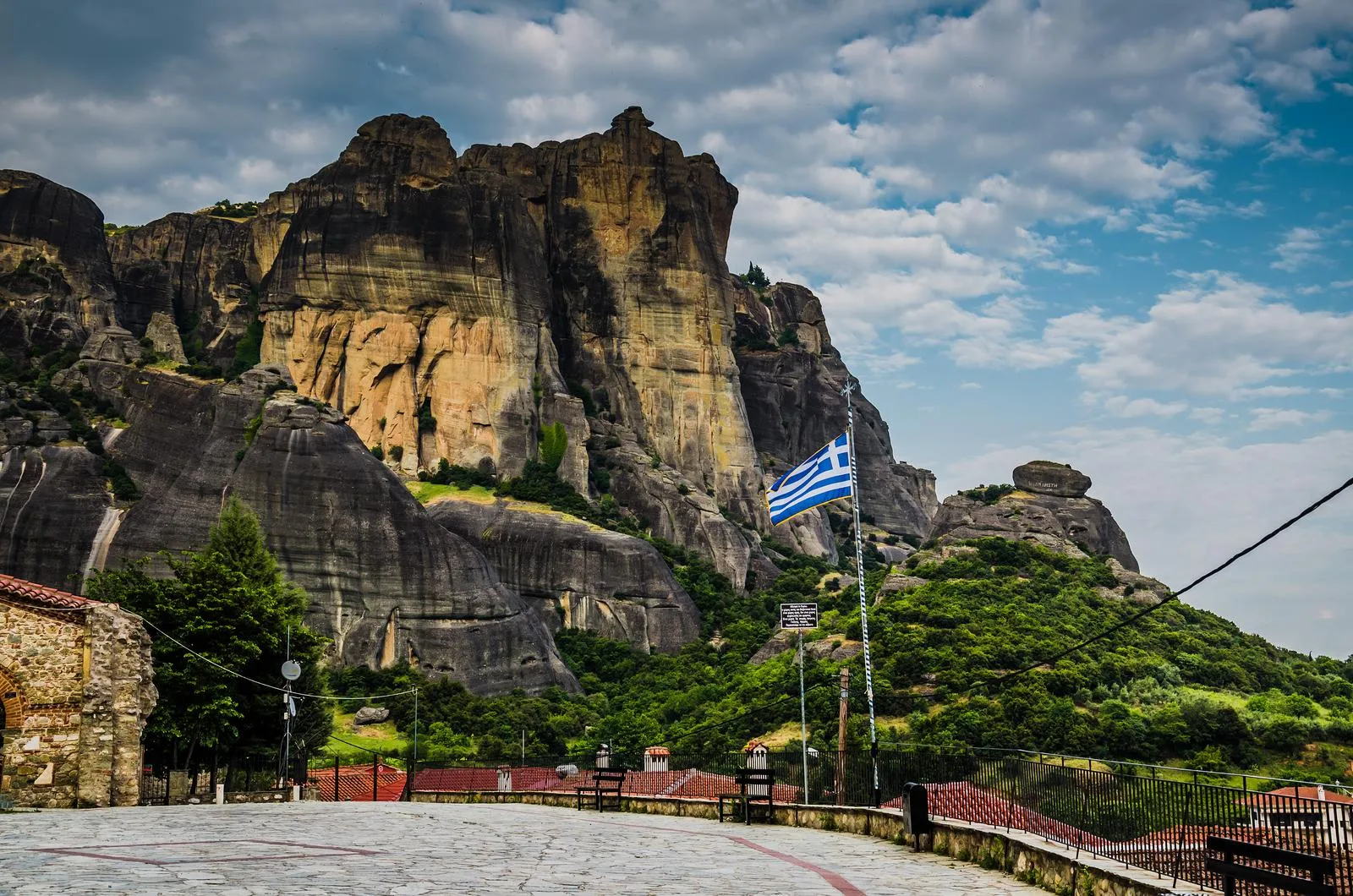
Rock Climbing in Greece
Greece offers far more than sunny beaches for climbers. From Meteora's sandstone pillars to limestone sea cliffs on the islands, here is where to climb and how to plan your trip.
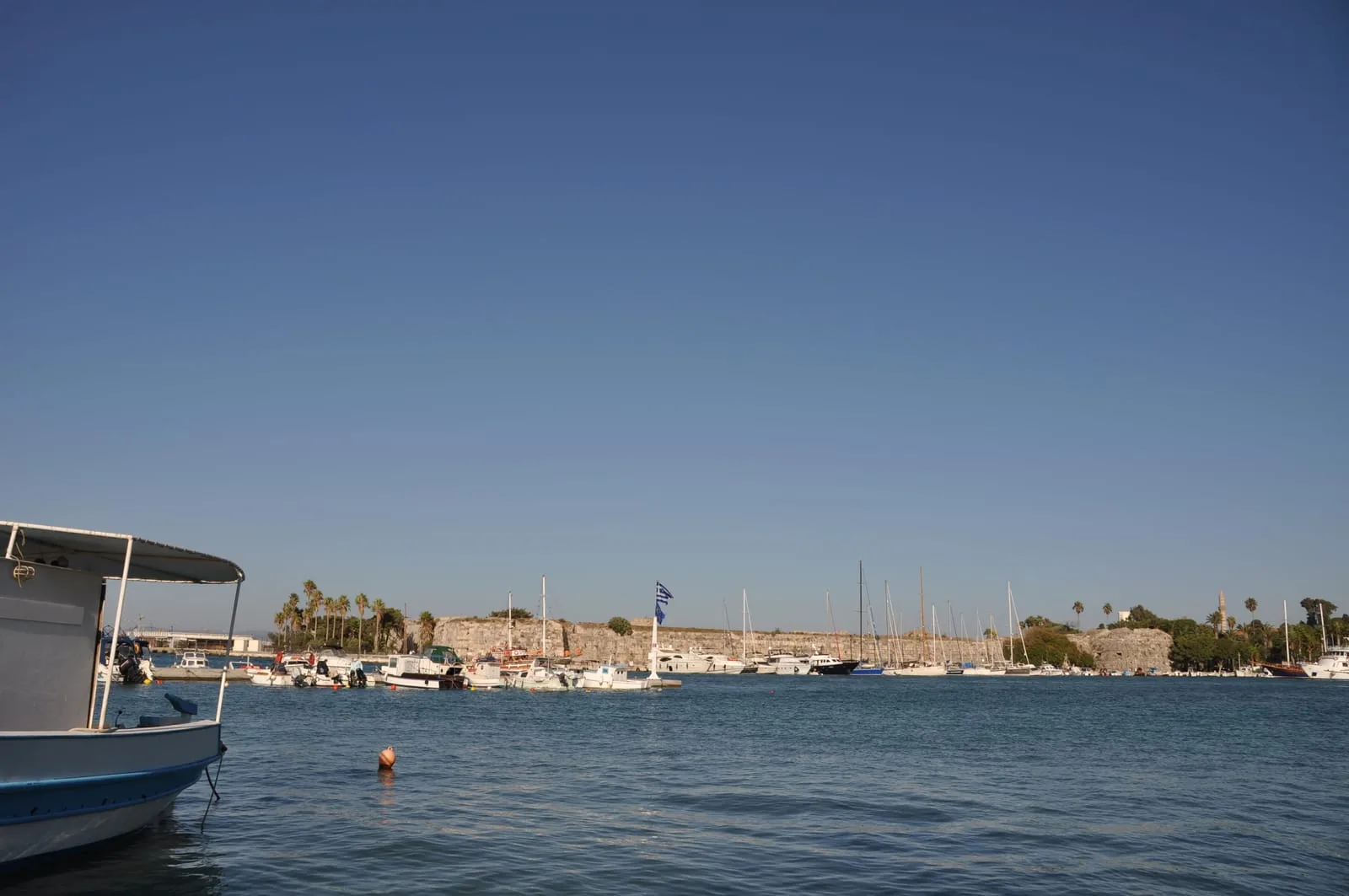
Top Things to Do in Kos
Sunny, easy-going and surprisingly rich in history, Kos rewards visitors with ancient healing sites, medieval fortresses and some of the Dodecanese's best beaches.
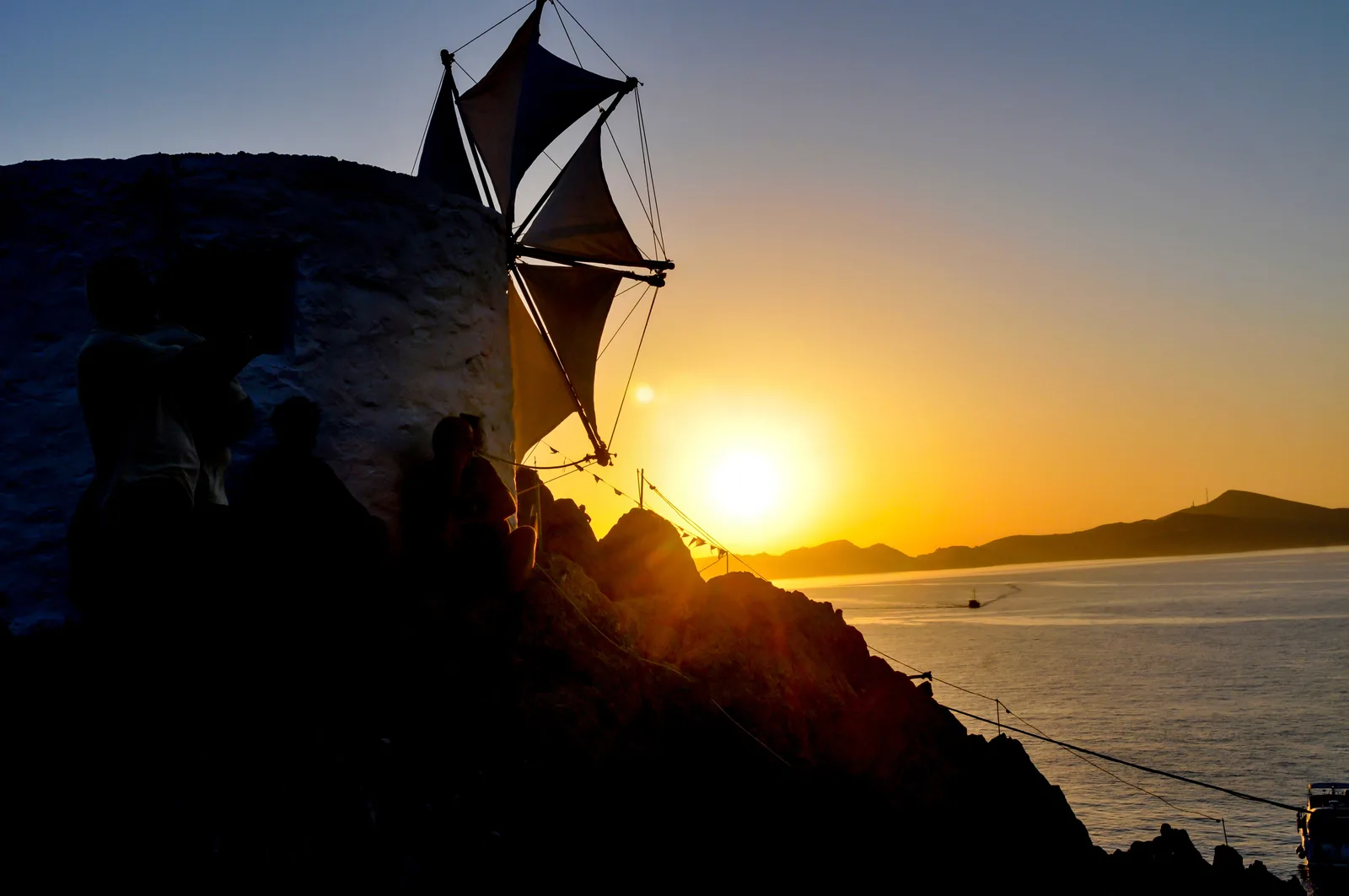
Top Things to Do in Patmos
Patmos is a small Dodecanese island of monasteries, whitewashed lanes and quiet beaches. Here is how to make the most of a visit.
