


Getting to Mykonos: Flights, Airport Guide & Transport Tips
Mykonos Airport (JMK) is small, friendly and busy in summer. Here is how to book flights, get through arrivals and reach Chora, the beaches and your hotel with ease.
Mykonos is one of the most visited islands in the Cyclades, and for many travellers the journey begins with a short flight. Mykonos National Airport, known by its airport code JMK, handles a large volume of seasonal traffic from spring through autumn, which means that a little preparation goes a long way. This guide walks you through the main flight routes, what to expect at the airport, how to get from the terminal into town or to your beach of choice, and a few practical points worth knowing before you arrive.
Flights to Mykonos
Most visitors reach Mykonos by air, and there are two common routes. The first is a direct or connecting flight from Athens International Airport, which is the usual gateway for international travellers. Flights from Athens to Mykonos are short, and during the summer season several airlines operate multiple daily services. The second route is through international hubs in Europe, with many carriers offering seasonal direct flights from cities across the UK, Germany, France, Italy and beyond. Direct routes are most common in the high season, so if you are travelling in July or August, booking early gives you the best choice of times and fares.
When comparing options, check whether a route is direct or involves a stop, as connections can add considerable time to your journey. Flights from smaller regional airports may run only a few times a week, so it is worth checking schedules carefully. Note that schedules change from year to year and season to season, so always confirm your exact flight details directly with your airline before travelling.

If you are also planning to explore other islands or the mainland, consider whether a multi-stop route suits you. Many travellers combine Mykonos with Santorini, Naxos or Paros, and inter-island flights or ferries can link these together. For the freshest information on routes and availability, check locally or with your booking platform.
Arriving at Mykonos Airport (JMK)
Mykonos Airport is compact and easy to navigate, which is one of its pleasant qualities. Arrivals and departures are close together, and the terminal is set up to move passengers through relatively quickly, even during busy periods. Expect a manageable walk from the aircraft to the terminal building, and allow a little extra time at peak hours when several flights land within a short window.
Inside the terminal you will find the essentials: baggage reclaim, information desks, car rental offices, taxi and transfer services, and basic food and drink options. Baggage reclaim can be busy when several flights arrive together, so be patient and keep your luggage tags handy. Because the airport is small, facilities such as shops and cafés are limited compared with major international hubs, so it is sensible to carry water and any essentials you may need on arrival.
Accessibility is generally good, and staff are used to assisting travellers with mobility needs or young children. If you require assistance, mention this to your airline when booking or at check-in so arrangements can be made in advance.
Getting from the Airport to Chora and the Beaches
The airport is located a short distance from Mykonos Town, known locally as Chora, and the journey is usually straightforward. Your options generally include taxis, pre-booked private transfers, rental cars and, in some seasons, public buses. Taxis are plentiful during the day but can be in high demand at peak arrival times, so if you have a fixed schedule it is wise to pre-book a transfer. Pre-booked transfers also remove any uncertainty about price, which is worth agreeing before you set off.
If you plan to stay in Chora, the town is close enough that a taxi ride is quick, and many accommodations offer to arrange a pickup. Travellers heading to beaches on the south coast, such as Platis Gialos, Paradise or Super Paradise, may find that a taxi or transfer is the simplest choice, particularly with luggage. Those staying on the north coast or in villages such as Ano Mera or Kalafatis will want to confirm the journey time with their accommodation, since roads and distances vary.
Renting a car or quad bike is a popular way to explore the island at your own pace. Roads on Mykonos can be narrow and busy in summer, and parking in Chora is limited, so consider this carefully before choosing a vehicle. Scooters are widely available but require care on steep and winding roads. Whatever you choose, make sure you hold the correct licence and insurance, and read the rental terms carefully.
Public buses connect the airport and Chora with many of the main beaches and villages. Services run more frequently in high season, but timetables change, so check locally before you rely on a bus for your arrival.
Practical Tips for Your Arrival
Understanding the time difference is useful when planning your first day. Greece operates on Eastern European Time, which is typically two hours ahead of UTC and one hour ahead of the UK during winter. Greece also observes daylight saving time, so the gap with other countries shifts in spring and autumn. To check the current local time on Mykonos before you travel or call ahead, use a reliable world clock or your phone's time zone settings.
Greek is the official language, but English is widely spoken across the island, especially at the airport, in hotels and in restaurants. A few words of Greek are appreciated, with kalimera for good morning and efcharistó for thank you being good starting points.
Carry some cash for small purchases, though cards are accepted in most places. Bring a valid passport or ID for entry, and check current entry requirements for your nationality before departure, as these can change.
Finally, plan your onward connections with some margin. Ferry departures from the island and inter-island flights can be affected by weather, particularly in the windier months, so allowing a buffer day in your itinerary is a sensible approach.
Quick Tips Summary
- Book flights to JMK early for summer travel, and check whether your route is direct.
- Pre-book a transfer from the airport if you are arriving at a busy time or carrying a lot of luggage.
- Carry water and essentials, as airport facilities are limited.
- Check bus timetables and car rental terms locally before you travel.
- Confirm the current time difference and entry requirements before departure.
- Allow flexibility for inter-island connections, especially in windy weather.
Plan your trip to Athens
Compare prices with KAYAKYou'll be taken to KAYAK to compare prices. We may earn a commission at no extra cost to you.
Plan your trip to Athens
🏨Find hotels on Booking.comBooking.comAffiliate links — we may earn a small commission.
Deals from our travel partners
 Flights from Athens to BarcelonaAir Serbia · from 412 EUR
 Flights from Athens to BelgradeAir Serbia · from 594 EUR
 Panathinaikos Athens vs FC Barcelona Lassa Tickets - Olympic Stadium Athens Telekom Cente…Sports Events 365 · from 326 EUR
Virtus Bologna vs Panathinaikos Athens Tickets - PalaDozza, 2026-11-17Sports Events 365 · from 133 EUR
Affiliate links — we may earn a commission at no extra cost to you.
Related guides
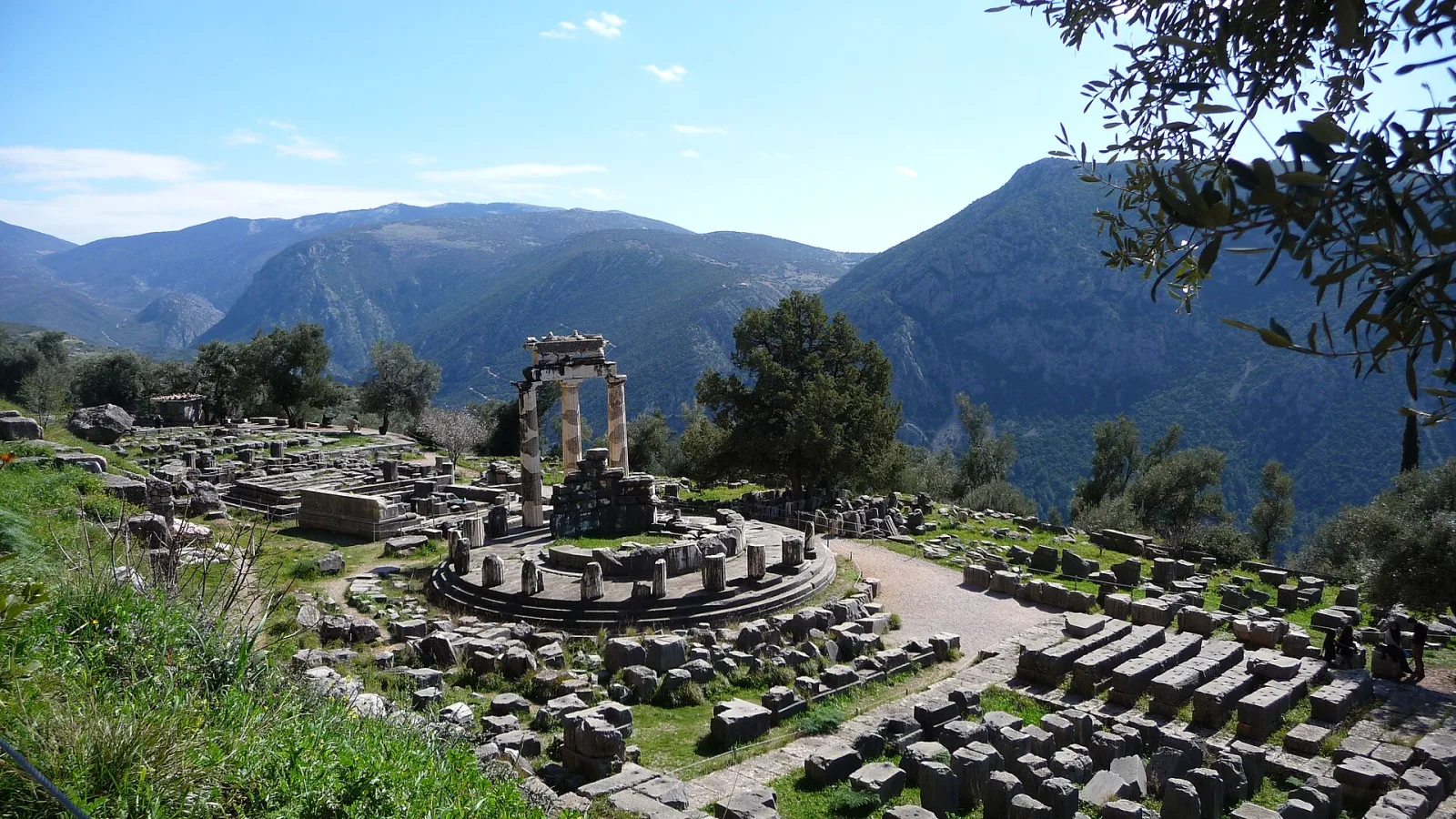
Top Things to Do in Delphi
Perched on the slopes of Mount Parnassus, Delphi was the ancient world's most consulted oracle. Here is how to make the most of its ruins, museum and surrounding hills.

Mykonos in 3 Days: The Perfect Itinerary
Mykonos is famous for its glamour, but three days here reveal windmills, ancient ruins, village monasteries and beaches far from the crowds. Here is how to make the most of it.
Athens in 3 Days: The Perfect Itinerary
Three days is enough to see Athens' greatest ancient sites, wander its old neighbourhoods and catch a sunset over the Parthenon. Here is a practical plan that keeps the walking manageable and the crowds under control.
