


Epirus Pies: Ioannina's Savoury Pie Tradition
In the mountain-framed city of Ioannina, the art of the savoury pie is a way of life, reflecting the rich agricultural heritage of the Epirus region.
The Heart of Epirus Gastronomy
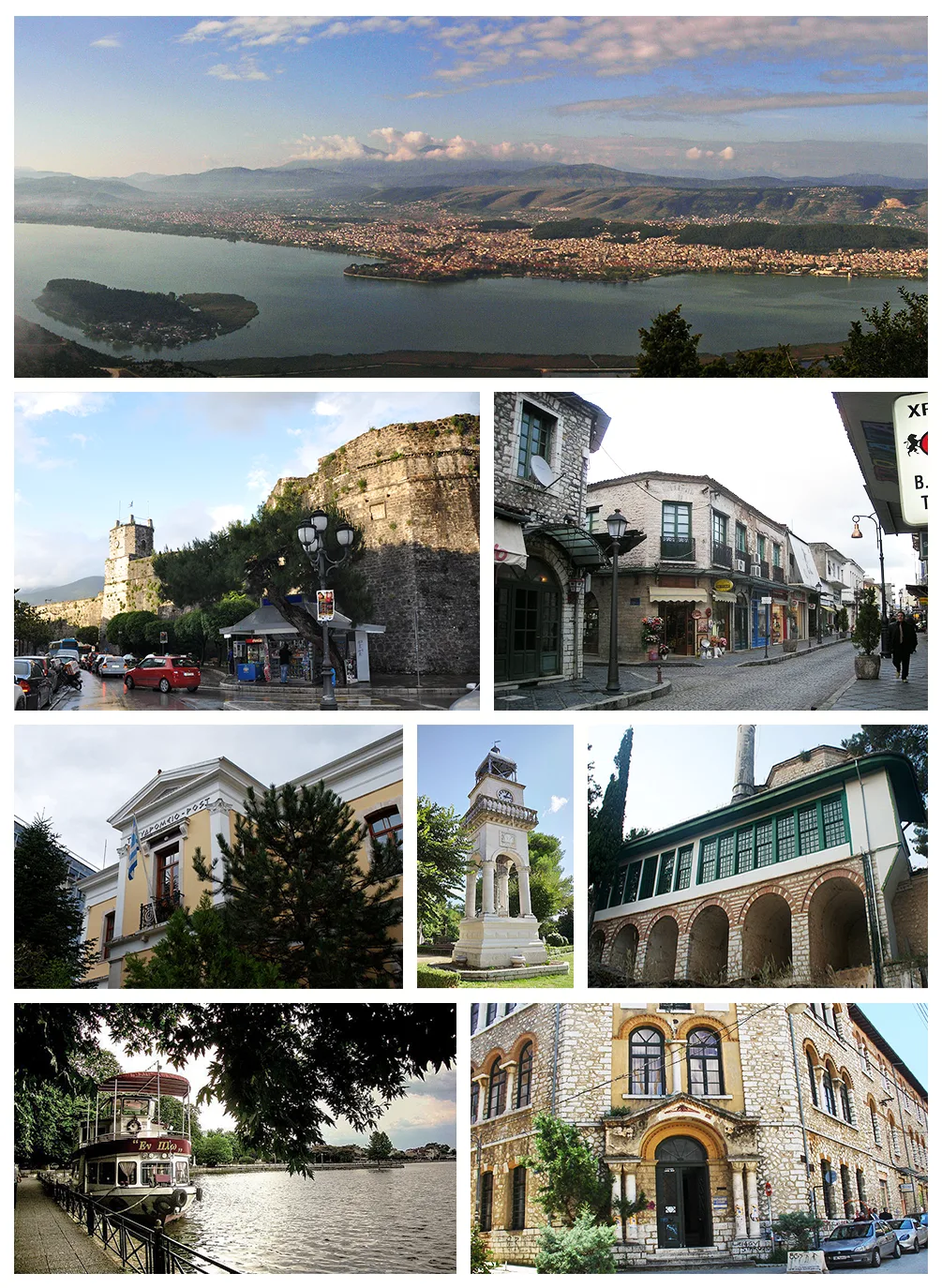
In the mountain-framed city of Ioannina, the art of the savoury pie is more than just a quick meal; it is a way of life. The Epirus region, defined by its rugged peaks and fertile valleys, has long relied on the bounty of the land to create hearty, sustaining food. While the city of Ioannina is famous for its Ottoman-era architecture, the serene boat rides to the island of Nisi, and the intricate silverwork found in local workshops, its most enduring legacy is arguably found in its bakeries and traditional tavernas: the Epirus pie.
The Anatomy of an Epirus Pie
What sets Epirus pies apart from those found elsewhere in Greece is the dedication to the crust. Traditionally, these pies are made with ultra-thin, hand-rolled phyllo dough. In the past, women would spend hours stretching the dough across large wooden tables until it was translucent. Today, while some modern kitchens have adopted mechanical methods, the best pies still feature layers of flaky, buttered or oiled dough that provide a delicate crunch against a dense, flavourful filling.
The fillings are dictated by the seasons and the local geography. Because Epirus is a mountainous region with a strong tradition of pastoral farming, dairy and wild greens are the primary components. You will find that the quality of the feta cheese and the freshness of the wild greens—often foraged from the slopes of the Pindus mountains—are what elevate a simple pie into a regional specialty.

Varieties to Look For
- Kotopita (Chicken Pie): A festive favourite, this pie is rich and creamy, often containing pieces of tender chicken, sometimes mixed with local cheeses and eggs to bind the filling.
- Hortopita (Wild Greens Pie): This is perhaps the most iconic Epirus pie. It uses a variety of seasonal wild greens such as sorrel, chard, spinach, and wild leeks. The secret lies in the balance of herbs like dill and parsley, which brighten the earthy flavour of the greens.
- Tyropita (Cheese Pie): Unlike the standard cheese triangles found in city bakeries, an Epirus cheese pie is often a substantial slab pie. It relies on high-quality, sharp feta and sometimes anthotyro (a mild, creamy whey cheese) to create a tangy, rich interior.
- Galatopita (Milk Pie): While technically a dessert, this is often served alongside savoury pies. It is a custard-based pie that highlights the excellent quality of the local dairy produced in the Zagori villages nearby.
How and When to Eat
In Ioannina, a pie is not just an appetizer; it is a staple meal. Locals typically enjoy a slice of warm pie in the mid-morning as a hearty breakfast or as a substantial lunch. It is common to see residents stopping at small, traditional bakeries in the city centre or near the Kastro walls to grab a slice wrapped in paper to eat on the go. In tavernas, a piece of pie is often served as a starter or as a vegetarian main course, paired with a crisp salad of local seasonal vegetables.
When ordering, look for places that specify their pies are 'cheiropoiiti' (handmade). You can often spot these by the irregular, rustic shape of the crust, which indicates the pastry was rolled by hand rather than purchased pre-made.
Useful Vocabulary
- Pita: The general word for pie.
- Cheiropoiiti: Handmade.
- Horta: Wild greens.
- Feta: The quintessential Greek sheep or goat milk cheese.
- Kastro: The castle area, where many traditional food shops are located.
Practical Tips
- Timing: For the freshest pies, visit bakeries early in the morning, as most are baked before the city fully wakes up. By early afternoon, the selection often dwindles.
- Pairing: If you are dining in a taverna, ask for a local white wine or a glass of tsipouro to accompany your pie. The high acidity of the local spirits cuts through the richness of the pastry.
- Exploration: If your journey takes you from Ioannina into the stone villages of Zagori, make it a point to try the local pies in the mountain tavernas. The recipes often vary slightly from village to village, with some adding more leeks or local herbs than those found in the city.
- Availability: While many shops are open throughout the day, check locally for specific operating hours, as smaller family-run bakeries may close in the mid-afternoon for a break.
Plan your trip to Ioannina
Compare prices with KAYAKYou'll be taken to KAYAK to compare prices. We may earn a commission at no extra cost to you.
Plan your trip to Ioannina
🏨Find hotels on Booking.comBooking.comAffiliate links — we may earn a small commission.
Deals from our travel partners
 PAOK Thessaloniki vs Balkan Botevgrad Tickets - PAOK Arena, 2027-01-13Sports Events 365 · from 102 EUR
PAOK Thessaloniki vs BC Lietkabelis Tickets - PAOK Arena, 2026-12-19Sports Events 365 · from 102 EUR
Olympiacos Pireus vs Bayern Munich Tickets - Peace & Friendship Stadium, 2027-02-05Sports Events 365 · from 120 EUR
Olympiacos Pireus vs Kirolbet Baskonia Vitoria Tickets - Peace & Friendship Stadium, 2027…Sports Events 365 · from 120 EUR
PAOK Thessaloniki vs Balkan Botevgrad Tickets - PAOK Arena, 2027-01-13Sports Events 365 · from 102 EUR
PAOK Thessaloniki vs BC Lietkabelis Tickets - PAOK Arena, 2026-12-19Sports Events 365 · from 102 EUR
Olympiacos Pireus vs Bayern Munich Tickets - Peace & Friendship Stadium, 2027-02-05Sports Events 365 · from 120 EUR
Olympiacos Pireus vs Kirolbet Baskonia Vitoria Tickets - Peace & Friendship Stadium, 2027…Sports Events 365 · from 120 EUR
Affiliate links — we may earn a commission at no extra cost to you.
Related guides
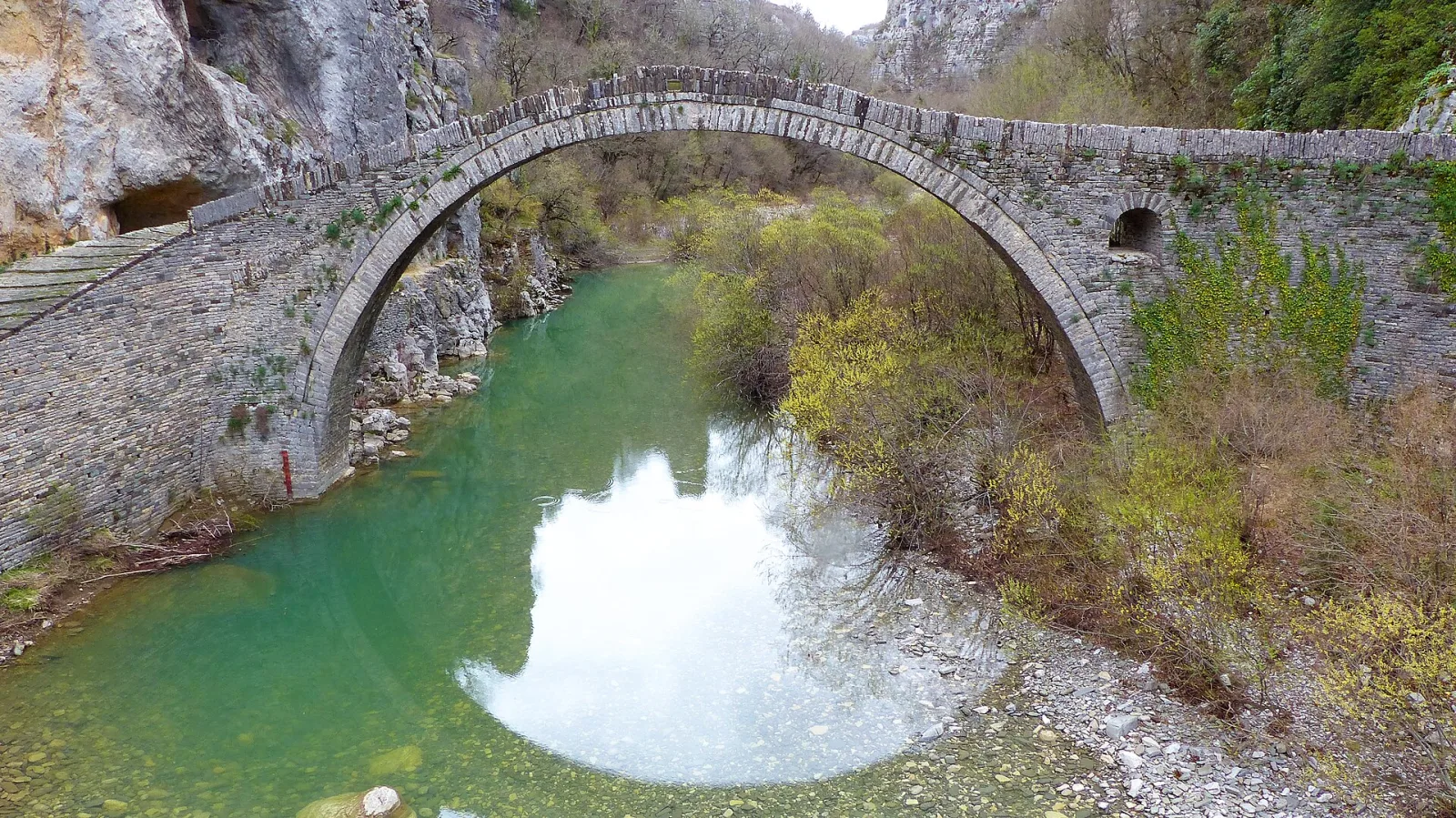
Top Things to Do in Zagori
Zagori is a mountain region of forty-odd stone villages in Epirus, linked by old mule paths and arched bridges. Here is how to make the most of it.
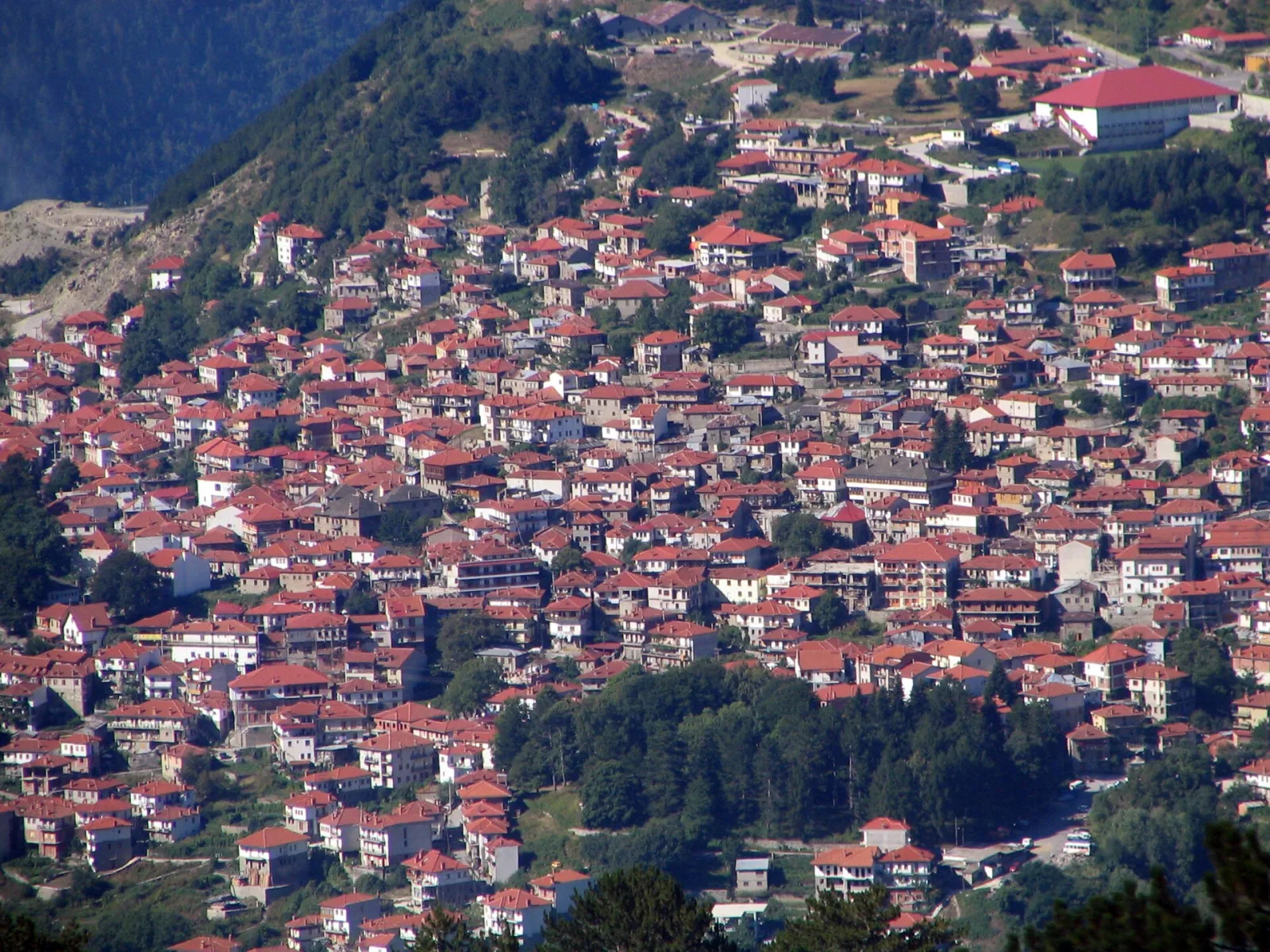
Top Things to Do in Metsovo
High in the Pindus mountains of Epirus, Metsovo is a stone-built village of wood smoke, smoked cheese and local wine. Here is how to make the most of a visit.
KTEL Buses in Greece: How Long-Distance Buses Work
KTEL is the network of regional bus companies that connects Greece's towns, villages and ports. Here is how it works, and how to make the most of it.
