


Rock Climbing in Greece
Greece offers far more than sunny beaches for climbers. From Meteora's sandstone pillars to limestone sea cliffs on the islands, here is where to climb and how to plan your trip.
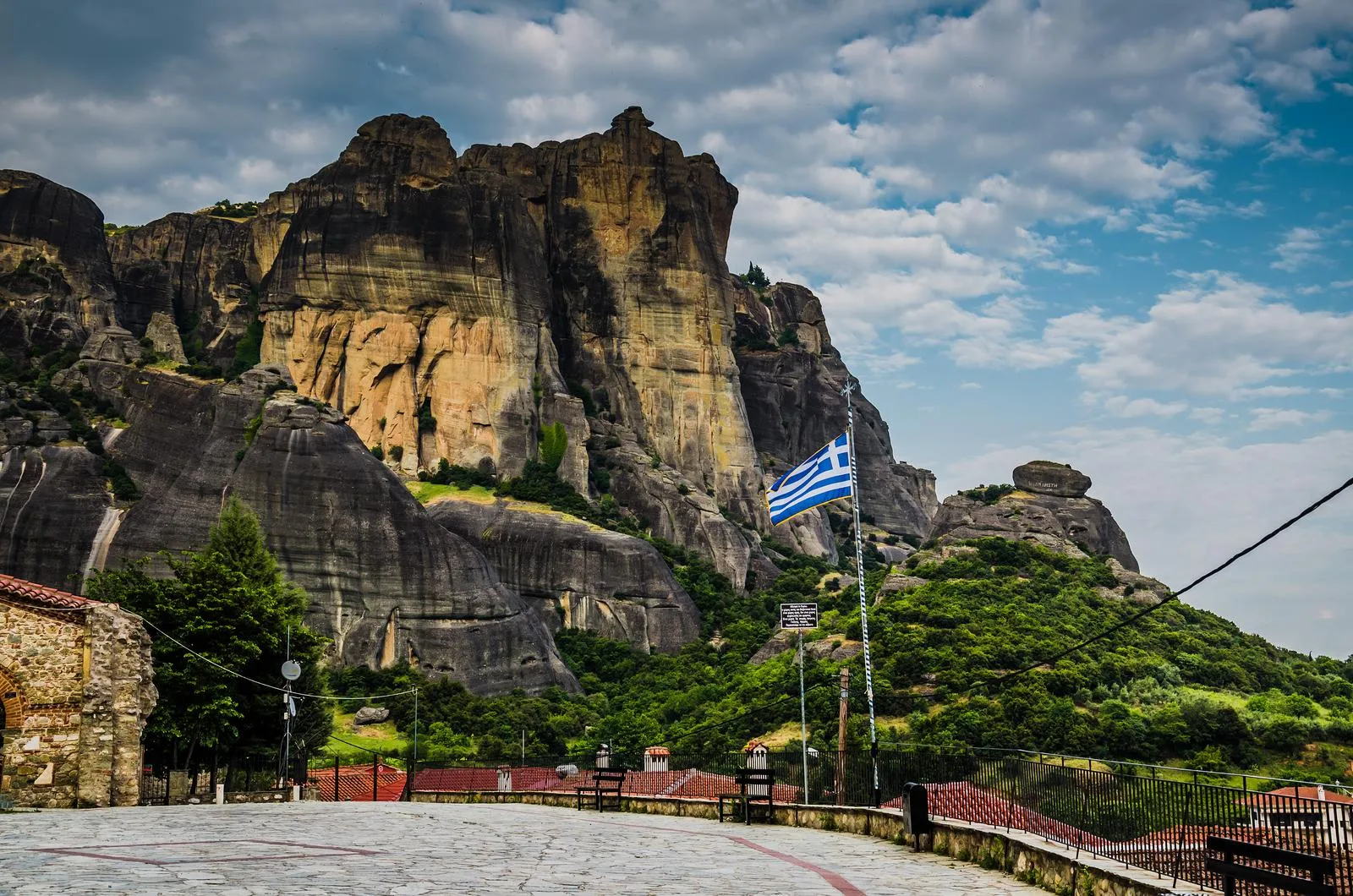
Most visitors come to Greece for its beaches, ruins and food, but climbers have been quietly discovering a country with a surprising range of rock. Limestone mountains rise straight out of the Aegean, sandstone pillars stand above river valleys in the mainland's north, and many crags sit within a short walk of a village taverna. Whether you want a relaxed week of sport climbing with a swim afterwards or a serious alpine objective, Greece has something to offer.
Why Greece Suits Climbers
The country's geology is the main reason. Much of the mainland and many islands are formed from Mesozoic limestone, which produces steep faces, overhangs and pockets that suit sport and multi-pitch routes alike. Meanwhile, the sandstone and conglomerate of Meteora gives a very different kind of climbing, with exposed, unusual lines in a dramatic landscape.
The climate is another advantage. In spring and autumn, temperatures on the crags are often comfortable, and the sea is never far away for a cool-down. Many climbers plan their trips around the shoulder seasons, when the summer heat has eased but the rock is still warm enough to climb in the morning.

Meteora: Climbing Among the Monasteries
Meteora, near the town of Kalambaka in Thessaly, is one of the most unusual climbing destinations in Europe. The rock here is a conglomerate that has weathered into towering pillars, many topped by Byzantine-era monasteries. The climbing is generally on bolted routes, with a mix of technical faces and steeper lines. Because the monasteries are active religious sites, climbers should respect visiting hours, dress modestly and keep noise and activity in check when near the buildings. Local guides can advise which areas are open to climbing and which are restricted.
Sea Cliffs and Island Crags
Some of Greece's most memorable climbing is found on its islands. Limestone cliffs drop directly into the sea on several coasts, allowing climbers to finish a session with a swim. Routes range from short, friendly sport climbs to longer lines that need care with tides and swell. Always check sea conditions and approach routes before you set off, and be mindful that landing and retreating from a sea-level crag can be more complicated than it looks.
Several islands in the Cyclades and Dodecanese have developing scenes, with climbing guides or local climbing clubs that can point you towards the best rock and help with logistics. Ask at climbing shops and local guesthouses for current information on access and any seasonal restrictions, particularly around nesting birds on some coastal cliffs.
Mainland Crags and Mountain Areas
The Peloponnese and central Greece hold a range of crags, from roadside limestone to remote mountain walls. The mountains of central Greece, including the area around Delphi, are popular for multi-pitch routes and alpine-style days, though conditions can change quickly with altitude and weather. Mount Olympus, Greece's highest peak, is a serious undertaking for experienced mountaineers, requiring proper planning, acclimatisation and respect for the weather. It is not a destination for casual visitors.
Mountain regions such as Zagori in Epirus combine excellent walking with climbing potential, and their villages make good bases. Many climbers pair a few days on the rock with exploration of these areas, which offer superb food and quiet accommodation.
Choosing Your Style
- Sport climbing: Look for bolted limestone crags on the mainland and islands, which suit beginners and intermediates.
- Multi-pitch and trad: Better for experienced climbers with their own anchors and protection skills; route information can be sparse, so carry good topos.
- Sea cliffs: Ideal for a relaxed holiday with swimming, but require attention to tides, swell and retreat options.
- Alpine and mountaineering: Reserved for experienced parties with appropriate experience, equipment and, where needed, a local guide.
Getting Around and Staying Local
Public transport can reach many climbing towns, but a car gives much more freedom, especially for mainland crags and mountain approaches. On islands, ferries connect the main hubs, though schedules change seasonally, so check locally before planning a route. Local guides and climbing instructors can save time, improve safety and open access to areas that are hard to find alone. Staying in a village near the crag is often more practical than a city base, and it gives you a chance to eat well after a day on the rock.
Safety and Responsibility
Climbing in Greece carries the same risks as anywhere else. Weather can change rapidly in the mountains, and midday heat on south-facing walls can be intense, so start early and carry plenty of water. Rockfall is a real hazard on some limestone faces, so wear a helmet and be cautious below other parties. Make sure your travel insurance explicitly covers climbing and, if relevant, mountaineering. Emergency services can be reached on 112 across the European Union, but in remote areas response times may be slow, so plan conservatively.
Respect the environment too. Stick to established paths to limit erosion, pack out all rubbish and avoid disturbing wildlife, especially on coastal cliffs during breeding seasons.
Practical Tips
- Visit in spring or autumn for the most comfortable conditions, and climb early in summer.
- Bring your own rack, rope and quickdraws; specialist shops are limited outside the main cities.
- Carry good topos or guidebooks, and check recent route reports where possible.
- Hire a local guide for unfamiliar areas, sea cliffs or any alpine objective.
- Check current access rules for sites such as Meteora before you go.
- Confirm your travel insurance covers climbing and mountaineering activities.
- Check ferry and transport schedules locally, as they vary by season.
Plan your trip to Delphi
Compare prices with KAYAKYou'll be taken to KAYAK to compare prices. We may earn a commission at no extra cost to you.
Plan your trip to Delphi
🏨Find hotels on Booking.comBooking.comAffiliate links — we may earn a small commission.
Deals from our travel partners
 Olympiacos Pireus vs Paris Basketball Tickets - Peace & Friendship Stadium, 2027-01-15Sports Events 365 · from 130 EUR
Aris Thessaloniki vs San Pablo Burgos Tickets - Nick Galis Hall, 2026-12-09Sports Events 365 · from 102 EUR
PAOK Thessaloniki vs Bahcesehir Koleji Istanbul Tickets - PAOK Arena, 2026-12-29Sports Events 365 · from 102 EUR
Olympiacos Pireus vs Real Madrid Tickets - Ano Liosia Olympic Hall, 2026-11-20Sports Events 365 · from 176 EUR
Affiliate links — we may earn a commission at no extra cost to you.
Related guides
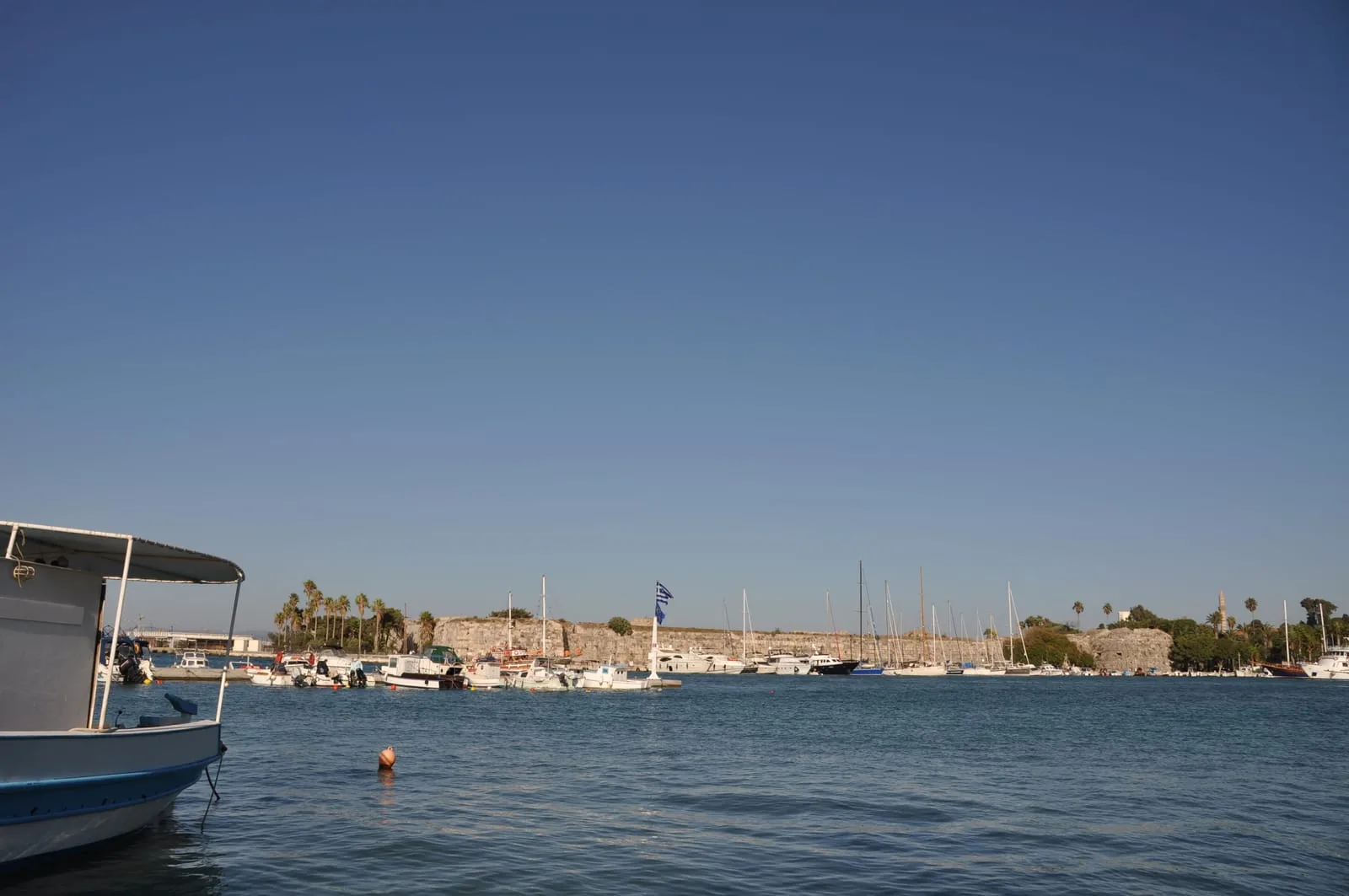
Top Things to Do in Kos
Sunny, easy-going and surprisingly rich in history, Kos rewards visitors with ancient healing sites, medieval fortresses and some of the Dodecanese's best beaches.
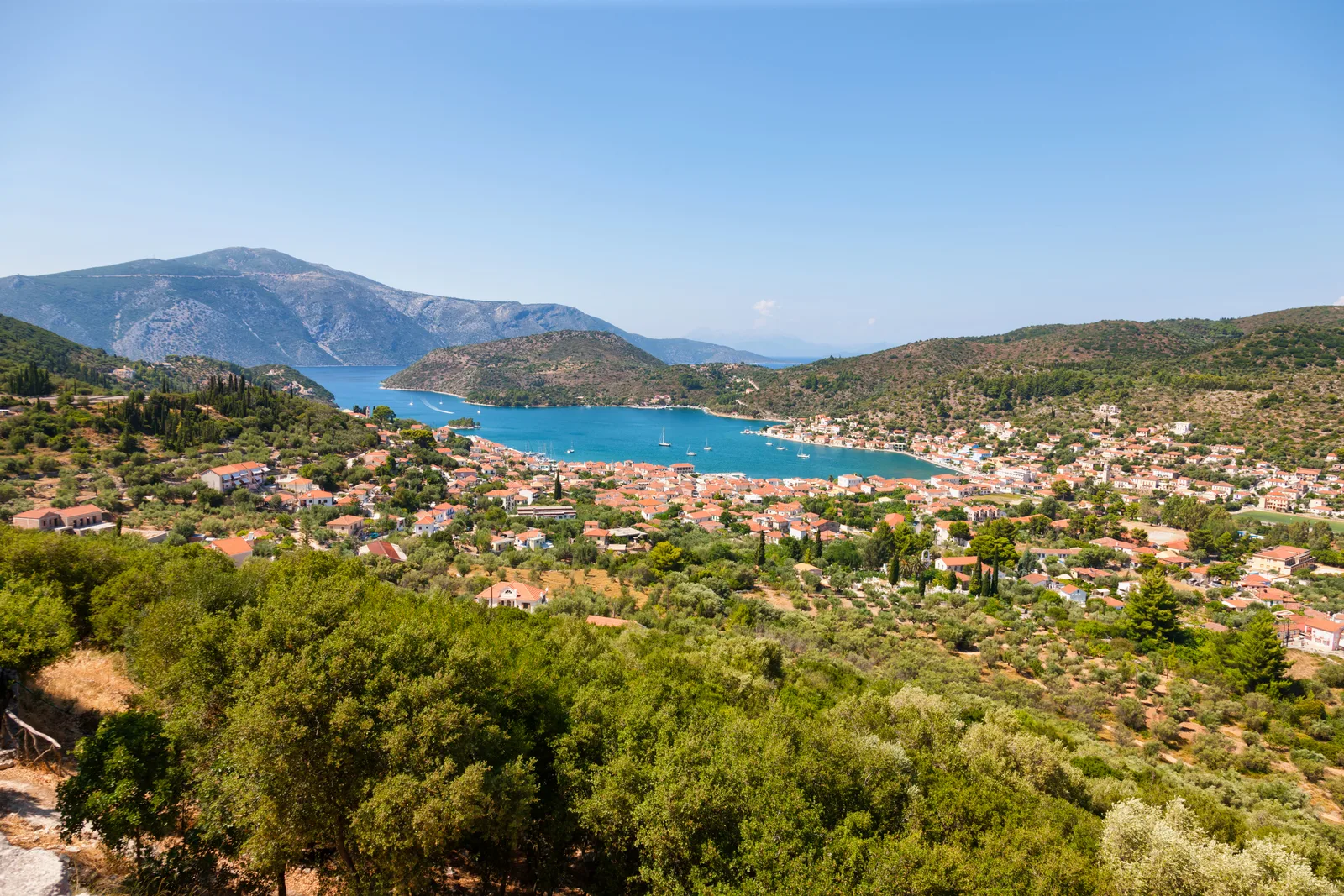
Top Things to Do in Ithaca
Ithaca, the legendary home of Odysseus, is a quiet Ionian island of small harbours, hill villages and walking trails. Here is how to make the most of it.
Top Things to Do in Drama
Drama is a green, unhurried town in eastern Macedonia that comes alive each December with its Christmas village. Here is how to make the most of it all year round.
