


Metsovone and the Cheeses of Metsovo
High in the Pindus mountains, Metsovo is the heart of Greek artisanal cheese production. Learn about the iconic smoked Metsovone and the local culinary traditions that define this Epirus village.
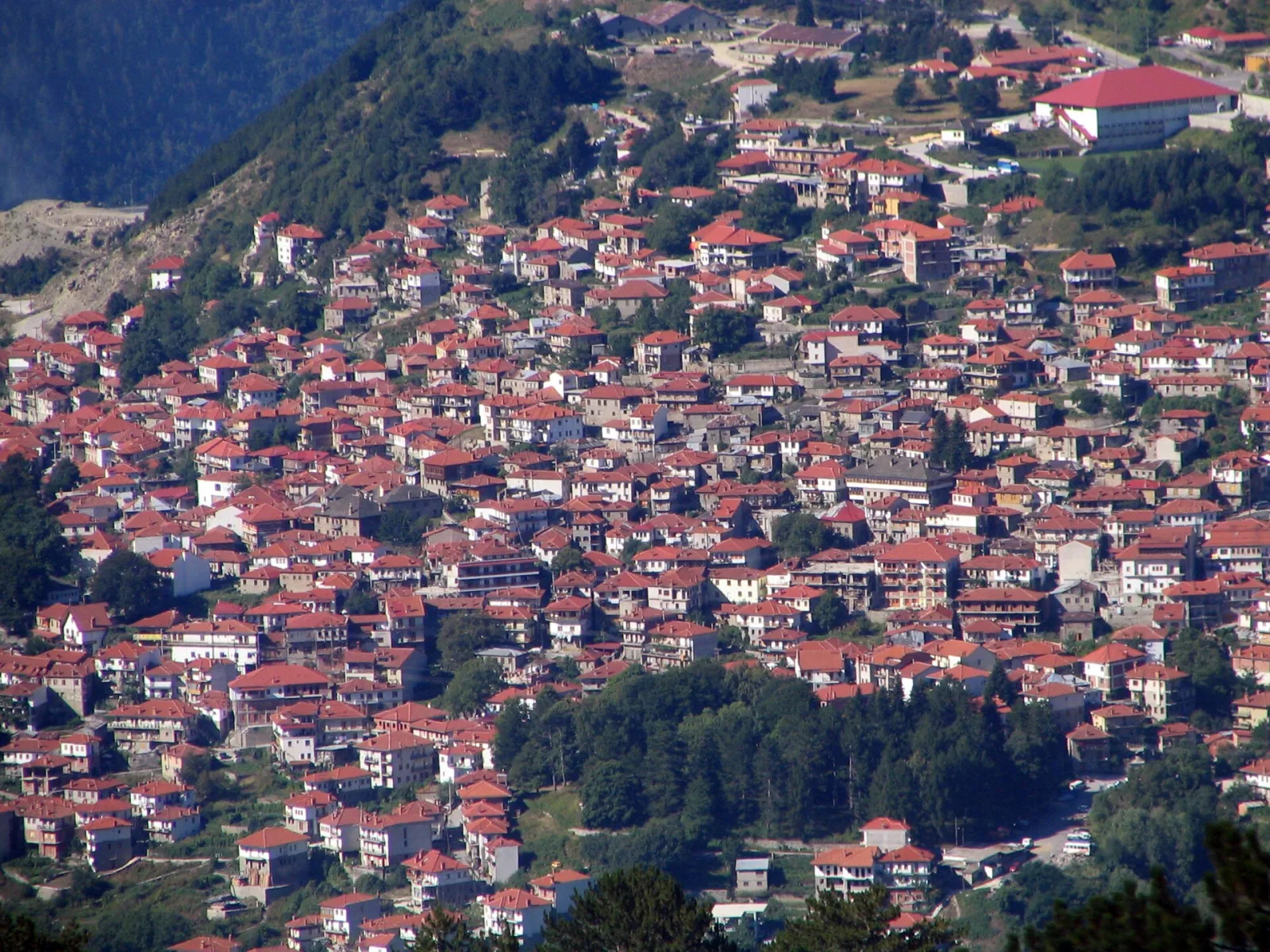
The Mountain Tradition of Metsovo
Perched high in the Pindus range, Metsovo is far removed from the sun-drenched islands typically associated with Greece. This stone-built town, with its slate roofs and chimneys puffing wood smoke into the crisp air, is the epicentre of a unique gastronomic culture. The cool, high-altitude climate and the rich grazing lands of Epirus have allowed a distinct tradition of cheesemaking to flourish here, one that blends Vlach heritage with sophisticated techniques introduced in the mid-20th century.
Understanding Metsovone
The star of the local larder is undoubtedly Metsovone. This semi-hard, smoked cheese is one of the few Greek cheeses produced using the pasta filata technique, similar to Italian provolone. It is crafted primarily from cow’s milk, though it is often blended with small amounts of sheep or goat milk to add depth and complexity.
The production process is what gives Metsovone its unmistakable character. After the curd is stretched and shaped, the cheese is left to age for several months. During this time, it is suspended in cool, airy rooms where it is smoked using local wood, typically beech. This natural smoking process imparts a golden-brown rind and a rich, earthy aroma that permeates the firm, pale interior. When sliced, the cheese reveals a slightly elastic texture and a flavour profile that balances saltiness with a subtle, lingering smokiness.

Other Cheeses of the Region
While Metsovone captures the spotlight, it is part of a wider family of mountain cheeses. Visitors will often encounter:
- Metsovela: A milder, softer version of Metsovone, often aged for a shorter period. It is excellent for melting and is frequently used in local pies.
- Graviera Metsovou: A firm, aged cheese that showcases the quality of high-altitude milk. It is typically nutty, complex, and becomes sharper with age.
- Vlachiko cheese: A traditional, simpler cheese often made by small-scale producers using seasonal milk, reflecting the ancient pastoral lifestyle of the region.
How to Enjoy Them Like a Local
In Metsovo, cheese is not merely an appetizer; it is a fundamental part of the meal. Locals often enjoy thin slices of Metsovone as a meze, accompanied by a glass of local tsipouro—a potent grape distillate that cuts through the richness of the smoked fat. When dining in the village’s traditional tavernas, look for dishes where these cheeses are grated over handmade pasta or baked into hearty, crusty pies filled with wild greens or leeks.
Metsovone is also a versatile ingredient in the kitchen. Because of its excellent melting properties, it is frequently served grilled or pan-seared until the edges turn crisp and golden, often drizzled with a touch of local honey or served alongside sun-dried tomatoes. If you are browsing the local shops, you will find whole wheels or vacuum-packed wedges that make excellent gifts or additions to a picnic.
A Culinary Journey
A visit to Metsovo is incomplete without pairing these cheeses with the local wines. The region is famous for the Katogi Averoff winery, which pioneered the cultivation of international grape varieties in this mountainous terrain. The robust, structured red wines produced here are the perfect accompaniment to the smoky, salty intensity of Metsovone. Whether you are sitting by a fireplace in a stone-built tavern or picking up supplies for a hike, the combination of aged cheese and mountain wine is the definitive taste of Epirus.
Practical Tips
- Serving Suggestions: Always let your cheese reach room temperature before serving to allow the complex smoky aromas to fully develop.
- Storage: If buying to take home, keep the cheese in a cool, dark place or the vegetable drawer of your refrigerator, wrapped in wax paper to allow it to breathe.
- Useful Vocabulary: 'Tiri' (cheese), 'Kapnisto' (smoked), 'Metsovone' (the specific local variety), 'Tsipouro' (the traditional local spirit).
- Travel Advice: Metsovo is a mountain destination. If visiting in winter, ensure your vehicle is equipped for snow and check local road conditions before travelling, as the mountain passes can be challenging.
- Where to Find: Visit the local food shops clustered around the central square to sample different varieties. Many producers offer tastings, allowing you to choose the level of smoke and age that suits your palate.
Plan your trip to Ioannina
Compare prices with KAYAKYou'll be taken to KAYAK to compare prices. We may earn a commission at no extra cost to you.
Plan your trip to Ioannina
🏨Find hotels on Booking.comBooking.comAffiliate links — we may earn a small commission.
Deals from our travel partners
 PAOK Thessaloniki vs Balkan Botevgrad Tickets - PAOK Arena, 2027-01-13Sports Events 365 · from 102 EUR
Olympiacos Pireus vs Paris Basketball Tickets - Peace & Friendship Stadium, 2027-01-15Sports Events 365 · from 130 EUR
PAOK Thessaloniki vs BC Lietkabelis Tickets - PAOK Arena, 2026-12-19Sports Events 365 · from 102 EUR
Olympiacos Pireus vs Real Madrid Tickets - Ano Liosia Olympic Hall, 2026-11-20Sports Events 365 · from 162 EUR
PAOK Thessaloniki vs Balkan Botevgrad Tickets - PAOK Arena, 2027-01-13Sports Events 365 · from 102 EUR
Olympiacos Pireus vs Paris Basketball Tickets - Peace & Friendship Stadium, 2027-01-15Sports Events 365 · from 130 EUR
PAOK Thessaloniki vs BC Lietkabelis Tickets - PAOK Arena, 2026-12-19Sports Events 365 · from 102 EUR
Olympiacos Pireus vs Real Madrid Tickets - Ano Liosia Olympic Hall, 2026-11-20Sports Events 365 · from 162 EUR
Affiliate links — we may earn a commission at no extra cost to you.
Related guides

Top Things to Do in Kastoria
Kastoria rewards slow travellers with misty lake views, frescoed Byzantine churches and grand old mansions. Here is what to see and how to plan your visit.
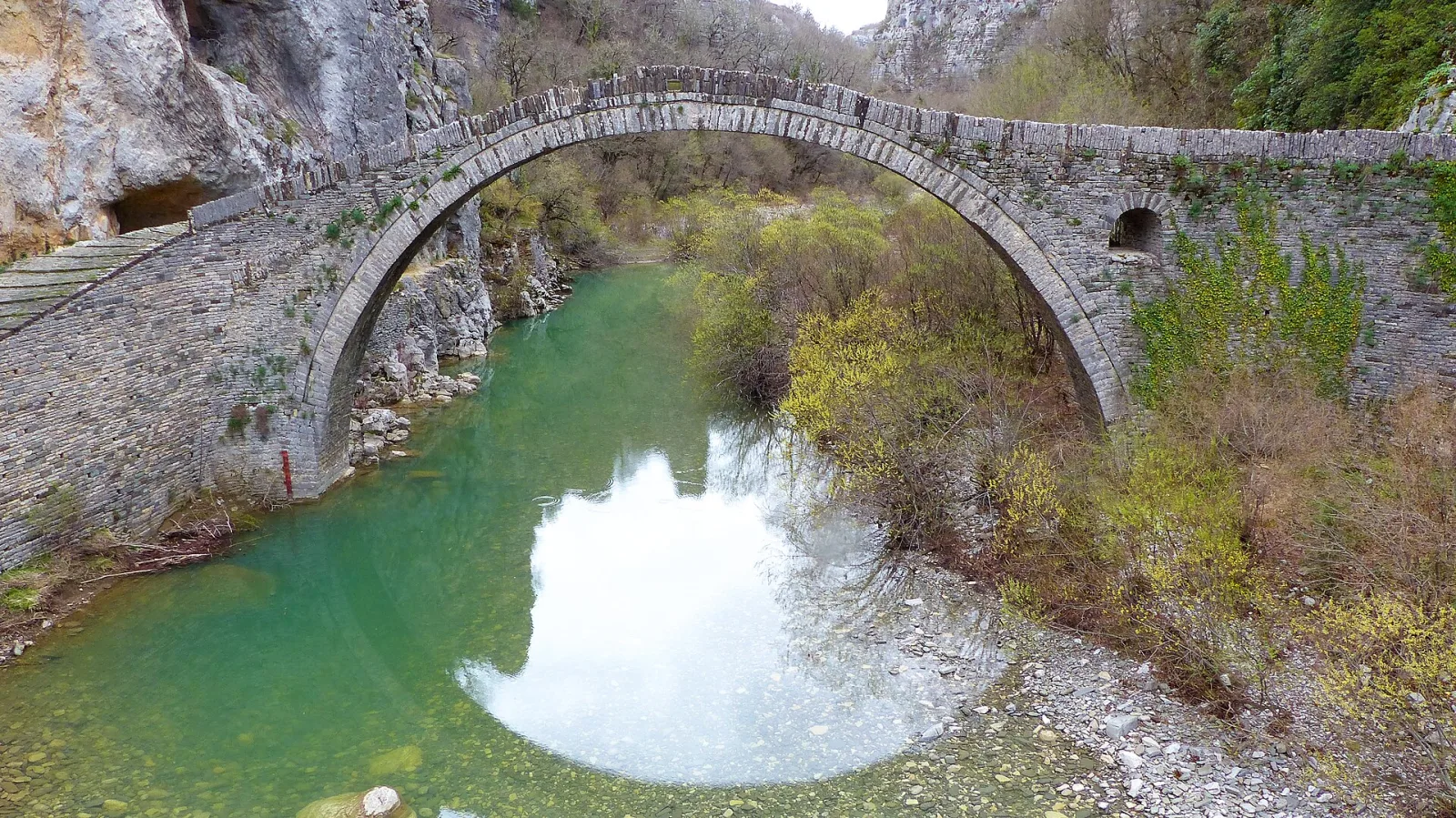
Top Things to Do in Zagori
Zagori is a mountain region of forty-odd stone villages in Epirus, linked by old mule paths and arched bridges. Here is how to make the most of it.
Top Things to Do in Metsovo
High in the Pindus mountains of Epirus, Metsovo is a stone-built village of wood smoke, smoked cheese and local wine. Here is how to make the most of a visit.
