


Piraeus Port Guide for Ferry Travellers
Navigating Piraeus, the primary gateway to the Greek islands, requires a bit of preparation. This guide helps you transition from Athens to your ferry with confidence and ease.
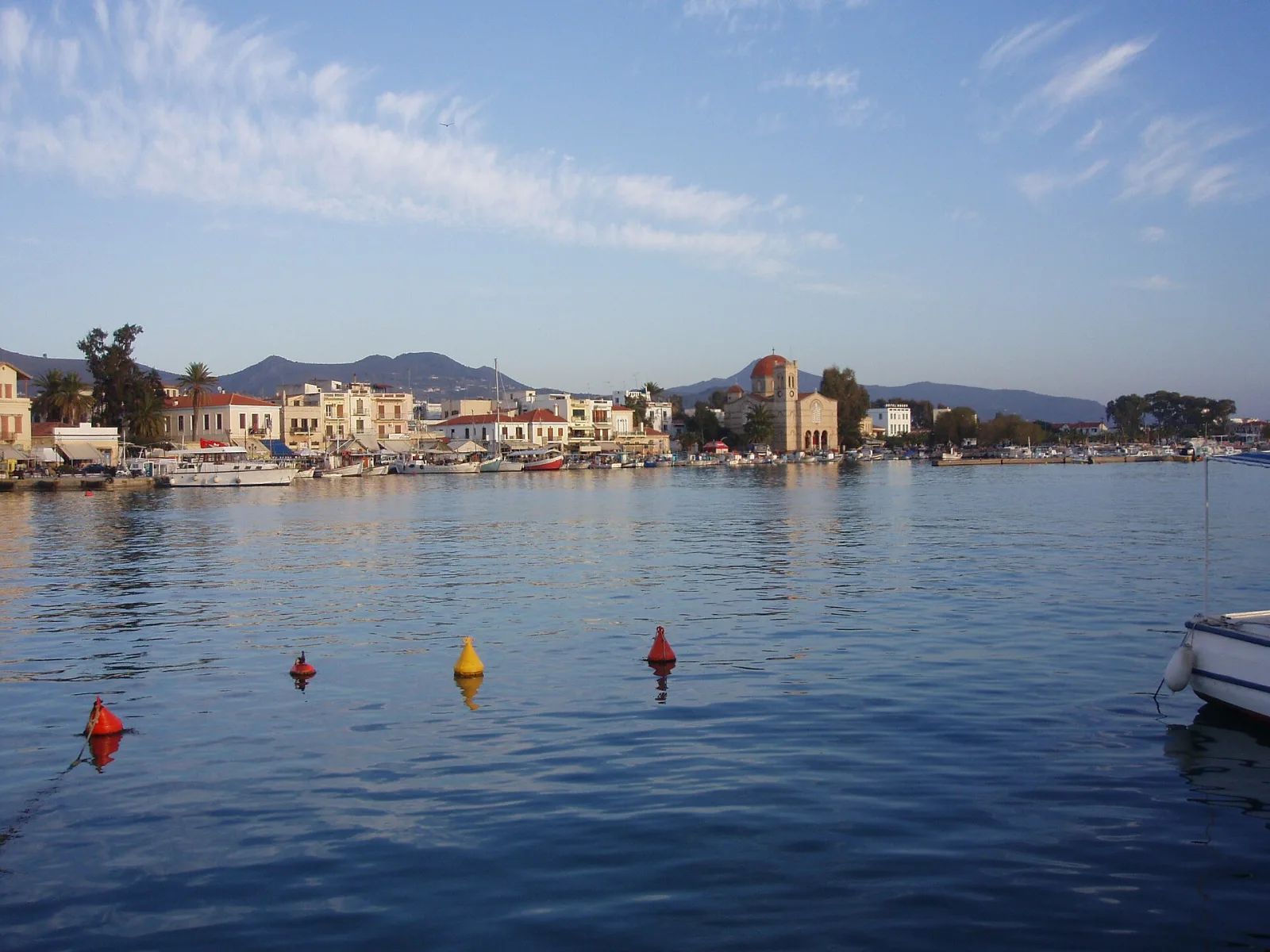
Understanding the Scale of Piraeus
Piraeus is one of the busiest passenger ports in Europe. It functions as a small city in its own right, sprawling along the Saronic Gulf. For the traveller, the sheer size of the port can be overwhelming, but once you understand the layout, it becomes manageable. The port is divided into specific gates, each serving different island groups and vessel types. Knowing your gate number well in advance is the most important step in ensuring a stress-free departure.
Navigating the Ferry Gates
The port is organized into gates that stretch along the coastline. These gates are not always within easy walking distance of one another, especially if you are carrying luggage. The gate numbers are clearly marked on large signs, but the distance between Gate E1 and Gate E10 is significant.
- Gates E1 to E5: These are generally used for the Dodecanese islands, such as Rhodes, Kos, and Patmos, as well as some routes to Crete.
- Gates E6 to E7: These are the most central gates, primarily serving the Cyclades, including popular destinations like Naxos, Paros, Mykonos, and Santorini.
- Gate E8: This gate is dedicated to the Saronic islands, including Aegina, Agistri, Poros, Hydra, and Spetses.
- Gates E9 to E10: These gates typically handle the larger vessels travelling to Chania or Heraklion in Crete, as well as some routes to the North Aegean islands like Chios and Lesvos.
Always verify your specific gate on your ticket or the operator's website before arriving at the port. If you are unsure, shuttle buses operate within the port area to help passengers move between distant gates.

Getting to the Port from Athens
Travellers usually arrive at Piraeus from central Athens or the international airport. The most efficient way to reach the port is via the Athens Metro Line 1 (the green line), which terminates at the Piraeus station. From there, it is a short walk to the ferry gates, though you may need to navigate pedestrian bridges or walkways depending on your destination gate.
If you are arriving from Athens International Airport, you can take the suburban railway (Proastiakos) directly to Piraeus, which is often faster than the metro. Alternatively, the X96 express bus runs 24 hours a day between the airport and the port, dropping passengers off at various points along the waterfront. Taxis are widely available, but traffic in the Piraeus area can be unpredictable, especially during the summer months or on Friday afternoons.
Facilities and Waiting Areas
While Piraeus has undergone significant upgrades, it remains a working industrial port. You will find plenty of kiosks selling snacks, water, and newspapers near the main gates. For a more substantial meal, the streets surrounding the port, particularly near the metro station and the Kastella neighborhood, offer numerous tavernas. However, allow yourself plenty of time if you choose to eat away from your gate.
Most ferry terminals provide basic amenities, including restrooms and seating areas. If you are travelling with a vehicle, you will need to follow the specific lane instructions provided by port authorities upon entry. Be prepared to arrive at the port at least one hour before departure for foot passengers, and even earlier if you are boarding with a car.
Practical Tips for a Smooth Departure
- Check Your Gate: Always confirm your gate number on your ticket. If it is not listed, check the ferry operator's website or the digital boards located throughout the port area.
- Allow for Traffic: Piraeus is notoriously busy. If you are taking a taxi or bus from central Athens, add at least an extra 30 minutes to your travel time to account for potential congestion.
- Pre-book Tickets: While you can buy tickets at the kiosks near the gates, it is highly recommended to book online in advance, especially during the peak summer season. You can often collect physical tickets at designated offices near the gates or use e-tickets if the ferry company supports them.
- Luggage Management: The port is large and can be uneven. Pack your belongings in manageable luggage, as you may have to walk a fair distance from the metro or bus stop to your specific gate.
- Stay Hydrated: In the summer, the port area can be extremely hot with little shade. Carry water with you, as the walk between gates can be longer than it appears on a map.
- Local Information: If you find yourself lost, look for the port authority officials or the ferry company representatives stationed near the embarkation points. They are accustomed to assisting travellers and can point you toward the correct vessel.
Plan your trip to Aegina
Compare prices with KAYAKYou'll be taken to KAYAK to compare prices. We may earn a commission at no extra cost to you.
Plan your trip to Aegina
🏨Find hotels on Booking.comBooking.comAffiliate links — we may earn a small commission.
Deals from our travel partners
 PAOK Thessaloniki vs BC Lietkabelis Tickets - PAOK Arena, 2026-12-19Sports Events 365 · from 102 EUR
Olympiacos Pireus vs Bayern Munich Tickets - Peace & Friendship Stadium, 2027-02-05Sports Events 365 · from 120 EUR
PAOK Thessaloniki vs Ratiopharm Ulm Tickets - PAOK Arena, 2026-10-21Sports Events 365 · from 102 EUR
Olympiacos Pireus vs BC Dubai Tickets - Peace & Friendship Stadium, 2026-11-12Sports Events 365 · from 120 EUR
PAOK Thessaloniki vs BC Lietkabelis Tickets - PAOK Arena, 2026-12-19Sports Events 365 · from 102 EUR
Olympiacos Pireus vs Bayern Munich Tickets - Peace & Friendship Stadium, 2027-02-05Sports Events 365 · from 120 EUR
PAOK Thessaloniki vs Ratiopharm Ulm Tickets - PAOK Arena, 2026-10-21Sports Events 365 · from 102 EUR
Olympiacos Pireus vs BC Dubai Tickets - Peace & Friendship Stadium, 2026-11-12Sports Events 365 · from 120 EUR
Affiliate links — we may earn a commission at no extra cost to you.
Related guides
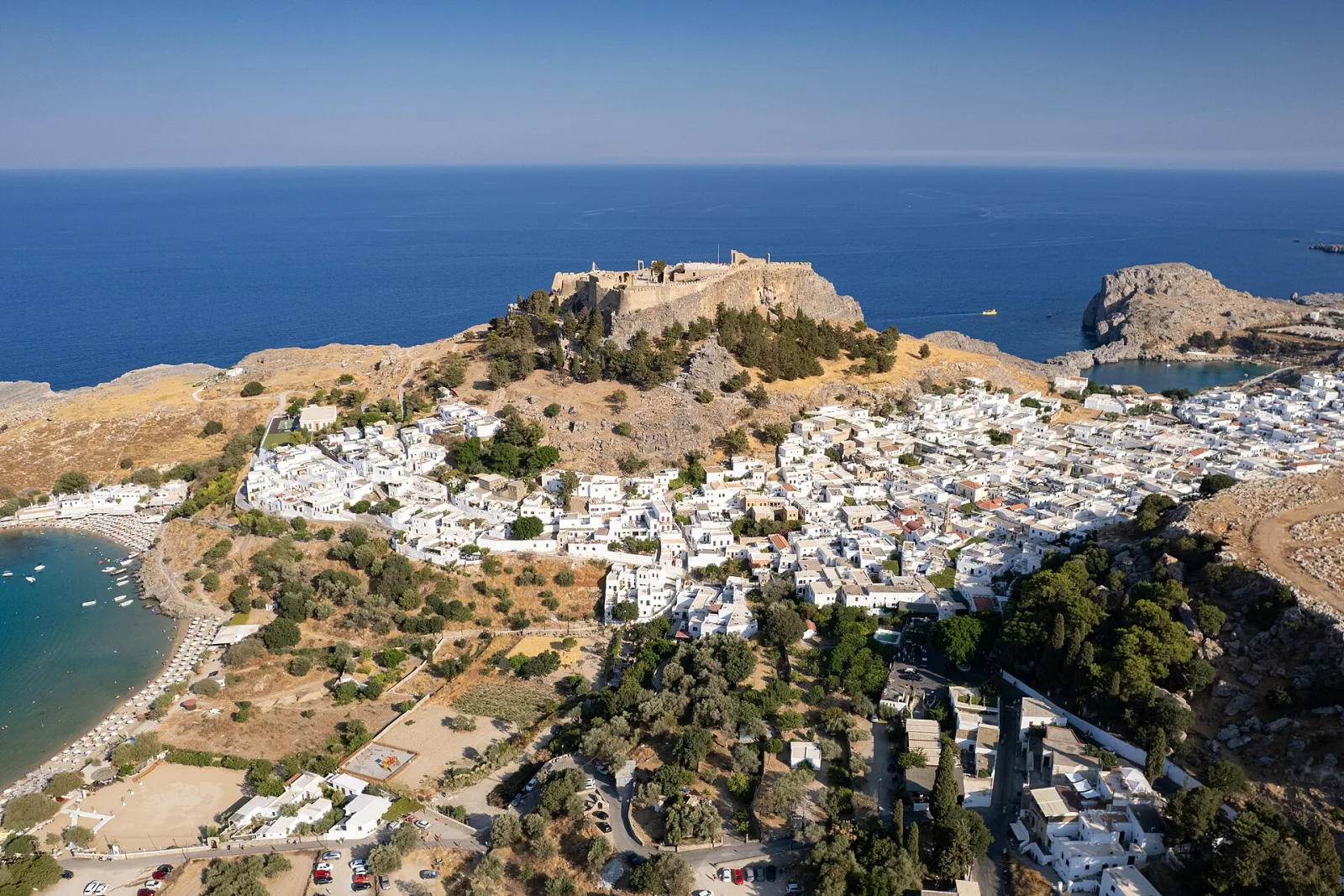
Top Things to Do in Rhodes
Rhodes is a captivating blend of medieval history and sun-drenched coastal beauty. This guide explores the must-see sights and experiences across this diverse Dodecanese destination.

Is Greece Expensive? A Realistic Look at Costs
Navigating the costs of a Greek holiday requires balancing popular hotspots with mainland alternatives. This guide breaks down how to manage your budget effectively.
Best Boat Trips in Greece
From the turquoise waters of the Ionian to the volcanic caldera of Santorini, Greece is best experienced from the deck of a boat. This guide covers the essential maritime routes for every type of traveller.
