


Sand, Pebbles or Volcanic Rock? A Guide to Greek Beach Types
Greece offers a stunning variety of beach textures, from fine golden sand to dramatic volcanic landscapes. Understanding these coastal differences will help you choose the ideal destination for your trip.
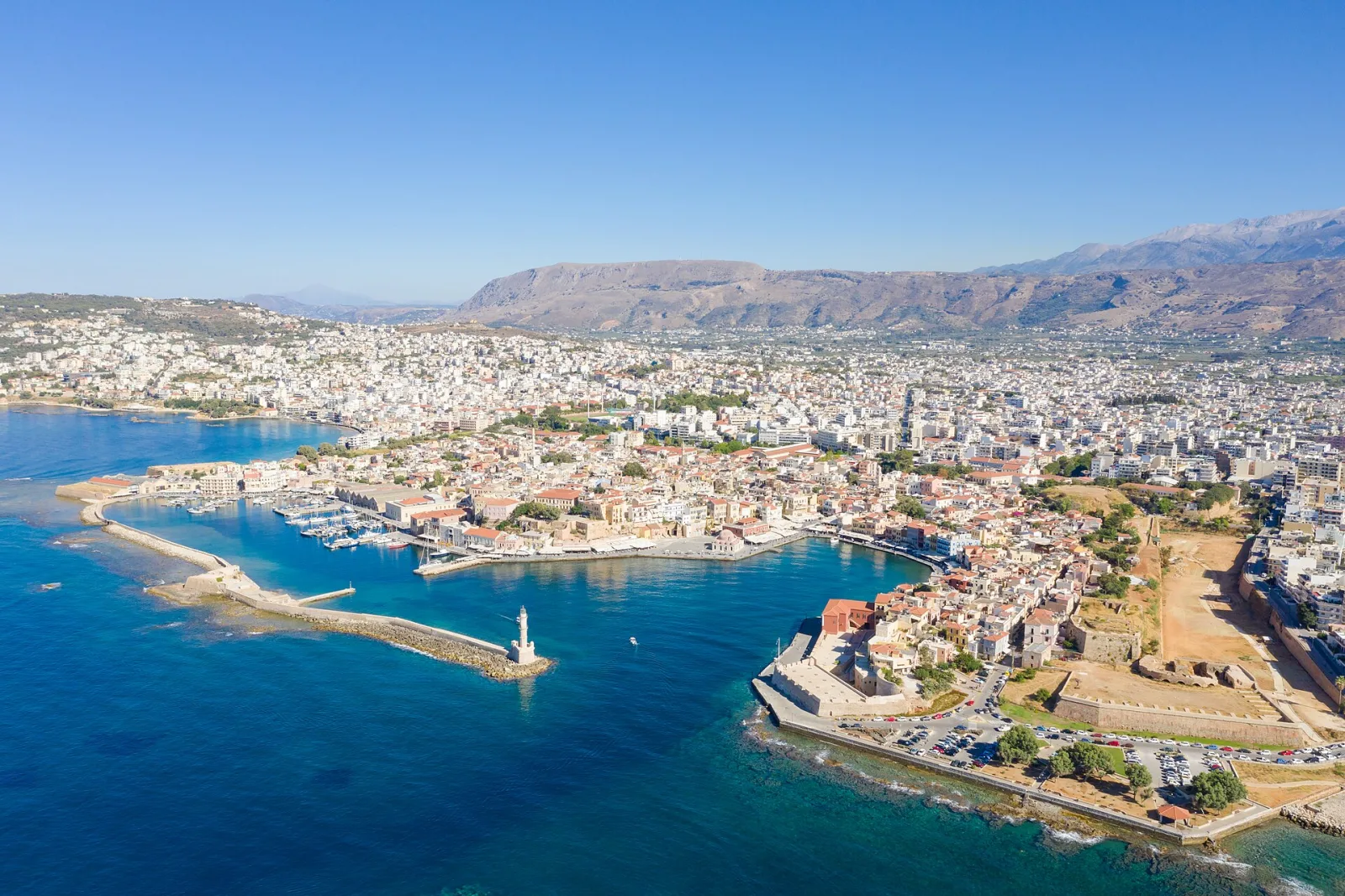
The Diversity of the Greek Shoreline
The Greek coastline is one of the most varied in the world, stretching for thousands of kilometers along the Aegean, Ionian, and Libyan seas. While many travelers simply look for a spot by the water, the composition of the shore—whether it is sand, pebble, or rock—significantly impacts the overall experience. Understanding these geological variations allows travelers to better prepare for their day under the Mediterranean sun.
The Appeal of Golden and White Sand
Sandy beaches are arguably the most sought-after spots in Greece, particularly for families and those who enjoy long, leisurely walks along the water's edge. The sand in Greece ranges from deep golden hues to blindingly white, powder-like grains. In places like Naxos, the vast stretches of fine sand create shallow, turquoise lagoons that are perfect for wading and swimming. Similarly, the southern coast of Crete, specifically areas near Elafonisos, boasts unique pink-tinted sand created by crushed seashells, offering a visually striking contrast to the deep blue sea.
When visiting sandy beaches, it is worth noting that the fine texture can become very hot during the peak hours of the day. Using beach shoes or sandals until you reach the water line is a practical habit. Furthermore, sandy areas are often more susceptible to wind, which can stir up the sediment, though this rarely diminishes the clarity of the water.

Pebble Beaches and Crystal-Clear Waters
For many seasoned travelers, the presence of pebbles is actually a sign of superior water quality. Pebble beaches, common throughout the Ionian islands like Kefalonia and Lefkada, are famous for their intense, electric-blue water. Because the ground consists of smooth stones rather than fine grains, there is no sediment to cloud the water, resulting in unparalleled visibility for snorkeling and swimming.
The pebbles themselves can range from small, pea-sized gravel to large, smooth white stones. While beautiful, they can be challenging to walk on with bare feet. It is highly recommended to pack a pair of sturdy water shoes. These allow you to navigate the shore comfortably and enter the water without slipping or discomfort. Many locals appreciate these beaches for their cleanliness and the way the sun reflects off the white stones, creating a brilliant, bright atmosphere.
Dramatic Volcanic and Rocky Landscapes
Greece also features a more dramatic side, defined by volcanic activity and rugged rock formations. Santorini is the most prominent example, where the beaches are composed of dark, volcanic sand and pebbles. These beaches, such as those found on the southern coast of the island, are unique due to their deep red or black colors, which absorb heat rapidly. Walking barefoot on these beaches during the afternoon is difficult, so footwear is essential.
Beyond volcanic sand, there are many rocky coves and platforms scattered across the islands. These areas are ideal for those who prefer to dive directly into deep, cool water rather than wading in from the shore. Locations such as Mani or the rocky inlets around Milos offer a more secluded, adventurous experience. These spots are often excellent for cliff jumping and underwater exploration, as the rocky seabed provides a habitat for a diverse range of marine life.
Choosing the Right Beach for Your Activity
Your choice of beach should depend on your planned activities. If you are traveling with small children or prefer building sandcastles and playing beach games, the sandy stretches of Naxos or Paros are ideal. If your priority is photography, snorkeling, or simply enjoying the clearest possible water, seek out the pebble-heavy coves of the Ionian islands. For those who prefer a quieter, more solitary experience away from the crowds, the rocky inlets and hidden coastal paths of the Cyclades offer a peaceful retreat.
Practical Tips for Beachgoers
- Footwear: Always carry a pair of rubber-soled water shoes. They are indispensable for pebble beaches and protect your feet from hot volcanic sand or sharp rocks.
- Wind Awareness: Check local weather forecasts for wind conditions. Sandy beaches can become uncomfortable during strong 'Meltemi' winds, whereas rocky or pebble coves are often more sheltered.
- Sun Protection: Regardless of the beach type, the Greek sun is intense. Use high-SPF sunscreen, wear a hat, and seek shade during the midday hours, especially when reflecting off white pebbles or light-colored sand.
- Respect the Environment: Many of Greece’s most beautiful beaches are protected areas. Avoid removing stones, shells, or sand from the shore, and always carry out any trash to keep these ecosystems pristine.
- Equipment: If you plan to spend the day at a non-organized beach, bring a sturdy umbrella and plenty of water, as these spots rarely have amenities like tavernas or rental sunbeds.
Plan your trip to Crete
Compare prices with KAYAKYou'll be taken to KAYAK to compare prices. We may earn a commission at no extra cost to you.
Plan your trip to Crete
🏨Find hotels on Booking.comBooking.comAffiliate links — we may earn a small commission.
Deals from our travel partners
 OFI Crete vs Lech Poznan Tickets - Pankritio Stadium, 2027-01-28Sports Events 365 · from 130 EUR
OFI Crete vs RSC Anderlecht Tickets - Pankritio Stadium, 2026-11-26Sports Events 365 · from 130 EUR
SL Benfica vs OFI Crete Tickets - Estadio da Luz, 2026-12-10Sports Events 365 · from 90 EUR
Hapoel Beer Sheva vs OFI Crete Tickets - Stadionul Giulesti-Valentin Stanescu, 2026-11-05Sports Events 365 · from 162 EUR
OFI Crete vs Lech Poznan Tickets - Pankritio Stadium, 2027-01-28Sports Events 365 · from 130 EUR
OFI Crete vs RSC Anderlecht Tickets - Pankritio Stadium, 2026-11-26Sports Events 365 · from 130 EUR
SL Benfica vs OFI Crete Tickets - Estadio da Luz, 2026-12-10Sports Events 365 · from 90 EUR
Hapoel Beer Sheva vs OFI Crete Tickets - Stadionul Giulesti-Valentin Stanescu, 2026-11-05Sports Events 365 · from 162 EUR
Affiliate links — we may earn a commission at no extra cost to you.
Related guides
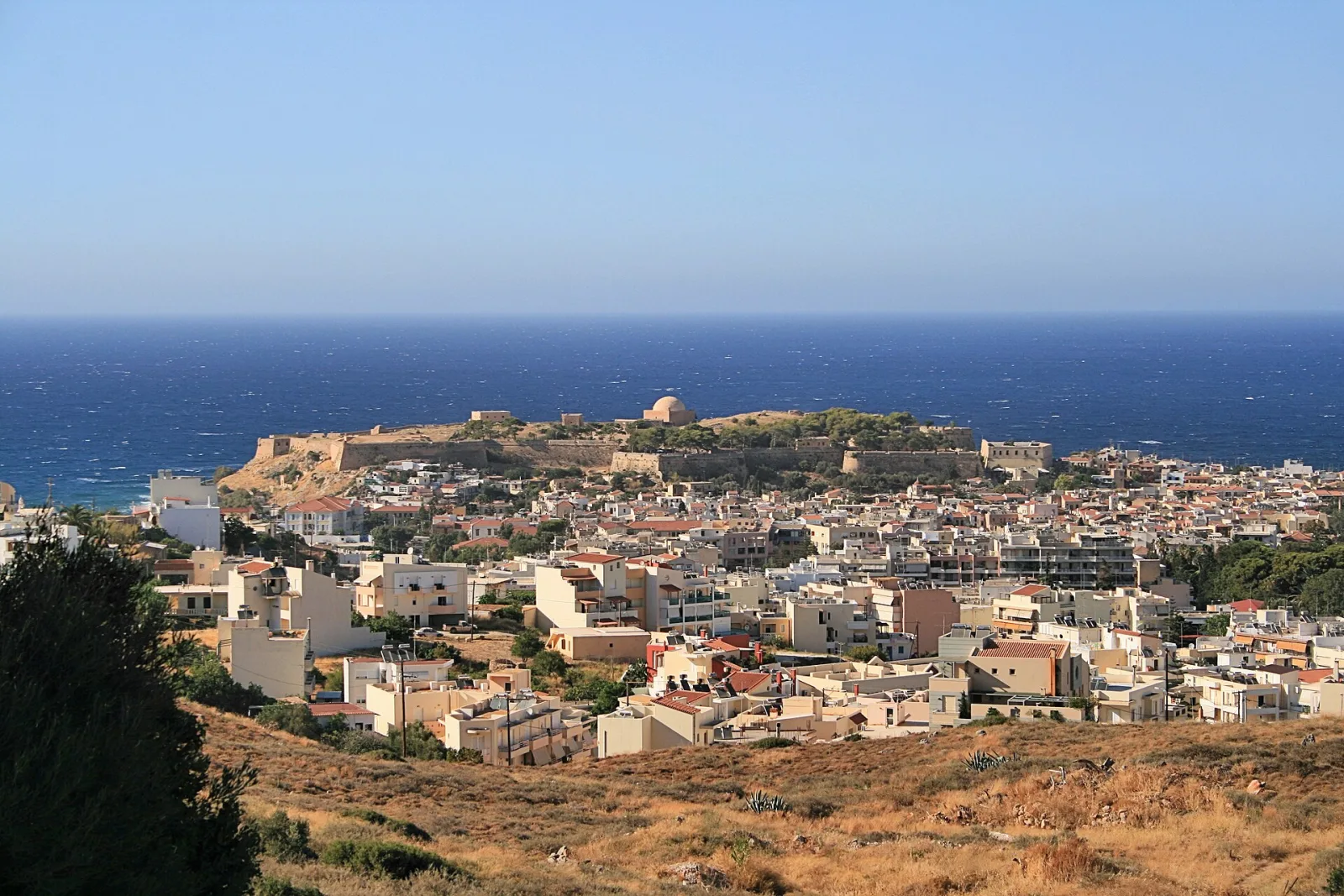
Top Things to Do in Rethymno
Rethymno blends a Venetian and Ottoman old town with a mighty fortress and a long sandy beach. Here is how to make the most of this central Cretan base.
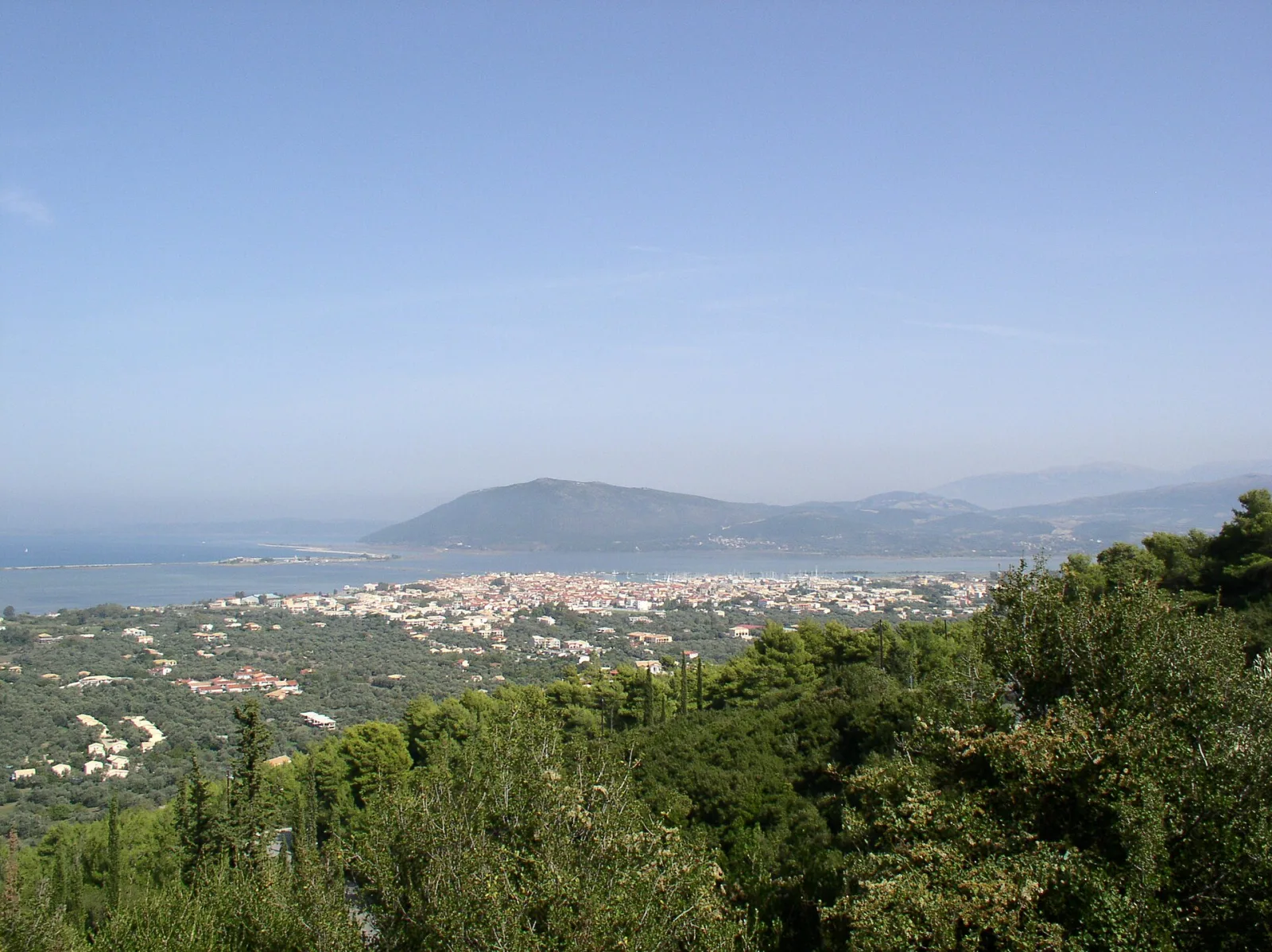
Top Things to Do in Lefkada
Lefkada combines dramatic white-cliff beaches, lively watersports and easy island-hopping in one compact Ionian destination. Here is how to make the most of it.

Top Things to Do in Karpathos
Rugged, unhurried and full of character, Karpathos rewards travellers who venture beyond the port. Here are the experiences worth planning your days around.
