


Snorkelling in Greece: The Best Spots
Greece offers incredible opportunities for snorkelling in its diverse coastal waters. Discover the top locations to explore underwater landscapes and vibrant marine life across the islands.
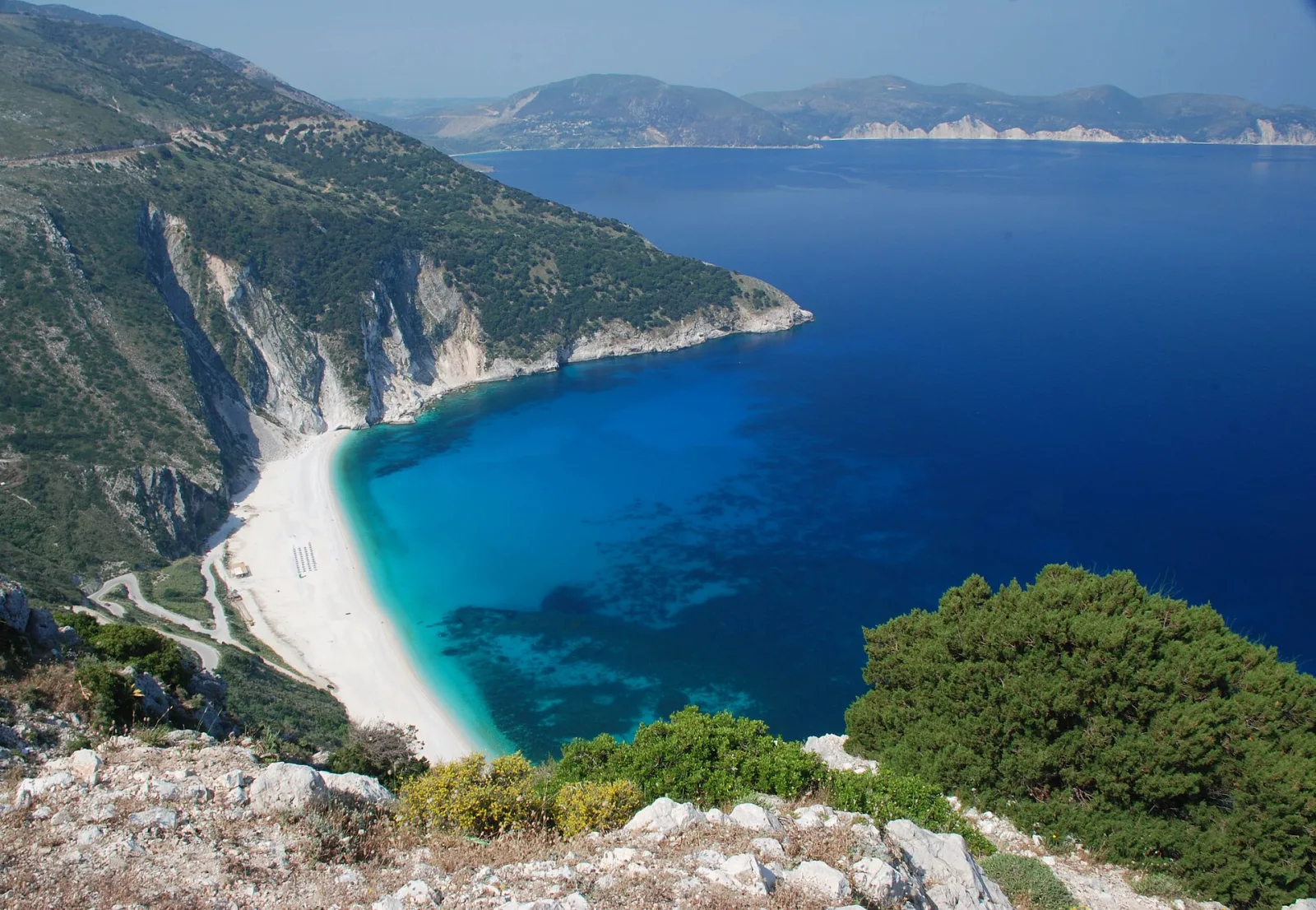
Exploring the Underwater World of Greece
Greece is defined by its coastline, which stretches for thousands of kilometres along the Aegean, Ionian, and Libyan seas. While many visitors focus on the beaches, the real magic often lies just a few metres beneath the surface. Snorkelling in Greece is an accessible and rewarding activity, requiring nothing more than a mask, snorkel, and a pair of fins to transform a standard beach day into an underwater adventure.
The Ionian Islands: Clarity and Colour
The Ionian Sea is renowned for its exceptional water clarity. The seabed here often consists of white pebbles and sand, which reflect the sunlight and create a stunning turquoise glow. Lefkada, for instance, offers dramatic limestone cliffs that drop directly into the sea, creating deep, clear waters perfect for spotting schools of fish. On the island of Kefalonia, the coastline is dotted with small, rocky coves where the underwater topography is rugged and interesting, providing plenty of nooks for sea bream and octopus to hide.
Paxos is another standout destination. The island is small enough to explore by boat, and the western coast is home to sea caves and arches that are spectacular to snorkel around. The play of light through these natural structures creates a unique environment for observing marine life in a dramatic setting.

The Aegean: Rocky Coves and Mediterranean Life
In the Aegean, the landscape changes to volcanic rock and granite, offering a different type of snorkelling experience. Milos, with its famous white volcanic rock formations at Sarakiniko, provides a lunar-like landscape both above and below the water. The surrounding bays are calm and clear, making it a safe and visually striking place for beginners and experienced snorkellers alike.
Further north, the island of Thassos is frequently praised for its natural swimming pools and rocky inlets. The water here is often calm, allowing snorkellers to observe the posidonia seagrass meadows, which are essential to the health of the Mediterranean ecosystem. These meadows serve as nurseries for countless fish species, making them ideal spots for observing biodiversity.
Southern Treasures: Crete and Rhodes
Crete is a massive island with an incredible variety of snorkelling spots. The southern coast, facing the Libyan Sea, is generally deeper and cooler, offering a chance to see larger fish. Locations near Rethymno and Chania feature rocky outcrops that are teeming with life. In Rhodes, the eastern side of the island is protected from the prevailing winds, resulting in calm, shallow waters that are perfect for families. The rocky shoreline near many of the island’s smaller beaches provides ample cover for small marine creatures, including colourful wrasse and starfish.
What to Expect Underwater
While the Mediterranean is not as colourful as tropical coral reefs, it possesses a subtle, refined beauty. The most common sights include schools of damselfish, saddled bream, and the occasional sea urchin. With a bit of patience and a steady hand, you may also spot an octopus camouflaged against the rocks or a cuttlefish hovering in the seagrass. The Posidonia oceanica, or Neptune grass, is a protected seagrass that creates underwater forests; these are the lungs of the Mediterranean and are vital to visit with respect and care.
Practical Tips for Snorkellers
- Equipment: Always invest in a high-quality mask that fits your face shape correctly. A leaking mask can ruin an experience. Check locally for dive shops if you need to rent or purchase gear.
- Safety First: Never snorkel alone. Even in calm waters, it is safer to have a partner. Be aware of boat traffic, especially near popular beaches. Using a high-visibility float is a good way to signal your presence to boaters.
- Respect the Environment: Never touch or remove anything from the seabed. The Mediterranean ecosystem is delicate. Avoid wearing sunscreen that is harmful to marine life; look for reef-safe options.
- Timing: The best time to snorkel is usually in the morning when the sea is at its calmest. Afternoon winds, known as the meltemi in the Aegean, can create choppy conditions that reduce visibility.
- Local Knowledge: Ask local beach bar owners or boat operators about current conditions. They often know which side of the island is protected from the wind on any given day.
Plan your trip to Kefalonia
Compare prices with KAYAKYou'll be taken to KAYAK to compare prices. We may earn a commission at no extra cost to you.
Plan your trip to Kefalonia
🏨Find hotels on Booking.comBooking.comAffiliate links — we may earn a small commission.
Deals from our travel partners
 PAOK Thessaloniki vs Balkan Botevgrad Tickets - PAOK Arena, 2027-01-13Sports Events 365 · from 102 EUR
PAOK Thessaloniki vs Ratiopharm Ulm Tickets - PAOK Arena, 2026-10-21Sports Events 365 · from 102 EUR
Olympiacos Pireus vs Bayern Munich Tickets - Peace & Friendship Stadium, 2027-02-05Sports Events 365 · from 120 EUR
Olympiacos Pireus vs Real Madrid Tickets - Peace & Friendship Stadium, 2026-11-20Sports Events 365 · from 162 EUR
PAOK Thessaloniki vs Balkan Botevgrad Tickets - PAOK Arena, 2027-01-13Sports Events 365 · from 102 EUR
PAOK Thessaloniki vs Ratiopharm Ulm Tickets - PAOK Arena, 2026-10-21Sports Events 365 · from 102 EUR
Olympiacos Pireus vs Bayern Munich Tickets - Peace & Friendship Stadium, 2027-02-05Sports Events 365 · from 120 EUR
Olympiacos Pireus vs Real Madrid Tickets - Peace & Friendship Stadium, 2026-11-20Sports Events 365 · from 162 EUR
Affiliate links — we may earn a commission at no extra cost to you.
Related guides
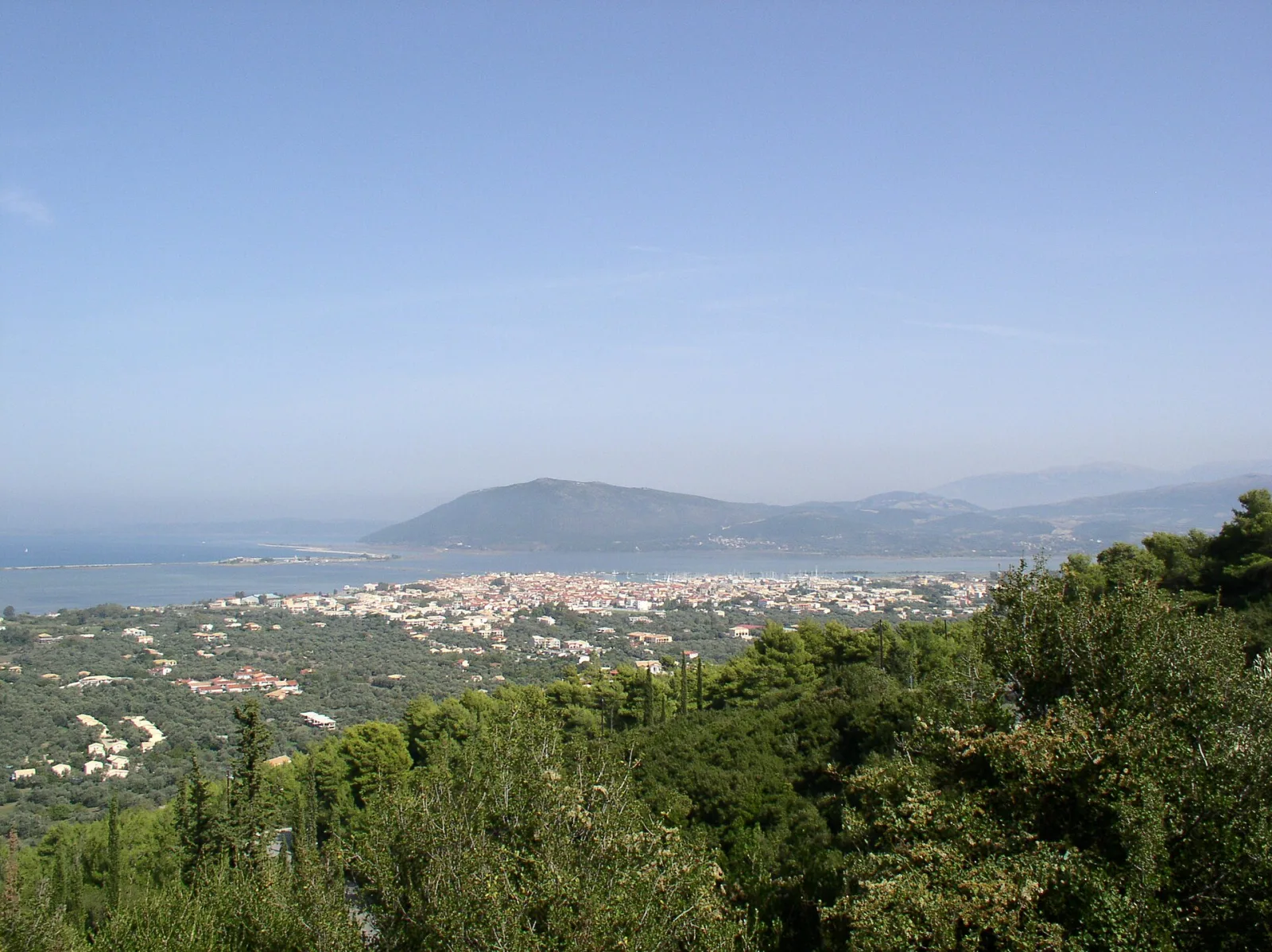
Porto Katsiki, Lefkada: Cliffs, Steps and Blue Water
Porto Katsiki is the defining image of Lefkada, where towering white limestone cliffs drop sharply into the vibrant turquoise waters of the Ionian Sea.
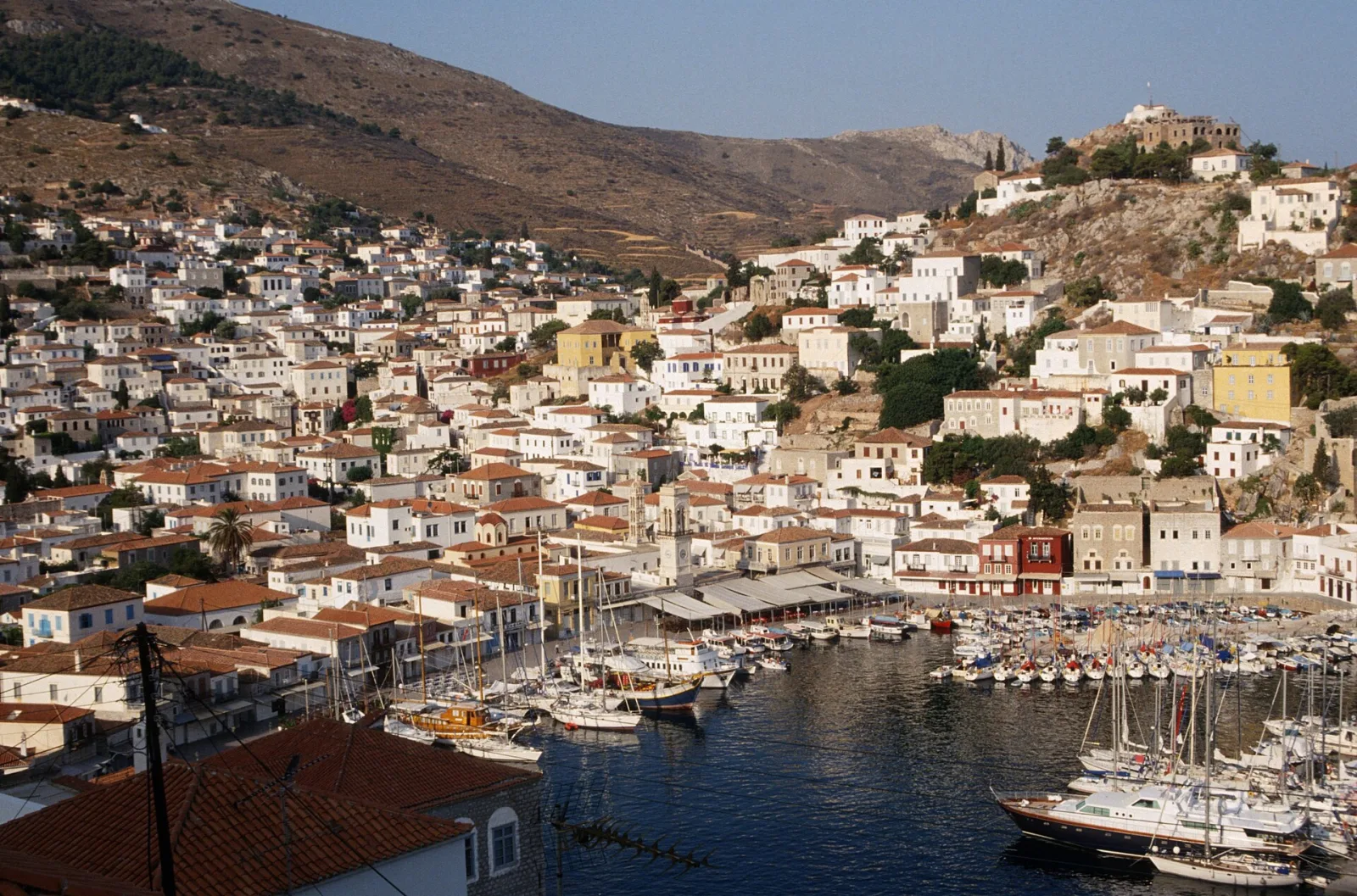
The Best Beaches in and Around Hydra
Hydra offers a unique swimming experience where clear, deep waters meet dramatic rock formations. Since the island is entirely pedestrianized, every beach is reached by foot or water taxi.
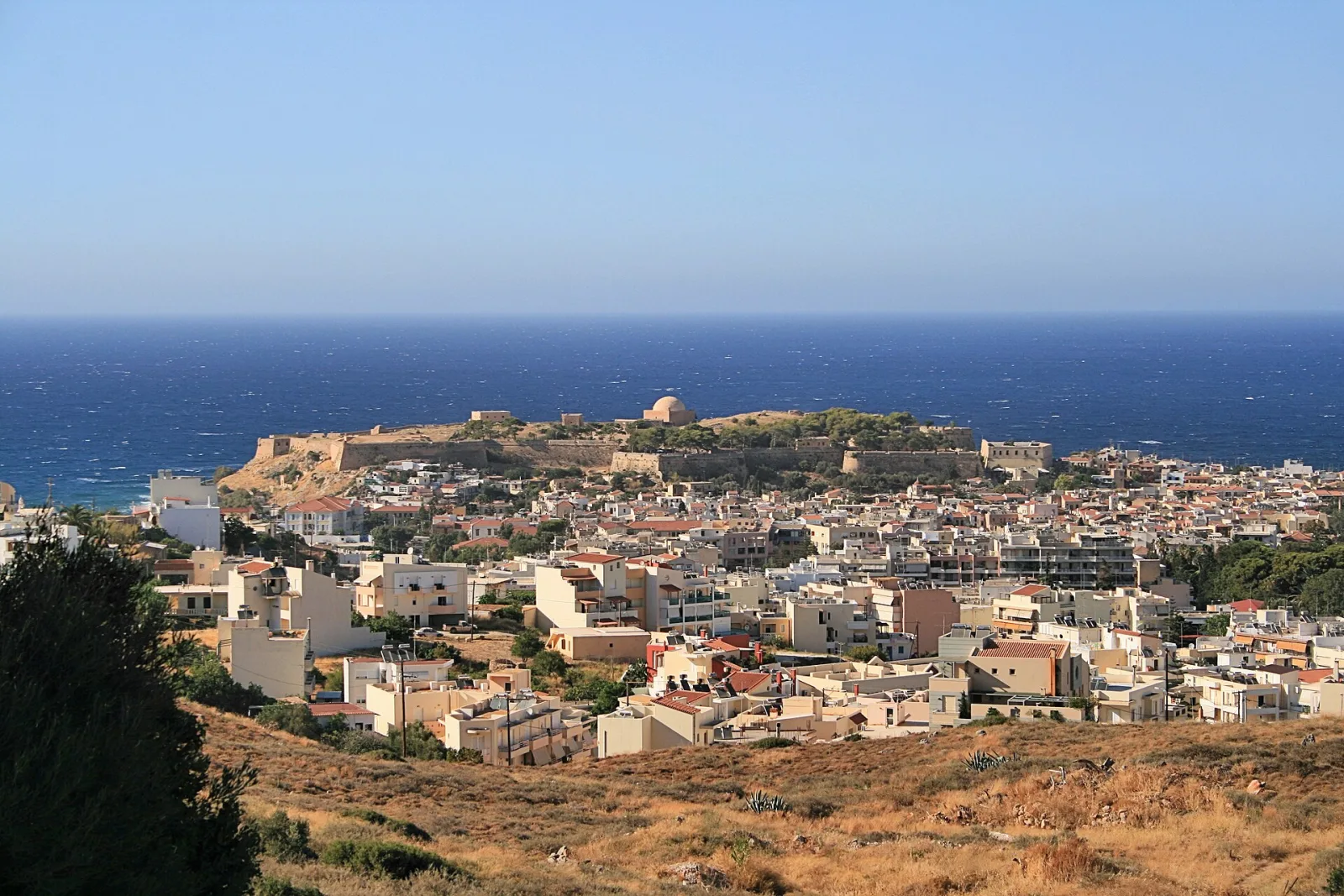
The Best Beaches in and Around Rethymno
Rethymno offers a perfect blend of historic charm and coastal beauty, serving as an ideal base for exploring both the northern and southern beaches of Crete.
