


What a Blue Flag Means on Greek Beaches (and Why It Matters)
The Blue Flag is a globally recognized eco-label awarded to beaches that meet strict criteria for water quality, safety, and environmental management. Understanding this certification helps you make informed choices for your Greek coastal holiday.
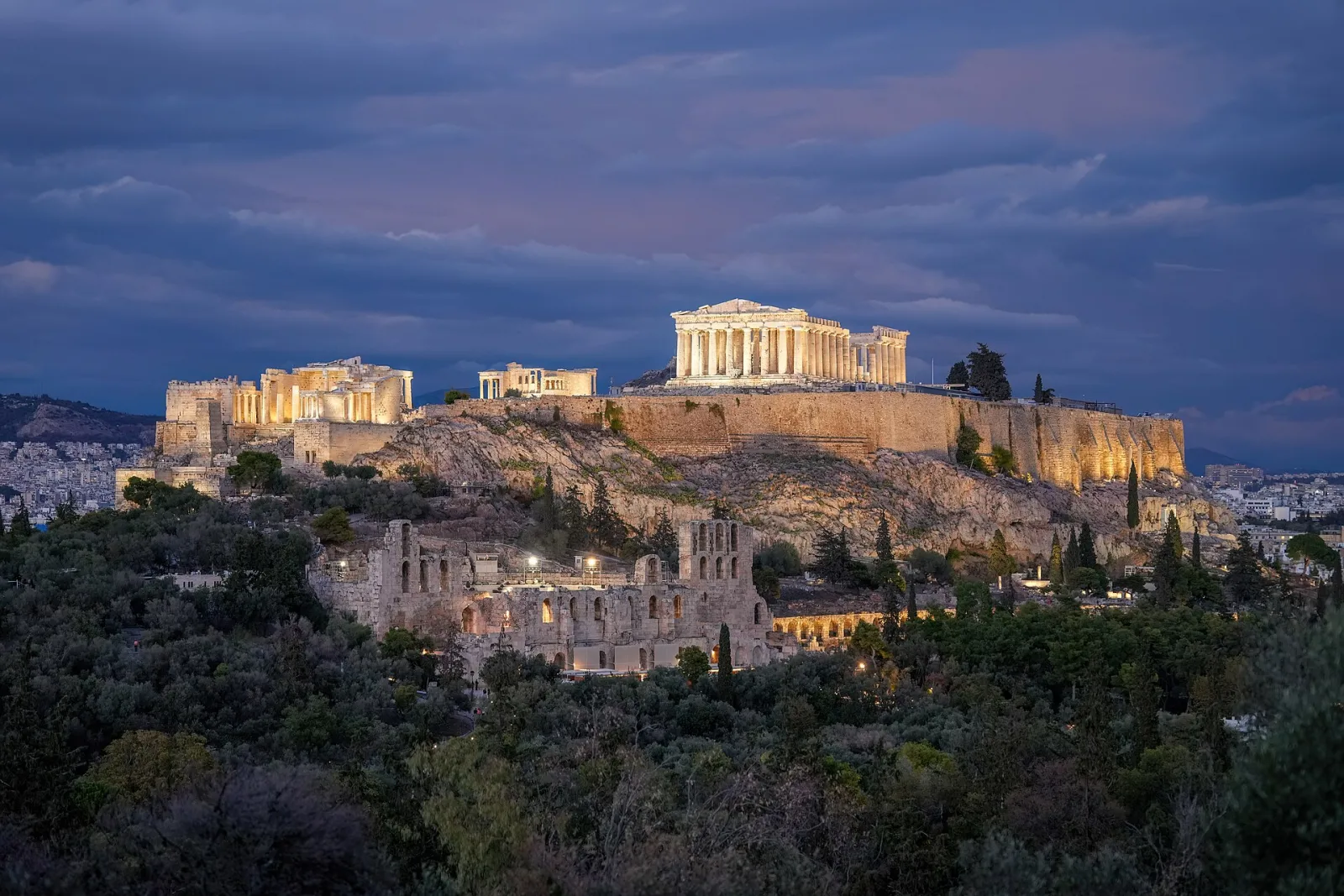
Understanding the Blue Flag Standard
When planning a trip to the Greek coastline, travelers often encounter a blue banner featuring a white flag icon fluttering near the shore. This is the Blue Flag, an international certification awarded by the Foundation for Environmental Education (FEE). In Greece, which consistently ranks among the top countries worldwide for the number of Blue Flag beaches, this symbol serves as a reliable indicator of quality and responsibility. It is not merely a mark of beauty, but a rigorous assessment of how a beach is managed, maintained, and protected.
The Criteria for Certification
To receive a Blue Flag, a beach must adhere to a comprehensive set of thirty-three criteria divided into four main categories: water quality, environmental management, safety and services, and environmental education. The water quality is tested regularly throughout the swimming season to ensure it meets the highest standards of purity, free from industrial or sewage-related pollution. This scientific monitoring is a cornerstone of the program, providing peace of mind to families and swimmers who prioritize health and hygiene.
Environmental management is equally vital. Beaches awarded this status must demonstrate a commitment to sustainable practices. This includes regular beach cleaning, the presence of adequate waste disposal facilities, and the prohibition of unauthorized camping or driving on the sand. Furthermore, the surrounding ecosystem—such as dunes, wetlands, or coastal vegetation—must be protected, ensuring that tourism development does not come at the cost of the natural landscape.

Safety, Services, and Accessibility
Beyond cleanliness, the Blue Flag certification demands a high level of infrastructure for the public. A beach with this status must have trained lifeguards on duty during peak hours, clearly marked swimming zones, and accessible first-aid equipment. For travelers with limited mobility, the designation is particularly helpful, as it requires the beach to provide accessible paths and facilities, including appropriate restrooms. You will also find information boards detailing the local environment, the water quality results, and the code of conduct for visitors.
Why It Matters for Your Trip
Choosing a Blue Flag beach is a simple way to support sustainable tourism in Greece. By patronizing these locations, travelers contribute to a system that incentivizes local municipalities and private operators to invest in infrastructure that protects the marine environment. It also ensures that your experience is predictable and comfortable. Whether you are exploring the organized shores of Halkidiki, the popular coastlines of Crete, or the accessible beaches near Athens, the flag acts as a guarantee that basic services are met and the environment is being monitored.
While many of Greece’s most remote or rugged beaches may not have a Blue Flag—often due to the logistical difficulty of maintaining lifeguard stations or permanent facilities in isolated areas—the presence of the flag is a hallmark of a well-serviced, family-friendly, and environmentally conscious destination. It is a benchmark that balances the needs of the modern traveler with the necessity of preserving the Mediterranean’s fragile coastal health.
Practical Tips for Beachgoers
- Look for the current year's flag: The certification is awarded annually, so ensure the flag displayed is for the current season.
- Check local boards: Every Blue Flag beach is required to display a board with water quality data and safety information; take a moment to read it upon arrival.
- Respect the signage: Follow instructions regarding protected zones, waste disposal, and swimming areas to help maintain the beach's status for future seasons.
- Use designated facilities: Always use the provided bins and recycling stations to keep the shoreline pristine.
- Verify before you go: You can check the official Blue Flag Greece website or local municipal tourism offices to see a list of certified beaches in your specific destination.
Plan your trip to Athens
Compare prices with KAYAKYou'll be taken to KAYAK to compare prices. We may earn a commission at no extra cost to you.
Plan your trip to Athens
🏨Find hotels on Booking.comBooking.comAffiliate links — we may earn a small commission.
Deals from our travel partners
 Flights from Athens to BelgradeAir Serbia · from 594 EUR
 Flights from Athens to TivatAir Serbia · from 612 EUR
 Flights from Athens to BarcelonaAir Serbia · from 192 EUR
 Flights from Athens to MunichAir Serbia · from 417 EUR
Affiliate links — we may earn a commission at no extra cost to you.
Related guides

Meteora in 3 Days: The Perfect Itinerary
Giant sandstone pillars, Byzantine monasteries and some of Greece's best sunsets make Meteora a destination worth three full days. Here is how to spend them well.
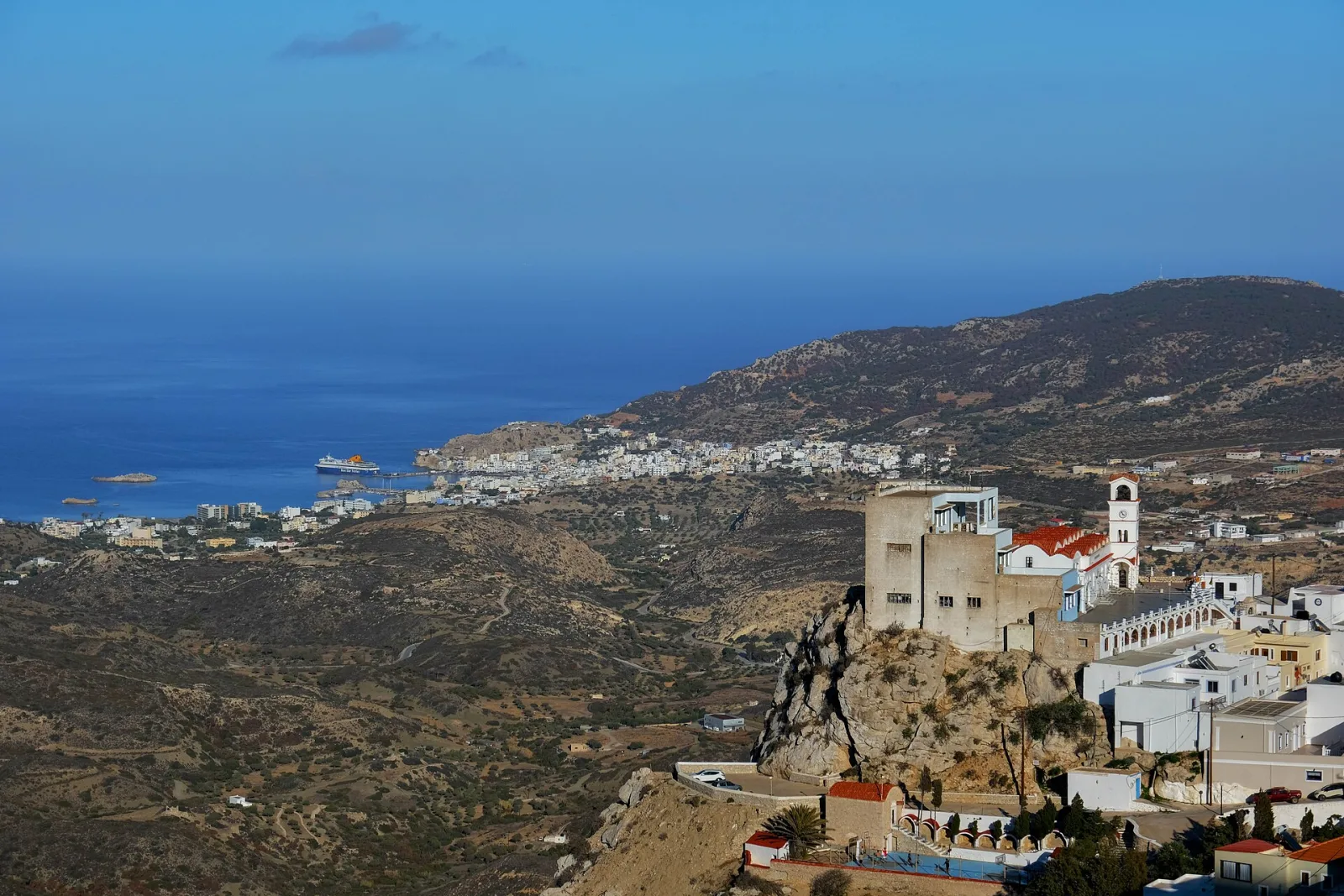
Top Things to Do in Karpathos
Rugged, unhurried and full of character, Karpathos rewards travellers who venture beyond the port. Here are the experiences worth planning your days around.
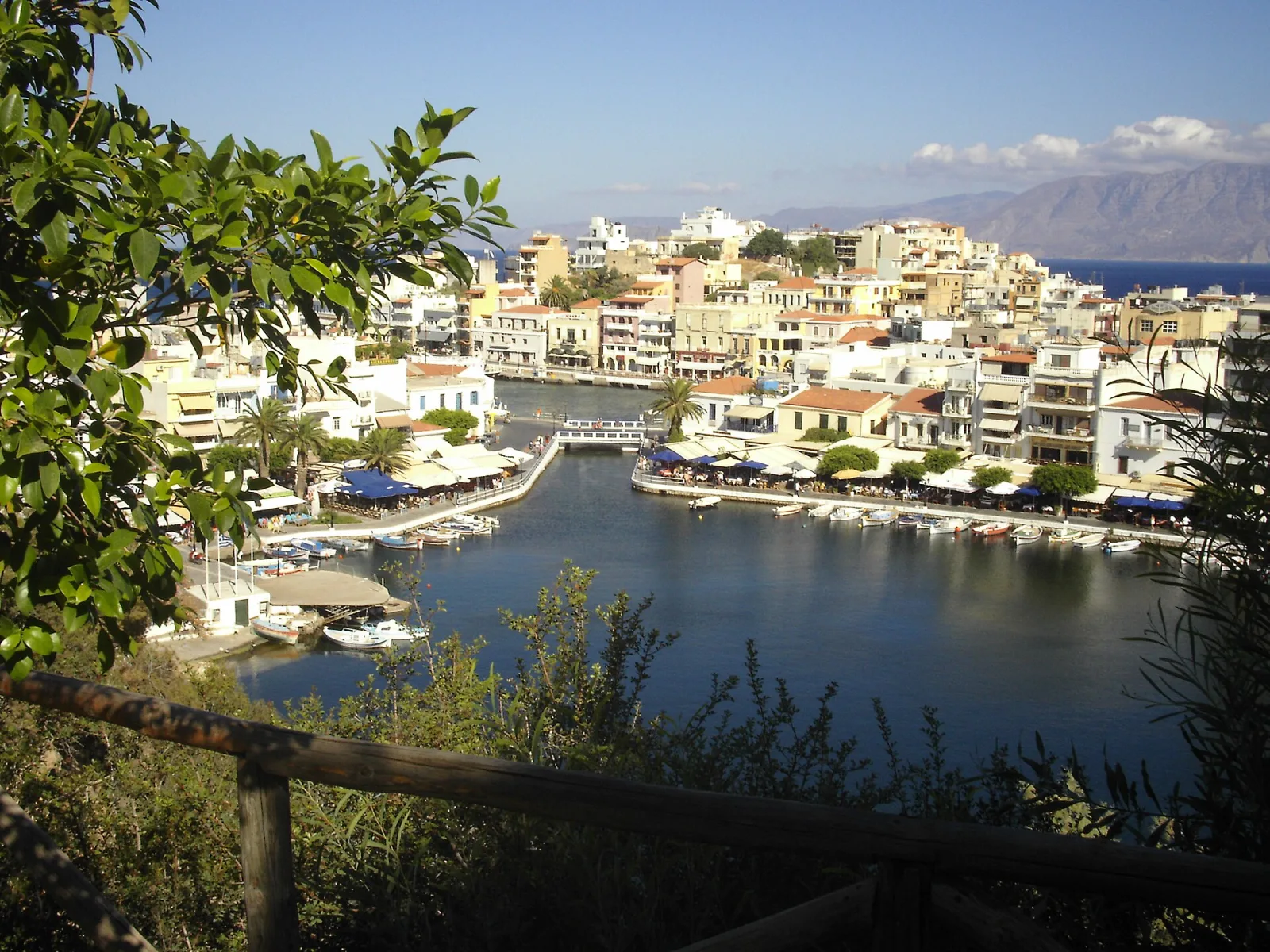
Top Things to Do in Agios Nikolaos
Agios Nikolaos is one of Crete's most appealing seaside towns, built around a small lake and within easy reach of Spinalonga, Elounda and the mountains.
