


What to Eat in Meteora: A Local Food Guide
While the towering stone pillars of Meteora dominate the skyline, the region’s culinary traditions offer a grounded and flavorful experience for every traveler.
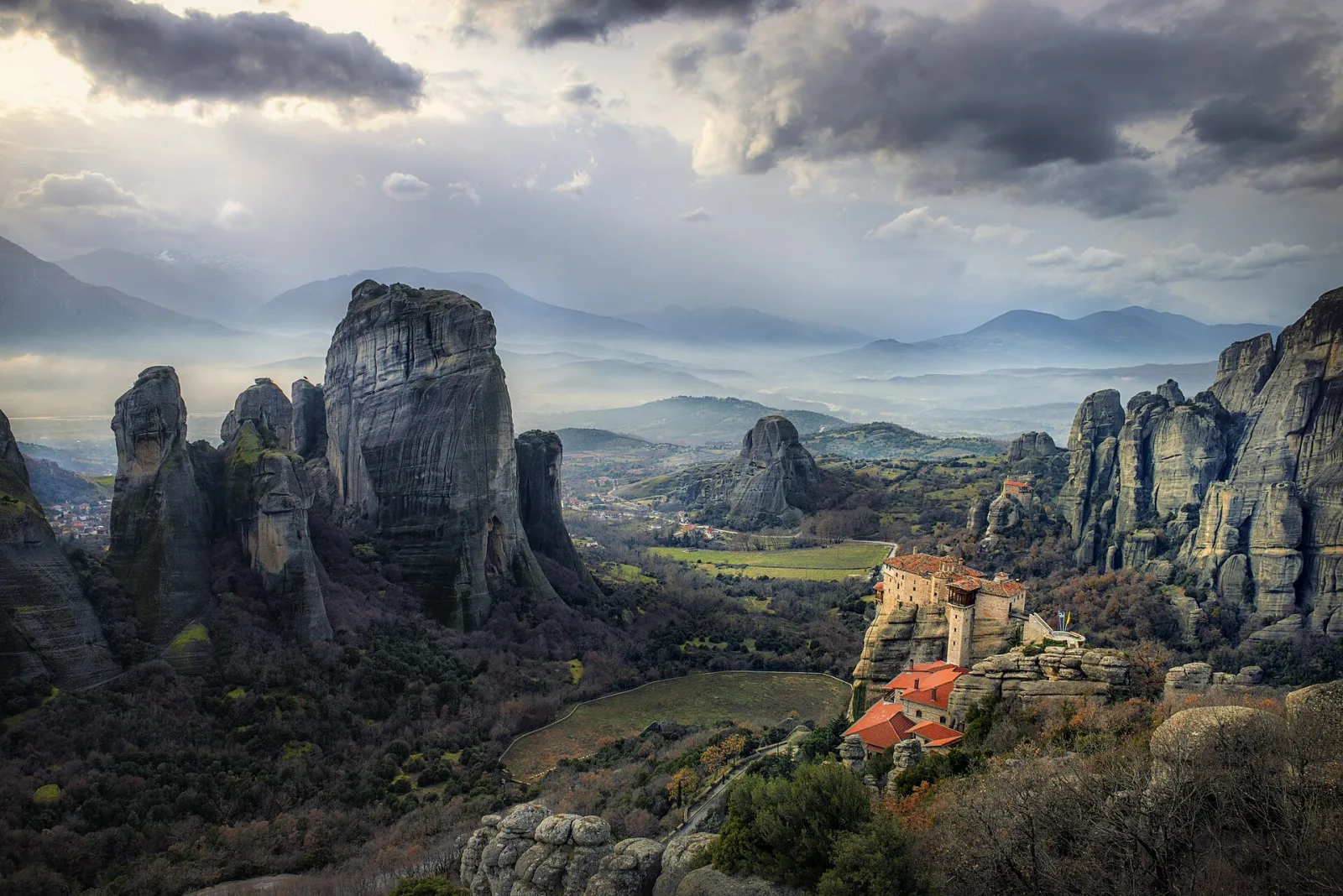
The Culinary Identity of the Thessalian Plain
Meteora is globally recognized for its gravity-defying monasteries and dramatic sandstone formations, but the surrounding region of Thessaly possesses a culinary identity that is just as rich as its history. The food here is defined by the rugged landscape, the influence of mountain traditions, and the proximity to fertile agricultural plains. When visiting Kalambaka or the village of Kastraki, visitors will find that the local diet is hearty, seasonal, and deeply connected to the land.
Traditional Pies and Pastries
Pies, or 'pites', are a cornerstone of the Greek diet, but in the mountains of Central Greece, they are elevated to an art form. You will frequently encounter 'hortopita', a savory pie filled with wild mountain greens, leeks, and herbs. These greens are often gathered from the slopes surrounding the rock formations. Another regional favorite is 'batsina', a crustless pie made with cornmeal, cheese, and vegetables. It is a rustic, comforting dish that perfectly reflects the simplicity of mountain cooking.
Hearty Meat Dishes
The climate in this part of Greece can be quite cool, especially during the shoulder seasons, which has influenced a preference for slow-cooked, robust meat dishes. You will often see 'gida vrasti' on local menus, which is a traditional goat stew simmered for hours until the meat is tender. It is typically served as a soup with a rich, flavorful broth.

For those who prefer roasted meats, 'kontosouvli' is a must-try. Large chunks of pork or lamb are marinated in herbs, garlic, and lemon, then slow-roasted on a rotisserie over an open flame. The result is succulent meat with a crispy exterior. In many local tavernas, you will also find 'spetsofai', a dish featuring spicy sausages cooked with bell peppers and a rich tomato sauce, often served with a side of crusty bread to soak up the sauce.
Local Cheeses and Dairy
Thessaly is famous for its high-quality dairy products. When dining in the area, look for 'feta' produced by local shepherds. It has a distinct, sharp tang that pairs perfectly with the local olives and fresh tomatoes. Another regional specialty is 'manouri', a semi-soft, creamy goat or sheep milk cheese that has a slightly sweet profile. It is often served as a starter, either grilled or drizzled with local honey, creating a harmonious balance of savory and sweet.
Sweets and Beverages
No meal in Meteora is complete without a taste of the local honey. The pine and wildflower forests of the Pindus mountains provide the perfect environment for beekeeping, and the resulting honey is exceptionally fragrant. It is often used in 'halva', a semolina-based dessert that is dense, aromatic, and spiced with cinnamon. If you visit a local bakery, look for 'tsoureki', a sweet, braided bread often enriched with mastic or mahleb.
As for beverages, the region is known for its 'tsipouro'. This potent grape-based spirit is a social ritual in itself. It is usually served in small glasses alongside a variety of 'mezedes' (small plates), such as pickled vegetables, cured meats, or local cheeses. It is customary to sip the tsipouro slowly while enjoying conversation, a practice that has defined the hospitality of this region for generations.
Practical Tips for Dining in Meteora
- Explore Kastraki: While Kalambaka is the main hub, the village of Kastraki is situated closer to the base of the rocks and offers a quieter, more traditional atmosphere with excellent family-run tavernas.
- Follow the Season: Always ask your server about the 'daily specials' or dishes that use seasonal ingredients. The menu in a mountain region should change with the harvest.
- Reservations: During the peak tourist season, popular tavernas can fill up quickly, especially those with views of the monasteries. It is wise to check locally and consider booking a table in advance if you have a specific spot in mind.
- Dietary Preferences: While the cuisine is meat-heavy, the abundance of fresh, locally grown vegetables means that vegetarians can easily find delicious options like stuffed peppers, bean soups, and various vegetable pies.
- Local Markets: If you are self-catering or looking for snacks for a hike, visit the local morning markets in Kalambaka to find fresh fruit, nuts, and local honey directly from the producers.
Plan your trip to Meteora
Compare prices with KAYAKYou'll be taken to KAYAK to compare prices. We may earn a commission at no extra cost to you.
Plan your trip to Meteora
🏨Find hotels on Booking.comBooking.comAffiliate links — we may earn a small commission.
Deals from our travel partners
 Aris Thessaloniki vs Rostock Tickets - Nick Galis Hall, 2026-12-22Sports Events 365 · from 102 EUR
Olympiacos Pireus vs Paris Basketball Tickets - Peace & Friendship Stadium, 2027-01-15Sports Events 365 · from 130 EUR
PAOK Thessaloniki vs Balkan Botevgrad Tickets - PAOK Arena, 2027-01-13Sports Events 365 · from 102 EUR
Olympiacos Pireus vs Kirolbet Baskonia Vitoria Tickets - Peace & Friendship Stadium, 2027…Sports Events 365 · from 120 EUR
Aris Thessaloniki vs Rostock Tickets - Nick Galis Hall, 2026-12-22Sports Events 365 · from 102 EUR
Olympiacos Pireus vs Paris Basketball Tickets - Peace & Friendship Stadium, 2027-01-15Sports Events 365 · from 130 EUR
PAOK Thessaloniki vs Balkan Botevgrad Tickets - PAOK Arena, 2027-01-13Sports Events 365 · from 102 EUR
Olympiacos Pireus vs Kirolbet Baskonia Vitoria Tickets - Peace & Friendship Stadium, 2027…Sports Events 365 · from 120 EUR
Affiliate links — we may earn a commission at no extra cost to you.
Related guides
Meteora in 3 Days: The Perfect Itinerary
Giant sandstone pillars, Byzantine monasteries and some of Greece's best sunsets make Meteora a destination worth three full days. Here is how to spend them well.
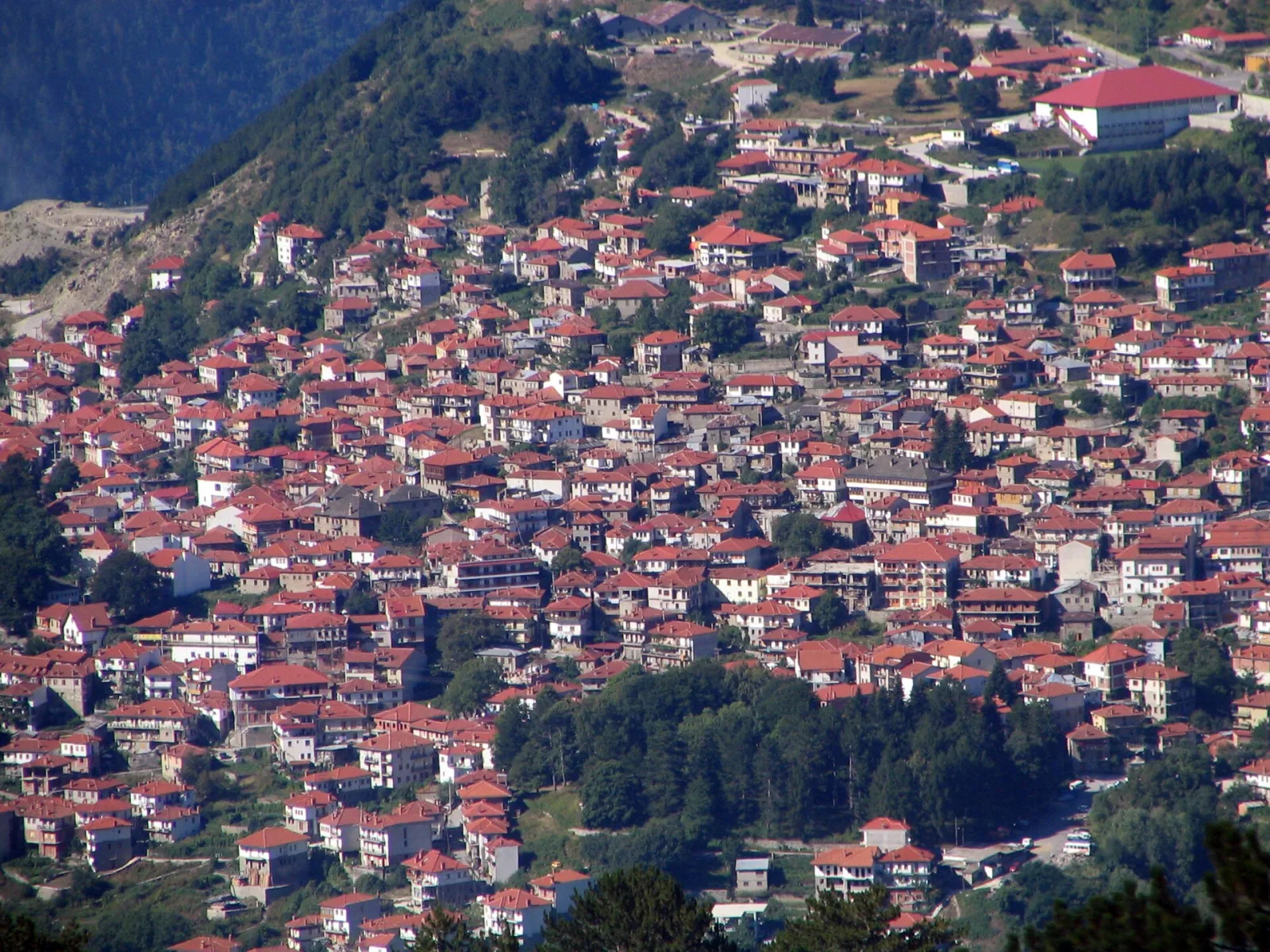
Top Things to Do in Metsovo
High in the Pindus mountains of Epirus, Metsovo is a stone-built village of wood smoke, smoked cheese and local wine. Here is how to make the most of a visit.
A Christmas Road Trip: Trikala's Mill of the Elves and Meteora
Experience the festive spirit of Thessaly by combining the family-friendly wonder of Trikala’s Mill of the Elves with the timeless, spiritual majesty of the Meteora rock formations.
