


What to Eat in Trikala: A Local Food Guide
Trikala is a vibrant Thessalian hub where local gastronomy shines through traditional pies, mountain-sourced meats, and a rich history of artisanal food production.

The Culinary Identity of Trikala
Trikala, situated in the fertile plains of Thessaly, serves as a crossroads of mountain traditions and lowland agricultural abundance. The local diet is deeply rooted in the seasonal rhythms of the Pindus mountain range, which provides the region with high-quality dairy, wild herbs, and exceptional meats. Unlike the seafood-heavy menus of the Greek islands, Trikala focuses on hearty, warming dishes that reflect the climate of Central Greece.
Traditional Pies and Pastries
The hallmark of any Trikala meal is the pita, or savory pie. In this region, the art of hand-rolling phyllo dough is taken very seriously. You will find a variety of fillings, but the most authentic include 'batzina,' a crustless, thin pie made with local feta cheese, yogurt, and cornmeal. It is a staple of the Thessalian table, often served as a breakfast or a mid-morning snack. Other popular versions include 'chortopita,' stuffed with wild seasonal greens gathered from the nearby hills, and 'kreatopita,' a meat-based pie that is substantial enough to serve as a main course.
Local Meats and Sausages
Trikala is famous for its sausages, which are often flavored with leeks—a signature ingredient of the region. These sausages are typically grilled over charcoal and served as part of a mixed grill platter in local tavernas. Another highlight is 'loukaniko Trikalon,' which benefits from the local tradition of curing meats in the cool mountain air. If you visit during the cooler months, look for slow-cooked stews featuring lamb or goat, often prepared with lemon and oregano, which highlights the quality of the livestock raised on the slopes of nearby Elati and Pertouli.

The World of Thessalian Cheese
The dairy production in the Trikala region is exceptional. The most famous export is 'kasseri,' a semi-hard, pale yellow cheese made from sheep's milk or a mixture of sheep and goat milk. It has a distinctively buttery flavor and a slightly salty finish. It is often served as a 'saganaki' (pan-fried cheese) or simply sliced as an accompaniment to a glass of local tsipouro. You will also find excellent fresh feta, which is saltier and firmer than versions found elsewhere in Greece, reflecting the specific grazing habits of the local flocks.
The Tsipouro Ritual
No guide to Trikala would be complete without mentioning the local tsipouro culture. Much like in nearby Volos, the ritual of sitting in a traditional 'tsipouradiko' is central to social life. When you order a small bottle of tsipouro, it is almost always accompanied by 'mezedes'—small, flavorful plates that evolve with every subsequent round of drinks. These might include pickled vegetables, spicy cheese spreads, grilled sausages, or salted fish. It is a slow, relaxed way to experience the local hospitality and sample a wide range of regional ingredients in one sitting.
Sweets and Confectionery
For those with a sweet tooth, Trikala offers a variety of traditional desserts. Halva, made with semolina and often flavored with cinnamon and nuts, is a classic end to a meal. Additionally, the region is known for its fruit preserves, known as 'glyko tou koutaliou,' which are made from cherries, walnuts, or even eggplant. These are traditionally served with a glass of cold water and are a testament to the local practice of preserving the harvest.
Practical Tips for Food Lovers
- Look for the 'Tsipouradika': For the most authentic experience, prioritize tavernas that specialize in tsipouro and mezedes rather than tourist-focused restaurants in the main squares.
- Seasonal Eating: Always ask for the 'mageirefta' (cooked dishes of the day), as these reflect the freshest ingredients currently available in the local markets.
- Market Visits: Spend time at the local Trikala open-air market to see the variety of cheeses, herbs, and seasonal produce that define the local cuisine.
- Ask for Local Varieties: When ordering wine or tsipouro, ask the server for local labels from the Thessaly region to pair with your food.
- Dining Etiquette: Meals in Trikala are meant to be long and social affairs; do not rush, as the pace of life here is designed for savoring both the food and the conversation.
- Check Locally: As menus change based on seasonality and the availability of ingredients, check with your hotel or local residents for the best places to try specific seasonal specialties during your visit.
Plan your trip to Meteora
Compare prices with KAYAKYou'll be taken to KAYAK to compare prices. We may earn a commission at no extra cost to you.
Plan your trip to Meteora
🏨Find hotels on Booking.comBooking.comAffiliate links — we may earn a small commission.
Deals from our travel partners
 Aris Thessaloniki vs Rostock Tickets - Nick Galis Hall, 2026-12-22Sports Events 365 · from 102 EUR
Olympiacos Pireus vs Paris Basketball Tickets - Peace & Friendship Stadium, 2027-01-15Sports Events 365 · from 130 EUR
PAOK Thessaloniki vs Balkan Botevgrad Tickets - PAOK Arena, 2027-01-13Sports Events 365 · from 102 EUR
Aris Thessaloniki vs Rigas Zelli Tickets - Nick Galis Hall, 2026-11-11Sports Events 365 · from 102 EUR
Aris Thessaloniki vs Rostock Tickets - Nick Galis Hall, 2026-12-22Sports Events 365 · from 102 EUR
Olympiacos Pireus vs Paris Basketball Tickets - Peace & Friendship Stadium, 2027-01-15Sports Events 365 · from 130 EUR
PAOK Thessaloniki vs Balkan Botevgrad Tickets - PAOK Arena, 2027-01-13Sports Events 365 · from 102 EUR
Aris Thessaloniki vs Rigas Zelli Tickets - Nick Galis Hall, 2026-11-11Sports Events 365 · from 102 EUR
Affiliate links — we may earn a commission at no extra cost to you.
Related guides
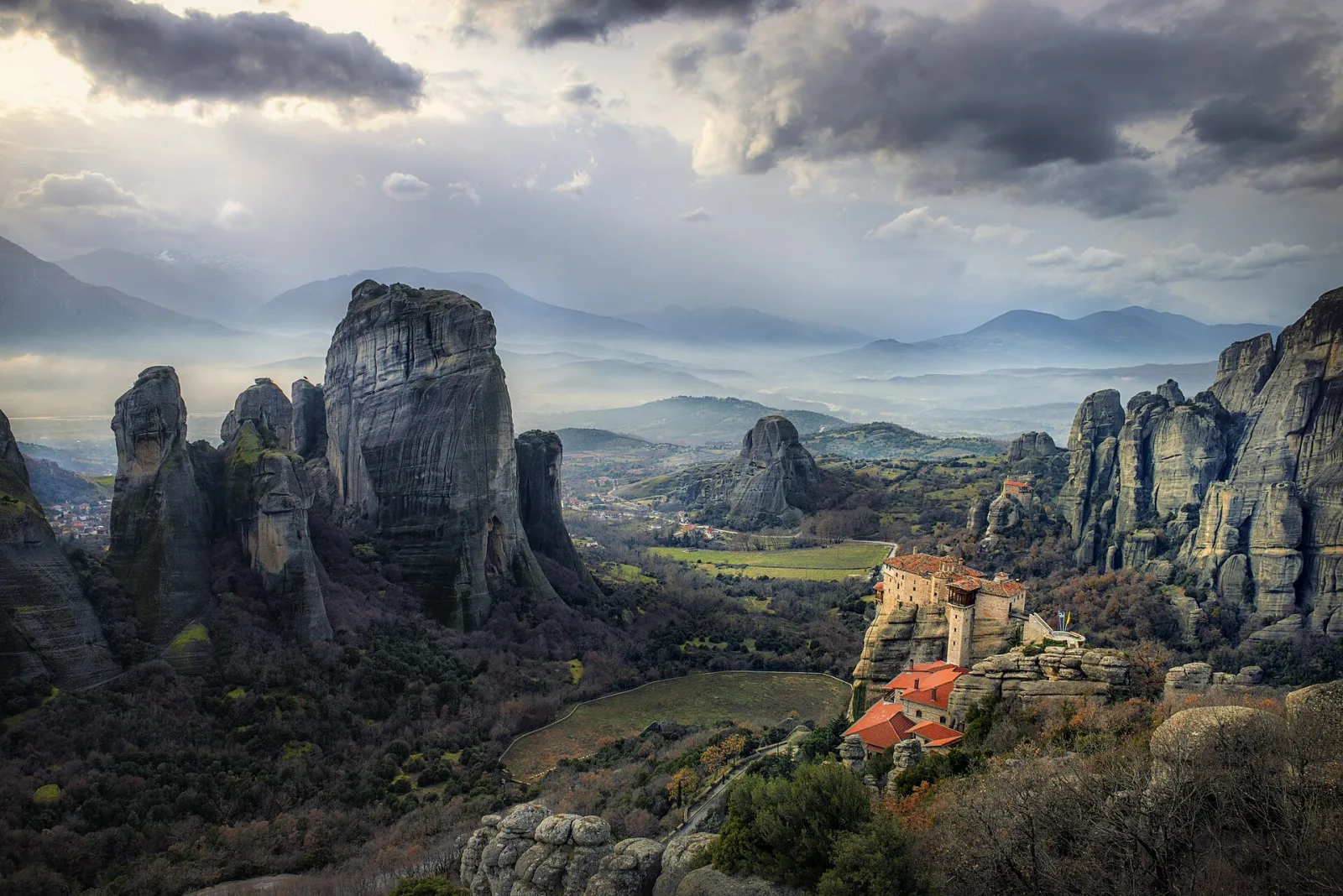
Meteora in 3 Days: The Perfect Itinerary
Giant sandstone pillars, Byzantine monasteries and some of Greece's best sunsets make Meteora a destination worth three full days. Here is how to spend them well.
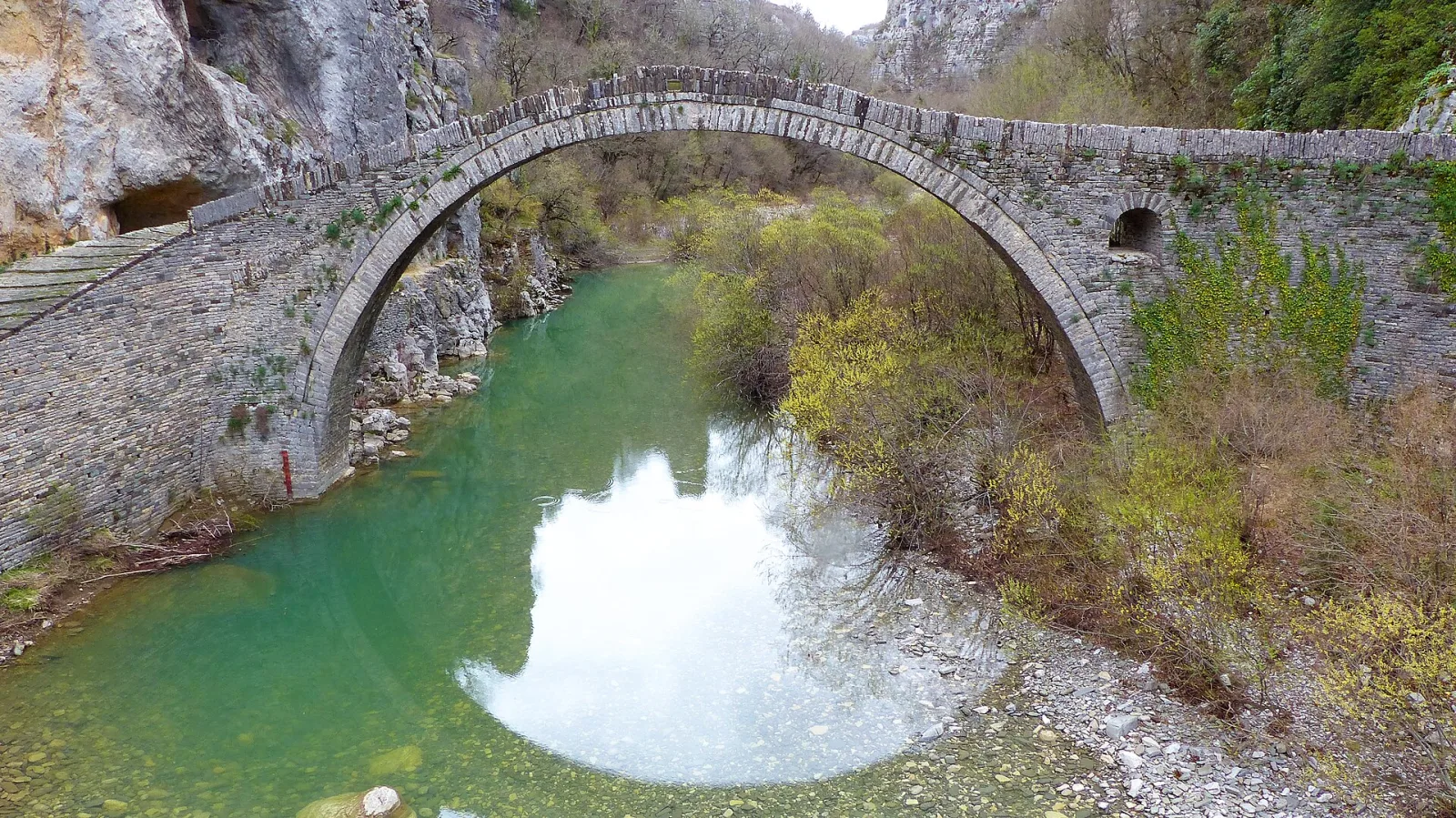
Top Things to Do in Zagori
Zagori is a mountain region of forty-odd stone villages in Epirus, linked by old mule paths and arched bridges. Here is how to make the most of it.
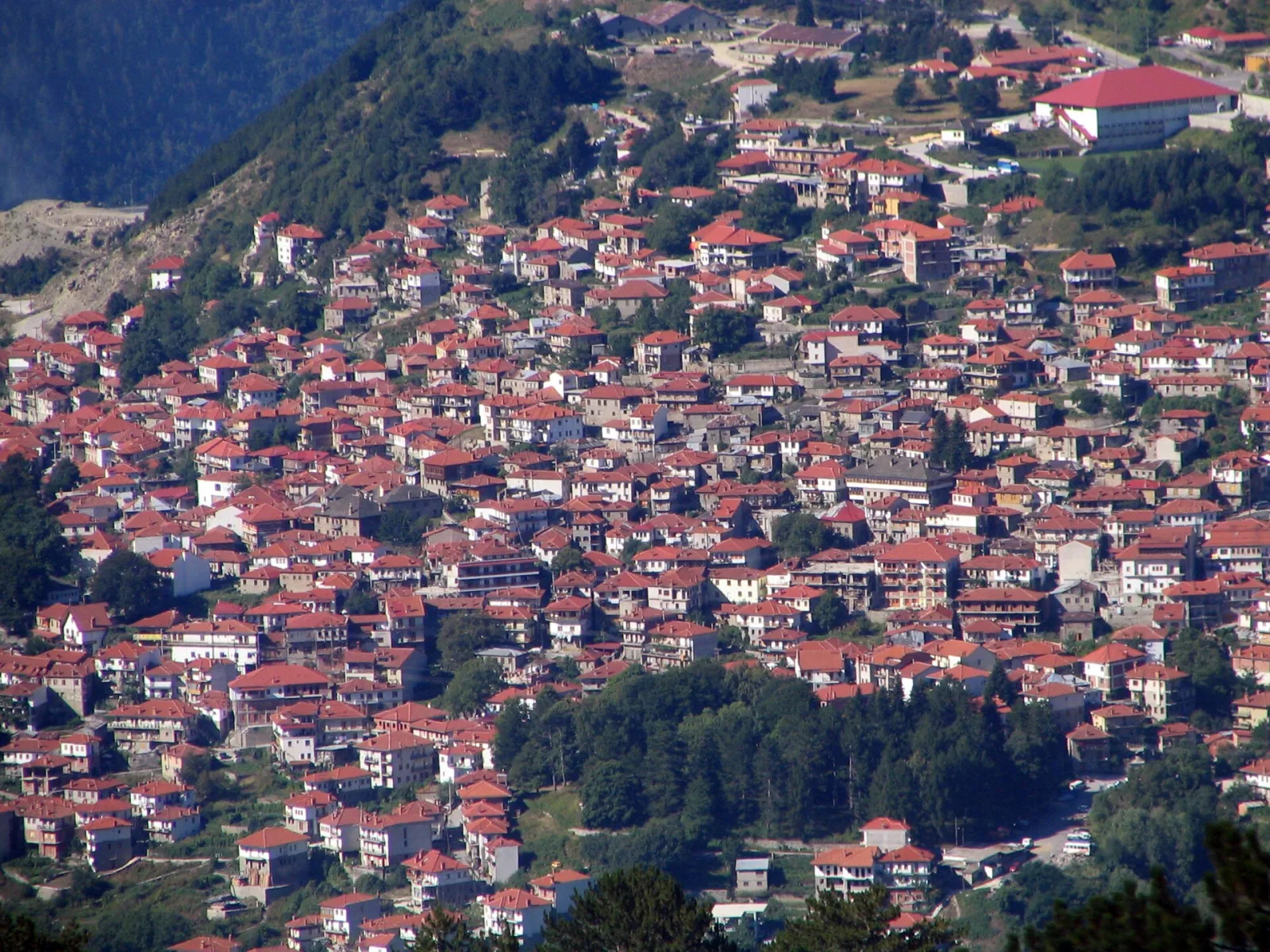
Top Things to Do in Metsovo
High in the Pindus mountains of Epirus, Metsovo is a stone-built village of wood smoke, smoked cheese and local wine. Here is how to make the most of a visit.
